
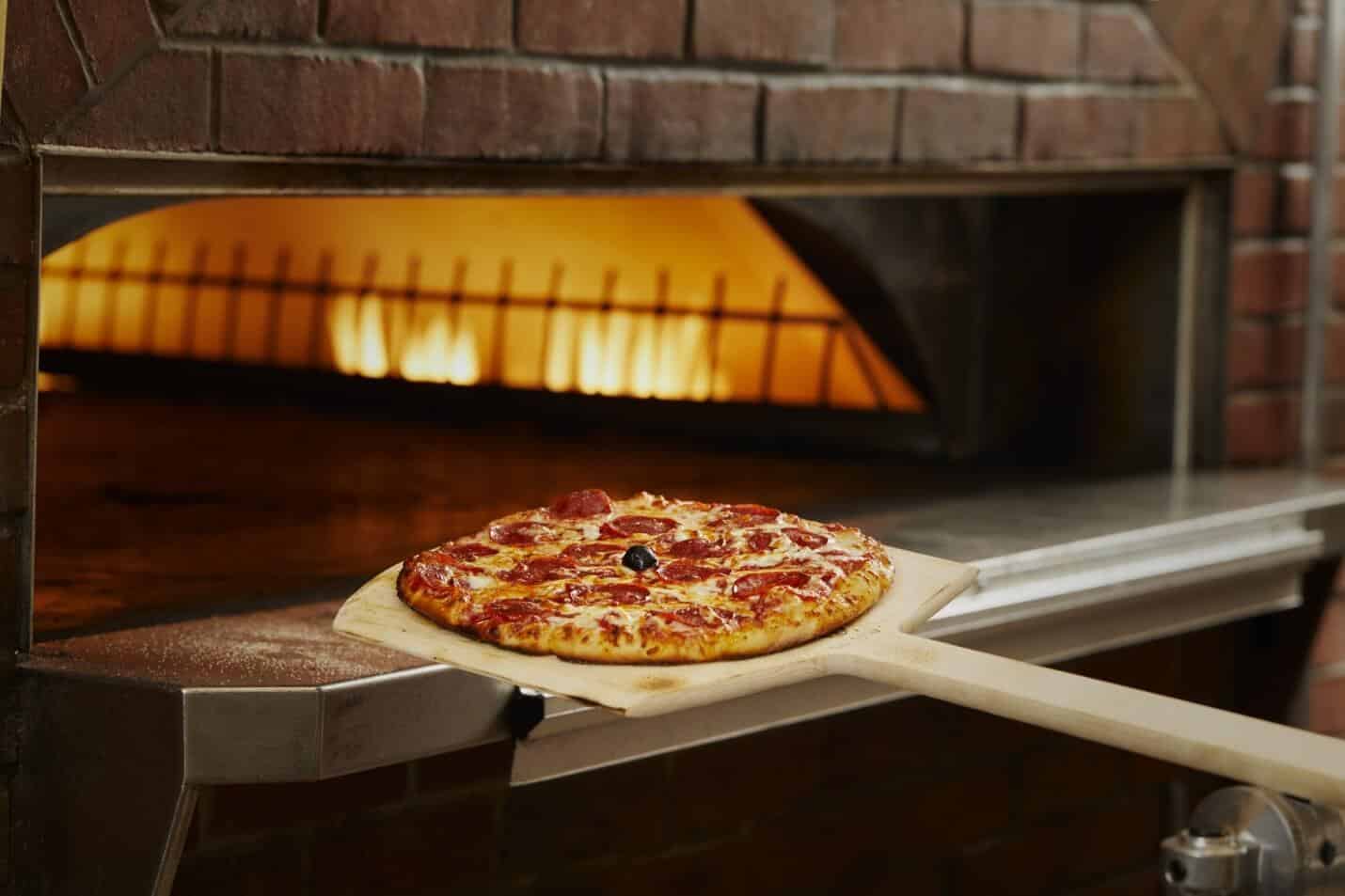
Image Source: www.bertuccis.com
Why We Use Brick Oven Pizza: The Authentic Taste
Why do people love brick oven pizza so much? Why do pizza makers choose these old ovens? It’s simple. Brick ovens cook pizza in a special way that makes it taste amazing. They use very high heat. This high heat cooks the pizza very fast. This fast cooking gives the pizza a special feel and taste you cannot get in a regular oven. It makes the crust crispy on the outside. The inside stays soft. If it is a wood fired pizza oven, it also adds a little smoky flavor. This is the way traditional pizza making has been done for many years. It gives us the real taste of artisan pizza.
The Special Brick Oven
A brick oven for pizza is not like the oven in your home kitchen. It is a big dome shape. It is made of many special bricks. These bricks get very, very hot. They hold heat for a long time. The oven floor is also made of stone or brick. This is important for cooking the bottom of the pizza.
How the Heat Works Inside
Think of the oven like a hot cave. The fire (if it’s wood) or the hot bricks make intense heat. This heat does a few things at once:
- Radiant Heat: The hot walls and roof send heat down onto the pizza. This is like standing in the sun. The heat hits the top of the pizza directly.
- Convective Heat: The hot air moves around inside the oven. This air cooks the pizza too.
- Conductive Heat: The hot floor cooks the bottom of the pizza crust. This direct contact with the hot surface is key for a crispy bottom.
This mix of heat types cooks the pizza very evenly and very fast.
High Temperature Cooking is Key
Brick ovens get much hotter than home ovens. Home ovens usually go up to 500°F (about 260°C). Brick ovens for pizza reach 800°F, 900°F, or even over 1000°F (over 500°C)! This high temperature cooking changes everything about how the pizza cooks.
What High Heat Does to the Dough
Pizza dough is simple. It is flour, water, salt, and yeast. But high heat does magic to it.
- Quick Rise: The water in the dough turns to steam instantly at high heat. This steam makes the dough puff up fast. It creates bubbles in the crust.
- Crust Setting: The outside of the dough cooks and gets firm very quickly. This traps the steam inside. It helps the crust rise even more.
- Maillard Reaction and Caramelization: High heat causes sugars and proteins in the dough to brown quickly. This creates many new flavors. It gives the crust its delicious taste and color. This happens best at high temperatures.
This fast, intense cooking is why brick oven crusts are so special.
Fast Cooking Time
One big reason for using a brick oven is the fast cooking time. At 800°F or 900°F, a pizza cooks in just 90 seconds to 3 minutes! This is incredibly fast.
Why Speed Matters for Pizza
Fast cooking time is not just for show. It does important things for the pizza:
- Perfect Toppings: Toppings cook but do not dry out. Cheese melts and bubbles beautifully. Vegetables get tender but keep their fresh taste. Meat cooks through quickly.
- Moisture Control: The high heat cooks the crust so fast that moisture stays inside. This makes the inside of the crust soft and airy. It keeps the pizza from getting hard or cracker-like all the way through.
- Freshness: Because it cooks so fast, the ingredients stay fresh tasting. The flavors are bright and clear.
Imagine making a pizza in 2 minutes. Every pizza is fresh and hot right out of the oven.
Getting That Perfect Crust
The crust is the frame of the pizza. Brick ovens make the best crust. They create a crispy crust on the outside. The bottom gets a nice crispness too.
The Crispy Crust Secret
High heat and the cooking surface work together.
- Hot Stone Floor: The hot stone or brick floor touches the bottom of the dough. This contact instantly starts cooking the bottom. It makes it firm and crispy.
- Radiant Heat from Above: The intense heat from the dome hits the top. This cooks the top surface fast. It sets the outside layer of the crust.
- Steam Inside: While the outside gets crispy, the steam inside makes the dough light and airy. This gives you that great contrast: crispy outside, soft inside.
This is the crust many people dream of. It holds its shape. It has a satisfying bite.
The Desired Charred Crust
Look at a great brick oven pizza crust. You will see dark spots on the edges. This is called the charred crust, or sometimes “leoparding.” These dark spots are a sign of true high temperature cooking.
What Charred Spots Tell You
- Very Hot Oven: Charring happens when parts of the crust hit extremely hot spots. This only happens in a very hot oven.
- Good Dough: A good dough recipe with the right amount of sugar will brown and char nicely.
- Great Flavor: The slightly charred parts add a smoky, toasted flavor. This flavor goes well with the other flavors on the pizza. It adds depth.
These dark spots are not burnt. They are part of the authentic taste. They show the pizza was cooked the right way in a very hot oven.
The Taste of Smoky Flavor (Wood Fired Pizza)
Many brick ovens use wood fires. A wood fired pizza oven burns wood to create heat. This fire does more than just make heat. It adds flavor.
How Wood Adds Flavor
- Smoke: As the wood burns, it makes smoke. This smoke swirls around inside the oven. It touches the pizza. A little bit of this smoky flavor gets into the crust and toppings.
- Type of Wood: Different woods give different flavors. Oak, maple, and fruit woods like apple or cherry are common. They give a mild, pleasant smoke. Pine or resinous woods are avoided because they make bad smoke.
- Open Fire: Cooking near an open fire also adds a unique aroma. You can smell the burning wood. This smell becomes part of the experience and the taste.
This smoky flavor is a key part of the traditional taste. It makes the pizza feel rustic and real.
Back to Roots: Traditional Pizza Making
Using a brick oven connects us to the history of pizza. Traditional pizza making, especially in Naples, Italy, used ovens very much like these.
The Birthplace of Pizza
Pizza as we know it comes from Naples. The oldest and most famous type is Neapolitan pizza.
- Simple Ingredients: Neapolitan pizza uses simple, fresh ingredients: San Marzano tomatoes, fresh mozzarella, basil, olive oil, and dough made only with flour, water, yeast, and salt.
- Specific Cooking: Rules for real Neapolitan pizza (set by the Associazione Verace Pizza Napoletana – AVPN) say it must be cooked in a wood fired oven. The oven must be very hot (around 900°F or 485°C). The pizza must cook very fast (60-90 seconds).
So, using a brick oven is not just a choice. For Neapolitan pizza, it is a rule. It is keeping a long tradition alive. It respects the history of this simple, perfect food.
Creating Artisan Pizza
When a pizza maker uses a brick oven, they are often making artisan pizza. What does “artisan” mean for pizza?
The Art of Making Pizza
- Skill and Craft: It means the pizza is made with care and skill. The person making the pizza is a craftsperson. They understand the dough, the heat, and the ingredients.
- Quality Ingredients: Artisan pizza usually uses high-quality, often local ingredients.
- Attention to Detail: The pizza maker pays close attention to every step. From mixing the dough to shaping it, adding toppings, and managing the fire in the oven.
- The Oven as a Tool: The brick oven is a tool that requires skill to use well. The pizzaiolo (pizza maker) must know how to build the fire, keep the heat right, and move the pizza inside the hot oven.
Making pizza in a brick oven is harder than pressing a button on a machine. It requires touch, feel, and knowledge. This makes the pizza special. It makes it art.
Comparing Oven Types
How does a brick oven pizza differ from pizza cooked in a home oven or a conveyor belt oven (like in some big pizza chains)?
Let’s look at the main points:
| Feature | Brick Oven / Wood Fired Oven | Home Oven (Electric/Gas) | Conveyor Belt Oven |
|---|---|---|---|
| Temperature | Very High (800°F – 1000°F+) | Medium (400°F – 550°F) | Medium-High (500°F – 600°F) |
| Heat Type | Radiant, Conductive, Convective (Mix) | Convective, Radiant (Air/Coils) | Convective (Moving Air) |
| Cooking Time | Very Fast (90 seconds – 3 minutes) | Slow (8 – 15 minutes) | Medium (5 – 8 minutes) |
| Crust | Crispy outside, soft inside, potential char | Often more uniform, less rise | More uniform, less character |
| Flavor | Authentic, smoky (if wood), complex browning | Standard baked flavor | Standard baked flavor |
| Cooking Surface | Hot Stone/Brick | Metal Rack or Baking Stone (add-on) | Metal Belt |
| Control | Requires skill to manage fire/heat | Easy to set temperature | Very consistent, automated |
| Result | Artisan, traditional, distinct texture/flavor | Good home pizza, different crust | Uniform, consistent, less unique |
This table shows why brick ovens create a unique pizza. The high heat and how it hits the pizza make a big difference.
Why the Material Matters
Why bricks? Why not metal? The materials of the oven are important.
- Heat Retention: Special fire bricks hold heat very well. Once they get hot, they stay hot for a long time. This is why you can cook many pizzas one after another.
- Radiant Heat: Bricks are good at soaking up heat and sending it back out (radiant heat). The dome shape helps focus this heat down onto the pizza.
- Moisture Handling: Bricks can handle the intense heat and also manage moisture. They create a dry, hot cooking environment which is great for the crust.
The brick oven is a simple design. But it is perfect for the job because of the materials and shape.
The Science of the Perfect Pizza
It might seem simple, but cooking in a brick oven involves science.
- Heat Transfer: We talked about radiant, convective, and conductive heat. These work together to cook the pizza from all sides very quickly.
- The Oven Environment: The oven is hot and dry. This environment is ideal for making the crust rise and crisp up fast without drying out the inside.
- Chemical Changes: The Maillard reaction and caramelization happen fast at high heat. These create the complex flavors and browning on the crust and toppings. The yeast in the dough produces gases that expand quickly, making the crust light.
Understanding these simple science ideas helps explain why brick ovens are so effective.
More Than Just the Oven
While the oven is key, other things matter too for great brick oven pizza.
- The Dough: A good dough recipe is crucial. It needs the right amount of hydration (water). It needs time to ferment (rest and rise slowly). This develops flavor and makes the dough easy to work with and cook well in high heat.
- Ingredients: Fresh, high-quality ingredients make a big difference. Simple toppings shine when cooked fast in high heat.
- The Skill of the Pizzaiolo: Knowing how to stretch the dough without tearing it, how to top it quickly, how to launch it into the oven, and how to turn it for even cooking is a skill.
It’s the mix of the special oven, good ingredients, and a skilled hand that makes brick oven pizza so good. It is a craft.
Why It Tastes So Authentic
The word “authentic” comes up a lot with brick oven pizza. What does that really mean for taste?
- Taste of Tradition: It tastes like pizza has tasted for a long time in its home country. It connects us to the roots of the food.
- Taste of Fire: If wood fired, you get the subtle smoky flavor. This is a very old way of cooking, and it adds a unique taste.
- Taste of Perfect Texture: The contrast between the crispy outside and soft, airy inside of the crust is a signature of authentic pizza.
- Taste of Simple, Fresh Ingredients: Fast, hot cooking highlights the natural flavors of good ingredients. It does not hide them.
This blend of history, cooking method, and ingredient quality creates a taste that feels real and true to what pizza should be.
The Experience of Brick Oven Pizza
Eating brick oven pizza is more than just eating food. It is an experience.
- Seeing the Oven: Often, you can see the oven. You might see the fire if it is wood fired. It is impressive. It feels real.
- The Speed: Seeing a pizza go into a super-hot oven and come out perfect in minutes is exciting.
- The Aroma: The smell of hot dough, melting cheese, and sometimes wood smoke fills the air.
- The Look: The pizza itself looks beautiful. It has that puffed-up, slightly uneven crust with little charred spots.
All these things add to the enjoyment. It makes the meal special.
Why Restaurants Choose Brick Ovens
For a restaurant, choosing a brick oven is a big decision. They are expensive to build or buy. They take up space. They need skilled people to run them, especially wood fired ones. So why do they do it?
- Quality: They offer the best possible quality for pizza. This draws customers.
- Authenticity: It allows them to market their pizza as traditional, Neapolitan, or artisan. This appeals to people looking for a real pizza experience.
- Efficiency (Once Hot): Once the oven is hot, it can cook pizzas very quickly. This is great for busy times. It can handle a high volume of orders fast.
- Showcase: The oven itself can be a centerpiece. It adds to the restaurant’s atmosphere and appeal.
It is an investment in quality and the customer experience.
How Brick Ovens Fit Modern Trends
Today, many people care about where their food comes from. They look for food that is:
- Natural: Simple ingredients, cooked with natural heat.
- Traditional: Respecting older ways of making food.
- Artisan: Made with skill and care, not mass-produced.
- High Quality: Using the best ingredients.
Brick oven pizza fits all these trends perfectly. It is seen as a more pure and skillful way to make pizza. It is the opposite of fast food pizza.
Caring for a Brick Oven
A brick oven needs care to work well.
- Heating Up: It takes a long time to get a brick oven hot. This can be several hours, especially from cold. The heat needs to soak into the bricks.
- Temperature Management: Keeping the temperature right takes skill. You need to manage the fire (if wood) or adjust gas burners. Different parts of the oven might be hotter than others.
- Cleaning: The intense heat burns away most food bits. But the floor needs scraping. Ash needs removing from wood ovens.
It is a bit like caring for a special cooking tool. It requires attention.
The Journey of the Heat
Let’s look again at the journey of heat in a brick oven.
- Heat Source: Fire (wood or gas) heats the air and the bricks.
- Bricks Absorb Heat: The dense fire bricks soak up the heat. They become very hot storage heaters.
- Heat Radiates: Hot bricks send energy (radiant heat) in waves. These waves hit the pizza.
- Air Circulates: Hot air moves around (convective heat), cooking the pizza’s top and edges.
- Floor Conducts: The hot floor touches the dough and cooks the bottom (conductive heat).
- Fast Transformation: All this heat working at once transforms the dough and toppings in moments.
This combined action is what makes brick oven cooking unique and so effective for pizza.
The Future of Brick Ovens
Will brick ovens always be used for pizza? It seems very likely. People value authenticity and quality. The taste and texture from a brick oven are hard to copy. While new oven types might appear, the brick oven remains the standard for traditional and artisan pizza. It is a link to the past that still makes some of the best food today.
Summing Up Why We Use Brick Ovens
We use brick ovens for pizza because they deliver an authentic taste that is simply better.
- They cook at very high temperatures.
- They provide a fast cooking time.
- They create a perfect crispy crust with a soft inside.
- They allow for desirable charred crust spots.
- If wood fired, they add a subtle, delicious smoky flavor.
- They are essential for traditional pizza making, like Neapolitan pizza.
- They are the tool of choice for artisan pizza makers.
- They use radiant heat, convective heat, and conductive heat together for ideal cooking.
It is the combination of these factors that makes brick oven pizza stand out. It is a simple food made special by an ancient cooking method.
Frequently Asked Questions
Q: Is brick oven pizza always wood fired?
A: No. Many brick ovens use gas to heat the bricks instead of wood. Gas-fired brick ovens still get very hot and provide the radiant and conductive heat needed for fast cooking and a great crust. However, they do not add the smoky flavor that wood fired pizza has. Wood fired pizza must use wood as the heat source.
Q: How hot do brick ovens get?
A: Brick ovens designed for pizza typically reach very high temperatures, often between 800°F and 1000°F (430°C to 540°C) or even higher near the fire source in wood-fired ovens. This is much hotter than a standard home oven.
Q: Why does brick oven pizza cook so fast?
A: Pizza cooks fast because of the extremely high temperature and the way the heat hits the pizza from all sides at once (radiant heat from the dome, conductive heat from the floor, and convective heat from the hot air). This intense heat cooks the thin dough and toppings in just a few minutes.
Q: Is the charred crust burnt?
A: The small, dark spots on the crust, called charring or “leoparding,” are not the same as being burnt all over. They are spots where the dough has browned very quickly due to hitting extremely hot points. They add a desirable toasted, slightly smoky flavor that is part of the authentic taste. A fully black or bitter-tasting crust would be burnt.
Q: Can I make pizza like this in my home oven?
A: You can make good pizza in a home oven, especially if you use a pizza stone or steel to help the bottom crust cook faster. However, a home oven does not reach the same very high temperatures as a brick oven. This means the cooking time will be longer, and you will not get the exact same crust texture (the very crispy outside, super soft inside, and significant charring) that comes from the intense, fast cook of a true brick oven.
Q: What kind of bricks are used?
A: Special fire bricks (refractory bricks) are used. These bricks are designed to handle very high temperatures without breaking down. They also hold heat very well.
Q: Does the brick oven need a chimney?
A: Yes, especially for wood fired ovens. A chimney helps pull air into the oven for the fire and lets the smoke out. This is important for airflow, heat management, and safety. Even gas brick ovens usually have a vent for exhaust.
Q: What is the difference between artisan pizza and regular pizza?
A: Artisan pizza usually means pizza made with traditional methods, high-quality ingredients, and significant skill and care by a pizza maker. It is often cooked in a brick or wood fired oven. “Regular” pizza can cover many styles and methods, including mass-produced pizzas made with less emphasis on traditional craft or high-quality ingredients.
Q: Why is radiant heat important for pizza?
A: Radiant heat comes directly from the hot walls and dome of the oven and hits the top of the pizza. This direct heat is very intense and cooks the top crust and toppings quickly at the same time as the bottom crust is cooking on the hot floor. This fast, even cooking from top and bottom creates the desired texture and ensures toppings are cooked just right.