
If your air conditioner isn’t blowing cold air, the first thing to do is not panic. Many common issues can cause your central air not cold problem, and some fixes are simple DIY steps. Other issues, like a low refrigerant Freon level or an AC compressor not working, require professional help. Start by checking your thermostat and air filter, as these are the easiest things to inspect. Then, listen for unusual sounds from your outdoor unit and check if the outdoor unit is running. If these basic checks don’t reveal the problem, you might have more complex AC repair problems. This article will help you figure out why your AC blowing warm air is happening and guide you on the next steps for HVAC troubleshooting.
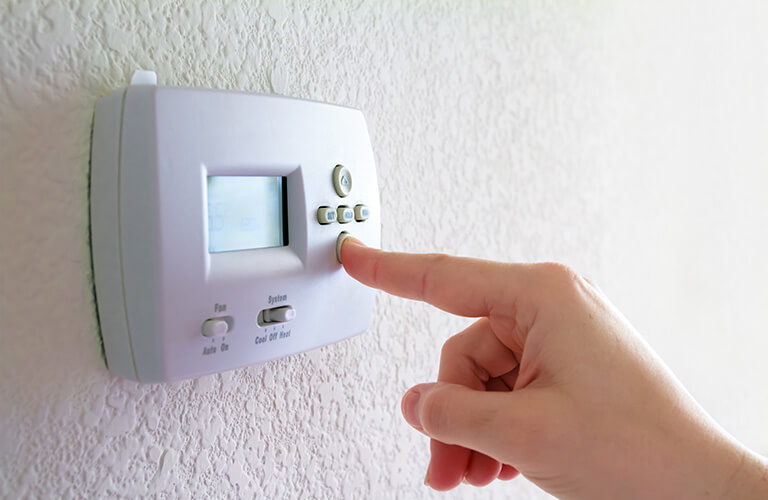
Image Source: reddihvac.com
Grasping How Your Air Conditioner Works
Before diving into why your AC might fail, let’s quickly cover how it cools your home. Your AC uses a substance called refrigerant (like Freon) to move heat. It takes heat from inside your home and releases it outside.
Here’s the simple process:
- A fan blows warm indoor air over a cold coil inside your home (the evaporator coil).
- The refrigerant inside the coil absorbs the heat from the air.
- The now warm refrigerant flows to the outdoor unit.
- The compressor pushes the refrigerant, increasing its pressure and temperature.
- The hot refrigerant flows through another coil outside (the condenser coil).
- A fan blows outdoor air over this hot coil, removing the heat.
- The refrigerant cools down and flows back inside to repeat the cycle.
If any part of this cycle breaks, your system might start AC blowing warm air instead of cold.
Common Causes When Central Air Is Not Cold
Several issues can stop your AC from cooling properly. Some are simple maintenance problems, while others point to bigger AC repair problems.
Interpreting the Clogged Air Filter Problem
One of the most frequent reasons an AC doesn’t blow cold air is a dirty air filter.
- What it is: The air filter cleans the air entering your AC system. It catches dust, dirt, and other particles.
- Why it causes warm air: A dirty filter blocks airflow. When not enough air moves over the cold evaporator coil, the coil gets too cold. This can cause the coil to freeze. Reduced airflow also means less cold air is pushed into your home. This makes your central air not cold.
- What to do:
- Find your air filter. It’s usually in the air return vent or near the air handler (the indoor unit).
- Check it. Is it gray and dusty? You can’t see light through it easily?
- If it’s dirty, replace it with a new, clean filter.
- Check the filter size needed. It’s printed on the side of the old filter.
- Put the new filter in the right way (check the arrow showing airflow direction).
Replacing your air filter regularly is a key part of HVAC troubleshooting and prevents many problems, including frozen AC coils. Most homes need a new filter every 1-3 months, depending on the filter type and how much you use the AC.
Deciphering Low Refrigerant Levels
Refrigerant is the stuff that actually cools your air. If your system doesn’t have enough, it can’t absorb heat properly. This is a common cause of your AC blowing warm air.
- What it is: Refrigerant, sometimes called Freon (which is a brand name for certain refrigerants), is a chemical that changes from liquid to gas as it absorbs and releases heat. AC systems are sealed. The refrigerant level should stay the same unless there’s a leak.
- Why it causes warm air: Low refrigerant means there isn’t enough chemical to pick up heat from the indoor air. The air passing over the coil won’t get cold. Also, low refrigerant can cause the evaporator coil to freeze, further blocking airflow and cooling. This is a serious AC repair problem.
- What to do:
- Do NOT try to add refrigerant yourself. Refrigerant must be handled by trained professionals. It’s a complex process that needs special tools and knowledge. It’s also illegal to release refrigerants into the air.
- If you suspect low refrigerant (e.g., the air isn’t cold, the outdoor unit sounds odd, you see ice on lines or coils), call an HVAC technician.
- A technician will find the leak, fix it, and then add the correct amount of refrigerant. Simply adding refrigerant without fixing the leak is a temporary fix and harms the environment.
Signs of low refrigerant Freon:
* Air from vents isn’t cold.
* Ice on the evaporator coil or refrigerant lines.
* Hissing or bubbling noises (can mean a leak).
* Higher electric bills (the system works harder to cool).
Dealing with low refrigerant Freon is one of the most common AC repair problems technicians handle.
Observing Frozen AC Coils
Ice on your indoor coil (the evaporator coil frozen) is a clear sign something is wrong.
- What it is: The evaporator coil is the part inside your home where the refrigerant gets cold and absorbs heat from the air. If it gets too cold, moisture from the air can freeze on its surface.
- Why it causes warm air: A layer of ice on the coil blocks airflow completely. Air can’t pass through the ice-covered coil to get cooled. Even if the refrigerant is working, the air isn’t touching the cold surface. This leads to AC blowing warm air.
- What causes frozen coils:
- Clogged air filter: As mentioned, blocks airflow.
- Low refrigerant: Low pressure causes the coil to get too cold.
- Dirty coil: Dust and grime on the coil act as insulation, stopping heat absorption and making spots too cold.
- Blocked vents or ducts: Restricts airflow through the system.
- Fan motor problems: If the indoor fan isn’t blowing air correctly, the coil can freeze.
- What to do:
- Turn off the AC immediately (set the thermostat to OFF or FAN ONLY).
- Let the ice melt. This can take several hours. Place towels around the indoor unit to catch water.
- While it’s melting, check the common causes:
- Is the air filter clean? If not, replace it.
- Are supply vents or return vents blocked by furniture or curtains? Clear them.
- Is the outdoor unit clear of debris?
- Once the coil is fully melted, turn the AC back on.
- If it freezes again quickly, you likely have an underlying issue like low refrigerant Freon, a dirty coil, or a fan problem. These require professional HVAC troubleshooting and repair. An evaporator coil frozen is a symptom, not the main problem itself.
Checking If The AC Compressor Not Working
The compressor is the heart of your AC system. It’s located in the outdoor unit. Its job is to pump refrigerant and raise its pressure and temperature so it can release heat outside.
- What it is: A powerful pump in the outdoor unit that moves refrigerant through the system.
- Why it causes warm air: If the compressor isn’t running, the refrigerant can’t circulate, and the heat transfer process stops. The outdoor unit fan might run, but you’ll only feel room temperature air or slightly cool air (from residual coldness) coming from your indoor vents. You won’t get truly cold air. This is a major AC repair problem.
- What to do:
- Go to your outdoor unit.
- Is the large fan on top spinning?
- Can you hear a humming or buzzing sound coming from inside the unit (besides the fan)? This is the compressor running.
- If the fan is spinning but you hear no hum and the air inside isn’t cold, the AC compressor not working could be the issue.
- If neither the fan nor the compressor is running, check the circuit breaker for the outdoor unit. It might have tripped. Resetting a tripped breaker might get it going temporarily, but a breaker that keeps tripping means there’s an electrical problem that needs professional attention.
- Issues with the compressor, such as failure or problems with its starting components (like a capacitor), require a trained technician. Replacing a compressor is expensive, sometimes leading homeowners to consider replacing the entire unit.
Reasons an AC compressor not working:
* Faulty start/run capacitor.
* Electrical issues (wiring, contactor, breaker).
* Overheating (could be due to dirty coils, low refrigerant).
* Internal mechanical failure.
Diagnosing why the AC compressor not working correctly is a job for experts in HVAC troubleshooting.
Exploring Thermostat Issues
Sometimes, the problem isn’t the AC system itself but the control center – the thermostat.
- What it is: The device on your wall that tells the AC when to turn on, how cold to make the house, and controls fan speed.
- Why it causes warm air:
- Wrong setting: The thermostat might be set to HEAT, OFF, or FAN ONLY instead of COOL.
- Battery problems: If it uses batteries, dead batteries mean it can’t communicate with the AC system.
- Calibration issues: The temperature reading might be off, so it thinks the room is cooler than it is.
- Wiring problems: Loose or damaged wires can stop signals from reaching the AC.
- What to do:
- Check the thermostat setting. Make sure it’s set to COOL and the temperature is set below the current room temperature.
- Check batteries if your thermostat uses them. Replace old ones.
- Make sure the fan setting is on AUTO for normal cooling (FAN ON runs the fan constantly, even when the AC isn’t cooling, which can feel like warm air).
- If it’s a programmable thermostat, check the schedule to ensure it’s programmed correctly for cooling times.
- If you suspect wiring or calibration issues, this might require a technician, though some basic thermostat issues can be resolved by the homeowner.
Simple thermostat issues are easy fixes that can quickly get your central air not cold problem solved.
Examining Ductwork Problems
The ducts are the pathways that carry cooled air from your AC unit to the rooms in your home. Problems here can affect cooling.
- What it is: A network of metal or flexible tubes running through your walls, floors, and attic.
- Why it causes warm air:
- Leaks: Holes or poor connections in ducts let cool air escape into unconditioned spaces (like attics) and can pull warm air into the system. This means less cool air reaches your rooms, and the air that does arrive might mix with warm air.
- Blockages: Something might be blocking a duct run (e.g., collapsed flexible duct, debris). This reduces airflow to specific rooms or the whole system.
- Poor design: Incorrectly sized or routed ducts can limit airflow.
- What to do:
- Walk around your house and check if air is coming out of all vents. Is the airflow weak in some rooms?
- Feel around accessible ductwork (like in a basement or attic if safe). Do you feel cool air leaking out?
- Simple leaks near vents might be sealed with metal tape (not duct tape!).
- Significant ductwork issues, blockages you can’t reach, or poor design need professional HVAC troubleshooting and repair. Leaky ducts are common AC repair problems that waste energy.
Duct problems can lead to your AC blowing warm air in specific rooms or making the whole system less effective.
Evaluating Dirty Outdoor Unit Coils
The coil in the outdoor unit (the condenser coil) releases the heat from your home into the outside air. If it’s dirty, it can’t do its job well.
- What it is: The fins surrounding the outdoor unit. Heat is transferred from the refrigerant through these fins to the air blown over them by the fan.
- Why it causes warm air: Dirt, grass clippings, leaves, and debris build up on the fins. This acts like a blanket, preventing heat from leaving the refrigerant. The refrigerant stays hot, making the system less efficient. It can also cause the compressor to overheat and shut down or reduce cooling capacity, leading to AC blowing warm air.
- What to do:
- Turn off power to the outdoor unit at the disconnect switch (usually on the wall near the unit) and possibly the main breaker panel for safety.
- Carefully use a garden hose (not a pressure washer, which can bend fins) to spray the fins from the inside out to push dirt away.
- Clear away any plants, leaves, or debris from around the base of the unit (leave about 2 feet of clear space).
- If the fins are very dirty or greasy, you might need a special coil cleaner, but follow product instructions carefully or leave this to a professional during a tune-up.
- Bent fins can be straightened gently with a special fin comb (available at hardware stores), but this is tedious.
Keeping the outdoor unit clean is an important part of preventing AC repair problems and maintaining efficiency.
Considering Electrical Problems
AC systems have many electrical components, from motors and capacitors to wiring and circuit breakers. Problems here can cause the unit to stop running or prevent specific parts from working.
- What it is: The wiring, capacitors (which help motors start), contactors (switches), fuses, and breakers that power and control the AC.
- Why it causes warm air: If a component like the fan motor or compressor isn’t getting power or signal, it won’t run. A faulty capacitor can stop a motor from starting. A tripped breaker shuts down the whole unit or just the outdoor part. Any electrical failure can stop the cooling process, resulting in central air not cold.
- What to do:
- Check the circuit breaker box. Is the breaker for the AC (or outdoor unit) tripped? It will be between the ON and OFF positions. Flip it completely OFF and then back ON.
- Check the disconnect switch near the outdoor unit. Make sure it’s in the ON position.
- Do NOT attempt to repair internal electrical components like capacitors or wiring unless you are a qualified electrician or HVAC technician. These carry high voltage and are dangerous.
- If the breaker trips again immediately or frequently, or if the unit gets no power, call a professional. Electrical issues are common AC repair problems that need expert diagnosis and repair.
Electrical issues are a key part of professional HVAC troubleshooting.
Summarizing Common Issues and Solutions
Here’s a quick look at why your AC blowing warm air might be happening and what you can do.
| Problem | Why it Causes Warm Air | What to Check/Do (DIY) | When to Call a Professional | Related Keywords |
|---|---|---|---|---|
| Clogged Air Filter | Blocks airflow, can cause freezing. | Check & replace filter. | If problem persists after replacing filter. | clogged air filter, frozen AC coils |
| Low Refrigerant (Freon) | System can’t absorb heat; often due to leak. | Check for ice (symptom), listen for hissing. | Always. Requires leak detection, repair, and proper recharge. | low refrigerant Freon, AC blowing warm air, AC repair problems |
| Frozen Evaporator Coil | Ice blocks airflow. | Turn off AC, let melt. Check filter/vents while melting. | If it refreezes, likely due to low refrigerant, airflow block, or dirty coil. | frozen AC coils, evaporator coil frozen, central air not cold |
| AC Compressor Not Working | Stops refrigerant circulation. | Check breaker, listen for humming at outdoor unit. | If compressor isn’t running or breaker trips repeatedly. | AC compressor not working, AC repair problems, HVAC troubleshooting |
| Thermostat Issues | Incorrect settings or communication. | Check settings (COOL, temp), batteries, FAN mode. | If settings are correct but AC doesn’t respond, or wiring issues suspected. | thermostat issues, HVAC troubleshooting |
| Dirty Outdoor Coil (Condenser) | Prevents heat release. | Turn off power, rinse with hose. Clear debris around unit. | If coil is very dirty/greasy, or fins are badly damaged. | AC blowing warm air, HVAC troubleshooting |
| Ductwork Leaks/Blockages | Cool air escapes, warm air enters. | Check accessible ducts for leaks/blockages, clear vents. | For major leaks, blockages, or poor design. | central air not cold, AC repair problems |
| Electrical Problems (Capacitor, etc.) | Unit or parts not getting power. | Check/reset breaker, ensure disconnect is ON. | Always. High voltage danger. | AC repair problems, HVAC troubleshooting |
When To Call For AC Repair Problems
While some basic HVAC troubleshooting steps like changing a filter or checking your thermostat can be done yourself, many issues require professional help.
You should call an HVAC technician if:
- You suspect low refrigerant Freon. Adding refrigerant requires special tools and permits.
- Your AC compressor not working. This is a complex and expensive repair.
- Your evaporator coil frozen repeatedly after you’ve checked the filter and vents. This points to an underlying issue like low refrigerant or severe airflow problems.
- You hear strange noises from the indoor or outdoor unit (grinding, loud buzzing, rattling).
- You smell burning odors.
- You have electrical issues like a breaker that keeps tripping.
- You’ve done all the basic checks, and your central air not cold issue remains.
- You are uncomfortable working with electrical components or accessing parts of your system.
Ignoring serious AC repair problems can lead to more damage and higher costs down the road. A professional can correctly diagnose the issue and fix it safely.
Fathoming Preventive Maintenance
The best way to avoid your AC blowing warm air is through regular maintenance.
- Regular filter changes: This simple step prevents clogged air filter issues and helps avoid frozen AC coils.
- Keep outdoor unit clear: Make sure there’s no debris, plants, or blockages around the condenser.
- Clean indoor vents: Ensure vents are open and not blocked by furniture or curtains.
- Annual professional tune-up: A technician cleans coils (including the indoor evaporator coil frozen prone areas), checks refrigerant levels, inspects electrical components (like those related to AC compressor not working and thermostat issues), lubricates moving parts, and checks drain lines. This helps catch small issues before they become big AC repair problems.
Investing in maintenance is part of good HVAC troubleshooting and keeps your system running efficiently and reliably, preventing your central air not cold nightmare.
Troubleshooting Your AC System: A Step-by-Step Approach
When your central air not cold, approach the problem using these steps.
- Check the Thermostat:
- Is it set to COOL?
- Is the temperature setting lower than the room temperature?
- Are the batteries good?
- Is the fan set to AUTO (usually best for cooling)?
- Check the Air Filter:
- Find the filter location.
- Remove it and check how dirty it is.
- If dirty, replace it with a clean filter of the correct size.
- Check Indoor Vents and Returns:
- Make sure all supply vents are open and not blocked.
- Make sure return air vents are not blocked.
- Inspect the Outdoor Unit:
- Is the power disconnect switch ON?
- Is the breaker tripped? Reset it if needed.
- Is the fan spinning?
- Can you hear the compressor running (a hum/buzz)?
- Are the fins dirty? Is there debris around the unit? Clean if needed (power OFF!).
- Look for Ice:
- Check the large copper line going into the outdoor unit (suction line) – is it frozen?
- Check the indoor evaporator coil (if accessible and safe) – is it frozen?
- If ice is present, turn OFF the AC (set to FAN ONLY or OFF) and let it melt.
- Listen for Strange Noises:
- Hissing or bubbling could mean a refrigerant leak (low refrigerant Freon).
- Grinding or loud noises could indicate a failing motor (AC compressor not working or fan motor).
- Feel the Air:
- How warm is the air coming from the vents? Slightly cool, or just room temperature?
After performing these checks, you’ll have a better idea of the possible cause. If the simple fixes (thermostat, filter, cleaning outdoor unit) don’t work, or if you find signs of low refrigerant, a frozen coil that won’t stay thawed, a non-working compressor, or electrical issues, it’s time for professional HVAC troubleshooting and AC repair problems fixing.
Frequently Asked Questions About AC Not Cooling
Here are some common questions people ask when their central air not cold.
Q: My AC is running, but only blowing slightly cool air. What could that be?
A: This often points to reduced cooling capacity. Common causes include low refrigerant Freon, a dirty outdoor coil, or reduced airflow from a clogged air filter or duct issue.
Q: Why is there ice on my outdoor unit’s large copper pipe?
A: That pipe is the suction line. If it’s frozen, it’s a strong sign of low refrigerant Freon or a severe airflow issue causing the evaporator coil frozen condition, which then shows symptoms on the outdoor line. Turn off the AC and call a technician.
Q: Can I just add more Freon myself if I think it’s low?
A: No, absolutely not. AC systems are sealed loops. If refrigerant is low, it means there’s a leak. Simply adding more without finding and fixing the leak is temporary, wastes refrigerant, and is harmful to the environment. It also requires specific tools and knowledge to add the correct amount. This is a job for a professional to handle low refrigerant Freon.
Q: My outdoor unit fan is running, but the compressor isn’t making noise and the air inside isn’t cold. What does this mean?
A: This strongly suggests the AC compressor not working. The fan runs to try and cool the coil, but without the compressor circulating refrigerant, there’s no cooling effect. This is a major AC repair problem requiring professional diagnosis.
Q: My AC worked yesterday, but today it’s just blowing warm air. What happened suddenly?
A: Sudden issues can happen. Check the simple things first: thermostat settings, tripped breaker. If those are fine, it could be a sudden electrical failure (like a capacitor for the compressor or fan) or a major leak causing low refrigerant Freon quickly. Check for a clogged air filter or frozen AC coils as well, as freezing can happen relatively quickly if airflow is severely restricted.
Q: How often should I change my air filter to prevent issues?
A: It depends on the filter type (thinner filters need changing more often) and how much you use your system, plus if you have pets or allergies. A general guideline is every 1-3 months for standard filters. Check it monthly and replace it when it looks dirty. Regular changes prevent clogged air filter problems and contribute to better airflow, reducing the risk of an evaporator coil frozen.
Q: Is my AC blowing warm air because it’s too hot outside?
A: While extreme heat can make your AC struggle to reach the set temperature or run longer cycles, it should still be blowing cold air. If the air feels just room temperature or only slightly cool when it’s running, there’s likely an underlying problem like low refrigerant Freon, a dirty coil, or a component failure, not just the outdoor temperature.
By following these steps and knowing when to call a professional, you can often diagnose and resolve why your AC blowing warm air and get back to comfortable cooling. Regular maintenance is key to preventing these problems in the first place.