
Your oven might be making noise because of normal operation, like the fan running during preheating or cooling, or it could be a sign of a part needing attention, such as a loose fan blade, a faulty igniter, or a worn motor. This post will help you figure out what that noise means and what you can do about it.
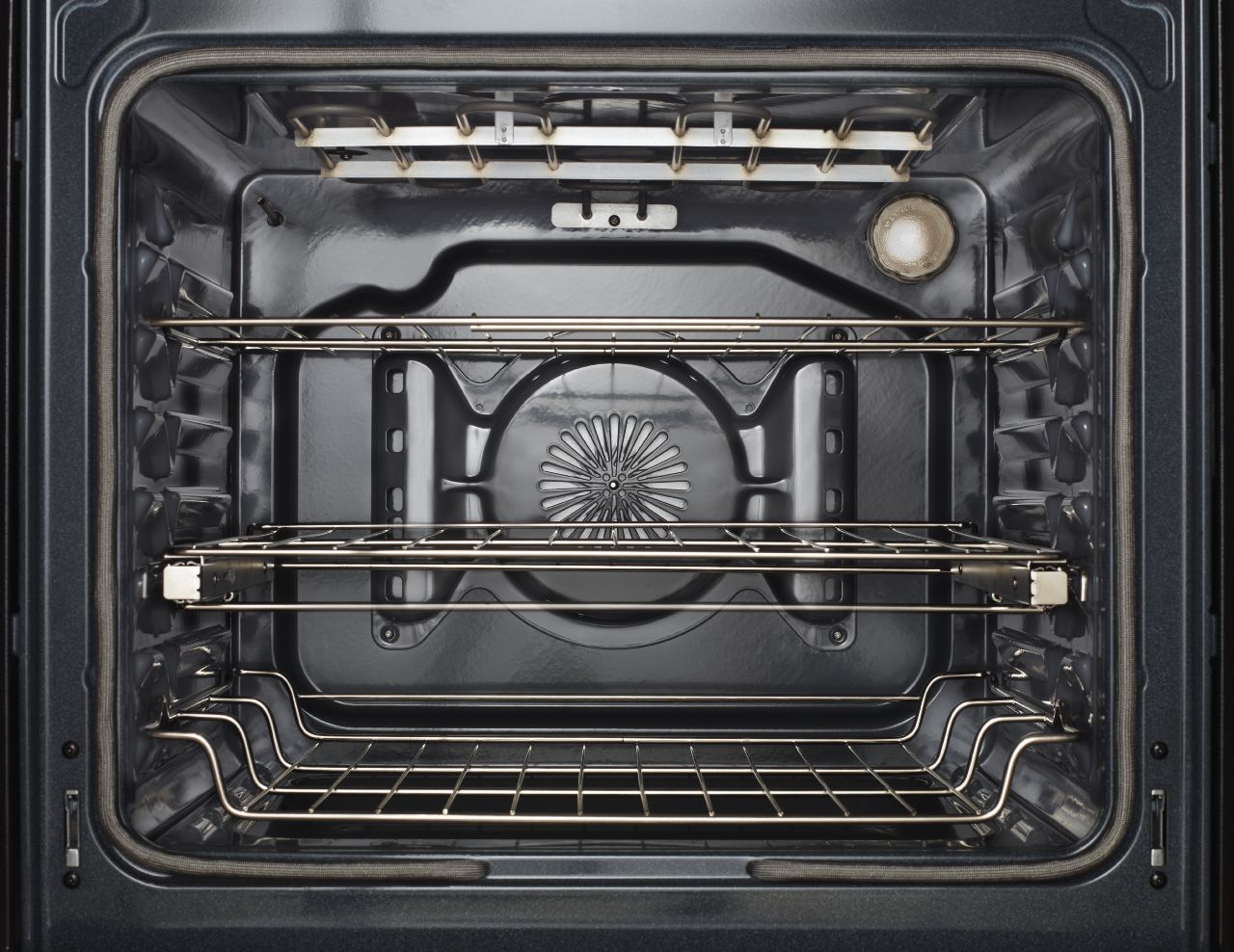
Image Source: danmarcappliance.com
Grasping Normal Oven Sounds
Many noises your oven makes are just part of how it works. You hear them when the oven heats up, cooks, and cools down. Knowing these normal sounds helps you spot sounds that are not normal.
Sounds During Preheating
When your oven gets hot, you might hear different sounds.
* A soft clicking sound is common. Electric ovens use a relay switch that clicks on and off to control the heating element. Gas ovens make a clicking sound as the igniter sparks to light the gas. This is the oven igniter noise.
* You might hear a low hum. This can come from the heating element starting to warm up.
* If your oven has a convection fan, it will start spinning. This fan pushes hot air around. It makes a humming or whirring sound. This is a type of oven fan noise.
These noises usually stop or change once the oven reaches the set temperature. The clicking in electric ovens happens less often as it just keeps the temperature steady. The igniter clicking stops once the gas is lit in gas ovens.
Sounds During Cooking
While cooking, most ovens are pretty quiet.
* The convection fan keeps running if you use that mode. It makes the same humming or whirring noise.
* You might hear clicks from the electric oven’s relay as it cycles on and off.
* In gas ovens, the flame might make a low whooshing sound. The igniter might click again now and then if the flame goes out and relights.
Sounds During Cooling
After you turn the oven off, it still holds a lot of heat. Many modern ovens have a cooling fan. This fan helps push hot air out and pull cooler air in. This protects the control panel parts from getting too hot.
* The cooling fan noise sounds like a fan running. It might hum or whir.
* This fan can run for a long time after you turn the oven off. It keeps going until the oven’s inside parts cool down enough. This is a common oven cooling fan noise.
* You might also hear parts inside the oven ticking or pinging. This is the metal expanding and shrinking as it heats up and cools down. This is normal.
So, some noise is expected. But what if the noise is loud, new, or sounds wrong?
Pinpointing Abnormal Oven Noises
When your oven makes a noise that isn’t part of its normal working sounds, it’s time to look closer. Different types of noises can mean different things are wrong.
Buzzing Sounds
A buzzing oven can be a worry. What causes a buzzing noise?
* Fan Motor: The most common cause of a buzzing sound is the fan motor. This could be the convection fan or the cooling fan. If the motor is old, worn, or has a problem, it might buzz. This is oven fan noise.
* Electrical Parts: Less often, a buzzing sound can come from an electrical part like a transformer or relay. This might sound more like an electrical buzz.
* Loose Wiring: Sometimes, loose wiring vibrating against a metal part can make a buzzing sound.
A light buzzing might be okay for a short time. But a loud or new buzzing sound usually means a part is having trouble.
Clicking Sounds
While some clicking is normal, constant or loud clicking is not.
* Gas Oven Igniter: In a gas oven, the igniter clicks to light the gas. If it clicks for too long without lighting the gas, there’s a problem. The igniter might be bad, or there might be an issue with gas flow. This is oven igniter noise.
* Electric Oven Relays: Electric ovens use relays to turn heating elements on and off. A faulty relay can click loudly or too often.
* Cooling Timer/Thermostat: Some older ovens might have a mechanical timer or thermostat that clicks. If it’s failing, the clicking might change.
* Expanding Metal: As the oven heats, metal parts expand. Sometimes this expansion can cause a loud pop or click. If it only happens once or twice as it heats up, it’s probably normal. If it’s constant, something might be rubbing or stuck.
A constant clicking sound, especially if it’s not followed by the oven heating up (gas or electric), needs checking.
Humming Sounds
A low humming sound can be normal, especially from a fan motor. But a loud or different-sounding hum can signal an issue.
* Fan Motor: Again, the fan motor is a likely source. If the motor bearing is worn or the fan blade is hitting something, the hum can get louder or change pitch. This is a form of humming oven sound and oven fan noise.
* Transformer: Some electrical parts like transformers can make a humming noise. If this noise changes or gets louder, the part might be failing.
* Heating Elements: Very rarely, a failing electric heating element might hum slightly, but this is less common than fan noise.
A consistent, loud humming sound that wasn’t there before suggests the motor or another electrical part needs looking at.
Rattling Sounds
A rattling noise from oven parts usually means something is loose.
* Fan Blade: The fan blade itself can become loose on its motor shaft. As it spins, it rattles. This is a common rattling noise from oven fans.
* Loose Screws or Parts: Screws holding panels or parts inside the oven can loosen over time due to heat and vibration. These loose parts can rattle.
* Oven Racks: Make sure the oven racks are properly seated. Sometimes they can rattle if they aren’t pushed in all the way or if they are warped.
* Pans or Food: Check inside the oven. Are there any pans, foil, or food debris that could be rattling against a fan or other part?
* Bottom Drawer: If your oven has a storage drawer at the bottom, make sure things inside it aren’t vibrating against the oven body.
Rattling is often caused by simple, fixable issues like loose parts or items touching moving parts.
Common Parts Making Noise
Now let’s look at the specific parts inside your oven that are most likely to cause noise problems. Knowing the part helps you narrow down the possible cause.
Oven Fan (Convection or Cooling)
Fans are moving parts, so they often make noise.
* Location: The convection fan is usually at the back of the oven cavity. The cooling fan is often near the top or back, outside the cooking area, often above or behind the oven controls.
* What can go wrong:
* Loose Blade: The fan blade might be loose on the motor shaft. This causes rattling or vibrating.
* Something Stuck: Food, foil, or grease can get stuck in the fan blades. This causes scraping, clicking, or rattling as the blade hits it.
* Worn Motor Bearings: The motor that spins the fan has bearings. If these wear out, the motor can make a loud humming, grinding, or buzzing noise.
* Motor Failure: If the motor itself is failing, it might make loud, strange noises or stop working entirely.
* When it makes noise: This fan noise happens when the fan is running – during convection cooking, preheating (on some models), or cooling down (cooling fan).
Oven Igniter (Gas Ovens)
The igniter is key to lighting the gas flame.
* Location: There’s usually one igniter near the burner tube at the bottom of the oven. Some ovens have a broiler igniter too.
* What can go wrong:
* Weak Igniter: If the igniter is old or weak, it might click for a long time but not get hot enough to light the gas. You hear the clicking oven noise but no flame.
* Dirty Igniter: Grease or food buildup on the igniter can stop it from working right. It might still click but not spark well.
* Gas Supply Problem: If there’s an issue with the gas valve or supply, the igniter will click and click because no gas is coming out to light.
* When it makes noise: This oven igniter noise happens when the oven is trying to light the gas burner. It should click for a few seconds and then the gas should light, and the clicking should stop. Constant clicking means it’s not lighting.
Heating Elements (Electric Ovens)
Electric ovens heat up using elements.
* Location: There’s usually one at the bottom (bake element) and one at the top (broil element) inside the oven.
* What can go wrong:
* Expansion/Contraction: As they heat and cool, they expand and contract, which can cause soft pinging or ticking sounds. This is normal.
* Cracked Element: A damaged element might make unusual sounds, but this is less common. More often, a bad element just won’t heat up.
* Loose Mount: If the element isn’t held tightly, it might vibrate slightly.
* When it makes noise: Mostly during heating and cooling, as they change temperature.
Relays (Electric Ovens)
Relays are electrical switches on a control board.
* Location: Usually located on the main control board, often behind the oven’s control panel or at the back of the range.
* What can go wrong:
* Normal Operation: Relays make a clicking sound when they switch on or off. This is how they control power to the heating elements.
* Faulty Relay: A failing relay might make a louder click, click more often, or buzz.
* When it makes noise: Whenever the oven turns heating elements on or off, especially during preheating or maintaining temperature.
Internal Metal Panels and Cavity
The metal box of the oven itself.
* What can go wrong:
* Expansion/Contraction: Like elements, the metal walls of the oven expand and contract with heat changes. This can cause pops, pings, or ticks. This is normal oven preheating noise and cooling noise.
* Loose Panels: Sometimes, internal panels or liners can become loose. This might cause a rattling noise from oven vibration or fan movement.
* Food/Grease Buildup: Heavy buildup inside can sometimes affect expansion or even touch moving parts.
Most sounds from the oven cavity are normal thermal expansion. Persistent rattling needs checking.
Deciphering Specific Noises & Troubleshooting
Let’s break down troubleshooting oven noise based on the sound you hear. Before you start, always turn off the power to the oven. Either unplug it or shut off the breaker in your home’s electrical panel. Safety first!
Troubleshooting a Buzzing Oven
A buzzing sound often points to a motor or electrical part.
- Step 1: Identify When it Buzzes.
- Is it when the oven is just turned on? Could be a fan or control board.
- Is it only during convection cooking? Probably the convection fan motor.
- Is it after the oven is turned off? Likely the cooling fan motor.
- Is it constant? Could be a faulty electrical component.
- Step 2: Check the Fan(s). (Power OFF!)
- If it buzzes when a fan should be running, check that fan.
- For the convection fan (inside the oven back): Let the oven cool completely. Open the oven door. Remove the fan cover (usually a metal plate held by screws). Look at the fan blade. Is anything touching it? Spin the blade by hand. Does it spin freely? Is it loose on the shaft? If it feels rough or wobbly, the motor bearings might be bad.
- For the cooling fan (location varies, might be accessible from the back or top): Try to access it if possible (check your oven’s manual or look for access panels). Check for obstructions. Try spinning the fan blade by hand (be careful).
- Step 3: Consider Electrical Components.
- If the buzzing is constant or doesn’t seem related to a fan, it might be a transformer or relay. These are harder for a homeowner to check and often require a technician. A strong electrical buzz can be serious.
What to do:
* If you find something stuck in a fan, carefully remove it (Power OFF!).
* If a fan blade is loose, you might be able to tighten the nut holding it (Power OFF!).
* If the motor sounds rough or is making a loud buzz or grind, the motor likely needs replacing. This is a common fix noisy oven task for a professional.
* If you suspect a faulty electrical component (transformer, relay, control board), call a qualified appliance repair technician. Do not try to fix these complex electrical parts yourself.
Troubleshooting a Clicking Oven
Pinpointing clicking depends on if it’s gas or electric, and when it happens.
- Step 1: Is it a Gas Oven trying to light?
- Turn the oven on to bake. Listen to the igniter. Do you hear it clicking rapidly?
- Does it stop clicking after a few seconds, and the flame lights? Normal oven igniter noise.
- Does it click for a long time (more than 10-15 seconds) without the gas lighting? This is a problem.
- Step 2: Check the Gas Igniter. (Power OFF! And turn off the gas supply valve to the oven if possible).
- After it cools, look at the igniter near the bottom burner. It’s a small, glowing rod (when working). Is it visibly cracked or broken? Is it covered in grease or food debris?
- Step 3: Consider Electric Relays. (Power OFF!)
- If you have an electric oven and hear clicking when the heating elements should be on or off, it’s likely a relay. These are on the control board.
- Step 4: Check for Thermal Clicking.
- Does the clicking only happen once or twice as the oven heats up? This is likely normal expansion. Does it happen constantly? Something might be rubbing.
What to do:
* Gas Igniter Not Lighting Gas: Clean the igniter gently if it’s dirty (Power OFF! Gas OFF!). If it still clicks for too long, the igniter is likely weak and needs replacing. This is a common fix for a noisy oven in this case. You can buy igniters and replace them, but ensure you get the correct part for your oven model and are comfortable working with gas appliances. If not, call a technician. Also, check if the gas valve to the oven is fully open.
* Electric Relay Clicking: If you suspect a faulty relay, the entire control board often needs replacing. This is a job for a professional technician.
* Loud or Constant Thermal Clicking: Check for anything inside the oven cavity or on the racks that might be shifting or rubbing as metal heats up.
Troubleshooting a Humming Oven Sound
Humming is often motor-related.
- Step 1: Identify When it Hums.
- Is it when a fan is running? (Convection or cooling fan). Most likely the fan motor.
- Is it constant, even when fans shouldn’t be on? Could be a different electrical part.
- Step 2: Check the Fan Motor(s). (Power OFF!)
- As with buzzing, access the fan(s). Listen closely (once safe) or feel the motor housing for vibration (once cool). A rough or loud hum points to a worn motor bearing or a problem with the motor itself.
- Step 3: Consider Electrical Parts.
- Some transformers hum normally. If the hum is new or much louder, the part might be failing.
What to do:
* If the humming is clearly from a fan motor and is loud or rough, the motor likely needs replacing. This is best done by a professional.
* If you suspect another electrical part, call a technician.
Troubleshooting a Rattling Noise From Oven
Rattling usually means something is loose or hitting something.
- Step 1: Look Inside the Oven. (Power OFF!)
- Are there any pots, pans, or baking sheets left inside? Remove them.
- Are the oven racks properly seated? Push them all the way in.
- Is there foil or anything loose on the oven floor or walls? Remove it.
- Is the fan cover in the back securely attached? Tighten the screws.
- Step 2: Check the Fan Blade. (Power OFF!)
- Let the oven cool. Remove the fan cover. Is the fan blade loose on the shaft? Try to gently move it back and forth or up and down. There should be very little play.
- Spin the fan blade by hand. Does it hit anything as it spins? Look for debris caught in the blades.
- Step 3: Check Loose Panels or Screws. (Power OFF!)
- Look inside the oven cavity for any panels that seem loose. Check screws holding internal parts or the oven liner. Tighten any loose screws you find.
- Check panels on the outside of the oven (back or bottom, access panels) for looseness.
- Step 4: Check the Bottom Drawer.
- Open the storage drawer (if you have one). Is anything rattling inside? Is the drawer itself rattling against the oven frame? Adjust items inside or the drawer’s position.
What to do:
* Remove any foreign objects from inside the oven.
* Make sure racks are in place.
* Tighten any loose screws or panels you can safely access (Power OFF!).
* If the fan blade is loose on the shaft, you might be able to tighten the nut. If the blade is bent or damaged, it might need replacing.
* If the noise persists and you can’t find the source, a professional can help find loose parts or issues inside the oven walls or behind panels.
Steps to Fix Noisy Oven Issues
Once you have an idea of what might be causing the noise, you can decide the next step.
Simple Fixes You Can Try
Many noise problems have easy solutions.
* Remove items from the oven: Pans, racks not seated right, foil, or food debris are common causes of rattling.
* Check the storage drawer: Make sure things inside aren’t vibrating.
* Clean around the fan: (Power OFF!) Carefully remove any debris stuck in the fan blades once the oven is cool.
* Tighten visible screws: (Power OFF!) Check and tighten any loose screws on panels or parts inside the oven cavity you can easily and safely reach.
* Check gas valve: For gas ovens that click but don’t light, make sure the gas supply valve is fully open.
When to Call a Professional
Some oven noises point to problems that need expert help.
* Loud, Grinding, or Persistent Motor Noise: If a fan motor is buzzing, humming loudly, or grinding, it usually needs replacement. This can be tricky.
* Gas Oven Not Lighting: If cleaning the igniter or checking the gas valve doesn’t work, the igniter or gas valve might be bad. Working with gas requires skill and care.
* Electrical Buzzing or Clicking (not normal relay sound): This can mean issues with the control board, transformer, or wiring. These are complex electrical repairs.
* Noise Source is Hard to Reach: Some fans or parts are buried deep inside the oven casing.
* You’re Not Comfortable: If you’re not sure what the noise is, or you don’t feel safe working on your oven, calling a qualified appliance repair technician is always the best choice. They have the right tools and knowledge to diagnose and fix the problem safely.
Don’t ignore loud or unusual noises. They can sometimes be a sign of a bigger problem that could affect the oven’s performance or safety. Troubleshooting oven noise early can save you hassle later.
Table of Common Oven Noises and Causes
| Type of Noise | When it Happens | Likely Cause(s) | What to Check / Do |
|---|---|---|---|
| Buzzing | During use, cooling | Fan motor (convection/cooling), electrical part | Check fan for obstructions, listen to motor. May need part replacement (Pro). |
| Clicking | Preheating (gas), during cooking | Gas igniter (not lighting), electric relay, thermal expansion | Gas: Check igniter/gas supply. Electric: Relay issue (Pro). Thermal: Normal or check for rubbing. |
| Humming | During use, cooling | Fan motor, transformer | Listen to fan motor. May need motor or electrical part replacement (Pro). |
| Rattling | During use, fan running | Loose fan blade, loose parts/screws, objects in oven | Check inside oven, racks, fan blade tightness (Power OFF!), loose screws (Power OFF!). |
| Pinging/Ticking | During heating/cooling | Metal expansion/contraction (Normal) | Usually normal. If loud/constant, check for loose internal panels. |
| Whooshing (Gas) | During cooking (flame on) | Gas burner flame (Normal) | Usually normal. If unusual, could be gas pressure issue (Pro). |
Reading the Signs of Trouble
Beyond the type of noise, pay attention to other signs.
* Does the noise happen all the time or only sometimes?
* Is the oven heating correctly?
* Are foods cooking evenly?
* Are there any error codes on the display?
* Do you smell anything unusual (like gas or burning)?
These extra details can help you or a technician figure out what’s wrong. A noisy oven doesn’t always mean a big problem, but it’s worth investigating. Taking care of minor issues quickly can prevent larger repairs down the road and help fix your noisy oven.
FAQ: Questions About Oven Noise
Q: Is oven fan noise normal?
A: Yes, it is normal for many ovens to have a fan that runs during preheating, convection cooking, and especially during the cooling cycle after you turn the oven off. This oven fan noise helps circulate air or cool down parts.
Q: Why does my oven make a loud humming sound?
A: A loud humming oven sound often comes from a fan motor that is starting to wear out. It could also be from other electrical components like a transformer, but the fan motor is the most common cause of a noticeable hum.
Q: My gas oven makes a clicking noise but won’t light. What’s wrong?
A: This clicking oven noise means the igniter is trying to light the gas, but the flame isn’t starting. The most common reasons are a weak igniter that isn’t getting hot enough, or an issue with the gas supply getting to the burner.
Q: I hear a rattling noise from my oven fan. What could it be?
A: A rattling noise from oven fan is often caused by something loose hitting the fan blade, like food debris, foil, or a loose screw. The fan blade itself might also be loose on its shaft, causing it to wobble and rattle.
Q: My oven makes noise when preheating. Is that okay?
A: Yes, some noise is normal during oven preheating noise. You might hear clicks from relays (electric) or the igniter (gas), and a low hum from heating elements or a fan starting up. Loud or unusual noises during preheating might mean a problem, though.
Q: The cooling fan on my oven is very loud. Is that normal oven cooling fan noise?
A: A cooling fan does make noise, and some can be louder than others depending on the model. However, if the cooling fan noise is suddenly much louder, grinding, or buzzing, the fan motor might be failing or something is stuck in it.
Q: How do I troubleshoot oven noise myself?
A: First, turn off the power to the oven! Then, try to figure out when the noise happens (preheating, cooking, cooling). Listen closely to pinpoint where the sound is coming from. Check inside the oven for obvious issues like loose items or debris around the fan. Based on the type of noise (buzzing, clicking, rattling), you can check the related parts like the fan or igniter if you feel comfortable and it’s safe.
Q: When should I call a technician to fix a noisy oven?
A: You should call a technician if the noise is very loud, persistent, or indicates a problem you can’t fix easily or safely yourself. This includes loud motor noises, issues with gas igniters that won’t light, electrical buzzing, or if you can’t identify the source of the noise. Working with gas and complex electrical parts is best left to professionals.