
Your outdoor air conditioner is loud outside because various parts inside it, like the fan motor, compressor, or even loose debris, can cause noise when they work or if they have a problem. While some noise is normal, a sudden loud sound or an unusual noise from outdoor AC unit often means something needs attention, pointing to a potential outdoor AC unit noise problem.
When the weather gets warm, your air conditioner works hard. It keeps your home cool and comfy. The outside part of your air conditioner unit sits outside your house. This unit makes some sound when it runs. That is normal. But sometimes, the sound gets too loud. Or maybe it makes strange noises you never heard before. A noisy HVAC outdoor unit can be a big worry. It might mean something is wrong. Finding out why your air conditioner is loud is important. It can help you fix a small problem before it becomes a big one. This guide will help you figure out why your air conditioner is so loud outside. We will look at the different reasons for loud AC unit noise. We will also share tips for troubleshooting loud outdoor AC problems safely.
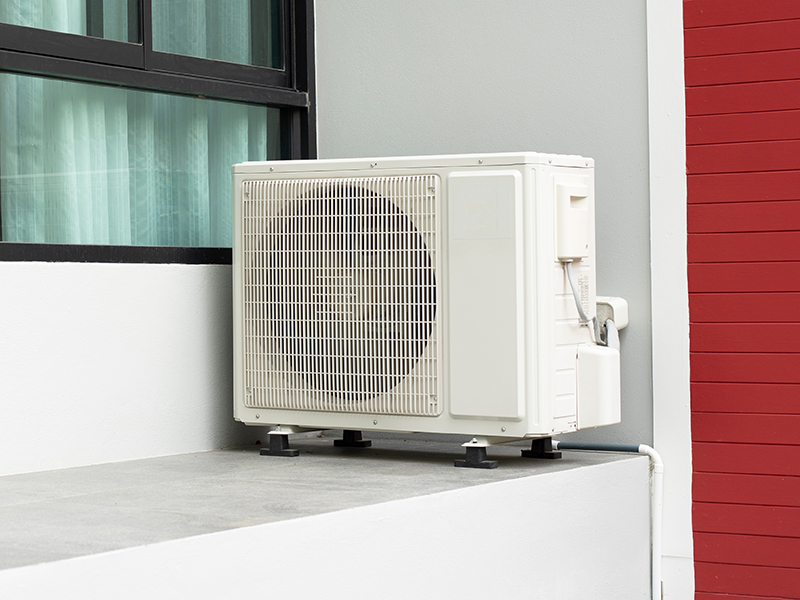
Image Source: davisheatingcooling.com
Learning What Your AC Unit Does
Your outside AC unit is a key part of your cooling system. It has big parts that work together.
- The Compressor: This is like the heart of the system. It pumps the special cooling liquid (refrigerant). This part can make a humming sound. Sometimes, the AC compressor loud hum gets much louder than normal.
- The Fan: There is a big fan on top of the unit. It pulls air in and pushes hot air out. This helps the system work right. The outdoor unit fan making strange noise is a common issue.
- Coils: These are like metal pipes with fins. The hot air goes through them to cool down.
- Cabinet: This is the metal box that holds everything together. Parts inside can vibrate and make noise against the cabinet.
All these parts working together make some sound. But a loud sound is often a sign of trouble.
What Normal AC Noise Sounds Like
Before you worry, know this: outdoor AC units are not totally silent.
- A Gentle Hum: You should hear a low hum when the compressor is running. It is like a steady machine sound.
- Fan Swishing: You will hear the fan blades moving air. It is a swishing or whooshing sound.
- Clicking: You might hear a click when the unit turns on and turns off. This is usually the contactor switch working.
- Bubbling or Hissing: Sometimes, you hear soft sounds inside the lines where the cooling liquid flows. This is usually okay.
These sounds are usually not very loud. You can have a talk nearby without shouting. If your AC is much louder than this, it is time to check things out.
Reasons for Loud AC Unit Noise: What Might Be Wrong
Many things can make your outside AC unit loud. Some are simple fixes. Others need a pro. Let’s look at the common reasons for loud AC unit noise.
Issues with the Fan
The fan is always spinning when the unit is cooling. Problems here often cause noise.
- Loose Fan Blades: The metal blades on the fan can get loose. This happens over time. A loose blade can hit the side of the unit or other parts. This causes a loud rattling sound from AC unit outside. It sounds like something is hitting metal over and over. This is a major outdoor unit fan making strange noise problem. It needs fixing fast.
- Dirt on Fan Blades: If dirt or gunk builds up on the blades, it makes them unbalanced. This makes the fan wobble when it spins. A wobbling fan can make noise. It also wears out the fan motor faster.
- Bad Fan Motor Bearings: The fan motor has parts called bearings. They help the motor spin smoothly. If these bearings go bad, they can make a grinding noise from AC unit outside. It might also sound like a loud squeal or screech. This is a serious outdoor unit fan making strange noise.
- Debris Inside the Unit: Leaves, twigs, or other small things can get into the unit. If these hit the spinning fan blades, they make a loud noise. It can sound like clicking, thumping, or rattling.
Compressor Problems
The compressor is the powerhouse. Problems here often lead to a loud hum or buzz. This is the source of an AC compressor loud hum.
- Failing Compressor: If the compressor is getting old or breaking down, it works harder. This can make the AC compressor loud hum much louder. It might also make other strange sounds. This is often a sign the compressor is failing.
- Loose Parts Inside Compressor: Sometimes, parts inside the compressor become loose. This can cause a loud banging or knocking sound inside the unit.
- Electrical Problems: Issues with the electrical parts that power the compressor can cause a loud buzzing noise from outside air conditioner. This might be a bad capacitor or other wiring issue. A loud buzzing noise from outside air conditioner is a clear sign of an electrical problem. Electrical issues are dangerous. You should never touch electrical parts if you do not know exactly what you are doing.
Loose Parts and Vibrations
The whole unit can vibrate when it runs. If parts are loose, this vibration gets worse and causes noise.
- Loose Panels or Screws: The metal panels that make up the unit’s cabinet can become loose. Screws can loosen over time. This makes the panels rattle or buzz when the unit vibrates. This is a common cause of rattling sound from AC unit outside.
- Loose Fan Motor Mounts: The fan motor is held in place by mounts. If these are loose, the motor can move around. This causes loud rattling and vibration noise.
- Unit Not Level: If the outdoor unit sits on the ground and the ground is not level, the unit can rock or shake. This causes rattling and vibrating sounds. The pad under the unit should be flat and stable.
Refrigerant Issues
The cooling liquid (refrigerant) needs to flow freely. Problems here can also make noise.
- Low Refrigerant: If the system is low on refrigerant, the compressor has to work much harder. This can make it run hot and loud. It can also cause a hissing or bubbling sound in the lines, but sometimes it makes the compressor noise louder.
- Refrigerant Leaks: A leak in the system means refrigerant is escaping. This causes low refrigerant. Leaks can sometimes make a hissing or gurgling sound at the leak spot.
Age and Wear and Tear
Older units are more likely to be noisy. Parts wear out over time.
- Worn Bearings: Motors and fan bearings wear out. As they get older, they can get noisy, causing grinding or squealing.
- Weak Mounts: The rubber or spring mounts that hold parts like the compressor can get weak. This lets the parts vibrate more, making the unit louder.
- Corrosion or Rust: Rust or corrosion on parts can make them stick or move incorrectly, leading to unusual noise from outdoor AC unit.
Troubleshooting Loud Outdoor AC: What You Can Check (Safely!)
Okay, your outdoor unit is making a lot of noise. It is time to do some troubleshooting loud outdoor AC steps. Before you do ANYTHING inside or near the unit, you MUST turn off the power. Find the big shut-off switch near the outdoor unit. It looks like a box on the wall. Flip the switch OFF. Also, turn off the power at your home’s main electrical panel (breaker box). Find the breaker for your AC unit and turn it off. This is for your safety.
Once the power is OFF, and you are sure it is off, you can look closely at the unit.
Step 1: Listen Closely to the Noise
Try to figure out where the noise is coming from and what it sounds like. Is it coming from the top (where the fan is)? Is it coming from the middle or bottom (where the compressor is)?
- Loud Hum/Buzz: Often the compressor area. Might be AC compressor loud hum or buzzing noise from outside air conditioner.
- Rattling/Vibration: Could be anywhere. Check panels, fan area, base of unit. Likely a rattling sound from AC unit outside.
- Grinding/Scraping: Likely the fan area or a motor. Sounds like air conditioner grinding noise outside or outdoor unit fan making strange noise.
- Screeching/High Pitch: Could be a motor bearing or older belt.
Knowing the type of unusual noise from outdoor AC unit helps narrow down the cause.
Step 2: Look for Loose Parts
With the power OFF, gently touch the outer panels of the unit. Are they loose? Can you tighten any screws you see on the outside?
Look at the protective grille or cage around the fan. Is it loose? Is it hitting anything?
Step 3: Check the Fan Area
Look down inside the unit from the top grille. Make sure the power is OFF and the fan is completely still.
- Debris: Do you see leaves, sticks, dirt, or other junk inside? Carefully reach in (or use tongs/gloves) to remove any debris sitting near the fan blades or at the bottom of the unit. Debris hitting the fan is a common outdoor unit fan making strange noise.
- Fan Blades: Look closely at the fan blades. Are they bent? Do any look different from the others? Can you gently wiggle them? They should be firmly attached to the motor shaft. Loose fan blades cause a terrible rattling sound from AC unit outside.
- Fan Motor: Is the fan motor (the part in the middle the blades connect to) mounted securely? Can you see if the motor is wobbling? Do not try to spin the fan by hand.
Step 4: Check the Unit Base
Look at the pad the unit sits on. Is it level? Is the unit rocking or unstable? If the pad is cracked or sinking on one side, it can cause rattling sound from AC unit outside because the whole unit vibrates unevenly.
Step 5: Listen for Other Sounds (After Turning Power Back ON Safely)
If you did not find anything obvious (like debris or very loose panels), you might need to listen while the unit is running. Be very careful. Stay a safe distance away. Listen again. Is the noise constant or does it come and go? Does it only happen when the compressor is running?
- If the loud hum starts right when the compressor kicks on, it points to an AC compressor loud hum issue.
- If the noise is constant whenever the fan spins, it points to an outdoor unit fan making strange noise problem.
Remember: If you are not sure what you are doing, or if the noise sounds dangerous (loud banging, grinding), turn the power off again and call a professional.
When to Call a Professional
Some noises mean you need expert help right away. Do not try to fix these yourself unless you are trained.
- Loud Grinding or Screeching: This often means a motor bearing is bad. This needs a new motor or bearing fix. An air conditioner grinding noise outside is serious.
- Loud Banging or Knocking: This could be serious trouble inside the compressor. The unit might need a new compressor or even a new unit.
- Loud Buzzing: While sometimes a simple electrical part, it involves electricity. A buzzing noise from outside air conditioner should be checked by a pro because of the electrical risk.
- Hissing Sounds Plus Poor Cooling: This could mean you have a refrigerant leak. Only a certified technician can find and fix leaks and add more refrigerant.
- Any Noise After You Checked Safely and Found Nothing Obvious: If you checked for debris and loose panels and the noise is still loud or unusual noise from outdoor AC unit persists, a deeper issue is likely.
A professional HVAC technician knows how to troubleshoot loud outdoor AC units safely and correctly. They have the tools and knowledge to find the exact cause of the noisy HVAC outdoor unit and fix it.
How to Fix Common Noises (Requires Expertise or Caution)
Here is a look at how professionals fix some common noises. Again, many of these fixes need special tools and training. Do not attempt them if you are not qualified.
| Noise Type | Possible Cause | How it’s Fixed (Professional Work) |
|---|---|---|
| Loud Hum (AC compressor loud hum) | Failing compressor | Compressor replacement (expensive, sometimes leads to new unit) |
| Buzzing (buzzing noise from outside air conditioner) | Electrical issue (contactor, capacitor) | Replace the faulty electrical part |
| Rattling (rattling sound from AC unit outside) | Loose panels/screws | Tighten fasteners |
| Loose fan blades | Tighten bolts holding blades to motor shaft; if blades are bent, replace fan blade assembly | |
| Loose fan motor mounts | Tighten mounts; replace motor mounts if damaged | |
| Unit not level | Re-level unit pad or install new pad | |
| Grinding/Scraping (air conditioner grinding noise outside, outdoor unit fan making strange noise) | Bad fan motor bearings | Replace fan motor |
| Debris hitting fan | Remove debris (can be done by homeowner safely after power off) | |
| Screeching | Bad motor bearing | Replace motor |
| Hissing/Gurgling | Refrigerant leak | Find and repair leak, add refrigerant (requires certification) |
| Unusual Noise | Various internal issues | Technician diagnoses specific part failure (e.g., reversing valve issue, clogged line), performs repair |
Fixing Loose Parts
If you found loose panels or screws on the outside cabinet (after turning power OFF!), you can often tighten these yourself with a screwdriver. Make sure not to overtighten, just make them snug.
If the protective grille is rattling, check its fasteners.
Removing Debris
As mentioned, safely removing leaves, grass, or small sticks is something you can do. Power off first! Use gloves to protect your hands.
Addressing Fan Blade Issues
If fan blades are hitting something (like the grille or cabinet), they might be loose, bent, or the motor shaft might be bent. Do not run the unit like this! Loose blades can sometimes be tightened by a pro. Bent blades usually need replacing. A bent motor shaft means the motor needs replacement. This is a task for a technician.
Fixing Motor Problems
Bad motor bearings or a failing motor are common reasons for loud grinding, scraping, or screeching (air conditioner grinding noise outside, outdoor unit fan making strange noise). These motors cannot usually be repaired easily. They are replaced by a professional.
Handling Compressor Noise
A loud hum from the compressor (AC compressor loud hum) can sometimes mean the compressor is failing. There isn’t a simple fix for a dying compressor. It’s a major repair. In older units, the cost of replacing the compressor is often so high that it makes more sense to replace the entire outdoor unit, or even the whole AC system.
If the buzzing noise from outside air conditioner is electrical, a technician can test and replace parts like the capacitor or contactor. This is much cheaper than replacing the compressor.
Leveling the Unit
If the unit pad is unlevel, you might be able to fix it. For small shifts, sometimes adding gravel or a shim under the pad helps. For a cracked or badly sinking pad, a new, level pad might be needed. Make sure the unit is off before trying to move or adjust anything around it.
Preventing Future Noise Problems
Taking care of your outdoor AC unit can help keep it running quietly and well.
- Regular Cleaning: Keep the area around the unit clear. Remove leaves, grass clippings, and other debris regularly. You can also gently spray the outside coils with a hose to clean off dirt. Again, power off the unit first!
- Annual Professional Maintenance: The best way to prevent noisy HVAC outdoor unit problems is to have a technician check it every year. They can clean the coils, check the fan motor, check electrical parts, and look for anything loose or wearing out. They might spot a small issue causing unusual noise from outdoor AC unit before it gets loud.
- Keep Area Clear: Do not let bushes or plants grow too close to the unit. They need space to breathe and work right. This also helps keep debris away from the fan.
- Check for Loose Parts Seasonally: A quick check for loose screws or rattling panels (with power off!) at the start of the cooling season can catch problems early.
Weighing Repair vs. Replace
If your noisy outdoor AC unit is old and making loud, serious noises like grinding (air conditioner grinding noise outside) or a very loud AC compressor loud hum, you might need to think about replacing the unit instead of fixing it.
- Cost of Repair: How much will it cost to fix the problem? Replacing a fan motor is less expensive than replacing a compressor.
- Age of Unit: How old is your unit? AC units typically last 10-15 years. If your unit is near the end of its life, putting money into a big repair might not be wise. A new unit will be more energy efficient and have a warranty.
- Frequency of Problems: Has your unit had many problems lately? If it keeps breaking down, it might be time for a new one.
A technician can help you decide if repairing the noisy HVAC outdoor unit makes sense or if getting a new, quieter, and more efficient unit is the better choice in the long run.
Final Safety Note
Working on appliances like air conditioners can be dangerous, especially because of the high voltage electricity inside. Always turn off the power at both the outdoor disconnect switch and the main electrical panel before doing any inspection or cleaning inside the unit. If you are not comfortable checking inside, or if you find anything that looks broken or loose inside, call a qualified HVAC technician. Do not risk your safety.
Addressing an outdoor AC unit noise problem quickly can save you money and hassle later. Whether it’s a simple rattling sound from AC unit outside or a more serious air conditioner grinding noise outside, getting it checked out is important for keeping your home cool and your system running right.
Frequently Asked Questions About Loud AC Units
h4 Is some noise from my outdoor AC unit normal?
Yes, some noise is normal. You will usually hear a hum from the compressor and air moving from the fan. These sounds should not be very loud or bothersome.
h4 What does a loud buzzing noise from outside air conditioner mean?
A loud buzzing noise often points to an electrical issue. It could be a problem with the contactor switch, capacitor, or wiring. This needs to be checked by a professional as it involves high voltage.
h4 Can I fix a rattling sound from AC unit outside myself?
Maybe. If the rattling is from a loose outer panel or screw, you can often tighten it yourself after turning off the power. If the rattling is coming from inside or sounds like the fan hitting something, turn off the power immediately and call a technician.
h4 My outdoor unit fan making strange noise, like grinding. What should I do?
A grinding noise usually means the fan motor bearings are failing. This is a serious outdoor unit fan making strange noise and requires the fan motor to be replaced. Turn the unit off and call an HVAC technician.
h4 Why is my AC compressor loud hum suddenly much louder?
A sudden loud hum from the compressor can mean the compressor is having trouble. It might be failing or having difficulty starting. This is a significant issue and needs diagnosis by a professional.
h4 How much does it cost to fix a noisy HVAC outdoor unit?
The cost depends a lot on what is causing the noise. Removing debris or tightening a panel is cheap. Replacing a fan motor costs more. Replacing a compressor is very expensive and often leads to buying a new unit. Get a quote from a technician after they diagnose the problem.
h4 Can a noisy outdoor AC unit be dangerous?
Yes. Electrical problems causing buzzing noise are dangerous. Loose fan blades hitting the unit can break and cause damage. A failing compressor can eventually stop working entirely. It is best to address unusual noise from outdoor AC unit quickly.
h4 Will getting my AC unit cleaned make it quieter?
Sometimes, yes. Cleaning debris from inside the unit and cleaning the coils can help the unit run more efficiently. This can reduce stress on parts and potentially lower the noise level, especially if the noise was due to dirt or simple obstructions.
h4 My AC unit is old and very loud. Should I repair it or get a new one?
For an old unit (over 10-15 years) with loud, serious noises (like a bad compressor or motor), replacing the unit is often the better choice. New units are quieter, use less energy, and come with a warranty. Get an estimate for the repair and compare it to the cost of a new unit.