
Is your air conditioner making a strange whistling sound? This noise usually points to a problem with airflow or pressure within your system. Common AC whistling sound causes include air leaks, a very dirty air filter, low refrigerant levels, issues with the blower fan, or a frozen indoor coil. Pinpointing the exact cause is the first step to fixing it.
Nobody likes weird noises coming from their home’s cooling system. A whistle can be annoying, but it can also signal something is not working right. Fixing the problem quickly can save you money and keep your home cool and comfortable. Let’s look at the different reasons your central air conditioner whistling might be happening and how to stop it.
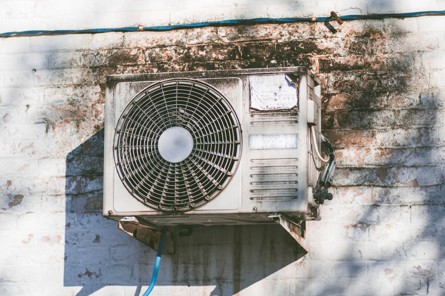
Image Source: www.hurlimanheating.com
Figuring Out the Source of the Whistle
Troubleshooting AC noises can feel tricky. Where is the sound coming from? Is it the indoor unit, the outdoor unit, or somewhere else? Listen closely.
- Indoor Unit: If the sound is near your furnace or air handler, the problem is likely inside your home. This could be the filter, blower motor, or evaporator coil.
- Ductwork: If the sound comes from vents or walls, it might be a leak in your air ducts.
- Outdoor Unit: Whistling from the condenser outside is less common for this specific sound but could point to refrigerant issues or fan problems.
Once you have an idea where the sound is loudest, you can start checking common culprits.
Air Filter Problems
One of the simplest reasons for an air filter whistling sound AC is a very dirty air filter. Think of trying to breathe through a clogged straw. Your AC unit’s blower fan is trying to pull air through a blocked filter. This forces the air that can get through to move very fast through the small openings left. This fast, restricted airflow makes a whistling or sometimes a high-pitched whining noise.
Keeping your air filter clean is one of the most important things you can do for your AC system. A dirty filter hurts how well the unit cools your home and can lead to other problems.
Why a Dirty Filter Whistles:
- Air can’t move freely.
- The blower fan works harder.
- Air squeezes through tiny spaces.
- Fast-moving air creates sound.
How to Check and Fix:
- Find your air filter. It’s usually in the air handler unit (the indoor part) or in a return air vent grill.
- Look at the filter. Is it gray or black with dust and dirt? If yes, it’s dirty.
- Turn off your AC system at the thermostat and the power switch near the unit.
- Remove the old filter.
- Put in a new, clean filter of the correct size and type. Make sure the arrow on the filter points in the direction of the airflow (usually towards the air handler).
- Turn the power and thermostat back on.
Often, putting in a clean filter stops the whistling noise right away. It’s a cheap and easy fix. If the sound stops, you’ve found the problem! Make a note to check your filter monthly and change it when it looks dirty.
Leaky Ductwork
Your air ducts are like tunnels that carry cool air from your AC unit to the rooms in your home and bring warm air back to the unit. If these tunnels have holes, gaps, or poor connections, air can escape or be sucked in where it shouldn’t. This movement of air through small openings under pressure can make a distinct whistling sound. This is a classic cause of leaky ductwork whistling noise.
Leaks often happen at joints where duct sections meet or where ducts connect to vents or the air handler. They can be in your attic, crawl space, basement, or even behind walls and ceilings.
Why Leaky Ducts Whistle:
- Air is pushed out or pulled into holes.
- Pressure differences cause air movement.
- Air squeezing through gaps makes noise.
How to Check (If You Can Safely):
- Turn on your AC system.
- Walk around your home, especially near vents, ceilings, walls, and in areas where ducts run (attic, basement, crawl space).
- Listen carefully for whistling sounds.
- Feel around vents or duct joints for air leaks. You might feel cold air blowing out where it shouldn’t be or warm air being pulled in.
- Look for gaps or disconnected sections in visible ductwork.
Fixing duct leaks can be harder than changing a filter. Small leaks can sometimes be sealed with special metallic tape (not regular duct tape!) or mastic sealant. For bigger leaks or if leaks are hard to reach, you might need a professional. Sealing ducts not only stops noise but also makes your AC more efficient, saving you energy and money.
This is a common part of HVAC system noise troubleshooting.
Low Refrigerant Levels
Your AC system uses a special chemical called refrigerant (like Freon, though newer types are common now) to cool the air. This refrigerant moves through coils and pipes. If there is a leak in the system, the refrigerant level can drop too low. When this happens, the pressure inside the system changes.
Low refrigerant often causes a hissing or bubbling sound, especially near the indoor or outdoor unit. However, sometimes the pressure changes or the way the remaining refrigerant moves through restricted areas can cause a low refrigerant AC noise that sounds like a whistle or a high-pitched whine.
Why Low Refrigerant Can Whistle/Hiss:
- Refrigerant leaking out creates a hissing sound.
- Low pressure changes how refrigerant moves.
- This can lead to unusual flow noises.
Signs of Low Refrigerant:
- Your AC is not cooling well.
- Ice is on the copper lines outside or the coil inside.
- You hear bubbling or hissing sounds.
- Your energy bills go up.
Important: You cannot just “add” refrigerant like you add gas to a car. Adding refrigerant without finding and fixing the leak is a temporary fix and harmful to the environment. Only a certified HVAC technician can legally handle refrigerants.
If you suspect low refrigerant based on these signs or hear a hissing sound (why does my AC hiss?), turn off your AC and call a professional HVAC company. They will find the leak, fix it, and then add the correct amount of refrigerant.
AC Blower Motor Problems
The blower motor is a key part of your indoor AC unit (or furnace). It’s a fan that pulls air from your home, pushes it through the filter and cooling coil, and then sends the cool air back into your rooms through the ducts. If something is wrong with the AC blower motor, it can make strange noises.
While a failing blower motor often makes grinding, squealing, or rattling sounds, issues related to airflow around the motor or the motor housing can sometimes cause a whistling noise. This might happen if the motor is working too hard due to other problems (like a dirty filter or blocked vents) or if there is a small leak near the motor housing.
Why Blower Issues Might Whistle:
- Motor working extra hard due to airflow blockages.
- Air leaks near the motor or its compartment.
- Imbalance could cause vibrations that lead to noise elsewhere.
How to Check (Carefully):
- Listen near your indoor air handler unit. Does the sound seem to come from where the large fan is?
- Check if the fan seems to be running smoothly.
Important: Do not try to fix the blower motor yourself unless you have experience. It involves electrical parts and moving components. If you suspect the blower motor is the cause, it’s best to call a professional.
Frozen Evaporator Coil
The evaporator coil is the part of your indoor AC unit that gets cold and removes heat from the air. Refrigerant flows through it, causing it to become very cold. If airflow over the coil is blocked (by a dirty filter, closed vents, or a weak blower) or if the refrigerant is low, the coil can get too cold and ice can build up on it. This is called a frozen evaporator coil.
A frozen coil can cause several noises, including dripping (as ice melts), clicking, or even a hissing sound. It can also affect airflow in a way that might lead to a whistling noise, similar to a blocked filter, as air is forced around the ice buildup.
Why a Frozen Coil Can Cause Noise:
- Ice blocks airflow.
- Air is forced around the ice.
- This restricted flow can sometimes whistle.
- Melting ice can drip and cause sounds.
Signs of a Frozen Coil:
- Your AC is running but not cooling.
- You see ice on the indoor unit’s pipes or coil (look inside the access panel if you feel safe doing so after turning off power).
- Water leaks around the indoor unit (from melting ice).
- Weak airflow from your vents.
How to Address a Frozen Coil:
- Turn off your AC system immediately. Do not keep running it with a frozen coil; this can damage the compressor.
- Turn on the system’s fan setting (if it’s separate from the cooling) to help melt the ice faster.
- Check your air filter and replace it if dirty.
- Open all supply and return vents in your home. Make sure no furniture or curtains block them.
- Let the coil thaw completely. This can take several hours.
- Once thawed, turn the AC back on.
If the coil freezes again quickly after thawing, the issue is likely why it froze. This could be very low refrigerant (a leak) or a persistent airflow problem. These situations require a professional for proper HVAC system noise troubleshooting and repair. A frozen evaporator coil noise is a red flag that needs attention.
Blocked or Closed Vents
Simple, but often overlooked! If too many supply vents in your home are closed or blocked by furniture, the system gets unbalanced. The blower is still trying to push a certain amount of air, but it has fewer places for that air to go. This increases pressure in the ducts.
Air will then try to find the easiest way out, often through any small gap or crack in the ductwork or around vents. This forcing of air through small openings can cause a whistling sound.
Why Blocked Vents Whistle:
- Air pressure builds in ducts.
- Air escapes through small gaps.
- This creates a whistling noise.
How to Check and Fix:
- Walk around your home.
- Make sure all or most of your supply vents are open. Don’t close more than about 20% of the vents in your house, as this can strain the system.
- Check that furniture, rugs, or curtains are not blocking vents.
- Make sure return air vents (usually larger and located in hallways or central areas) are not blocked either, as these are needed to pull air back into the system.
This quick check might solve your whistling noise if it’s caused by simple airflow restriction from inside the house.
Issues with the Air Handler Cabinet
The air handler is the big box that holds the blower motor, evaporator coil, and filter. It needs to be sealed properly so air only enters through the return duct and leaves through the supply duct.
If there are loose panels, missing screws, or gaps in the cabinet itself, the blower fan’s suction can pull air into the cabinet through these small cracks. Just like leaky ducts, air rushing through small openings under pressure difference causes a whistling sound.
Why Cabinet Leaks Whistle:
- Air is pulled into the unit through gaps.
- This creates whistling or sucking noises.
How to Check:
- Locate your indoor air handler unit.
- Listen closely to the cabinet while the system runs.
- Look for any loose panels, missing screws, or obvious gaps.
Small leaks might be fixed by tightening screws or applying sealant if you are comfortable working near the unit (make sure power is off!). Larger issues might need a technician.
Compressor Issues (Less Common for Whistle)
The compressor is in the outdoor unit. It’s the heart of the AC system, pumping the refrigerant. While a failing compressor can make many loud, alarming noises (grinding, banging, loud buzzing), a high-pitched noise can sometimes come from the compressor or associated valves. However, this is less common for a pure “whistle” and more likely related to refrigerant flow or major mechanical failure.
If the whistling sound seems to come clearly from the outdoor unit and none of the indoor causes fit, it’s definitely time to call a professional. Troubleshooting AC noises from the outdoor unit often requires specialized tools and knowledge.
Summarizing Potential Causes and Solutions
Here’s a quick overview of the common reasons for AC whistling sound causes and what to do.
| Cause | Why it Whistles | How to Check/Fix (Simple Steps) | When to Call a Pro | LSI Keywords Addressed |
|---|---|---|---|---|
| Dirty Air Filter | Air forced through small gaps in clogged filter. | Check and replace filter. | If changing filter doesn’t help. | air filter whistling sound AC |
| Leaky Ductwork | Air escaping/entering through holes/gaps in ducts. | Listen/feel for leaks near vents/ducts. Seal minor visible leaks. | For major leaks or hard-to-reach spots. | leaky ductwork whistling noise, central air conditioner whistling |
| Low Refrigerant | Leaks cause pressure changes and flow noises (often hissing/bubbling, sometimes whistling). | Check for poor cooling, ice, hissing sounds. | Always needed. Only pros can handle refrigerant. | low refrigerant AC noise, why does my AC hiss |
| AC Blower Motor Area Leaks | Air leaks near the blower or its housing. | Listen near the air handler cabinet. Look for gaps. | If leaks are hard to find or fix, or if motor sounds bad. | AC blower motor noise |
| Frozen Evaporator Coil | Ice blocks airflow, forcing air around it. | Look for ice, poor cooling, weak airflow. Thaw the coil. | If it refreezes quickly or you suspect low refrigerant. | frozen evaporator coil noise |
| Blocked/Closed Vents | Increased pressure forces air through small gaps. | Open all vents, unblock them. | If vents are not the issue. | HVAC system noise troubleshooting |
| Air Handler Cabinet Leaks | Air pulled into the cabinet through gaps. | Check cabinet panels for tightness/gaps. Seal minor ones. | For significant leaks or if unsure. | troubleshooting AC noises |
This table helps with troubleshooting AC noises by linking the sound to possible problems and suggesting actions.
Deciphering Hissing vs. Whistling
While this post focuses on whistling, people often confuse it with a hissing sound. A hiss, especially one that sounds like escaping gas, is a strong indicator of a refrigerant leak. The refrigerant, stored under pressure, makes a hissing sound as it escapes through a small hole. As mentioned, this falls under low refrigerant AC noise and requires immediate professional attention.
A whistle tends to be more about air moving rapidly through a restriction or leak in the air path (filter, ducts, cabinet), while a hiss is more typically about pressurized gas (refrigerant) escaping. Knowing the difference can help you describe the issue better when you call a technician.
Grasping the Importance of Regular Maintenance
Many of the causes of whistling sounds – dirty filters, potential duct issues, or even problems that lead to a frozen coil (like poor airflow) – can be prevented or caught early with regular HVAC maintenance.
A technician performing routine service will:
- Check and change your air filter.
- Inspect your ductwork for visible leaks.
- Clean the evaporator coil and outdoor condenser coil.
- Check refrigerant levels (though just checking pressure doesn’t find all leaks, it’s a start).
- Inspect the blower motor and other components.
- Look for air leaks around the air handler.
This kind of proactive care helps keep your system running smoothly, efficiently, and quietly. It addresses potential AC whistling sound causes before they become a major problem.
When to Call a Professional for AC Whistling
While some whistling causes have simple DIY fixes (like changing the filter or opening vents), many require professional help.
You should call an HVAC technician if:
- Changing the filter and opening vents doesn’t stop the noise.
- You suspect a refrigerant leak (hissing sound, poor cooling, ice).
- You find leaks in ductwork that are hard to reach or large.
- You suspect a problem with the blower motor or other internal components.
- The evaporator coil is frozen, and you can’t figure out why or it refreezes.
- You hear the noise but can’t find the source.
- You are not comfortable working on your AC unit.
A trained technician has the right tools and knowledge for HVAC system noise troubleshooting. They can accurately diagnose the problem, whether it’s a stubborn central air conditioner whistling issue or something more complex, and fix it safely and correctly.
Fathoming the Long-Term Effects of Ignoring AC Noises
Ignoring a whistling sound might seem okay if the AC is still cooling somewhat. However, noises are often signs of underlying problems that can get worse over time.
- Dirty Filter/Blocked Vents: Increased strain on the blower motor, potentially leading to early failure. Higher energy bills. Poor cooling.
- Leaky Ductwork: Wasted energy as conditioned air escapes. Higher energy bills. Reduced comfort. Dust and allergens drawn into the system.
- Low Refrigerant: Damage to the compressor, which is very expensive to replace. Poor cooling. Higher energy bills.
- Frozen Coil: Risk of compressor damage. No cooling. Water damage from melting ice.
- Blower Motor Issues: Complete system shutdown if the motor fails. No air circulation.
Addressing AC whistling sound causes promptly can prevent more serious damage and costly repairs down the road. It’s an important part of troubleshooting AC noises to keep your system healthy.
Steps for Basic Troubleshooting AC Noises
Here’s a simple step-by-step guide for homeowners when they first hear a whistling noise:
- Listen Carefully: Where does the sound seem loudest? Indoor unit, outdoor unit, vents?
- Identify the Sound: Is it a clear whistle, a hiss, a whine, or something else? (Focus on whistling/hissing for this guide).
- Check the Filter: Turn off the system, check the air filter. If dirty, replace it. Turn system back on. Did the noise stop?
- Check Vents: Are all or most supply and return vents open and not blocked? Open any closed ones. Turn system back on. Did the noise stop?
- Listen for Hissing/Check for Ice: If it sounds like a hiss or you suspect low refrigerant, look for signs of ice on the indoor coil/pipes. If you see ice or hear a hiss, turn off the AC (fan only is ok) and call a technician.
- Inspect Visible Ducts: Look for obvious gaps or disconnections in any accessible ductwork. Feel for air leaks.
- Check Air Handler Cabinet: Look/listen for leaks around the panels of the indoor unit.
- Note Observations: Write down where the sound was, what it sounded like, and what you’ve already checked. This helps if you need to call a technician.
- Call a Pro: If the simple steps don’t fix the issue, or if you suspect refrigerant problems, blower motor issues, or hidden leaks, call a qualified HVAC professional.
Following these steps covers the most common AC whistling sound causes and helps you decide if you can fix it yourself or need expert help for HVAC system noise troubleshooting.
Frequently Asked Questions (FAQ)
h4> Does a whistling AC always mean something is broken?
Not always. A very slight whistle could sometimes just be the sound of air moving, especially through small grilles. However, a noticeable, new, or loud whistle usually points to an airflow problem or pressure issue that needs checking.
h4> Can I ignore a quiet whistling sound?
It’s not recommended. Even a quiet whistle can be the start of a bigger issue, like a small duct leak or a filter just starting to get clogged. It’s best to do the basic checks (filter, vents) even for a quiet noise. If it continues or gets louder, investigate further or call a pro.
h4> Will changing my air filter stop a whistling noise?
Often, yes! A very dirty filter is one of the most common reasons for an air filter whistling sound AC. It’s the first thing you should check.
h4> Is a hissing sound the same as a whistling sound from my AC?
No, they are usually different. A whistle is often air-related (filter, ducts, cabinet leaks). A hiss, especially one that sounds like escaping gas, is a common sign of a refrigerant leak (why does my AC hiss?), which is a more serious problem that needs a professional immediately.
h4> How can I find leaky ductwork?
You can listen and feel for air leaks near duct connections and vents. Sometimes, using something lightweight like a tissue or smoke pencil near suspected leaks can show air movement. Major leaks often require a professional inspection, sometimes with tools like a duct blaster test. This is part of leaky ductwork whistling noise investigation.
h4> Can a bad AC blower motor cause a whistling noise?
Less commonly, but possible. A problem with the motor itself usually causes grinding or squealing. However, air leaks around the blower motor housing or duct connections right at the air handler caused by motor issues or improper installation could lead to a whistle (AC blower motor noise).
h4> What should I do if my AC coil is frozen?
Turn off the AC’s cooling function immediately. Turn the fan on to help melt the ice. Check and change your air filter. Open all supply and return vents. Once thawed, turn the AC back on. If it refreezes quickly, call a professional, as this often signals low refrigerant or a persistent airflow problem (frozen evaporator coil noise).
h4> When should I call an HVAC technician for whistling?
Call a pro if changing the filter/opening vents doesn’t fix it, if you suspect low refrigerant (hissing, poor cooling, ice), if you have significant or hard-to-find duct leaks, or if you suspect issues with internal parts like the blower motor or coil that you can’t fix yourself. They are experts in HVAC system noise troubleshooting and troubleshooting AC noises.
In Conclusion
A whistling sound from your air conditioner is your system telling you something isn’t right. Most often, it’s a simple airflow problem. Start by checking the easy things: your air filter and your vents. If those aren’t the issue, you might be dealing with duct leaks, a refrigerant leak, or a problem with the blower motor or frozen coil. While some fixes are DIY-friendly, others require the skills and tools of a professional HVAC technician. Addressing the noise quickly helps maintain your system’s performance, prevents bigger problems, and keeps your home perfectly cool.