
Does your car speaker make a strange noise, like something is loose and shaking? You are not alone. Many drivers hear a rattle from their car speakers. Why does a car speaker rattle? It usually happens because something is vibrating that should not be. This can be a part of the speaker itself, like a loose screw, or something near the speaker, like a door panel. Can you fix it yourself? Often, yes! Many rattles are simple fixes you can do at home.
When music plays, your car speakers make sound. They move air very fast. This movement creates vibrations. Usually, you only hear the music. But sometimes, these vibrations shake things that are not tight. This shaking makes the rattle noise you hear.
Finding the source of a rattle can be tricky. Is it the speaker? Is it something else in the car door or dash? Let’s look at the common reasons your car speaker might rattle and how to make it stop.
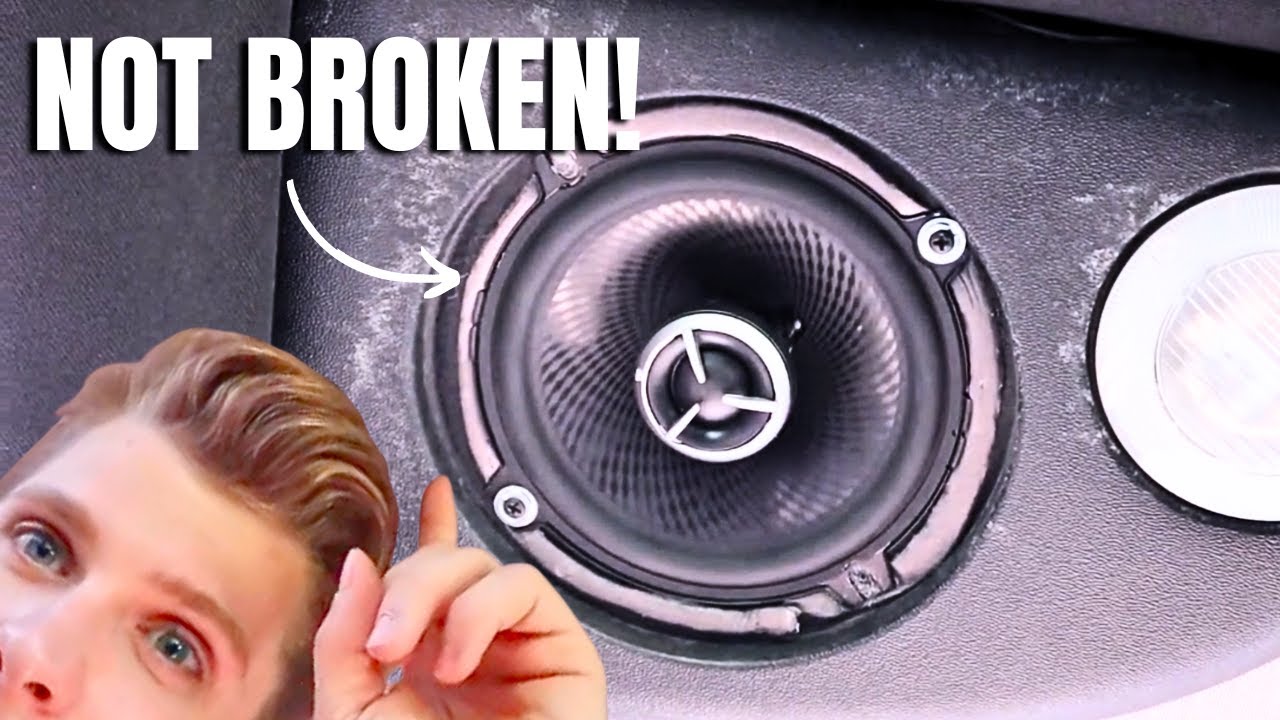
Image Source: i.ytimg.com
Interpreting Speaker Rattle Noises
First, listen closely to the sound. What does it sound like? Where does it come from? Does it sound like a blown car speaker? Or is it more like a loose screw shaking? Does it happen all the time? Or just when the music is loud? Or when the car hits a bump?
Listening carefully helps you find the problem. A rattle is different from car speaker buzzing. Buzzing is often a steady electrical noise. A rattle is a mechanical noise. It’s like something is physically hitting something else quickly.
The rattle might come from the speaker itself. Or it might come from something near the speaker. Both make your music sound bad. And both are annoying!
Deciphering the Sources of Rattle
Many things can cause your car speaker to rattle. We can group them into a few main types.
- Problems with the speaker parts.
- Things near the speaker shaking.
- Issues with how the speaker is put in the car.
- Problems with the music signal or volume.
Let’s look at each one closely.
Loose Parts
This is a very common reason for rattles. Speakers have many parts. They are held in place with screws and clips. Over time, these parts can shake loose.
Loose Speaker Screws
Car speakers are screwed into a panel, often in the door. The car shakes when you drive. This shaking can make the screws that hold the speaker loose. When the speaker moves, these loose screws vibrate. This vibration makes a rattling sound.
Imagine a picture frame on a wall. If the nail is loose, the frame wiggles and taps the wall. It’s similar with a speaker and loose car speaker screws. The speaker vibrates, and the loose screws let it move slightly, causing a rattle.
This is often an easy fix car speaker rattle job. You just need to tighten the screws.
Rattling Car Door Panel
The speaker is mounted in a door or a dash panel. These panels are made of plastic or other materials. They are held onto the car’s metal body with clips and screws. Like speaker screws, these can also get loose.
When the speaker makes sound, it sends vibrations into the door panel. If the panel is loose, it will shake. This shaking is the rattling car door panel noise. It sounds like it’s coming from the speaker area. But it’s actually the panel vibrating against the metal door frame.
You might also hear a rattling car door panel when you close the door hard. Or when you drive on a bumpy road, even without the music on. This tells you the panel itself is loose.
How Panels Get Loose
- Taking the panel off and putting it back on incorrectly.
- Old clips breaking.
- Screws vibrating out over time.
- Damage to the panel itself.
Speaker Grill Rattle
Speakers have a cover over them. This is called a grill. It protects the speaker. The grill is usually plastic or metal mesh. It is clipped or screwed in place.
Sometimes, the speaker grill gets loose. The vibrations from the speaker or the car make the grill shake against its mounting points. This causes a speaker grill rattle.
This is another external rattle. It’s not the speaker’s fault. It’s the cover over it. You can often test for this by gently pressing on the grill while the music is playing. If the rattle stops, the grill is the problem.
Why Grills Rattle
- Broken clips holding the grill.
- The grill bending slightly.
- Dirt or debris trapped under the grill.
- Screws holding the grill coming loose.
Speaker Component Problems
Sometimes the rattle comes from inside the speaker itself. Speaker parts can get old or damaged.
Speaker Cone Damage
The most visible part of a speaker is the cone. It’s the part that moves in and out to make sound. It’s often made of paper, plastic, or fabric. The cone is glued to the speaker’s outer ring (the surround) and its inner motor parts.
The cone moves a lot. If it gets old, poked, or exposed to heat or water, it can get damaged. You might see tears or holes in the cone. Or the edge of the cone might separate from the surround.
When the cone is damaged, it doesn’t move smoothly. It might flap or rub against other parts. This rubbing or flapping causes a rattle or crackle sound. Speaker cone damage is a common reason for speaker problems.
You can usually see speaker cone damage by looking closely at the speaker surface.
Blown Car Speaker
A rattle can be a sign of a blown car speaker. What does “blown” mean? It means the speaker’s internal parts are broken.
The most common part to fail is the voice coil. This is a small wire coil inside the speaker. It moves the cone when electricity from your stereo goes through it. If you give the speaker too much power, or if the signal is bad (car speaker distortion), the voice coil can get too hot and burn.
When the voice coil is damaged or breaks, it can rub against the magnet part of the speaker. This rubbing makes a grinding or rattling sound. A blown car speaker might also sound fuzzy or distorted. Or it might not make any sound at all.
A rattle from a blown car speaker is usually continuous when music is playing, even at low volumes. It might get worse with certain notes or loud parts of songs.
Signs of a Blown Speaker
- Rattling or grinding noise from the speaker.
- No sound from the speaker.
- Very quiet sound.
- Fuzzy or distorted sound (car speaker buzzing or distortion).
Speaker Surround or Spider Problems
The speaker cone is held in place by two flexible parts: the surround and the spider.
- The Surround: This is the outer ring around the cone. It’s often made of foam, rubber, or cloth. It lets the cone move freely but keeps it centered.
- The Spider: This is a wavy fabric part behind the cone. It helps keep the voice coil lined up correctly.
If the surround tears or separates from the cone or frame, the cone can move unevenly. It might rub against the speaker frame or voice coil. This causes a rattle. Foam surrounds can rot over time, especially in hot or wet places.
If the spider detaches or tears, the voice coil won’t stay centered. It will rub against the magnet pole piece. This makes a scraping or rattling sound. This is another sign of internal speaker damage, possibly leading to a blown car speaker.
Installation and Environment Issues
How the speaker is put in the car matters. And the car itself can cause problems.
Poor Installation
If a speaker isn’t installed right, it can rattle.
- Not seated correctly: The speaker frame might not be sitting flat against the mounting surface. This leaves gaps and allows movement.
- Wrong screws: Using screws that are too short, too long, or the wrong type can lead to loose mounting.
- Wires hitting cone: Speaker wires should be tucked away. If they are loose behind the speaker, the cone can hit them as it moves. This makes a tapping or rattling sound.
- Not sealing: Speakers need a good seal against the mounting surface. This helps them sound better and prevents vibrations. If there’s no seal, the speaker can vibrate more, or air leaks can cause noise.
Vibrations from the Car
Your car is full of things that vibrate. The engine, the road, other parts of the car. These vibrations travel through the car’s body.
If a speaker or a panel nearby isn’t secure, the car’s natural vibrations can make it rattle. This is why a rattling car door panel might get louder on a rough road. Even if the speaker itself is fine, external vibrations can cause noise in the speaker area.
Adding sound deadening for car is a way to stop these car vibrations. It puts heavy material on metal surfaces. This stops the metal from shaking easily. It can help reduce rattles from panels and improves sound quality.
Signal and Power Problems
The music signal sent to the speaker also affects how it sounds.
Car Speaker Distortion
When your stereo or amplifier sends a bad signal to the speaker, it causes car speaker distortion. This often sounds fuzzy or harsh. But in some cases, severe distortion can make the speaker rattle.
This happens when the amplifier is pushed too hard. It sends a signal that looks like a square wave instead of a smooth wave. This is called “clipping”. Clipping is very bad for speakers. It makes the speaker cone move in ways it’s not designed for. This can lead to rattle and quickly cause a blown car speaker.
If your speaker rattles only when the music is very loud, it might be distortion or overpowering the speaker.
Overpowering the Speaker
Every speaker can handle a certain amount of power. If you send more power than it can handle, the speaker has to move too much. This can make the cone hit the back of the speaker (bottoming out). Or it can make the voice coil get too hot.
Hitting the back makes a loud pop or rattle. Overheating the voice coil can damage it, leading to a permanent rattle (a blown car speaker).
If the rattle only happens at high volumes or with heavy bass, you might be overpowering the speaker.
Identifying the Source of the Rattle
So many possible causes! How do you find the one causing your rattle? Here are steps you can take.
Step 1: Figure out Which Speaker is Rattling
Play some music. Turn the balance and fader controls on your stereo. Move the sound from left to right, and front to back.
- If you move the sound all the way left, does the rattle stop from the right side?
- Move it all the way right. Does the rattle stop from the left?
- Move sound to the front. Does the rattle stop from the back?
- Move sound to the back. Does the rattle stop from the front?
This helps you figure out which corner or area of the car the rattle is coming from. Is it the front left speaker? The rear right? Knowing the location is the first step to fix car speaker rattle.
Step 2: Pinpoint the Exact Cause
Once you know the area, listen closely.
- Play music with heavy bass at a medium volume. Bass makes things vibrate more.
- Gently press on the speaker grill. Does the rattle change or stop? (Be careful not to press the cone!)
- Gently press on the surrounding door panel. Does the rattle change?
- Try different songs. Does it happen with all music? Or only music with deep bass?
- Does the rattle happen even when the car is not moving? If it only happens while driving, it might be a loose panel or part vibrating from the road. If it happens when parked with music on, it’s more likely the speaker or a panel vibrating from the speaker’s sound.
Step 3: Visual Inspection
If you can, look at the speaker. You might need to take the grill off.
- Look at the speaker cone. Are there any tears or holes (speaker cone damage)? Is it separating from the outer edge?
- Look at the surround (the outer ring). Is it torn? Is it glued down all the way around?
- Look for loose car speaker screws holding the speaker in place.
- Look behind the speaker if possible (this might need taking off the door panel). Are wires loose and touching the cone?
- Look at the panel around the speaker. Does it seem loose?
Taking off a door panel can be tricky. Look up a guide for your specific car model if needed.
Quick Fixes for Car Speaker Rattle
Once you have an idea what is causing the rattle, you can try some fast fixes.
Tighten Loose Screws
If you see loose car speaker screws holding the speaker or the grill, get a screwdriver. Gently tighten the screws. Do not overtighten! You could strip the screw hole or crack the panel. Just make them snug.
If the screws holding the entire rattling car door panel are loose, find and tighten those too. They are often hidden under plastic caps or near the edges of the panel.
Secure Rattling Car Door Panel
If the door panel is loose, you might be able to push it back into place. Find where it feels loose. Sometimes, the plastic clips just need to be pushed back into their holes in the metal door frame.
For a longer-term fix for a rattling car door panel, you might need new clips or to put some soft foam or felt tape where the panel touches the metal. This stops the rubbing that causes the rattle.
Address Speaker Grill Rattle
If pressing the grill stops the rattle, the grill is the problem.
- Check if the grill is fully seated. Push it firmly around the edges.
- If it has screws, tighten them.
- If it has clips, see if any are broken.
- You can put a thin piece of foam tape or felt tape on the back of the grill where it touches the speaker or the panel. This cushions it and stops it from shaking.
Basic Checks for Speaker Cone Damage
If you see a small tear in the cone, you can sometimes make a temporary car speaker repair. Use a small piece of tape (like electrical tape or speaker repair tape) to cover the tear. Make sure the tape is light and doesn’t make the cone too heavy. This is not a perfect fix, but it might stop the rattle for a while. If the damage is bad or the cone is separated, the speaker likely needs replacing.
Reduce Volume and Bass
If the rattle only happens at high volume or with heavy bass, simply turn the music down. Or lower the bass setting on your stereo. This prevents the speaker from moving too much. It can also prevent future car speaker distortion and blown car speaker issues.
More Involved Solutions: Car Speaker Repair
Some rattles need more work than just tightening a screw.
Replacing a Blown Car Speaker
If your testing points to a blown car speaker, the best fix is usually replacement. Car speaker repair for internal voice coil or spider damage is often not practical or worth the cost for standard car speakers.
Replacing a speaker involves:
- Taking off the door panel or dash panel to get to the old speaker.
- Unscrewing the old speaker.
- Disconnecting the wires.
- Connecting wires to the new speaker (you might need a wiring adapter).
- Screwing in the new speaker.
- Putting the panel back on.
Make sure the new speaker fits and can handle the power from your stereo. This is a key part of proper car speaker repair.
Repairing Speaker Cone Damage
While tape can temporarily fix a small tear, significant speaker cone damage or surround separation usually means the speaker is done. There are repair kits for surrounds (re-foaming kits), but they require care and patience. For many car speakers, it’s simpler and cheaper to replace the whole speaker.
Adding Sound Deadening for Car
If you suspect the rattle is from vibrating metal or plastic panels (like a rattling car door panel) and not the speaker itself, adding sound deadening for car material can help a lot.
Sound deadening material is a heavy, sticky mat. You cut pieces and stick them to the flat metal surfaces inside the door panel or trunk. This adds weight and changes the way the metal vibrates. It makes the metal less likely to rattle from speaker sound or road noise.
Adding sound deadening for car is a bigger job. It means taking off panels and carefully applying the material. But it can fix many rattle problems that aren’t the speaker’s fault. It also makes your music sound better by reducing outside noise and preventing panels from “singing” along with the music.
Proper Car Speaker Repair Steps (for installations)
If your rattles started after installing new speakers, check the installation.
- Are the speakers mounted firmly? Are all loose car speaker screws tightened?
- Is there a good seal between the speaker frame and the mounting surface? Use a foam gasket if needed.
- Are the wires tucked away so they don’t touch the cone?
- Are the door panels or dash panels put back on correctly? Are all clips and screws secure?
Sometimes, a poor installation job is the root cause of rattles and other issues like car speaker buzzing. Re-doing the installation carefully can fix car speaker rattle.
Preventing Future Rattle
Once you fix the rattle, you want to keep it from coming back.
- Secure Mounting: Always make sure speakers and panels are tightly secured. Use all the screws and clips.
- Proper Power: Do not play music louder than your speakers can handle. Avoid clipping from your amplifier. If you turn the volume way up and it sounds bad (car speaker distortion), turn it down!
- Use Sound Deadening: If you are installing new speakers, consider adding sound deadening for car at the same time. It prevents rattles from the start and improves performance.
- Check Panels: If you ever have door panels or dash parts removed, make sure they are put back properly and all clips are secure. This stops rattling car door panel issues.
- Inspect Speakers: Every so often, especially if you live in a place with big temperature changes, take a quick look at your speakers. Check for obvious speaker cone damage or loose surrounds.
When to Seek Professional Help
Most simple rattles from loose screws or panels can be fixed yourself. But sometimes, you might need help.
- You can’t find the source of the rattle.
- The rattle is still there after trying simple fixes.
- You need to replace a speaker but don’t feel comfortable taking apart car panels.
- The stereo system is complex (aftermarket amps, etc.).
- The rattle is part of a bigger electrical problem (car speaker buzzing might point to wiring issues).
A car audio shop can diagnose the problem. They have experience finding rattles and doing car speaker repair or replacement the right way.
Table of Common Causes and Fixes
Here is a quick look at common rattle problems and what to do.
| Cause | What it Sounds Like | Quick Check | Fix |
|---|---|---|---|
| Loose speaker screws | Tapping/shaking from speaker location | Wiggle speaker gently | Tighten screws |
| Rattling car door panel | Buzzing/shaking from door, on bumps | Push on panel while music plays | Push clips back in, add foam/felt, tighten panel screws |
| Speaker grill rattle | Shaking from grill surface | Press on grill while music plays | Push grill on, add foam tape under grill, tighten grill screws |
| Speaker cone damage | Flapping, buzzing, rattle from speaker | Look closely at cone | Tape small tear (temporary), replace speaker |
| Blown car speaker | Grinding, rattle, or no sound from speaker | Sound test, visual check | Replace speaker (usually needed) |
| Loose speaker surround | Flapping, rubbing sound from speaker | Look at outer ring of cone | Repair kit (hard) or replace speaker |
| Car speaker distortion | Fuzzy, harsh sound turning into rattle | Listen at high volume | Lower volume/bass, check amp settings |
| Wires hitting cone | Tapping sound | Look behind speaker (if possible) | Tuck wires away |
Frequently Asked Questions
Q: Can a rattle mean my speaker is blown?
A: Yes, a rattle is one sign of a blown car speaker. It often means the inner parts, like the voice coil, are damaged and rubbing.
Q: Why does my car speaker only rattle with bass?
A: Bass makes the speaker cone move the most. If something is loose or slightly damaged, the big movements from bass will make it rattle. This could be a loose screw, a loose panel, or minor speaker cone damage.
Q: Is car speaker buzzing the same as rattling?
A: No, not usually. Buzzing is often a steady noise, like an electrical hum or static. Rattling is a physical shaking or tapping noise. They have different causes, though sometimes a bad voice coil can make both buzzing and rattling sounds.
Q: Can I use glue to fix speaker cone damage?
A: For very small tears, you might use a special flexible glue designed for speakers. Regular glue can make the cone stiff and heavy, which makes the sound worse or causes more problems. Tape is often a better temporary fix. For bigger problems, replace the speaker.
Q: Will sound deadening for car stop speaker rattles?
A: Sound deadening for car helps stop rattles that come from car panels shaking from vibrations (like a rattling car door panel). It won’t fix a rattle coming from a blown car speaker or loose car speaker screws directly on the speaker frame, but it improves the environment the speaker is in.
Q: My speaker sounds fine, but the door rattles. Is that a speaker problem?
A: No, that’s likely a rattling car door panel or something else loose inside the door. The speaker’s vibrations might be causing the panel to shake, but the speaker itself is not broken. Securing the panel or adding sound deadening for car is the fix.
Q: How do I know if my speaker has car speaker distortion?
A: Car speaker distortion sounds harsh, fuzzy, or unclear, especially at high volumes. Instead of smooth music, it sounds rough or clipped. Playing music at this level can cause rattles or blow your speakers.
In Conclusion
A rattling car speaker is annoying. It ruins your music experience. But don’t worry! Most of the time, you can find and fix the problem.
Start by listening carefully to figure out which speaker and what kind of noise it makes. Look for simple things first, like loose car speaker screws or a loose grill (speaker grill rattle). Check for obvious speaker cone damage.
If the rattle is coming from the car itself, like a rattling car door panel, securing the panel or adding sound deadening for car can help a lot.
If the speaker sounds bad and rattles even at low volumes, it might be a blown car speaker needing replacement. Avoid playing music with car speaker distortion to protect your speakers.
By following these steps, you can often fix car speaker rattle yourself. Get back to enjoying clear, rattle-free music on your drives!