
Is your air conditioner making loud sounds? It can be very annoying. More than that, a noisy AC unit often tells you something is wrong. Air conditioner making noise is not normal, especially if the noise is new or very loud. It means your system might need attention. Finding the causes of loud AC sounds quickly can help fix the problem before it gets bigger. This post will tell you why your AC might be loud and what you can do about it.
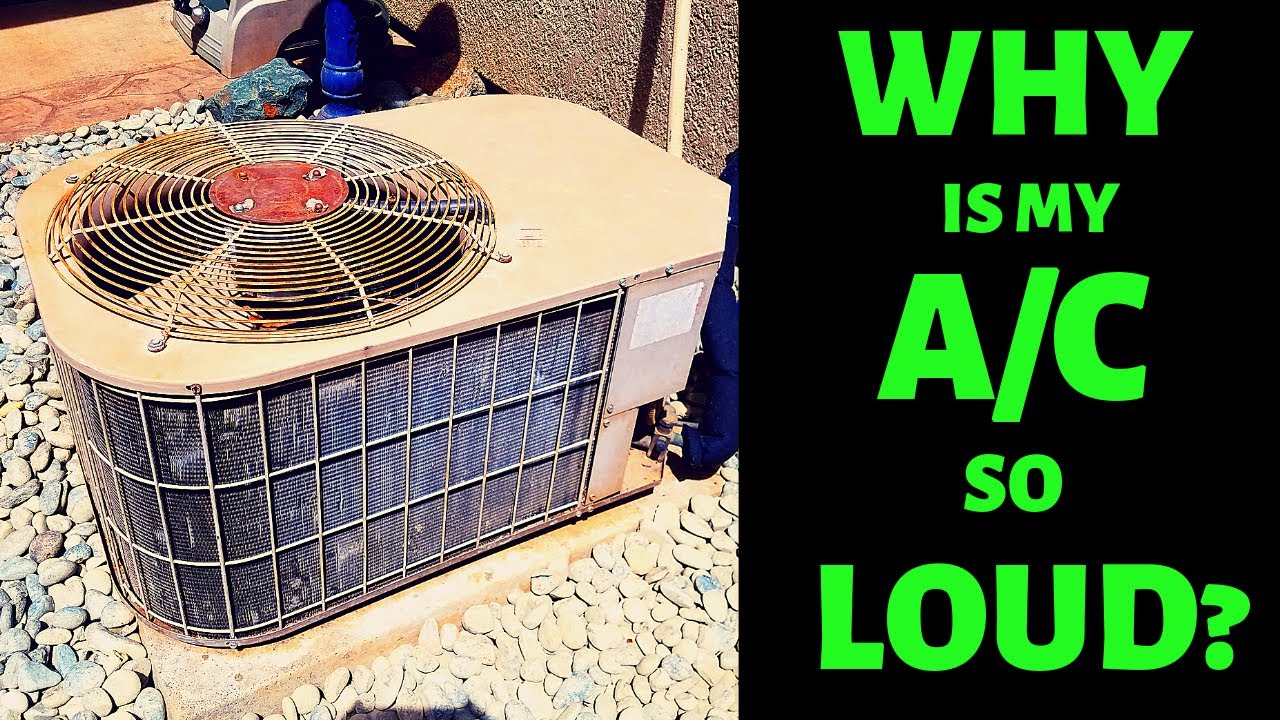
Image Source: i.ytimg.com
Grasping AC Sounds
Air conditioners should make some noise. You hear the air moving. You hear the machine working softly. But loud sounds mean trouble. Different sounds point to different problems. It is like your car telling you something is wrong. Your AC unit does the same thing with sound.
What sounds might you hear?
* Rattling sounds
* Humming sounds
* Banging sounds
* Screeching or whistling sounds
* Clicking sounds
* Buzzing sounds
Each sound can mean a different part is having trouble. Knowing the sound helps you find the cause. This helps you know if you can fix it or if you need help.
Causes of Loud AC Sounds
There are many reasons why your AC unit might be making noise. Some are simple fixes. Some need a pro. Let us look at common causes of loud AC sounds.
Interpreting Rattling Sounds
A rattling AC sound is often caused by something loose. It might be a screw, a panel, or even something that got inside the unit.
What Causes Rattling?
- Loose parts: Screws or bolts on the outside panels can become loose. This makes the metal rattle.
- Debris: Leaves, twigs, small rocks, or trash can get into the outside unit. The fan blades hit these things. This makes a rattling noise.
- Loose fan blades: The large fan in the outside unit has blades. If a blade is loose or bent, it can rattle as it spins.
- Loose ducts: The air travels through metal tubes called ducts. If these ducts are loose where they connect, they can rattle when the air moves.
- Inside unit parts: Sometimes, something is loose inside the unit in your home. This could be near the air filter or inside the machine itself.
A rattling AC sound is one of the more common noises people hear. It is often a simple fix, but you need to be careful.
Understanding Humming Noise AC
A humming noise AC often comes from the electrical parts or the compressor. The compressor is like the heart of your AC system. It pumps the stuff that cools the air.
What Causes Humming?
- Electrical problems: Loose wiring can cause a buzzing or humming sound. Sometimes a part called a contactor is going bad. This part turns the compressor on and off.
- Compressor issues: The compressor motor itself can make a loud hum. This can happen if it is trying to start but cannot (like a car engine trying to turn over but failing). This might be a sign of a bad start capacitor or a bigger problem with the compressor.
- Fan motor problems: The motor for the fan can also hum, especially if it is getting old or has a problem.
- Refrigerant issues: If the AC system has too much or too little refrigerant (the stuff that cools), it can make the compressor work too hard. This can cause a loud hum.
A humming noise AC is often more serious than a rattle. Especially if the hum is very loud or the AC is not cooling well.
Explaining Banging Sound Air Conditioner
A banging sound air conditioner is usually a sign of a serious mechanical problem. This is not a sound to ignore.
What Causes Banging?
- Loose fan blades: If a fan blade is very loose or broken, it can hit the side of the unit as it spins. This makes a loud banging sound.
- Compressor failure: A failing compressor can make loud banging or knocking sounds. This often means the compressor is breaking down. This is a very expensive repair.
- Motor mount issues: The motors in the AC unit (for the fan or compressor) sit on mounts. If these mounts break or become loose, the motor can move around and bang against the unit’s frame.
- Loose parts inside: Any heavy part that has come loose inside the unit can cause banging as things move.
A banging sound air conditioner needs immediate attention. Turn the unit off right away to stop more damage.
Deciphering AC Fan Noise
The fan in your AC unit moves the air. There is a fan in the outside unit and often one in the inside unit. AC fan noise can point to problems with the fan itself.
What Causes Loud Fan Noise?
- Dirty blades: The fan blades can get covered in dirt and grime. This makes them unbalanced. An unbalanced fan shakes and makes loud noise.
- Bad motor bearings: The motor that spins the fan has bearings. If these bearings wear out, they can make a loud grinding or squealing noise. This is part of general air conditioner making noise issues.
- Bent blades: If something hit the fan blades, they can bend. Bent blades are unbalanced and can hit other parts of the unit.
- Loose motor mount: As mentioned earlier, a loose motor mount causes the fan motor to shake and create noise.
Loud AC fan noise can reduce how well your AC works. It can also damage the motor or other parts if not fixed.
Pinpointing Compressor Noise AC
We talked a bit about the compressor already. It is a common source of noise. Compressor noise AC can sound like humming, grinding, or even banging.
What Causes Loud Compressor Noise?
- Starting issues: A weak start capacitor can make the compressor struggle to start. This causes a loud hum or click.
- Overheating: If the compressor gets too hot, it can make loud noises. This might be due to a lack of refrigerant or poor airflow.
- Internal failure: Inside the compressor, there are many moving parts. If these parts break or wear out, they can make grinding, knocking, or banging sounds. This is a major issue.
- Bad mounts: Like fan motors, the compressor sits on mounts. If they are bad, the compressor can vibrate loudly.
Any strange compressor noise AC should be checked by a professional quickly. The compressor is expensive to fix or replace.
Other Noisy AC Unit Sounds
Besides the main sounds, your noisy AC unit might make other sounds.
Other Strange Sounds
- Screeching or Squealing: This often means a belt or motor bearing is going bad. It is a high-pitched, unpleasant sound.
- Clicking: A clicking sound can happen when the unit tries to start but fails. It could be an electrical relay or the start capacitor trying to engage the compressor. It is also normal to hear a click when the unit turns on or off. But constant clicking is bad.
- Hissing: This can mean there is a leak of refrigerant. It sounds like air escaping from a tire. This is bad for the AC and the environment.
- Gurgling or Bubbling: This sound can also mean you have a refrigerant issue. It suggests air or moisture might be in the system, or the refrigerant level is wrong.
- Buzzing: Similar to humming, buzzing can come from electrical parts. Loose wires, relays, or contactors can buzz.
Different noises point to different problems. Listening carefully helps you tell the AC repair loud noise type.
Troubleshooting Noisy AC
So you have a noisy AC unit. What do you do? Troubleshooting noisy AC involves listening, looking, and sometimes simple fixes.
First Steps When Your AC is Loud
- Listen: What kind of noise is it? Where is it coming from? Inside unit or outside unit? When does it happen? Only when starting? All the time?
- Turn Off Power: Before you do anything else, turn off the power to the AC unit. There is usually a switch near the outside unit and at your main electrical panel. Safety first!
- Look at the Outside Unit:
- Is there trash, leaves, or branches on it or inside? Remove any debris carefully.
- Are the panels on the unit tight?
- Can you see the fan blades? Do they look bent or broken? (Do not touch them unless the power is off!)
- Look at the Inside Unit:
- Is the air filter clean? A dirty filter restricts airflow and can make things work harder and louder.
- Are the panels on the unit tight?
Simple steps can help you find simple causes of loud AC sounds.
Simple DIY Fixes for Some Noises
Some noises can be fixed without calling a pro.
Fixing Rattling Sounds
- Remove debris: If you see leaves, twigs, or trash inside the outside unit, carefully reach in and take them out. Use gloves.
- Tighten panels: Find the screws on the outside panels. Use a screwdriver to make sure they are tight.
- Check near inside unit: Look for anything loose near the air filter or return vent.
Fixing Some Fan Noise
- Clean fan blades (outside unit): With power off, you can gently wipe down the fan blades if they are dirty. Be very careful not to bend them.
- Change air filter (inside unit): A clean filter helps the fan move air better.
These are basic troubleshooting noisy AC steps. If the noise is still there, or it sounds more serious, do not try complex repairs yourself.
When to Call for AC Repair Loud Noise
Many loud AC sounds need a trained technician. Do not try to fix these yourself. You could get hurt or damage the unit more.
You Need a Pro If You Hear:
- Banging: This usually means something is seriously broken inside. Turn it off and call for AC repair loud noise help.
- Loud Humming that doesn’t stop: Especially if the unit is not cooling. This points to electrical or compressor problems.
- Screeching or Grinding: This is often a motor bearing failing. It needs to be replaced by a pro.
- Hissing or Gurgling: This suggests a refrigerant leak or problem. Handling refrigerant needs special tools and training.
- Constant Clicking: If the unit clicks repeatedly and doesn’t start, something is wrong with the electrical starting system or the compressor.
- Any noise after simple checks: If you removed debris and tightened panels, but the noise is still there, it is time for a pro.
AC repair loud noise issues can get worse fast. Calling a technician early can save you money compared to waiting for a complete breakdown.
Detailed Look at Specific Causes
Let’s go deeper into some main causes and what they mean for your system.
Comprehending Issues with the Fan System
Both the indoor and outdoor units have fans. The outside unit fan moves air over the coils to release heat. The inside unit fan blows cool air into your home through the ducts. AC fan noise can come from either unit.
Outside Fan Problems
- Motor Bearing Failure: The motor spins the fan. Inside the motor are bearings that help it spin smoothly. When they wear out, they make a grinding, squealing, or screeching sound. The fan might also spin slowly.
- Loose Fan Motor Mounts: If the bolts holding the motor in place are loose, the whole motor can shake violently. This causes loud rattling or banging.
- Bent or Broken Blades: Debris hitting the fan is common. This can bend or break a blade. An unbalanced fan vibrates intensely and makes noise. It can also damage the motor shaft.
- Something Trapped in the Fan Guard: Sometimes a stick or other object gets stuck just outside the fan blades, rubbing against them as they spin.
Addressing loud AC fan noise early prevents bigger problems. A bad fan motor can overheat or cause other parts to fail.
Inside Fan (Blower) Problems
- Dirty Blower Wheel: The fan inside is called the blower wheel. It looks like a hamster wheel. It pulls air from your home through the filter and pushes it into the ducts. If it gets covered in dirt and dust (often from a dirty filter), it becomes unbalanced. This leads to vibrations and noise, sometimes a thumping or rattling sound.
- Bad Blower Motor Bearings: Like the outside fan motor, the indoor blower motor has bearings that can wear out and become noisy.
- Loose Blower Wheel: The blower wheel is attached to the motor shaft. If it comes loose, it can wobble and hit the housing, making a loud banging or thumping noise.
- Obstructions in Air Handler: Sometimes things fall into the air handler unit (where the indoor fan is). This could be loose insulation, small objects, or even rodent nests. These can hit the fan.
Loud AC fan noise from the indoor unit affects airflow. Poor airflow means your home does not cool properly.
Fathoming Compressor and Refrigerant Issues
The compressor is key to cooling. It raises the pressure and temperature of the refrigerant gas. This gas then flows through the coils, releasing heat outside and absorbing it inside. Compressor noise AC problems are often serious.
Problems Causing Compressor Noise
- Start Capacitor Failure: The start capacitor gives the compressor a jolt of electricity to start. If it fails, the compressor tries to start but cannot. This results in a loud, persistent hum or clicking sound. The unit usually won’t cool.
- Run Capacitor Failure: The run capacitor helps the compressor run efficiently. If it fails, the compressor might still run, but it will draw too much power, overheat, and make loud humming or groaning sounds.
- Internal Mechanical Failure: Inside the compressor are pistons or scroll parts that move. If they break or wear out, they can cause grinding, knocking, or banging sounds. This typically means the compressor is ruined.
- Overheating: If the compressor gets too hot, it struggles. This can happen if coils are dirty, airflow is poor, or the system has the wrong amount of refrigerant. Overheating compressors make louder noises.
- Liquid Refrigerant Entering Compressor: The compressor is designed to pump gas, not liquid. If liquid refrigerant gets into the compressor (often due to overcharging the system or other issues), it can cause severe damage and loud knocking sounds (“slugging”).
- Bad Compressor Mounts: Compressors are heavy and vibrate. They sit on mounts to absorb vibration. If the mounts fail, the compressor’s vibration transfers to the unit’s frame, causing loud rattling or humming.
Refrigerant issues like leaks or incorrect charge also stress the compressor, leading to noise. Hissing or gurgling sounds often point to refrigerant problems. These always require a professional.
Investigating Ductwork Noises
Sometimes the noisy AC unit sound is not from the unit itself, but from the ducts that carry the air.
Ductwork Problems Causing Noise
- Expansion and Contraction: When the AC turns on, the air gets cold, and the metal ducts cool down. When it turns off, they warm up. This change in temperature makes the metal expand and contract. This can cause popping or banging sounds, especially when the unit starts or stops. This is often normal, but loud or sudden bangs can be concerning.
- Loose Ducts: If sections of ductwork are not properly joined or supported, the force of the air moving through them can make them rattle or vibrate against building materials.
- Air Leaks: Leaks in the ductwork can sometimes create whistling or hissing sounds as air is pulled in or pushed out.
- Obstructions in Ducts: Objects can sometimes fall into ductwork, or pests can build nests. Air blowing past these obstructions can create whistling or other strange noises.
While not part of the AC machine itself, ductwork noise is often blamed on the noisy AC unit.
Addressing Electrical System Noises
The AC unit has many electrical parts: contactors, relays, capacitors, wiring. Problems here can cause noise.
Electrical Issues Causing Noise
- Contactor Problems: The contactor is a switch that uses a magnetic coil to turn the compressor and outdoor fan on and off. As it ages, the contacts can wear out, causing a loud buzzing or chattering sound when the unit tries to start.
- Loose Wiring: If wires inside the unit are loose, the electrical current can arc (jump across a gap). This can make buzzing or crackling sounds. This is a fire hazard and needs immediate attention.
- Capacitor Issues: As mentioned, start and run capacitors can fail. Besides affecting the motor’s ability to run, a failing capacitor can sometimes bulge or even hiss or pop loudly if it fails suddenly.
Any electrical noise should be treated with extreme caution. Turn off the power immediately and call an AC repair loud noise professional.
Fixes for Loud AC Sounds
Knowing the cause helps determine the fix. Some fixes are easy DIY, others need a pro.
Simple DIY Fixes
We already touched on some simple fixes. Let’s put them together clearly.
Table: Simple AC Noise DIY Checks & Fixes
| Sound Type | Possible Simple Cause | Simple Check/Fix |
|---|---|---|
| Rattling | Loose panels | Check screws on outside unit panels. Tighten them. |
| Rattling | Debris (leaves, sticks) | Turn off power! Look inside outside unit. Carefully remove debris. |
| Rattling/Humming | Loose objects near unit | Look around outside and inside units. Remove anything leaning on or near them. |
| Humming/Buzzing | Loose vent or filter cover | Check that air filter is properly in place and cover is shut tight. |
| Loud Fan (indoor) | Dirty air filter | Check and replace air filter if dirty. |
Always make sure the power to the AC unit is off at the breaker before touching anything inside the unit.
When Professional AC Repair is Needed
For most loud or unusual noises that are not simple rattling from debris, you need professional AC repair loud noise service. Trying to fix complex issues yourself can make things worse and be dangerous.
Issues Requiring Professional Help
- Banging Sounds: Likely a serious mechanical failure (fan blade, compressor).
- Loud, Persistent Humming or Grinding: Often indicates motor or compressor issues.
- Screeching or Squealing: Worn motor bearings.
- Hissing or Gurgling: Refrigerant leak or problem.
- Constant Clicking without Starting: Electrical or compressor start problem.
- Bent or Broken Fan Blades: Needs special tools and knowledge to replace and balance.
- Issues with the Compressor: Always call a pro.
- Electrical Noises (Buzzing, Crackling): Dangerous, requires an electrician or AC tech.
- Noises from the Indoor Unit’s Blower or Motor: Often requires taking the unit apart.
- Sounds after removing simple debris: If the noise is still there after clearing leaves, there is a deeper problem.
A professional technician can quickly find the exact cause of the noisy AC unit. They have the right tools and parts to fix issues safely and correctly. This protects your investment in your AC system.
Preventing Noisy AC Unit Problems
Stopping problems before they start is the best way to deal with a noisy AC unit. Regular maintenance helps keep your system running smoothly and quietly.
Steps for Preventing Loud Noises
- Regular Maintenance: Have a qualified technician inspect and tune up your AC system once a year. This includes cleaning coils, checking refrigerant levels, checking electrical parts, and lubricating motors. This can catch small problems that cause noise before they get bad.
- Change Air Filters: Change your indoor air filter regularly. A clean filter helps airflow and keeps the indoor fan clean and balanced. This prevents many cases of loud AC fan noise indoors.
- Keep Outside Unit Clean: Keep the area around your outdoor unit clear of plants, leaves, grass clippings, and other debris. This stops things from getting pulled into the fan. Gently hose off the outside of the unit to remove dirt from the fins (make sure unit is off!).
- Listen for New Sounds: Pay attention to how your AC normally sounds. If you hear a new noise, check it out early. Troubleshooting noisy AC early can save you money and hassle.
- Check for Loose Panels: Periodically check that the panels on both the indoor and outdoor units are securely fastened.
Prevention is key to avoiding expensive AC repair loud noise issues.
Why Ignoring Loud AC Sounds is Risky
A noisy AC unit is more than just annoying. Ignoring loud sounds can lead to bigger, more expensive problems.
Risks of Ignoring Noise
- More Damage: A small problem, like a bad motor bearing, can cause more parts to wear out or break if not fixed. A bent fan blade can damage the motor.
- Higher Energy Bills: When parts are struggling or unbalanced, the unit has to work harder. This uses more electricity and costs you more money.
- Reduced Cooling: Problems causing noise often mean the unit is not cooling as well as it should.
- Complete Breakdown: Ignoring sounds can lead to a major part, like the compressor, failing completely. Replacing a compressor or the whole unit is very expensive.
- Safety Hazards: Electrical noises like buzzing or crackling are fire risks. Refrigerant leaks are bad for health and the environment.
If you have a noisy AC unit, especially if it is a new or loud noise like a banging sound air conditioner, get it checked.
Summary of Common AC Noises and What They Mean
Here is a quick guide to help you identify the source of your air conditioner making noise.
Table: Common AC Noises and Possible Sources
| Noise Type | Common Source Area | Possible Causes (Simple to Complex) | DIY Fixes? | Need Professional Help? |
|---|---|---|---|---|
| Rattling Sound | Outside unit, Inside unit, Ducts | Loose panels, Debris, Loose screws, Loose ductwork | Yes (basic checks) | If noise persists |
| Humming Noise AC | Outside unit (Compressor, Fan) | Electrical issues (contactor), Compressor trying to start/run, Fan motor | No (beyond basic check) | Yes |
| Banging Sound | Outside unit, Inside unit | Loose/broken fan blade, Loose motor mount, Compressor failure | No | Immediately Yes |
| AC Fan Noise (Loud) | Outside fan, Inside fan | Dirty/unbalanced blades, Bad motor bearings, Loose motor mount | Limited (cleaning) | Yes |
| Compressor Noise AC | Outside unit (Compressor) | Start/run capacitor failure, Overheating, Internal mechanical failure | No | Yes |
| Screeching/Squealing | Motors (Fan, Blower) | Worn motor bearings, Bad belt (rare in modern units) | No | Yes |
| Clicking Sound | Electrical parts, Compressor | Starting/stopping normally (brief), Failing relay/contactor, Compressor try | No (constant clicking) | Yes (constant clicking) |
| Hissing/Gurgling | Refrigerant lines, Coils | Refrigerant leak, Air/moisture in system | No | Yes |
| Buzzing Sound | Electrical parts, Motors | Loose wiring, Bad contactor, Motor issue | No (electrical) | Yes |
| Popping/Banging | Ducts | Duct expansion/contraction | Usually No (unless loose) | If very loud/sudden |
This table gives you a starting point for troubleshooting noisy AC problems.
Frequently Asked Questions (FAQ)
Here are answers to common questions about noisy AC units.
H5 Is it normal for my AC to make some noise?
Yes, some noise is normal. You will hear the sound of air moving and the machinery running softly. But loud, new, or strange noises are not normal and need to be checked.
H5 Can a dirty air filter cause my AC to be loud?
Yes. A very dirty air filter makes the indoor fan work harder and can cause the blower wheel to get dirty and unbalanced. This leads to loud AC fan noise from the indoor unit.
H5 What should I do if I hear a loud banging sound?
Turn off the AC unit immediately at the thermostat and the power switch near the unit or at your breaker box. A banging sound air conditioner often means a serious mechanical failure. Call a professional AC repair loud noise technician right away.
H5 Can I ignore a humming noise from my outside unit?
It is not recommended to ignore a loud humming noise, especially if the unit is not cooling properly. A loud hum often signals an electrical or compressor problem that needs professional attention. Ignoring it can lead to a complete breakdown.
H5 How much does it cost to fix a noisy AC unit?
The cost varies a lot. Simple fixes like removing debris or tightening panels might cost nothing if you do it yourself. Replacing a fan motor might cost a few hundred dollars. Fixing a compressor issue or replacing the compressor can cost over a thousand dollars, sometimes several thousand. Getting it checked early can prevent the most expensive repairs.
H5 How often should I get my AC unit checked to prevent noises?
Most experts recommend getting your AC system inspected and serviced by a professional once a year, usually before the cooling season starts. This helps catch potential noise-causing problems early.
H5 Is a noisy AC unit dangerous?
Some noises can signal dangerous problems, like electrical issues (buzzing, crackling) or refrigerant leaks (hissing). Loud mechanical noises can cause further damage. If you hear a sound that seems risky or signals a major failure (like banging), turn off the unit for safety.
Conclusion
Hearing loud sounds from your air conditioner is a signal. Your noisy AC unit is telling you something is wrong. Whether it is a rattling AC sound from loose parts, a humming noise AC from electrical issues, or a banging sound air conditioner signaling a major problem, paying attention is important.
Troubleshooting noisy AC issues starts with listening to the sound and where it comes from. Simple problems like debris or loose panels can sometimes be fixed yourself after turning off the power. But many loud noises, especially those involving motors, compressors, or electrical parts, need professional AC repair loud noise service.
Ignoring loud noises can lead to more damage, higher energy bills, and costly breakdowns. Regular maintenance is the best way to prevent your air conditioner making noise in the first place. If your AC is loud, act quickly to find the cause and get it fixed.