
When your air conditioner turns on and you smell something burning, it can be scary. You ask, what causes AC burning smell? The burning odor from AC can be caused by several things. Often, it is just dust burning off the heating element or coils. But sometimes, an AC burning smell means a serious problem. This could be an electrical issue like a burning wire, a failing motor, or even a slipping belt. Pinpointing the exact AC burning smell source is important for safety and fixing the unit.
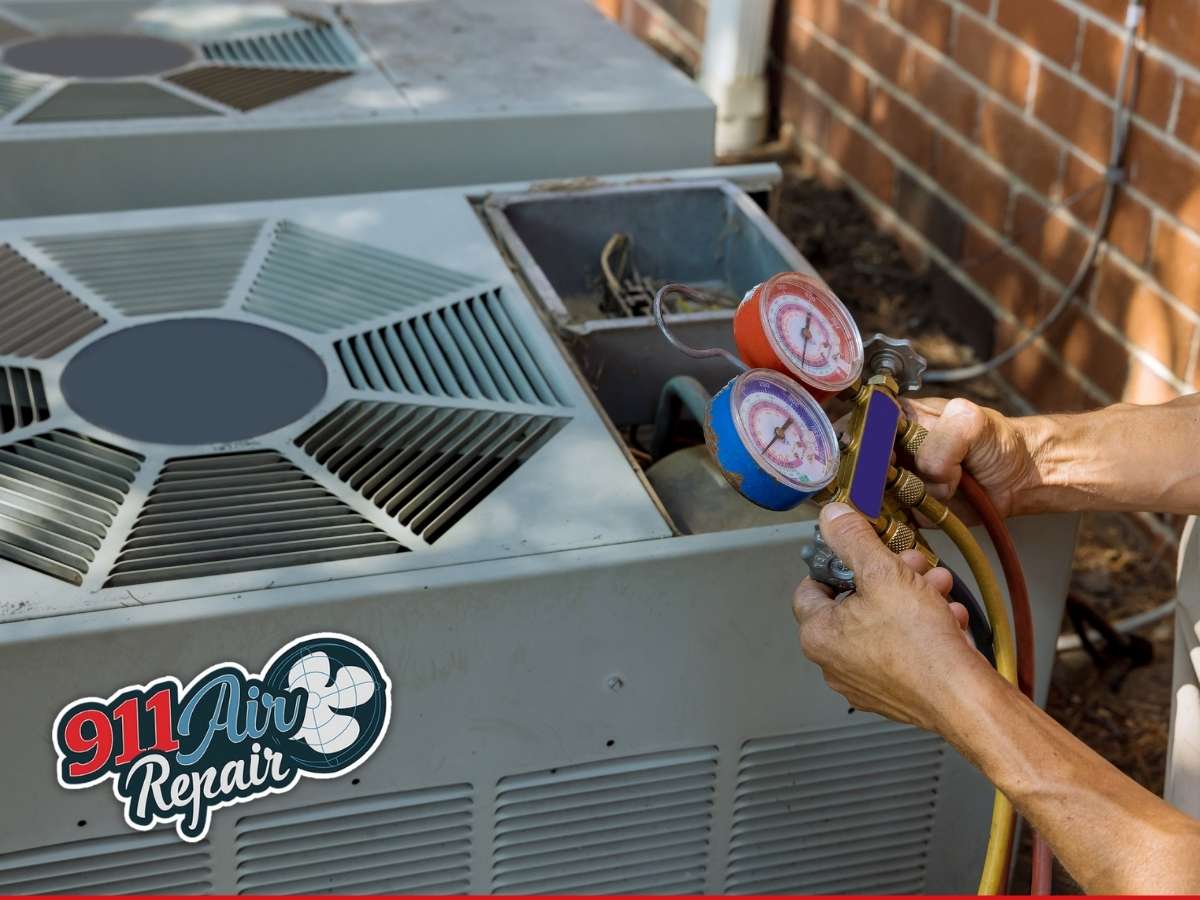
Image Source: www.911-ac.com
Pinpointing the Source of the Burning Odor
You smell a burning odor from AC. What does this mean? Many parts make your air conditioner work. Any one of them could cause the burning smell. Finding out which part is the problem is the first step.
Common Reasons for an AC Burning Smell
There are several usual suspects when you notice an AC burning smell. Some are simple. Some need help from a professional.
- Dust Burning Off: This is often the most common reason for a burning smell when AC starts. Dust builds up on the heating strips inside the air handler. When the AC unit or furnace kicks on, especially the heat, this dust gets hot. It burns off fast. This makes a brief burning odor from AC.
- Electrical Problems: This is more serious. An electrical smell from AC can mean a wire is burning. Or maybe a capacitor is failing. Or a motor is overheating. This type of smell often smells like burning plastic or burning wire. It should not be ignored.
- Motor Issues: The fan motor inside the air handler or the outdoor unit motor can overheat. This happens if they are old, dirty, or failing. An overheating motor can give off a burning smell.
- Belt Problems: Older AC or HVAC systems might use belts to power the fan motor. A belt can slip or wear out. This can cause friction and a burning rubber smell. A breaking belt can also make noise.
- Brakes or Clutches: Some older units have a braking system for the fan. These can wear out. They can create a burning odor.
- Overheated System: The whole system might be working too hard. This can happen if filters are blocked. Or if coils are dirty. The system gets hot. This can cause a burning smell.
Decoding Different Burning Smells
Not all burning smells are the same. The type of smell can help you know the cause. An AC smells like burning plastic is different from an electrical smell from AC that smells like ozone.
Deciphering Specific Smells
Paying close attention to the smell helps. Is it plastic? Rubber? Electrical? Dust?
- Smell like Burning Dust: This usually happens when you first turn on the heat. Or the AC fan after it has been off a while. Dust settles on the heating element or coils. When they get hot, the dust burns off. The smell is short. It goes away fast. This is usually not a big problem.
- Smell like Burning Plastic: This is a bad sign. It points to an electrical issue. Wires are covered in plastic insulation. If a wire is damaged or loose, it can overheat. The plastic insulation burns. This smell needs immediate attention. It could be a fire risk. It could also be a failing part made of plastic, like a capacitor cover.
- Smell like Burning Wire: This is another sign of an electrical problem. It might smell like ozone or a sharp electrical burning smell. This means a wire is getting too hot. It could be loose connections. Or a short circuit. This is dangerous. Turn off the AC right away.
- Smell like Burning Rubber: This often means a belt issue. Belts in older systems can slip. Or they can wear out. Friction makes the rubber smell like it is burning. If you have an older unit with belts, check them.
- Smell like Gunpowder: This smell is also related to electrical parts. It might come from a failing motor. Or a problem with the circuit board. This is serious.
- Musty or Moldy Smell: While not a burning smell, sometimes people confuse smells. A musty smell is usually mold or mildew in the unit or ducts. Not a burning problem.
Knowing the smell type helps you find the problem. It also helps you tell a technician what is happening.
Investigating the Problem: Troubleshooting AC Burning Odor
When you smell burning odor from AC, don’t panic. But act fast. Especially if the smell is strong or smells electrical. Troubleshooting AC burning odor safely is key.
Steps to Take When You Smell Burning
Safety comes first. Always.
- Turn Off the System: The very first thing to do is turn off your AC unit. Turn it off at the thermostat. For electrical smells, go to your breaker box. Find the breaker for your AC unit. Turn it off there too. This stops power to the unit. This is important if it is an electrical smell from AC.
- Listen and Look: If the smell was brief and like dust, wait a bit. Turn the system back on for a minute. Does the smell come back? Is it strong? Does it continue? Listen for strange noises. Look for smoke. If the smell comes back strong or looks like smoke, turn it off again.
- Check the Filter: A blocked air filter makes the system work harder. This can cause parts to overheat. Check your filter. If it is dirty, change it. This is a simple step. But it can prevent many problems. A dirty filter might not cause a burning smell itself. But it stresses the system. Stressed parts can overheat and smell.
- Inspect the Unit (Carefully): If you feel safe, you can look at the indoor and outdoor units. Make sure the power is OFF at the breaker box. Look for signs of burning. See any dark, melted plastic? Any charred wires? Look for loose belts if your system has them. Be very careful. Do not touch anything inside the unit.
- Think About Recent Events: Did you just turn on the AC after a long time? Did you just have repairs done? Did you clean something near the vents? Thinking about recent events can help. Turning on heat for the first time often causes dust burn-off. This is a common burning smell when AC starts or changes mode.
- Note the Smell Type and Location: Where does the smell seem strongest? Near the indoor vents? Near the outdoor unit? Does it smell like burning plastic, wire, or rubber? This info helps figure out the cause.
- Decide if You Need Help: If the smell is electrical, strong, continues, or you see smoke or damage, call an HVAC professional. Electrical problems are dangerous. Do not try to fix them yourself. If the smell was brief and like dust, and did not come back, it might be okay. But it is always good to be sure.
Different Parts, Different Problems
An air conditioning burning smell can come from different places within the system. The system has an indoor unit and an outdoor unit. It also has ductwork.
Inside the House: The Air Handler or Furnace
The indoor unit is often the source of the smell. It might be in a closet, basement, attic, or garage.
- Heat Strips: If you have an electric furnace or a heat pump with backup heat, it has heat strips. These get red hot to make heat. Dust lands on them. The dust burns off when the heat comes on. This is a common source of burning dust smell.
- Blower Motor: This motor pushes air through your ducts. It can overheat if it is failing. Or if airflow is blocked (dirty filter, closed vents). An overheating motor can smell like burning. It might be an electrical smell from AC motor parts.
- Capacitor: The motor needs a capacitor to start and run smoothly. If the capacitor fails, it can overheat. It can swell up. It can smell like burning plastic or electrical burning odor from AC.
- Wiring: Wires connect everything. Loose wires or damaged wires can get hot. They can burn their plastic coating. This causes a burning plastic or burning wire smell. This is a major safety issue.
- Control Board: The main control board manages the system. If it has a fault, parts on the board can burn. This creates a strong electrical smell.
Outside the House: The Condensing Unit
The outdoor unit also has parts that can cause a burning smell.
- Compressor Motor: This is the heart of the AC. It pumps the refrigerant. If it is failing, it can overheat. It can smell like burning motor oil or an electrical smell from AC. Compressor failure is a big repair.
- Fan Motor: The fan on top of the outdoor unit pushes air over the coil. This helps remove heat. Like the indoor motor, it can overheat if it is failing. Or if something blocks the fan blades. It can give off a burning smell.
- Capacitor: The outdoor fan motor and compressor motor have capacitors. If they fail, they can cause a burning smell. Often a burning plastic smell.
- Wiring: Electrical connections are also in the outdoor unit. They can loosen or get damaged. This leads to hot spots and burning wire smells.
- Contactor: This is an electrical switch that turns the outdoor unit on and off. If it goes bad, it can buzz and smell like burning electrical parts.
Getting Help: When to Call an HVAC Professional
Sometimes, you can fix the problem yourself, like changing a dirty filter. But many times, an AC burning smell means you need a pro. An electrical smell from AC is almost always a sign to call for help.
Signs You Need a Technician
Do not wait if you see or smell these things.
- Electrical Smell: If you smell burning plastic, burning wire, or gunpowder.
- Smoke: If you see any smoke coming from the unit or vents.
- Strong, Continuous Smell: If the burning odor from AC does not go away after a few minutes. Or if it gets stronger.
- Strange Noises: If you hear buzzing, grinding, or scraping along with the smell.
- Visible Damage: If you see melted parts or charred wires.
- Burning Smell When AC Starts and Continues: If the smell persists after the initial startup, it is likely more than just dust.
- You Are Unsure: If you do not know what the smell is or where it is coming from. It is best to be safe.
An HVAC burning smell, especially electrical smells, means a risk of fire or further damage. A trained technician can safely find the problem. They can fix it right.
Preventing the AC Burning Smell
Keeping your HVAC system in good shape helps prevent problems like a burning odor from AC. Regular care is key.
Steps for Proper AC Maintenance
Simple steps can save you trouble and money.
- Change Filters Often: This is the easiest and most important step. A clean filter lets air flow freely. This stops the system from working too hard. Change filters based on the type you have and how often you use your AC. Maybe every 1-3 months.
- Keep Vents Open and Clear: Make sure furniture or curtains do not block your air vents. Good airflow is needed.
- Clean Around the Outdoor Unit: Keep plants, grass, and dirt away from the outdoor unit. It needs to breathe. Clean off any leaves or debris on the unit.
- Schedule Professional Tune-Ups: Have an HVAC technician check your system each year. They can clean the coils, check electrical connections, look for worn parts, and make sure motors are running right. They can spot problems before they cause a burning smell when AC starts or runs.
- Check Belts (if applicable): If your system has belts, check them for cracks or wear. This is often part of a professional tune-up.
- Listen to Your System: Pay attention to how your AC sounds and smells when it is running. If something seems off, check it out.
Taking care of your air conditioning system helps it run well. It makes it last longer. It also helps prevent scary issues like an AC burning smell.
Deeper Dive: Specific Components and Their Burning Smells
Let’s look closer at some parts that cause a burning smell. Understanding these helps you grasp the problem better.
Decoding System Components
Each part plays a role. When a part fails, it can give off a specific smell.
- The Blower Motor and Its Smell: The blower motor pushes air. It has windings inside. If these windings overheat, they can smell like burning electrical insulation. The bearings in the motor can also seize. This makes the motor work harder and get hot. It can give off a burning smell. Sometimes the smell is like burning oil if the motor needs lubrication.
- Capacitors and Their distinct Odor: Capacitors store energy. They help motors start and run. A failing capacitor can overheat badly. It might bulge. It can leak fluid that smells bad. The plastic wrapper around it can melt and smell like burning plastic. This is a very common cause of an electrical smell from AC.
- Relays and Contactors: These are electrical switches. They turn parts of the system on and off. If they get dirty or wear out, they can arc (spark) when they make contact. This arcing can burn the plastic housing. It creates a sharp electrical burning smell. The contactor in the outdoor unit is a common place for this.
- Circuit Boards: Modern HVAC systems have electronic circuit boards. If a component on the board fails, like a resistor or capacitor, it can overheat. It can even catch fire on a small scale. This creates a very strong electrical burning odor from AC, sometimes like burning plastic or chemicals.
- Wiring Harnesses: The bundles of wires that run through the unit are called harnesses. Connections can come loose. Wires can get pinched or rubbed raw. This can cause wires to short circuit or overheat. The plastic insulation burns. This is a direct cause of an AC smells like burning wire problem.
- Fan Belts (Older Systems): If your system uses a belt drive for the blower fan, the belt can wear out. It can slip on the pulleys. The friction makes the rubber belt very hot. It smells like burning rubber. This can also happen if the belt is too tight or too loose.
The Danger of Ignoring Burning Smells
Ignoring an HVAC burning smell is risky. Even if it seems small at first.
- Fire Hazard: Electrical smells are a clear fire risk. Overheated wires, motors, or circuit boards can start a fire. This fire can spread fast in ductwork.
- More Damage: A small problem can become a big, expensive repair. For example, a failing capacitor makes a motor work too hard. This can burn out the motor completely.
- Air Quality Issues: Burning materials release bad fumes into your home’s air. This can be harmful to breathe.
It is always safer to turn off the system and check things out. If in doubt, call a professional technician. Troubleshooting AC burning odor needs care and knowledge.
Table of Common Burning Smells and Causes
Here is a simple table to help link the smell to the possible cause.
| Smell Type | Possible Cause(s) | How Serious? | Action Needed |
|---|---|---|---|
| Burning Dust | Dust on heating element or coils (especially at startup) | Low | Usually goes away; monitor |
| Burning Plastic | Failing capacitor, burning wire insulation, melting part | High | Turn off power at breaker; Call pro immediately |
| Burning Wire / Ozone | Electrical connection issue, motor winding, control board | High | Turn off power at breaker; Call pro immediately |
| Burning Rubber | Worn or slipping fan belt (older systems) | Medium | Turn off system; Check belt (if safe) or Call pro |
| Gunpowder / Electrical | Failing motor, control board issue, electrical fault | High | Turn off power at breaker; Call pro immediately |
This table helps summarize what an air conditioning burning smell might mean. Remember, electrical smells (plastic, wire, gunpowder) are always High seriousness.
Wrapping Up: Keeping Your Home Safe
An AC burning smell is a sign your system needs attention. Whether it is a simple dust issue or a serious electrical problem, reacting quickly is important. Don’t just hope the smell goes away. Investigate it safely.
By knowing what causes AC burning smell, you are better prepared. You know to check the simple things first, like the filter. You also know when the smell points to a bigger problem that needs a professional.
Regular maintenance is your best friend here. Keeping your system clean and checked helps prevent many issues. It stops dust from building up. It lets technicians find worn parts before they fail and smell like burning.
If you ever smell burning plastic, burning wire, or any strong electrical smell from AC, turn the unit off immediately. Go to your electrical panel and turn off the breaker for the HVAC system. Then, call a qualified HVAC technician right away. Your safety and the health of your AC system depend on it. Don’t let an AC smells like burning problem turn into something worse. Address that HVAC burning smell head-on.
Frequently Asked Questions About AC Burning Smells
You may have more questions about why your air conditioning burning smell is happening. Here are some common ones.
H4: Is a Burning Smell When AC Starts Always Bad?
Not always. If it is a brief smell like burning dust when you first turn the system on, especially heat, it is often just dust burning off. This usually stops quickly. If the smell continues, gets stronger, or smells electrical, then it is a problem.
H4: Why Does My AC Smell Like Burning Plastic Specifically?
A burning plastic smell is usually a sign of electrical trouble. Wires have plastic insulation. If a wire gets too hot, the plastic burns. This can be caused by loose connections, a short circuit, or a failing electrical part like a capacitor or motor winding overheating. This needs fast attention.
H4: Can a Dirty Filter Cause a Burning Smell?
A dirty filter itself doesn’t usually burn. But it makes your system work much harder to push air. This can cause motors or other parts to overheat. Overheated parts can then give off a burning smell. So, indirectly, yes, a very dirty filter can lead to smells. Change your filter regularly.
H4: My AC Smells Like Burning Wire. What Should I Do First?
Turn off your AC unit right away. Do this at the thermostat. Then, go to your main electrical panel (breaker box). Find the breaker labeled for your AC or HVAC system. Turn it OFF. This cuts power to the unit and is important if you smell burning wire or any electrical smell from AC. Do not turn it back on. Call a professional HVAC technician immediately.
H4: How Can I Prevent AC Burning Smell in the Future?
The best way is regular maintenance. Change your air filter often. Keep the outdoor unit clean. Schedule a professional HVAC tune-up each year. A technician will clean coils, check electrical parts, look for wear and tear, and make sure everything is running safely. This helps catch problems before they cause an AC burning smell.
H4: Is a Burning Smell from the Outdoor Unit as Serious as One from Inside?
Yes. Both units have electrical components and motors that can overheat and cause fires. An electrical smell from AC outdoor unit is just as serious as one from the indoor unit. Turn off the power at the breaker and call a pro.
H4: What Does Troubleshooting AC Burning Odor Involve for a Professional?
A technician will safely inspect your unit. They will check electrical connections, motors, capacitors, belts, and circuit boards. They use tools to measure voltage and current. They look for signs of melting, charring, or wear. They can find the part causing the burning odor from AC and replace it safely.