
Hearing water sounds in your air conditioner can be a little unnerving. Does it mean something is broken? Why do you hear water in your air conditioner? Most times, this sound means the water produced by your AC unit isn’t draining away properly. Your air conditioner naturally makes water, and if that water can’t flow freely through its normal path, it can back up, causing noises like gurgling, sloshing, or dripping. Figuring out the exact cause is the first step to making the noise stop and keeping your system running smoothly.
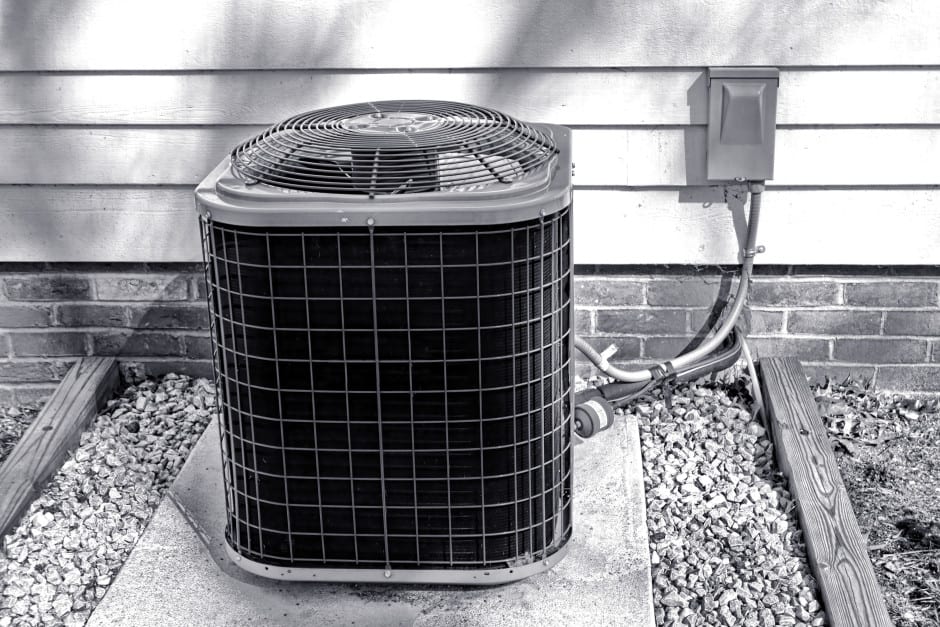
Image Source: www.championac.com
Where the Water Comes From
Air conditioners do not use water to cool your home. They cool the air by removing heat and moisture. This process naturally creates water, which is called condensate.
The Process of Creating Condensate
Your air conditioner works like a cold drink on a hot day. The cold drink gets ‘sweat’ on the outside. This ‘sweat’ is water from the air.
- Cold Coil: Inside your AC system, there is a part called the evaporator coil. This coil gets very cold.
- Warm, Moist Air: Warm air from your home passes over this cold coil.
- Water Forms: When the warm, moist air touches the cold surface, the moisture in the air turns into liquid water. This is condensation. Lots of water can form this way, especially on humid days.
How Water Is Supposed to Leave
Your AC system is built to handle this water.
- Condensate Pan: The water drips off the cold coil into a tray placed underneath it. This tray is called the condensate pan or AC drain pan full.
- Drain Line: From the condensate pan, a pipe carries the water away. This pipe is called the condensate drain line or AC drain line clogged.
- Exit Point: The drain line usually runs downhill and exits the house somewhere outside, often near the foundation or into a specific drain system.
When this system works right, the water flows quietly away, and you never hear it. You might just see a small puddle or slow drip from the pipe outside.
Why You Hear Water Sounds
If you hear sounds like gurgling, dripping inside the unit, or sloshing, it usually points to a problem with the system that handles the water.
The Main Reason: Clogged Drain Line
This is the most common cause of strange water noises in an AC.
- What Happens: Over time, dirt, dust, mold, algae, and even small insects or spiders can build up inside the condensate drain line. This buildup creates a blockage.
- Water Backs Up: When the drain line is blocked, the water from the condensate pan cannot flow out. The water starts to back up in the pan and the pipe.
- Trapped Air and Water: As more water tries to drain but hits the blockage, air can get trapped in the pipe. The sounds you hear, like air conditioner gurgling noise or air conditioner making sloshing sound, happen as water and air try to move past the clog. It’s like the sound you hear when you pour liquid from a bottle too quickly.
- Overflow: If the AC drain line clogged badly enough, the water will fill the condensate pan. Once the AC drain pan full, water will start to overflow from the pan. This can lead to water dripping AC unit sounds inside the house, water stains on ceilings or walls below the unit (if it’s in an attic or upstairs), and potential damage. Many systems have a safety float switch that turns off the AC when the pan is full to prevent water damage, but you’ll still hear the sounds until the power is cut.
Other Possible Causes
While a clogged drain is most likely, other issues can cause water sounds.
-
Frozen Coil Melting: Sometimes the evaporator coil gets too cold and freezes over with ice.
- Why it Freezes: This can happen for several reasons, such as a dirty air filter blocking airflow, a problem with the fan, or low refrigerant levels.
- Melting: When the unit stops running (or if the underlying problem is fixed), the ice on the coil will melt. This creates a much larger amount of water than the system usually handles at once.
- Noise: The sudden rush of water can cause sloshing or dripping sounds as it flows into the pan and tries to go down the drain line. If the drain line isn’t perfectly clear, this large amount of water is more likely to cause a temporary backup and noise, even if it’s not completely blocked. This is the frozen AC coil melting situation.
-
Improper Installation: If the condensate drain line was not installed with a proper downward slope, water won’t flow out correctly. It can pool in sections of the pipe, leading to gurgling or sloshing sounds as the system runs and tries to push water through.
-
Problems with the Condensate Pump: Some AC units (especially in basements where the drain line needs to go up to exit the house) use a small pump to move the water out.
- How it Works: The pump collects water in a small reservoir. When the water reaches a certain level, the pump turns on and pushes the water through the drain line.
- Pump Issues: If this pump is failing, it might make strange noises when it runs, or it might not pump the water out fully, leading to water backing up and causing sounds in the pan area.
-
Issues with the P-Trap: The drain line often has a U-shaped bend, similar to the trap under your sink. This “P-trap” holds a small amount of water. This water barrier stops air from being sucked back into the AC system (which can cause noise) and also prevents insects or sewer gases from entering.
- Dry Trap: If this trap dries out (maybe the AC hasn’t run in a long time or there’s negative pressure), air can get pulled through the drain line, creating a gurgling sound.
- Blocked Trap: The trap itself can also get clogged, just like the rest of the drain line.
Knowing these potential causes is part of AC water noise troubleshooting.
Identifying the Problem Source
pinpointing the exact cause of the water sound helps you know what to do next.
What the Different Sounds Mean
- Gurgling or Bubbling: This is the classic sound of air moving through water in a partially or fully AC drain line clogged. It happens as water tries to push past the blockage, trapping and releasing air bubbles. This is often the first sign of a drain issue.
- Sloshing: This sound suggests there’s a significant amount of standing water somewhere it shouldn’t be, likely the condensate pan or a section of the drain line that isn’t draining. This often goes hand-in-hand with a clogged drain. This is the air conditioner making sloshing sound.
- Water Dripping: Hearing dripping inside the air handler (the indoor part of your AC) usually means the condensate pan is overflowing because the AC drain pan full. The water is literally dripping over the edges of the pan or from the unit itself. This is the water dripping AC unit.
- Water Running (for a short time): If you hear the sound of rushing water only occasionally, perhaps after the unit has been off for a while and then turns back on, it could be a frozen coil melting, sending a rush of water through the system.
Where the Sound is Coming From
Listen closely to figure out if the sound is coming from:
- The Indoor Unit: This is where the coil and condensate pan are. Most water noises come from here.
- The Outdoor Unit: While the outdoor unit also has coils, it doesn’t typically produce condensate water in the same way or volume indoors. Water sounds from outside are less common and might point to different issues (like issues with defrosting in heat pump mode in winter, which isn’t related to the AC cooling cycle water issues we’re discussing). We are focusing on water sound central air, which comes from the indoor system.
Checking for Visible Signs
Look around your indoor AC unit (often in a closet, attic, basement, or garage).
- Look at the Condensate Pan: Is it full of water? Is it overflowing? This is a key sign of a clogged drain line.
- Look for Leaks: Are there puddles around the unit? Are there water stains on the ceiling or walls nearby? Water dripping AC unit outside of the drain line exit is a definite sign of a problem.
- Check the Drain Line Exit: Can you find where the drain line exits your house outside? Is water slowly dripping from it, as it should be when the AC is running? Or is it completely dry? If it’s dry while the AC is running on a humid day, the line is likely blocked.
Fixing the Water Noise
Once you have an idea of the cause, especially if it seems like a clogged drain line, there are steps you can take.
Safety First! Turn Off Power
Before you touch anything on your AC unit, always turn off the power. There is usually a power switch near the indoor unit. Also, turn off the power at the main electrical panel for added safety. This is step one for any AC water noise troubleshooting or repair.
Getting to the Condensate Drain Line
Locate the condensate drain line. It’s usually a PVC pipe (often white or gray) that comes out of the indoor AC unit near the condensate pan. It might have a cap or an opening somewhere along its path indoors, which is a cleanout port.
Clearing a Blocked Drain Line
This is the most common fix for AC drain line clogged.
Step 1: Find the Blockage Spot (or a cleanout)
- Look for a T-shaped vent or a plug somewhere along the pipe near the indoor unit. This is a likely spot to try and clear the clog.
- If you can’t find a cleanout indoors, you’ll work from the outside exit point.
Step 2: Clear the Line Using Simple Methods
You can try a few ways to push or pull the blockage out.
Using a Wet/Dry Vacuum
- What You Need: A wet/dry vacuum (shop vac). A regular vacuum won’t work for water.
- How to Do It:
- Find the drain line exit point outside. It’s usually a small, open pipe near the foundation.
- Place the hose of the wet/dry vacuum tightly over the end of the drain pipe outside. You might need tape or a rag to create a seal.
- Turn on the vacuum for 1-2 minutes. The suction should pull the clog out of the pipe.
- Check the vacuum’s collection tank for water and debris.
- Why it Works: This method pulls the clog backward, which is often easier than pushing it forward.
Using a Stiff Brush or Wire
- What You Need: A thin, stiff brush (like a bottle brush or drain brush) or a piece of stiff wire (like from a coat hanger).
- How to Do It:
- Find an access point. This could be the outside exit or a cleanout port inside near the unit.
- Gently push the brush or wire into the pipe. Twist it as you go.
- Try to break up or pull out any visible debris.
- Do not force it if it meets heavy resistance, as you could damage the pipe.
- Why it Works: This physically breaks up or removes clogs close to the access point.
Flushing the Line
- What You Need: White vinegar or plain water, a funnel.
- How to Do It:
- Find a cleanout port on the drain line indoors. It might be a T-shape with a cap. Remove the cap.
- Place the funnel into the opening.
- Slowly pour about 1/4 cup of white vinegar into the pipe.
- Wait about 30 minutes. The vinegar helps kill mold and algae.
- Follow the vinegar with a cup or two of plain water to flush it through.
- If you don’t have an indoor cleanout, you can try pouring water down the pipe from the outside exit point (though this is less effective against tough clogs).
- Why it Works: Vinegar helps dissolve biological growth (mold and algae) that commonly causes clogs. Flushing with water helps push everything through.
Step 3: Check if it’s Clear
- After trying to clear the clog, pour a cup of water into the cleanout port (if you used one) or into the condensate pan (after making sure it’s empty).
- Go outside and see if water is now dripping freely from the drain line exit.
- If water flows freely, you’ve likely cleared the clog. If not, you may need to try again or use a different method.
These steps cover fixing clogged AC drain line.
Emptying an Overflowing Condensate Pan
If the AC drain pan full and overflowing, you need to empty it before the AC will run normally (especially if there’s a safety switch).
- What You Need: Towels, buckets, or a wet/dry vacuum.
- How to Do It:
- Make sure the power to the unit is OFF.
- Place towels around the base of the unit to catch spills.
- Carefully scoop or bail out the water from the pan into a bucket.
- A wet/dry vacuum can make this much easier and cleaner.
- Once the pan is empty, then proceed with clearing the drain line as described above, because a full pan is almost always caused by a clogged drain.
Dealing with a Frozen Coil
If you suspect the frozen AC coil melting caused the noise (and likely a temporary overflow), the first step is to let the coil completely thaw.
- How to Do It:
- Turn the AC system OFF at the thermostat and the power switch.
- Turn the FAN switch on the thermostat to “ON” (not AUTO). This blows room air over the coil to help it melt faster. Let the fan run for a few hours.
- Place towels in the condensate pan or around the unit if you expect a lot of meltwater.
- While it’s melting, check your air filter. A dirty filter is a common cause of freezing. Replace it if it’s dirty.
- Also, check that supply vents in your home aren’t blocked by furniture or curtains, which can also restrict airflow.
- After Melting: Once the coil is completely thawed (it may take several hours), turn the fan back to AUTO and switch the system back to COOL. Monitor it. If it freezes again, there’s a more serious issue like low refrigerant or a fan motor problem that needs professional help.
Addressing Installation Issues or Pump Problems
If you suspect the drain line isn’t sloped right or if your unit has a condensate pump that seems faulty, these issues are typically best handled by a qualified HVAC technician. They have the tools and knowledge to re-slope pipes or repair/replace pumps.
When to Get Professional Help
While clearing a clogged drain line is often a DIY task, sometimes you need to call in an expert.
Call a Technician If:
- You Can’t Find the Cause: You’ve done the AC water noise troubleshooting steps, checked for clogs, looked for leaks, but you can’t figure out why you’re hearing water.
- You Can’t Clear the Clog: You’ve tried the vacuum, brush, and flushing methods, but the drain line is still blocked, and water isn’t draining. The blockage might be further down the line or very stubborn.
- The Problem Comes Back Quickly: You clear the clog, but the noise and pan overflow return within a few days or weeks. This might mean there’s a persistent issue with algae growth or another underlying problem.
- You Suspect a Frozen Coil and It Refreezes: If your coil keeps freezing even after changing the filter and checking airflow, it likely indicates a more serious mechanical issue like low refrigerant, a compressor problem, or a fan issue.
- You Have a Condensate Pump Issue: These pumps can fail mechanically or electrically and usually need professional repair or replacement.
- The Unit is Hard to Access: If your indoor unit is in a cramped attic, crawl space, or another difficult spot, it might be safer to let a pro handle it.
- You’re Not Comfortable Doing It: It’s perfectly fine to call for help if you’re not confident in performing the steps yourself.
A professional HVAC technician can quickly diagnose the issue, whether it’s a stubborn AC drain line clogged, a problem with the condensate pan, a faulty pump, or something else. They can clear the line effectively, check the system’s overall health, and prevent future problems.
Stopping Future Water Sounds
Once you’ve fixed the problem, taking steps to prevent it from happening again is smart.
Simple Upkeep Tips
Regular, simple maintenance can keep your condensate drain system flowing freely.
- Regular Cleaning: The most effective way to prevent AC drain line clogged is to clean it regularly.
- How Often: Do this every few months during the cooling season, or at least at the start and end of the cooling season.
- How to Do It: Find the cleanout port on the drain line near your indoor unit. Pour about 1/4 cup of undiluted white vinegar into the pipe using a funnel. This helps kill algae, mold, and bacteria that cause blockages. Wait about 30 minutes, then flush with a cup or two of water. If you don’t have an indoor cleanout, you can sometimes pour vinegar cautiously into the main condensate pan drain opening (if accessible and safe), followed by water.
- Change Air Filters: A dirty air filter reduces airflow, which can cause the coil to freeze. When the coil melts, it produces excess water that can overwhelm the drain system and contribute to clogs. Check and change your air filter every 1-3 months, depending on the filter type and how much you use your AC.
- Keep Unit Clean: Keep the area around your indoor and outdoor units clean. Dust and debris from the indoor unit can get into the condensate pan and drain line.
- Ensure Proper Slope: If you have access to the drain line, visually check that it has a continuous downward slope from the unit to the exit point.
By doing these simple things, you greatly reduce the chance of dealing with a condensate pan overflow or air conditioner gurgling noise again.
Putting it All Together
Hearing water sounds in your central air system, whether it’s a water sound central air, air conditioner making sloshing sound, or water dripping AC unit, is usually a clear sign that the water isn’t draining right. The vast majority of the time, it’s due to an AC drain line clogged or the resulting AC drain pan full.
The good news is that clearing a clogged drain is often a straightforward fix you can do yourself with a wet/dry vacuum or some vinegar. However, it’s important to troubleshoot safely by turning off the power and knowing when the problem is beyond a simple fix – like a repeatedly freezing coil or a pump issue – which requires a professional.
Regular cleaning of your drain line and changing your air filter are simple, powerful ways to prevent these annoying and potentially damaging water issues in the future. By taking these steps, you can help ensure your AC runs quietly and effectively, keeping your home cool and dry.
Common Questions About AC Water Sounds
H4: Is a little water noise normal in an AC?
No, you shouldn’t usually hear distinct water sounds like gurgling, sloshing, or dripping from your air conditioner when it’s running properly. A healthy system drains the water away quietly. Hearing these sounds means something is likely preventing the water from draining freely.
H4: Can a clogged AC drain line cause damage?
Yes, definitely. If the AC drain line clogged and the condensate pan overflows (AC drain pan full), the water can leak out of the unit. This can cause significant water damage to walls, ceilings, floors, and furnishings. It can also damage electrical components within the AC unit itself, leading to costly repairs. Many newer units have a safety switch that turns off the AC when the pan is full, which prevents leaks but leaves you without cooling until the drain is cleared.
H4: How often should I clean my AC drain line?
It’s a good idea to clean your condensate drain line at least once or twice a year, ideally at the beginning and end of the cooling season. If you’ve had problems with clogs before, or if your home is particularly dusty or humid, cleaning it every few months during the cooling season is even better preventative maintenance. Pouring vinegar is a simple way to help prevent algae buildup.
H4: What does AC water noise troubleshooting involve?
It means safely checking your system to figure out why you’re hearing water. This includes listening carefully to locate the sound, visually inspecting the condensate pan for water, checking for leaks around the unit, and looking at the drain line exit point outside to see if water is draining. It helps you decide if you have a simple clogged drain or a more complex problem.
H4: What should I do immediately if I hear water dripping inside my AC unit?
The first step is always safety: turn off the power to the unit immediately at the thermostat and the electrical switch. Then, look for signs of an AC drain pan full or water dripping AC unit elsewhere. Place towels or buckets to catch any water. After cutting power, you can then begin checking the drain line for a clog, as this is the most likely cause of dripping inside.
H4: Can a DIY fix for a clogged drain work for any AC unit?
For most standard central air conditioning systems with a gravity drain (where the pipe slopes downwards), the DIY steps like using a wet/dry vacuum or flushing with vinegar are often effective. However, if you have a condensate pump or a complex system, or if you’re uncomfortable, calling a professional is best. The principles of fixing clogged AC drain line are similar, but access points or specific components might differ slightly between units.