
Seeing water droplets form on or around your air conditioner vents, also known as AC vent condensation or air vent dripping water, happens because warm, moist air in your home meets the cold surface of the vent. This causes the water vapor in the air to turn into liquid water, creating moisture on AC vents. This is the same thing that happens when you take a cold drink outside on a hot day; the glass gets wet on the outside. Several factors can make this problem worse, especially high humidity causing vent sweat and issues with how your AC system works or how your ducts are set up.
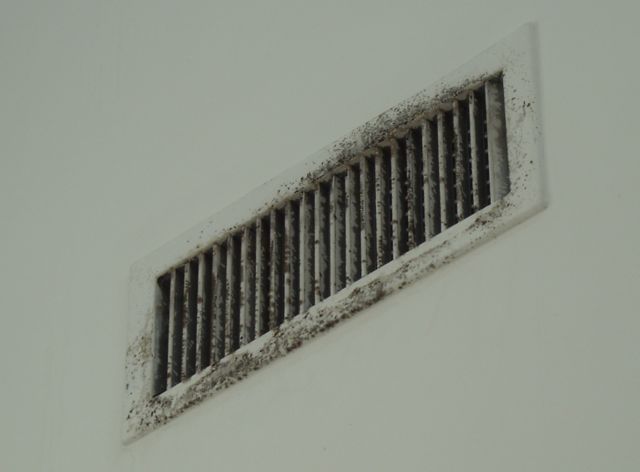
Image Source: www.energyvanguard.com
The Basic Cause: Condensation Explained
Let’s talk about why this happens. It all comes down to something called condensation. Air holds water. How much water it holds depends on how warm it is. Warm air can hold more water than cold air. Think of air like a sponge for water. A warm sponge can soak up a lot of water. A cold sponge can’t soak up as much.
What Happens When Cold Air Hits Warm Air
Your air conditioner cools the air down. This cold air travels through metal ducts. These ducts and the vents attached to them get very cold. The air outside the ductwork and the vents in your home is often much warmer. This warmer air also holds water. When this warm, water-holding air touches the cold surface of the vent or duct, it cools down fast. As it cools, it can’t hold as much water anymore. It has to let go of the extra water. This water then turns from a gas (vapor) into a liquid. It forms tiny drops on the cold surface. That’s the sweat you see. This is why you get AC vent condensation.
The Role of Temperature Differences
The bigger the difference between the temperature of the air inside your home and the temperature of the vent, the more likely you are to see sweat. If your AC is running very cold, and your house air is very warm and humid, the vents will be much colder than the air around them. This makes condensation happen more easily and in larger amounts. A vent that is just a little cool might not sweat at all. A vent that is ice-cold in a hot, steamy room will likely sweat a lot.
Major Reasons for Sweating Vents
While condensation is the direct cause, other things make it happen. These reasons explain why your vents get cold enough, or the air around them is wet enough, for sweat to form.
High Humidity Levels
Humidity is how much water vapor is in the air. High humidity means there is a lot of water in the air, like on a sticky summer day.
Humidity Causing Vent Sweat
When the air has a lot of water in it (high humidity), there is more water available to turn into liquid when the air cools down. If your home has high humidity, the air touching the cold vent has more water to give up. This leads to more moisture on AC vents. Think back to the sponge idea. A wet sponge gives up more water when squeezed than a barely damp one. Humid air is like a very wet sponge.
How High Humidity Affects AC Systems
Your air conditioner does two main jobs: it cools the air, and it takes some moisture out of the air (dehumidifies). However, in very humid conditions, the AC might struggle to remove enough moisture. It cools the air, but the air is still quite humid when it comes out of the vents and is present in the rest of the house. This high humidity around the cold vents is a major reason for them sweating. High humidity and air conditioning systems work together, but too much humidity can overload the system’s ability to dehumidify effectively.
High Humidity and Air Conditioning
Your AC coil gets cold and removes moisture. This moisture usually drains away. But the air that leaves the unit and travels through the ducts still has some moisture. If the starting air is very humid, the leaving air is still humid, just cooler. This cool, still somewhat humid air makes the ducts and vents cold. The warm, humid air outside the ducts and in the room then hits the cold surfaces, causing heavy sweating.
Poor or Missing Duct Insulation
Your air ducts carry cold air from your AC unit to the rooms. These ducts should be covered in insulation.
Insulation on AC Ducts Matters
Insulation is like a blanket for your ducts. It helps keep the cold air inside the duct cold and stops the warmer air outside the duct from touching the cold surface of the duct itself. This stops the cold from reaching the outer surface where it can meet the room air. If the ducts are in a warm, humid space like an attic or crawl space, insulation is super important. Good insulation on AC ducts keeps the duct surface temperature closer to the air temperature outside the duct, preventing condensation.
Why Bare Ducts Sweat
If ducts are not insulated, or the insulation is old, damaged, or missing, the cold air inside makes the metal duct surface very cold. This cold surface then cools the warm, humid air around it, causing it to sweat heavily. This sweat can then drip down the ducts, onto ceilings, walls, or pool around the vents, leading to air vent dripping water. The same thing applies right at the vent connected to the end of the duct. If the duct connection right behind the vent is not insulated, that cold spot can cause the vent itself to sweat.
Very Cold Air Blowing Out
Sometimes, the air coming out of your vents is extremely cold.
How Cold Air Makes Vents Sweat
If your AC unit is set to a very low temperature, or if there is a problem causing the air to get too cold (like low refrigerant), the vents become colder than usual. A colder surface is even more likely to cause condensation when it meets warm, humid air. It forces the air to drop more of its water. This can cause more moisture on AC vents than usual. While cold air is the goal, extremely cold vents are more prone to sweating.
Air Leaks Around Vents
Air doesn’t just come out of the vent. Sometimes, warm air from the room can get behind the vent cover and touch the very cold metal duct or vent box right there.
Warm Air Sneaking In
If the vent cover isn’t sealed tightly against the ceiling or wall, warm, humid room air can sneak into the space behind it. This space contains the cold duct or vent connection. When the warm air hits that cold surface, it condenses. The water then drips out from the edges of the vent cover. Sealing these small gaps around the vent with caulk or foam tape can help prevent this particular type of sweating.
Issues with the AC System Itself
Sometimes, the sweating vent is a symptom of a problem with your AC system.
Low Refrigerant or Dirty Coils
If your AC system has low refrigerant, or if the evaporator coil (the part that gets cold) is very dirty, the coil might get too cold. This can cause the air passing over it to also get too cold, or the system might not remove humidity well. Both of these issues can lead to colder ducts and vents, increasing the chance of AC vent condensation. Low airflow due to dirty filters or blocked ducts can also make the coil too cold and cause issues further down the line at the vents.
Different Vents, Same Problem?
You have different types of vents in your home’s AC system. The main ones are supply vents and return vents.
Supply Vent Sweating (Most Common Spot)
Supply vents are where the cool, conditioned air blows into your rooms. The metal or plastic of these vents gets very cold because of the cold air passing through them constantly. These are the most common places to see AC vent condensation. Since they are actively blowing cold air, their surface temperature is much lower than the room air temperature, especially near the edges where the cold air exits. This is why supply vent sweating is a frequent issue.
Cold Air Return Vent Condensation (Less Common, But Possible)
Return vents are where your AC system pulls air out of the rooms to be cooled again. They usually don’t carry cold air. So, seeing cold air return vent condensation is less common. However, it can happen if:
* The return duct is very close to a cold supply duct or AC unit, and the cold seeps through.
* There are major air leaks that allow cold air from the supply side to mix with the return air near the vent.
* The return duct itself is uninsulated and running through a very cold space while the house air is warm and humid.
In most cases, if you see a vent sweating, it’s a supply vent. But don’t ignore condensation on a return vent; it often points to a less common but fixable issue.
Problems Caused by Sweating Vents
While a little bit of moisture now and then might not seem like a big deal, ongoing or heavy vent sweating can lead to serious problems in your home.
Water Damage Risks
Water dripping from vents doesn’t just make a mess. It can cause real damage over time.
Damage to Ceilings and Walls
If your vents are in the ceiling, dripping water will fall onto the ceiling tiles or drywall. This can cause:
* Water stains (ugly brown or yellow marks).
* Sagging ceiling material.
* Weakening of the ceiling structure.
* Damage to paint or wallpaper on walls below ceiling vents.
If vents are in walls, the water can run down inside the wall cavity, causing damage there too.
Damage to Flooring
Water dripping onto hardwood floors, carpets, or even laminate flooring can cause damage.
* Hardwood can warp, buckle, or stain.
* Carpet can get wet, stay damp, and develop odors.
* Laminate flooring can swell and separate.
Constant moisture can ruin finishes and require costly repairs.
Mold Growth
Damp surfaces are perfect places for mold to grow. Sweating vents create damp spots.
Mold on AC Vents and Ducts
Water on the vent surface, the ceiling or wall around it, and even inside the ductwork provides the moisture mold needs to grow. You might see black, green, or white fuzzy stuff on the vent cover, the ceiling around it, or even smell a musty odor coming from the vent. Mold can grow inside the ducts too, which is a bigger problem. Finding mold on AC vents or nearby surfaces is a strong sign that you have a moisture issue like vent sweat that needs fixing.
Health Concerns from Mold
Breathing in mold spores can cause health problems. For some people, it causes allergic reactions like sneezing, itching, or watery eyes. For others, especially those with asthma or weakened immune systems, mold can trigger more serious respiratory issues. Kids and older adults can be more sensitive. Nobody wants mold growing where the air they breathe comes from.
Wasted Energy
Sweating vents can also mean you are wasting energy.
* If vents are sweating because of poor duct insulation (insulation on AC ducts is lacking), you are losing cold air into unconditioned spaces (like attics). Your AC has to run longer to cool your home, using more electricity.
* High humidity forces your AC to work harder to remove moisture.
* Any air leaks contributing to the problem mean you’re paying to cool air that is escaping or letting warm air sneak in.
Preventing Vent Condensation
The good news is that you can often prevent or greatly reduce vent sweating. It involves dealing with the reasons we just talked about. Preventing vent condensation is key to avoiding damage and mold.
Controlling Indoor Humidity
Managing the amount of moisture in the air inside your home is one of the most effective ways to stop vents from sweating due to humidity causing vent sweat.
Using Dehumidifiers
In humid climates or during humid seasons, a portable or whole-house dehumidifier can make a big difference. A dehumidifier removes excess moisture from the air, lowering the overall humidity level in your home. When the air holds less water, there is less water available to condense on cold surfaces like your AC vents. This directly reduces moisture on AC vents.
Proper Ventilation
Sometimes humidity builds up from things like showering, cooking, or drying clothes indoors. Make sure exhaust fans in bathrooms and kitchens are used properly and vent outside. Ensure your clothes dryer vents outside and the vent isn’t blocked. Fresh air ventilation can help, but be careful in very humid weather – you might need to manage how much humid outside air you let in.
Improving Duct Insulation
Making sure your ductwork is properly insulated is critical, especially if ducts run through hot attics, cold basements, or crawl spaces.
Adding or Repairing Insulation on AC Ducts
Check your accessible ductwork. Is it wrapped in insulation? Is the insulation in good shape? It should be thick enough for your climate and installed correctly with seams sealed. If insulation is missing, falling off, or damaged, it needs to be repaired or replaced. Properly installed insulation on AC ducts keeps the duct surface warm enough so that it doesn’t get cold enough to cause condensation on the outside when it meets warmer air.
Sealing Air Leaks
Check where duct sections connect to each other and where they connect to the vent box behind the register. These joints should be sealed with special mastic tape or compound (not regular duct tape, which fails over time). Also, check the seal between the vent box and the ceiling or wall material. Use caulk or foam tape to seal any gaps around the edges of the vent cover where it meets the wall or ceiling. This stops warm, humid room air from getting behind the vent cover and condensing on the cold surfaces there. This helps in preventing vent condensation right at the source.
Checking Your AC System
Ensure your air conditioning system is working right.
Regular Maintenance is Key
Have your AC system checked by a professional every year. They will clean the coils, check refrigerant levels, and make sure the system is running efficiently. A well-maintained system cools and dehumidifies properly, reducing the risk of issues like overly cold coils or poor humidity removal that can contribute to vent sweat and high humidity and air conditioning problems.
Ensuring Proper Airflow
Make sure air can flow freely through your system.
* Change your air filter regularly (check it every month). A clogged filter blocks airflow, can make the evaporator coil too cold, and reduces the system’s ability to dehumidify.
* Make sure supply and return vents aren’t blocked by furniture, curtains, or rugs.
* Check that internal dampers in ducts (if you have them) are open correctly. Poor airflow can contribute to supply vent sweating.
Insulating the Vents Themselves
Even with good duct insulation and sealed connections, the metal or plastic vent cover itself gets cold from the air blowing through it.
Using Foam Tape or Covers
You can add a layer of insulation directly to the back of the vent cover or around the neck of the vent where it connects to the duct. Foam insulation tape (like weather stripping) can be applied to the back edges of the vent cover to help create a thermal break and seal it against the surface. Some people also use rigid foam board cut to fit just inside the duct neck or behind the vent cover. This helps keep the surface of the vent cover warmer and less likely to sweat when it meets room air. This is a direct way of preventing vent condensation on the visible part of the system.
Fixing Vents That Are Already Sweating
If you have vents that are currently sweating, here’s what to do.
Drying the Area
First, clean and dry the areas that are wet. Use towels to wipe up any pooled water. You might need to use fans or a dehumidifier to help dry out damp spots on the ceiling, walls, or floor. Make sure the vent cover itself is dry.
Cleaning Mold (If Present)
If you see any mold growth, you need to clean it safely. For small areas of surface mold on non-porous materials like the vent cover, you can often clean it with a solution of detergent and water, or a mild bleach solution (1 cup bleach in a gallon of water). Never mix bleach with ammonia or other cleaners. Wear gloves and eye protection. If the mold is extensive, inside the ductwork, or on porous materials like drywall, it’s best to call a professional mold remediation service. Disturbing large areas of mold can release many spores. Addressing mold on AC vents is important for health.
Addressing the Root Cause
Drying and cleaning are temporary fixes. To stop the sweating from coming back, you must address the reason why it’s happening. Go through the potential causes:
* Is your home too humid? (Get a hygrometer to check the humidity level. Aim for 40-55%). Use a dehumidifier if needed.
* Are your ducts insulated, especially in attics or crawl spaces? Is the insulation in good shape? Fix or add insulation on AC ducts.
* Are the connections around the vent and duct sealed? Seal them properly.
* Is your AC system working correctly? Is the filter clean? Schedule maintenance if needed.
* Are the vents themselves insulated from the room air? Add foam tape or insulation inserts.
Table of Common Causes and Solutions
| Problem Cause | Why it Causes Sweat | How to Fix It | Related Keywords |
|---|---|---|---|
| High Indoor Humidity | Air holds too much water, releases it on cold surfaces. | Use dehumidifier, improve ventilation (kitchen/bath fans), check dryer vent. | High humidity causing vent sweat, moisture on AC vents, high humidity and air conditioning |
| Poor Duct Insulation | Cold duct surface cools surrounding warm air, causing sweat. | Add or repair insulation on AC ducts, especially in unconditioned spaces. | Insulation on AC ducts, AC vent condensation, air vent dripping water |
| Air Leaks Around Vents | Warm room air gets behind vent, hits cold duct/box. | Seal gaps around vent cover and where duct meets vent box with caulk/tape. | Preventing vent condensation, supply vent sweating, cold air return vent condensation |
| Very Cold Supply Air | Vent surface gets excessively cold. | Check AC refrigerant level, airflow (filter, blockages), professional tune-up. | AC vent condensation, supply vent sweating |
| Uninsulated Vent Itself | The metal/plastic vent surface gets very cold. | Add foam tape or insulation to the back of the vent cover or duct neck. | Preventing vent condensation, moisture on AC vents |
| AC System Issues (Low Ref, Dirty Coil) | System doesn’t cool/dehumidify right, coils get too cold. | Get professional AC maintenance, clean/change filter regularly. | High humidity and air conditioning, AC vent condensation |
When to Call a Professional
While some fixes like changing filters, sealing leaks, or adding foam tape are easy DIY jobs, others require professional help.
* If you suspect low refrigerant or other AC system mechanical issues, call an HVAC technician.
* If your ductwork is in hard-to-reach areas (like tight attics or crawl spaces) or needs significant insulation work, an HVAC or insulation professional is best.
* If you have large areas of mold, especially inside ducts or on porous materials, call a mold remediation specialist.
* If you’ve tried the simple fixes and the vents are still sweating heavily or causing damage, a professional can diagnose hidden issues.
Frequently Asked Questions
- Is AC vent condensation normal? A little bit of moisture might happen sometimes in very specific conditions, but ongoing or heavy AC vent condensation that causes dripping or mold is not normal and indicates a problem that should be fixed.
- Can air vent dripping water cause serious damage? Yes, absolutely. Water dripping over time can damage ceilings, walls, paint, flooring, and furniture, leading to costly repairs. It also creates conditions for mold growth.
- How do I know if I have mold on AC vents? You might see visible black, green, white, or fuzzy growth on the vent cover or the ceiling/wall nearby. You might also notice a musty smell coming from the vent or the area around it.
- What’s the difference between supply and cold air return vent condensation? Supply vents blow cold air into the room and are the most common place to see sweat because their surface gets very cold. Return vents pull air in and usually don’t carry cold air, so cold air return vent condensation is less common and might point to a different issue like nearby uninsulated cold ducts or air leaks.
- Does insulation on AC ducts really stop sweat? Yes, good insulation on AC ducts is very effective. It acts as a barrier that keeps the cold inner surface of the duct from contacting the warm, humid air outside the duct. This prevents the condensation from forming on the duct’s exterior surface, which can then lead to sweat dripping down and causing vent sweat.
In conclusion, sweating AC vents are usually a sign that warm, humid air is meeting a cold surface. The key reasons include high humidity, poor duct insulation, air leaks, or sometimes issues with the AC system itself. By controlling humidity, improving insulation (especially insulation on AC ducts), sealing leaks (preventing vent condensation), and ensuring your AC system is properly maintained, you can stop air vent dripping water, prevent mold on AC vents, and protect your home from potential damage caused by moisture on AC vents.