
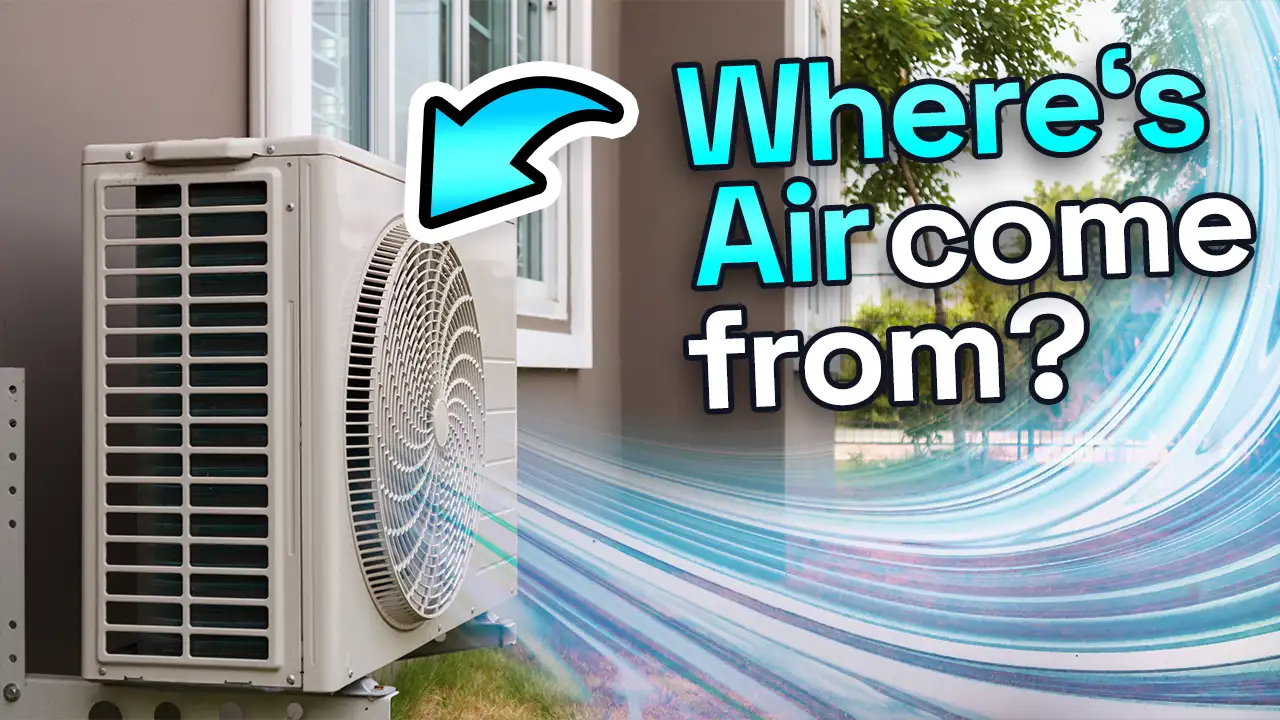
Image Source: yourenergyanswers.com
Why Can I See The Air From My Air Conditioner? Is It Normal?
Sometimes you might see air coming out of your air conditioner vent. It can look like white fog or mist. Is it normal? Most times, yes, it is normal. When your air conditioner cools warm, humid air, the moisture in the air can turn into tiny water droplets. This is like when you see your breath on a cold day. It’s usually just harmless water vapor from your AC. But sometimes, seeing mist could mean something is wrong.
Grasping How Your AC Works
Let’s talk simply about what your air conditioner does. Your AC is like a big air dryer and cooler for your home. It pulls warm air from your rooms into a part called the evaporator coil. This coil is very cold. As the warm air passes over this cold coil, two main things happen:
- The air gets cooler.
- Moisture is taken out of the air.
Think of it like a cold glass of water on a hot day. You see water drops on the outside of the glass. This is condensation. The warm, humid air around the glass touches the cold surface, and the water vapor in the air turns into liquid water. Your AC’s cold coil does the same thing but on a much bigger scale. It collects water from the air. This collected water usually drips into a special pan and goes out through a drain line.
Why You Might See Visible Vapor AC Vent
The main reason you see mist, fog, or visible vapor coming from your AC vent is the change in temperature and humidity. Your AC sends out very cold air. When this cold air mixes with the warmer, more humid air in your room, the moisture in the warmer air cools down very fast.
Imagine the air around you is full of tiny, invisible water droplets (water vapor). When cold air hits this humid air, those invisible water droplets suddenly cool down and clump together. They become bigger water droplets that you can see. This looks like mist or white fog from AC.
It’s the same science as seeing your breath on a cold morning. Your warm, moist breath hits the cold outside air. The moisture in your breath turns into tiny water drops you can see. This visible vapor AC vent is often just your AC doing its job in a very humid place.
The Crucial Role of Humidity and AC Mist
Humidity is a big deal when you see air from your AC. Humidity is just how much water vapor is in the air.
- High Humidity: If the air inside your house is very humid (lots of water vapor), and your AC is blowing out very cold air, you are much more likely to see mist. There’s more moisture in the air to condense and become visible. This is why ‘Humidity and AC mist’ often go together. When the air is thick with moisture, your AC works hard to pull it out. Sometimes, right at the vent where the very cold, dry air meets the very warm, wet air, you see the water turn visible.
- Low Humidity: If the air is dry, you probably won’t see any mist. Even if your AC air is cold, there isn’t enough moisture in the room air to condense into visible fog when it mixes with the cold vent air.
So, seeing that foggy air from cooling system output is often just a sign that your AC is working well to cool and dry a very humid room. It’s a natural effect of cold air meeting warm, moist air.
Is Air Conditioner Spitting Mist Always Okay?
Usually, yes, seeing some mist or fog is normal, especially on hot, sticky days. It’s just the water vapor in the air becoming visible for a moment. However, sometimes ‘air conditioner spitting mist’ can mean more than just simple condensation.
Here’s how to tell the difference:
-
Normal Mist:
- It looks like light fog or steam.
- It goes away quickly, often within a foot or two of the vent.
- You don’t see any water actually dripping or spitting out of the vent.
- Your room is getting cooler.
- The AC sounds normal.
-
Problem Mist (More than just visible vapor AC vent):
- You see actual drops of water coming out. This is ‘air conditioner spitting mist’ in a bad way.
- There might be a strange smell (like mold or mildew).
- You see water puddles near the indoor unit or below the vent.
- The airflow seems weak, or the room isn’t cooling well.
- The indoor unit is making strange noises.
If you see actual water spitting or other worrying signs, it might be an ‘air conditioner moisture issue’ that needs fixing.
Interpreting Common Signs
Let’s look at the specific ways you might see this visible air:
H4: Visible Vapor AC Vent and White Fog from AC
When you see a white fog or mist right at the vent, it’s usually because the very cold air coming out is hitting the warm, humid air in the room. The moisture in the warm air condenses and becomes visible. This ‘white fog from AC’ is often most noticeable when the AC first turns on or when the humidity outside (and inside) is very high. It’s like steam from a pot, but it’s cold steam made of tiny water droplets.
H4: AC Condensation Visible at the Vent
Sometimes, people describe seeing ‘AC condensation visible’. This often means they see that mist or fog. The condensation happens inside the unit on the cold coil. The water should drain away. But the mist you see coming from the vent isn’t water that failed to drain; it’s water vapor in the room air condensing after it mixes with the cold vent air. However, if you see water forming or dripping right at the vent itself, that is a different kind of visible condensation, and it’s usually a problem.
H4: Mist from Air Vent – Is it Different?
No, ‘mist from air vent’ is just another way people describe seeing that white fog or visible vapor coming out. It’s the same thing. The key is that it should be light, disappear quickly, and not be accompanied by water droplets actually spraying out.
H4: AC Blowing Visible Cold Air
When people say their ‘AC blowing visible cold air’, they usually mean they see the mist or fog. They connect the visible mist to the air being very cold, which is correct. The extreme cold of the air is what causes the moisture in the warmer room air to condense and become visible. So, seeing mist often just confirms that your AC is blowing cold air, especially if the room is humid.
H4: Water Vapor from AC vs. Liquid Water
It’s important to know the difference between seeing ‘water vapor from AC’ (which is the mist/fog) and seeing liquid water. The mist is tiny, floating water droplets – like a cloud. Liquid water is actual drips, streams, or puddles.
- Water vapor (mist): Normal, especially in humidity. Disappears quickly.
- Liquid water: Not normal when it comes from the vent. Can be a sign of a serious ‘air conditioner moisture issue’. This includes ‘air conditioner spitting mist’ (actual drops) or water leaking from the unit.
When Visible Air Is an Air Conditioner Moisture Issue
While mist is often fine, visible water or excessive moisture can signal a problem. Here are some issues that cause unwanted water or strange ‘foggy air from cooling system’ effects:
H4: Clogged Condensate Drain Line
This is a very common ‘air conditioner moisture issue’. Your AC pulls a lot of water out of the air (gallons on a humid day!). This water drips into a pan and goes down a drain line, usually outside or into a drain in your house. If this line gets clogged with dirt, mold, or insects, the water backs up. The drain pan can overflow. This can lead to:
- Water leaking from the indoor unit.
- Water pooling around the unit.
- Sometimes, if the fan is strong enough and the water is backed up high enough, it can blow water droplets into the ductwork and out the vents. This is when you get actual ‘air conditioner spitting mist’ along with the fog.
H4: Frozen Evaporator Coil
If the air filter is very dirty, the airflow over the cold coil can be blocked. If there’s not enough warm air passing over the coil, it can get too cold and freeze up, forming ice.
- Ice on the coil means the AC isn’t cooling air well.
- When the ice melts, it creates a lot of excess water very quickly.
- This sudden flood of water can overwhelm the drain system or be blown into the vents, causing ‘air conditioner spitting mist’ or excessive ‘white fog from AC’ that seems wetter than usual.
H4: Issues with the Condensate Pump
Some AC systems, especially in basements, need a pump to move the collected water upwards to a drain. If this pump breaks, the water backs up, just like a clogged drain line, leading to leaks and potential spitting from vents.
H4: Improper Installation or Sizing
If your AC unit is too big for your space, it might cool the air too quickly without removing enough moisture. This can leave the air feeling cold but still damp, and could potentially contribute to more noticeable misting effects, although it’s less likely to cause actual water spitting unless other issues are also present. An AC that’s too small won’t cool enough, which is a different problem.
H4: Leaks in Ductwork Near the Unit
If there are leaks in the ductwork very close to the indoor unit, especially on the return air side (where air comes into the AC), the AC fan can pull in warm, moist air from an unconditioned space (like an attic or crawl space). This extra moisture, combined with the cold air leaving the unit, could potentially make the visible mist more intense or contribute to moisture issues.
Determining if Your Visible Air is Normal or a Problem
To figure out if what you’re seeing is just normal ‘visible vapor AC vent’ mist or an ‘air conditioner moisture issue’, ask yourself these questions:
- Does the mist disappear quickly? Normal mist mixes with room air and vanishes fast. If it hangs around or seems very dense, maybe something’s off.
- Are there water droplets actually coming out? If you see spitting or spraying water, that’s usually a problem. ‘Air conditioner spitting mist’ is a red flag.
- Is the room cooling down well? If the AC is running, blowing visible air, but the room isn’t getting cool, it could mean the coil is frozen or there’s another issue stopping proper cooling.
- Do you see water leaks or puddles? Any water outside the drain line is a sign of a problem.
- Does anything smell bad? Musty or moldy smells often mean excess moisture or mold growth somewhere in the system.
- Is the airflow strong? Weak airflow can point to a dirty filter, frozen coil, or fan issue.
If the answer is ‘yes’ to questions 2, 4, 5, or 6, or ‘no’ to question 3, your ‘foggy air from cooling system’ might be part of a larger ‘air conditioner moisture issue’.
Factors Making Mist More Likely
Certain conditions make you more likely to see ‘visible vapor AC vent’:
- High Outdoor Humidity: If it’s very humid outside, it’s likely humid inside too. Your AC has more moisture to deal with.
- High Indoor Humidity: Things like showering, cooking, or even just having many people in a room can increase indoor humidity.
- Setting the Temperature Very Low: The colder your AC makes the air, the bigger the temperature difference when it hits the warmer room air, making condensation more likely.
- Opening Windows/Doors on Humid Days: This lets more humid air into the house, giving your AC more moisture to remove.
- When the AC First Starts: The coil is coldest then, and the temperature difference is greatest.
What to Do About Visible AC Air
H4: When It’s Normal
If you’ve decided the mist is just normal ‘water vapor from AC’ due to humidity, you don’t need to do much about the mist itself. Your AC is working! However, you might want to reduce overall indoor humidity if it feels uncomfortable.
- Use a dehumidifier: This machine specifically removes moisture from the air.
- Use exhaust fans: Turn on bathroom fans when showering and kitchen fans when cooking.
- Seal air leaks: Prevent humid outdoor air from getting inside.
- Ensure proper ventilation: Sometimes fresh air helps, but be mindful of outdoor humidity.
H4: When It Might Be a Problem
If you suspect your ‘visible vapor AC vent’ is part of a bigger ‘air conditioner moisture issue’, here’s what to do:
- Check the Air Filter: A dirty filter is the easiest fix for many AC problems, including potentially causing freezing that leads to excess water. Change it if it’s clogged.
- Inspect the Area Around the Indoor Unit: Look for standing water or leaks.
- Check the Condensate Drain Line: This is often a PVC pipe. See if you can find where it exits the house. If water isn’t dripping out on a humid day when the AC is running, it might be clogged. Do not try to unclog it with pressure unless you know what you’re doing; you could cause more damage.
- Look at the Evaporator Coil: If you can safely access the indoor unit’s coil, see if it’s covered in ice. If it is, turn the AC off and just run the fan to let it thaw. (Address the cause of freezing, like a dirty filter, afterward).
- Call an HVAC Professional: This is the best step if you see water spitting, major leaks, a frozen coil you can’t fix, or notice bad smells or poor cooling. They can diagnose and fix drain clogs, pump issues, refrigerant problems (which can also cause freezing), or other complex repairs.
Preventing Air Conditioner Moisture Issues
Regular care helps prevent problems that lead to unwanted water issues.
- Change Your Air Filter Regularly: This is the most important thing you can do. A clean filter ensures good airflow, helping prevent the coil from freezing and keeping the system running well.
- Schedule Annual Maintenance: Have a professional check your AC system each year, ideally before the cooling season starts. They clean the coils, check the drain line, and look for potential problems before they become big issues.
- Keep the Area Around the Indoor Unit Clean: Avoid storing things too close to the furnace or air handler where the indoor coil is located.
- Ensure Drain Lines are Clear: Your technician will do this during maintenance. If you are comfortable, you can sometimes flush the drain line with a cup of vinegar or bleach/water mix (check your manual first) to help prevent clogs, but be careful not to get it on other parts of the system.
Summary: Visible AC Air
Seeing ‘white fog from AC’ or ‘visible vapor AC vent’ is usually just ‘water vapor from AC’ condensing when the cold air mixes with warm, humid room air. It’s often normal, especially on humid days, and means your AC is doing its job of cooling and dehumidifying.
However, if you see actual ‘air conditioner spitting mist’ (water droplets), notice leaks, smell strange odors, or the AC isn’t cooling well, it’s likely an ‘air conditioner moisture issue’ like a clogged drain line or frozen coil.
Knowing the difference helps you decide if you need to worry or just accept the harmless ‘foggy air from cooling system’ as a sign of a humid day. When in doubt, especially if you see liquid water or poor performance, call an HVAC expert to check things out. Keeping your filter clean and getting yearly service are the best ways to keep your AC running smoothly and prevent most moisture problems.
Frequently Asked Questions (FAQ)
H4: What is that white cloud coming out of my AC vent?
That white cloud is usually just tiny water droplets. It forms when the very cold air from your AC mixes with the warmer air in your room, especially if the room air is humid. The moisture in the warm air cools down fast and becomes visible. It’s like seeing your breath on a cold day.
H4: Is it bad if my AC is spitting water?
Yes, it is bad if your AC is spitting actual water droplets (air conditioner spitting mist). This is not normal condensation mist. It usually means there’s a problem, like a clogged drain line, a frozen coil melting, or a problem with the fan blowing water out of the drain pan. You should have it checked by a professional.
H4: Why do I only see the mist sometimes?
You usually see the mist when there’s a big difference between the cold air coming out of the AC and the air in the room, especially when the room air is very humid. On less humid days, or if the temperature difference isn’t as great, you might not see any mist at all.
H4: Could the visible mist be caused by a Freon leak?
While a Freon (refrigerant) issue can cause the evaporator coil to freeze (leading to ice and potential water problems when it melts), the visible mist itself is a condensation effect happening outside the unit where the cold air meets the room air. A refrigerant leak causes freezing and poor cooling, which can lead to water issues, but the mist isn’t directly Freon.
H4: Should I turn off my AC if I see mist?
If it’s just light mist that disappears quickly and your AC is cooling normally without any leaks or bad smells, you usually don’t need to turn it off. However, if you see water spitting, notice leaks, or the AC isn’t cooling, turn it off to prevent damage and call a technician.
H4: How can I reduce the humidity in my house?
You can reduce humidity by using a dehumidifier, using exhaust fans in kitchens and bathrooms, fixing any leaks (like leaky pipes), and making sure your house is sealed well so humid outdoor air doesn’t get in easily. Sometimes proper ventilation helps too.
H4: What happens to the water that the AC removes from the air?
The water (condensation) that forms on the cold coil inside your AC drips into a drain pan. From there, it flows through a drain line, usually a PVC pipe, and goes outside or into a drain inside your house.
H4: My AC is blowing cold air, but it feels damp, and I see mist. Why?
This happens when your AC is cooling the air but isn’t removing enough moisture. This can sometimes happen if the unit is too large for the space (it cools the air too fast). However, seeing mist just means the cold air is hitting humid air. Feeling damp after the air has been through the AC might suggest an issue with the unit’s dehumidifying function or very high overall humidity that the AC can’t fully handle alone.
H4: Does a dirty air filter cause visible mist?
A dirty air filter restricts airflow, which can cause the indoor coil to freeze. When a frozen coil melts, it creates a lot of water that the drain system might not handle, leading to leaks or spitting. So, a dirty filter doesn’t directly cause the mist (the mist is normal condensation), but it can cause problems that result in more water or spitting with the mist.
H4: How often should I have my AC serviced?
It’s best to have your air conditioner serviced once a year, usually in the spring before you start using it regularly for cooling. This check-up helps prevent problems like clogged drains or freezing coils, ensuring it runs well and efficiently.