
You can turn off your air conditioner in a few easy ways. The simplest way is usually by using your thermostat or the air conditioner remote control if your unit has one. Look for an ‘Off’ button or setting. For some units, you might need to find the main AC power button location on the unit itself. Knowing the right way helps save energy and keeps your AC working well.
Turning off your air conditioner might seem simple. But there are right ways to do it. These right ways depend on the type of AC you have. It matters if you have central air, a window unit, or a portable AC. Doing it the correct way can save you money. It can also keep your AC safe and ready for next time.
Let’s look at how to turn off each type of air conditioner. We will cover the simple steps and also other ways like using a circuit breaker.
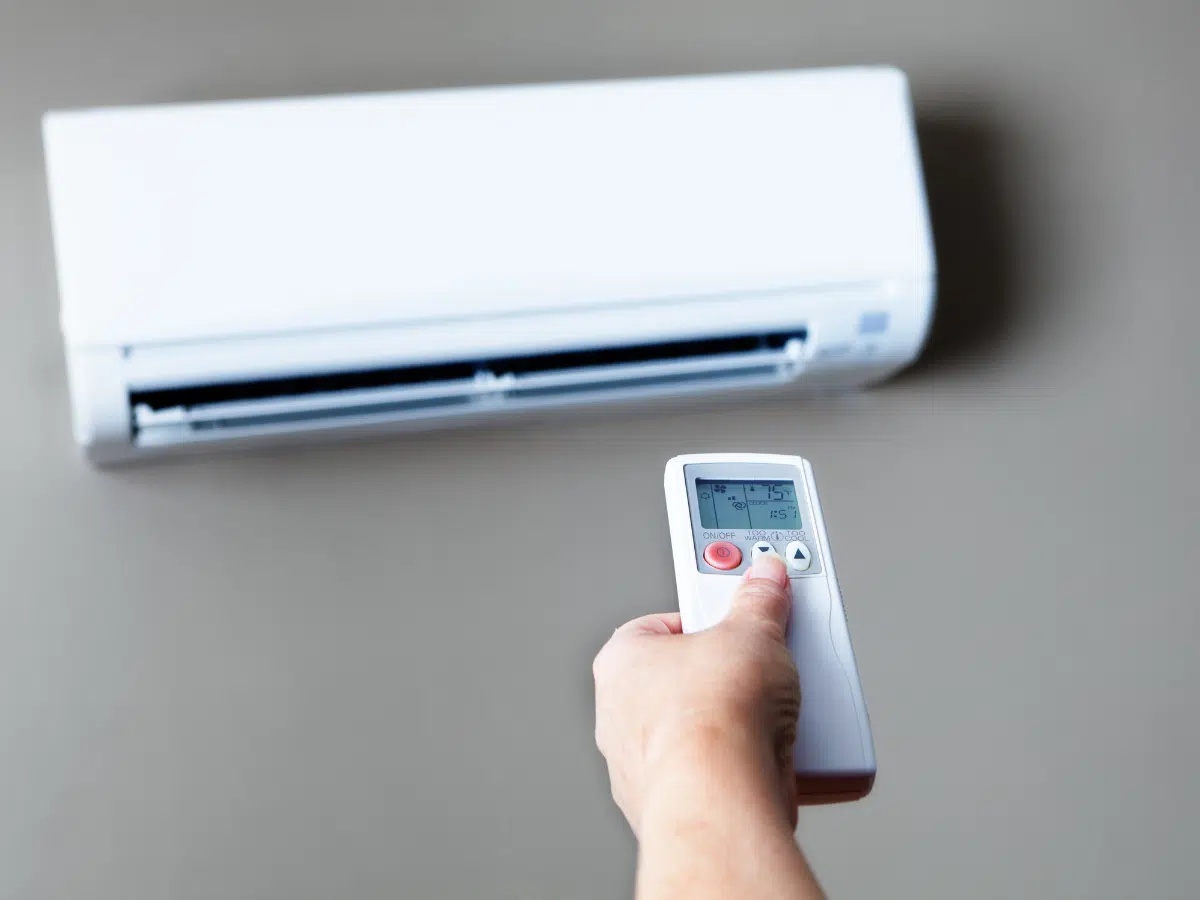
Image Source: andersonair.com
Turning Off Central Air Conditioners
Central air cools your whole house. It has parts inside and outside. Turning it off correctly is important, especially if you won’t use it for a long time.
The Main Way: Using Your Thermostat
This is the most common method for shutting down central air for short periods.
- Look at your thermostat.
- Find the mode setting. It might say ‘Cool’, ‘Heat’, ‘Fan’, or ‘Off’.
- Change the mode to ‘Off’.
- Some thermostats have a main power button or setting. Turn that off too if you see it.
Using the thermostat settings AC is the first step. It tells the system to stop cooling. The outdoor unit (the noisy one) should stop running. The indoor unit (often in a closet or basement) might still blow air for a bit if the fan is set to ‘On’. Change the fan setting to ‘Auto’ or ‘Off’ on the thermostat too.
More Complete Shutdown: The HVAC Power Switch
For a more complete shutdown, especially when you need to work on the unit or before a long break, you should use the main power switch. This is part of the proper AC shutdown procedure.
- Finding the Switch: Central air systems have a main HVAC power switch.
- For the outdoor unit, look near the unit itself. It’s usually a small box on the wall. It might have a pull-out disconnect or a simple flip switch. It often looks like a light switch in a weatherproof box.
- For the indoor unit (furnace or air handler), the switch is usually near the unit too. It might be on a wall or even on the unit itself. It looks like a regular light switch.
- Turning it Off: Flip the switch to the ‘Off’ position.
- Why use this? This cuts power directly to the unit. It’s safer if you plan to do any maintenance. It also ensures no power is used by the system at all.
The Deepest Shutdown: The Air Conditioner Circuit Breaker
The most complete way to turn off your central air system is at your home’s main electrical panel. This is the air conditioner circuit breaker.
- Find your electrical panel: This is usually in your basement, garage, or a utility closet.
- Find the breaker: Look for the breaker labeled ‘AC’, ‘Air Conditioner’, ‘Furnace’, or ‘HVAC’. It’s often a double-wide breaker.
- Flip the breaker: Move the breaker switch to the ‘Off’ position.
Why go this far? This cuts power at the source. It’s the safest method for long periods like winter storage. It’s also needed before any work on the unit or power surges. This is the final step in a full proper AC shutdown procedure for the season.
Table: Central AC Shutdown Steps
Here is a quick look at the steps for central air:
| Method | Where to Do It | How to Do It | When to Use It | Completeness of Power Cut |
|---|---|---|---|---|
| Thermostat | Inside your home | Change mode to ‘Off’. Set fan to ‘Auto’ or ‘Off’. | Daily use, short breaks. | Cuts system operation, not all power. |
| HVAC Power Switch | Near indoor & outdoor units | Flip the switch to ‘Off’. | Before maintenance, slightly longer breaks. | Cuts main power to units. |
| Circuit Breaker | Electrical panel | Find and flip the breaker to ‘Off’. | Seasonal shutdown, long storage, safety. | Cuts all power at the source. |
Turning Off Window Air Conditioners
Window AC units are simple to use. They sit in a window. Turning them off is also simple.
The Easy Way: Power Button or Remote
Most window units have buttons right on the unit. Many also come with an air conditioner remote control.
- Using the Power Button: Look on the front of the unit. There is usually a button labeled ‘Power’ or with a power symbol (a circle with a line). Push this button. The unit should turn off.
- Using the Remote: If you have a remote, find the ‘Power’ or ‘Off’ button on it. Point the remote at the unit and press the button. The unit should turn off.
This is the quickest way for daily use or short breaks.
Cutting All Power: Unplugging the Window AC
For a complete shutdown, like at the end of the cooling season, you need to unplug the unit. This is part of the proper AC shutdown procedure for a window unit.
- Find the power cord: This cord comes out of the back of the unit.
- Find the wall socket: The cord plugs into a wall outlet. Window units often have special plugs.
- Pull the plug: Hold the plug and pull it straight out of the wall socket. Do not pull the cord itself.
Why unplug? This cuts all power to the unit. It’s important for safety when moving the unit or storing it. It also prevents any tiny amount of power usage when the unit is off but still plugged in (standby power). This is the method for unplugging window AC units for storage.
Safety Step: The Air Conditioner Circuit Breaker
Just like central air, window units are on a circuit breaker. Turning this off adds an extra layer of safety.
- Find your electrical panel: This is the same panel for central air, if you have it.
- Find the breaker: Look for the breaker labeled for the room where the window AC is. It might say something like ‘Bedroom AC’ or just the room number. It’s usually a single breaker.
- Flip the breaker: Move the breaker switch to the ‘Off’ position.
Why use the breaker for a window unit? Unplugging is usually enough. But turning off the breaker is the safest step before moving the unit or working on the outlet. It ensures absolutely no power can reach the plug.
Table: Window AC Shutdown Steps
Steps for turning off a window AC unit:
| Method | Where to Do It | How to Do It | When to Use It | Completeness of Power Cut |
|---|---|---|---|---|
| Power Button / Remote | On unit / Remote | Press the ‘Power’ or ‘Off’ button. | Daily use, short breaks. | Stops unit operation, not all power. |
| Unplugging | Wall socket | Pull the plug straight out. | Seasonal shutdown, moving unit, safety. | Cuts almost all power. |
| Circuit Breaker | Electrical panel | Find and flip the correct breaker to ‘Off’. | Extra safety before moving or working. | Cuts all power at the source. |
Turning Off Portable Air Conditioners
Portable AC units are on wheels. You can move them from room to room. Turning them off is similar to window units.
The Quick Way: Power Button or Remote
Portable units have buttons on the unit itself, usually on top. They also often come with an air conditioner remote control.
- Using the Power Button: Find the AC power button location on the top or front of the unit. It will be labeled ‘Power’ or have the power symbol. Press it to turn off portable AC.
- Using the Remote: Use the remote that came with the unit. Find the ‘Power’ or ‘Off’ button. Point it at the unit and press.
This is the easiest way for normal use.
Cutting All Power: Unplugging the Portable AC
Just like a window unit, unplugging is the best way to cut all power. This is needed for proper storage.
- Find the power cord: This cord comes out the back of the unit.
- Find the wall socket: The cord plugs into a standard wall outlet.
- Pull the plug: Hold the plug firmly and pull it straight out of the wall socket.
Why unplug? This ensures the unit uses no power at all. It’s important before moving the unit to storage or doing any cleaning or maintenance. Unplugging window AC and portable AC units follows the same idea.
Safety Step: The Air Conditioner Circuit Breaker
Portable units are on a circuit too.
- Find your electrical panel: The same box as before.
- Find the breaker: Look for the breaker for the room where the portable AC is. It might just be a general room breaker.
- Flip the breaker: Move the breaker switch to the ‘Off’ position.
Why use the breaker for a portable unit? Unplugging is usually all you need. The breaker is an extra safety step. Use it before moving the unit to a different floor or when doing any electrical work in the room.
Table: Portable AC Shutdown Steps
Here are the steps for turning off a portable AC:
| Method | Where to Do It | How to Do It | When to Use It | Completeness of Power Cut |
|---|---|---|---|---|
| Power Button / Remote | On unit / Remote | Press the ‘Power’ or ‘Off’ button. | Daily use, short breaks. | Stops unit operation, not all power. |
| Unplugging | Wall socket | Pull the plug straight out. | Seasonal shutdown, moving unit, safety. | Cuts almost all power. |
| Circuit Breaker | Electrical panel | Find and flip the correct breaker to ‘Off’. | Extra safety before moving or working. | Cuts all power at the source. |
Why Turn Your AC Off Correctly?
There are good reasons to use the right steps when turning off your air conditioner.
Saving Money
This is a big one. Leaving your AC on when you don’t need it wastes electricity. Wasting electricity costs you money.
- Turning off vs. Turning Up: If you leave for a short time (like grocery shopping), turning your thermostat up a few degrees might be better than turning it completely off. The AC won’t work as hard to cool the house down later. But if you leave for several hours or days, turning it off saves more energy. Using smart thermostat settings AC helps automate this.
- Standby Power: Even when off by button, some units use a little bit of power just waiting to turn on. Unplugging or using the circuit breaker cuts this completely.
- Proper Shutdown for Storage: A proper AC shutdown procedure before storing the unit helps prevent damage over time. This means less money spent on repairs later.
These are all part of good energy saving AC tips.
Protecting Your AC Unit
Turning off the AC correctly helps it last longer.
- Avoiding Short Cycling: Turning the AC on and off very quickly is bad for it. This is called short cycling. It stresses the parts, especially the compressor. Use the ‘Off’ button or thermostat setting first. Wait a few minutes before turning it back on if needed.
- Safety Before Cleaning: Always cut power using the power switch or circuit breaker before cleaning the unit. This prevents electric shocks. It keeps you safe and prevents damage to the unit from water or cleaning tools hitting live electrical parts.
- Preparing for Storage: Shutting down central air or unplugging window/portable units and storing them properly prevents rust, dirt buildup, and damage from cold weather if you live where it freezes.
Safety First
Electricity can be dangerous.
- Always turn off the power at the source (switch or breaker) before touching any part of the unit for cleaning or checks.
- Water and electricity do not mix. Turn off power before cleaning coils or drain pans.
- If you smell something burning or hear strange noises, turn the unit off right away. Use the quickest method (button/remote) then follow up with the power switch or breaker.
When to Turn Your AC Off
It depends on your situation.
- Daily: Use the power button or remote for window/portable units. Use the thermostat for central air. Turn it off when you leave the house for many hours or when the weather cools down naturally.
- Leaving for Vacation: Use the thermostat to turn off central air. For window/portable units, use the power button or remote. For longer trips (more than a week), consider using the HVAC power switch or even the air conditioner circuit breaker for central air. Unplug window/portable units.
- End of Cooling Season: This requires a full proper AC shutdown procedure.
- For central air: Set thermostat to ‘Off’. Find and turn off the HVAC power switch near the unit. Go to the electrical panel and turn off the air conditioner circuit breaker.
- For window/portable units: Turn off using the power button/remote. Unplug the unit from the wall socket. For extra safety or if the outlet is exposed to weather, turn off the air conditioner circuit breaker for that room/outlet.
- Before Cleaning or Repair: Always cut power using the HVAC power switch (central), unplugging (window/portable), and/or the air conditioner circuit breaker. This is for safety.
Deeper Look at Proper AC Shutdown Procedure
Let’s break down the best way to shut down your AC for the long term, like for winter. This applies mainly to central and window units that stay in place. Portable units should always be unplugged and stored inside.
Steps for Central Air Seasonal Shutdown
This follows the steps we talked about but in order for storage.
- Turn off at the thermostat: Change the mode to ‘Off’. Set the fan to ‘Auto’ or ‘Off’. This stops the cooling cycle.
- Turn off the HVAC power switch: Find the switch near your outdoor unit. Flip it off. Find the switch near your indoor unit (furnace/air handler). Flip it off. This cuts power to the units themselves.
- Turn off the circuit breaker: Go to your electrical panel. Find the breaker for the AC/HVAC. Flip it off. This cuts power at the main box. This is the safest state for the unit over months.
- Optional: Cover the outdoor unit: Some people cover the outdoor unit to protect it from leaves and debris. Use a cover made for this purpose. Do not use a plastic tarp that seals completely, as this can trap moisture. Check your AC manual or ask a pro if covering is right for your unit.
Following these steps ensures the unit is safely off and ready for storage.
Steps for Window AC Seasonal Shutdown
Window units often get removed and stored.
- Turn off at the unit/remote: Use the power button on the unit or the air conditioner remote control to turn it off.
- Unplug the unit: Carefully pull the plug straight out of the wall socket.
- Remove from window: Follow the steps in your unit’s manual to safely remove it from the window. You might need help as they can be heavy.
- Clean the unit: Clean the filters, coils, and drain pan. Make sure it is dry before storing.
- Store properly: Store the unit upright in a dry place like a garage or basement. Covering it can help keep dust off.
- Optional: Turn off the circuit breaker: If the outlet used for the AC unit is in a place where it might get wet or if you want extra safety, turn off the breaker for that outlet at the electrical panel.
This proper AC shutdown procedure for window units keeps them clean, safe, and ready for next summer.
Energy Saving AC Tips Related to Turning Off
Knowing how and when to turn off your AC is a key part of saving energy.
- Use the thermostat wisely: Don’t set the temperature too low. Each degree lower uses more energy. Use programmable or smart thermostats to automatically adjust settings. Set it higher when you are away and lower when you are home. Remember thermostat settings AC are your main tool for daily control.
- Turn it off when windows are open: Never run your AC if windows or doors are open. You are just cooling the outside.
- Use fans: Ceiling fans or portable fans help air move. This makes you feel cooler without lowering the thermostat as much. Turn them off when you leave the room though.
- Seal leaks: Stop cold air from escaping your house. Seal gaps around windows and doors. Add weatherstripping.
- Improve insulation: Good insulation in walls and the attic keeps heat out in summer and in during winter.
- Maintain your AC: Clean or replace filters regularly. Get the unit checked by a professional each year. A clean, well-running unit uses less energy.
- Use natural cooling: In the evening, if the outside temperature drops below the inside temperature, turn off the AC (using the proper method!) and open windows to let cool air in. Close them in the morning before it gets hot.
Turning off your AC when you don’t need it, and doing it the right way, is one of the easiest energy saving AC tips.
Grasping the Different Power Off Methods
Let’s quickly review the different ways you can turn off the power.
- Thermostat/Remote/Unit Button: This tells the control system to stop cooling. The main parts shut down. But the unit still has power going to its control board, waiting for a command. This is for daily use.
- HVAC Power Switch (Central Air): This switch cuts the main electrical supply to the unit itself. It’s a higher level of shutdown than the thermostat. Use this before touching the unit for cleaning or minor checks.
- Unplugging (Window/Portable): This pulls the connection from the wall socket. It cuts all power from the house wiring to the unit. This is the complete power cut for plug-in units.
- Circuit Breaker: This is the highest level of power cut from inside your home. It stops electricity from even reaching the outlet or the dedicated power line for the AC unit. This is the safest method before major work or for long-term storage.
Knowing these different levels of shutting down helps you pick the right one for the situation. It’s part of the proper AC shutdown procedure.
Common Questions About Turning Off Your AC
Here are some things people often ask about turning off their air conditioner.
What if my AC remote control is lost?
If you lose your air conditioner remote control, you can still turn the unit off using the power button on the unit itself. For central air, use the thermostat.
Where is the AC power button location on my unit?
For window or portable units, the AC power button location is usually on the front or top control panel. It might be a physical button or a button on a digital display. Look for a power symbol (circle with a line). For central air, there isn’t a main power button on the unit itself that you use daily; you use the thermostat. The main power cut is the HVAC power switch near the unit.
Can I just use the circuit breaker every time to turn off my AC?
You can use the air conditioner circuit breaker, but it’s not the normal way for daily use. It’s like turning off the power to your TV at the main house panel instead of using the TV remote or button. Using the breaker often is hard on the breaker itself. Use the thermostat, remote, or power button for daily stops. Use the power switch or breaker for safety before maintenance or for long storage.
Is shutting down central air the same as turning off my furnace?
They are part of the same HVAC system (Heating, Ventilation, and Air Conditioning). But they are separate functions. Turning off the AC (cooling mode) does not automatically turn off the furnace (heating mode) or the fan mode on your thermostat. You control them separately using the thermostat settings AC. Shutting down central air fully means turning off the cooling part using the thermostat, then often cutting the power to the whole HVAC system using the power switch or breaker for long-term shutdowns.
Should I unplugging window AC units every night?
No, you don’t need to go through unplugging window AC every night. Just use the power button on the unit or the remote control. Unplugging is for long periods of not using it, like seasonal storage, or before cleaning.
How long should I wait after turning off my AC before turning it back on?
Wait at least 3-5 minutes, especially for central air. This lets the system’s pressures balance. Turning it on too quickly can damage the compressor. Using the power button or thermostat to turn it off correctly avoids this issue better than just flipping a breaker or unplugging (which forces an immediate stop).
What is a proper AC shutdown procedure?
A proper AC shutdown procedure means turning the unit off in a way that is safe and good for the unit’s health, especially before storage or maintenance. This often involves using the thermostat/button first, then a power switch or unplugging, and finally the circuit breaker for complete power disconnection. It prepares the unit for a period of not running.
Does turning off my AC save energy?
Yes, turning off your AC when you don’t need it is one of the simplest energy saving AC tips. It stops using electricity to cool the air. The best savings come from turning it off when you are away from home for several hours or when the outside temperature is comfortable.
Final Thoughts
Knowing how to turn off your air conditioner correctly is more than just hitting a button. It involves knowing your system, using the right method for the right situation, and thinking about safety and energy use.
Whether you are using thermostat settings AC for a central system, finding the AC power button location on a window unit, or deciding on unplugging window AC for the season, each step has a purpose. Understanding these steps helps you save money on electricity bills (energy saving AC tips), keep your unit running well for years, and stay safe.
Remember the different methods: thermostat/remote/button for daily use, power switch or unplugging for safety before maintenance or slightly longer breaks, and the air conditioner circuit breaker for the safest, most complete power cut, often used for seasonal shutdowns or major work.
By following these simple steps and understanding why they matter, you can ensure your proper AC shutdown procedure is always correct. This keeps your cooling system in good shape, ready to provide comfort when you need it again.