
Is your air conditioner blowing warm air instead of cool? Are you seeing ice where you shouldn’t? When an AC unit is not cooling correctly, one common culprit is a frozen AC coil. Identifying the signs of a frozen AC early can save you hassle and repair costs. This happens when the refrigerant coil, which gets cold to cool your air, freezes up. These symptoms of a frozen air conditioner are usually easy to spot once you know what to look for.
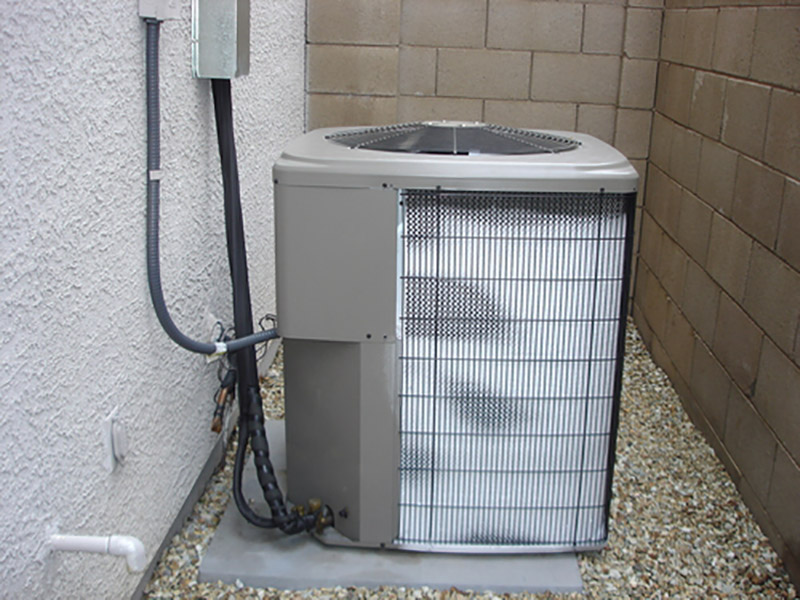
Image Source: gopaschal.com
Deciphering the Problem: What Causes an AC to Freeze?
Before diving into the signs, it helps to know why an AC coil frozen happens. Ice forms on the evaporator coil (the part inside your home) when the coil gets too cold but warm air isn’t flowing over it properly to warm it up just a bit. Think of a cold drink on a humid day; condensation forms. If the surface is really cold and air isn’t moving, that condensation can freeze.
Several things can lead to this problem:
- Low Airflow: The most common reason. If not enough warm air passes over the cold coil, the coil’s temperature drops below freezing, and moisture in the air turns to ice on AC unit. This low airflow can be caused by a dirty air filter, blocked vents, or a weak blower motor.
- Low Refrigerant: The stuff that cools your air. If you don’t have enough refrigerant, the pressure in the system drops, causing the evaporator coil to get excessively cold. This often points to a leak.
- Dirty Evaporator Coil: Dust and grime on the coil act like insulation. They stop the coil from absorbing heat from the air properly, making parts of it too cold.
- Thermostat Problems: Setting your thermostat too low, especially on humid days, or having a faulty thermostat can sometimes contribute, though airflow and refrigerant are usually the main issues.
Knowing these basic causes of frozen AC coil helps you understand the AC ice buildup you might see. Now, let’s look at the key ways to spot this issue.
Identifying the Symptoms: 5 Key Signs Your AC is Frozen
Spotting a frozen air conditioner doesn’t always require seeing a block of ice right away. Often, other symptoms show up first. Learning to recognize these signs is the first step in what to do if AC freezes.
Visible Ice or Frost
This is the most obvious sign. You might see ice on AC unit, either on the copper lines leading to the outdoor unit or, more commonly, on the indoor evaporator coil itself.
Where to Look for Ice
- Indoor Unit (Evaporator Coil): This is inside the air handler or furnace closet. You might need to open a panel to see the coil. If it’s covered in a layer of frost or looks like a block of ice, your AC is definitely frozen.
- Outdoor Unit (Condenser Lines): Check the larger, insulated copper line running from your house to the outdoor unit. It might have frost or ice on it. The smaller copper line might also show signs of ice near where it enters the outdoor unit.
Grasping What the Ice Means
Seeing ice is a sure sign something is wrong. It confirms the coil temperature is dropping below freezing because the system isn’t working correctly. It’s not the cause of the problem, but a symptom of the underlying issue, usually related to airflow or refrigerant.
Why Ice Forms Here
Ice forms where the refrigerant absorbs heat from your home’s air. If heat isn’t being absorbed effectively (due to low airflow or low refrigerant), the metal gets extremely cold, freezing any moisture in the air that touches it. This AC ice buildup can start small and grow into a solid block over time.
Air Conditioner Blowing Warm Air
This can feel confusing. Why would a frozen AC blow warm air? Because the frozen coil can no longer absorb heat from the air passing over it.
The Cold Coil, Warm Air Paradox
Your AC cools air by blowing warm indoor air over the very cold evaporator coil. The coil absorbs the heat, and the now-cool air is sent back into your home. When the coil is covered in ice, the warm air can’t transfer its heat to the coil effectively.
How Ice Stops Cooling
The ice acts as an insulator. Instead of the warm air directly touching the cold metal coil, it’s touching a layer of ice. While the ice is melting very slowly from the warm air, it’s not nearly as efficient at absorbing heat as the cold metal coil is. The air passing over the ice doesn’t get cooled down much, if at all. So, the air coming out of your vents feels warmer than it should. This is a key indicator that your AC unit not cooling is linked to a freeze-up.
Weak Airflow From Vents
Another common symptom, often linked to the problem of air conditioner blowing warm air. If you stand near your vents, you might notice the air coming out isn’t as strong as it usually is.
Why Airflow Decreases
As ice builds up on the evaporator coil, it blocks the spaces between the fins of the coil. The coil is designed with many thin fins to maximize the surface area that touches the air. When ice fills these gaps, air can’t pass through as easily.
Impact on the Blower
The blower motor is still trying to push air, but the path is blocked by ice. This reduced airflow means less air circulates through your home, and the air that does get through might not even touch the ice-covered coil enough to be affected. This lack of air movement also contributes directly to the coil freezing more, creating a cycle. It’s a clear sign that your symptoms of a frozen air conditioner include reduced air distribution.
Water Leaking Around the Indoor Unit
This symptom might catch you by surprise. Why would ice cause a water leak?
The Melting Ice Problem
When your AC coil freezes, it holds a significant amount of ice. When the unit is eventually turned off (or tries to defrost), all that ice melts. The amount of water created is often more than the condensate drain pan or drain line can handle.
Overwhelmed Drain System
Normally, the small amount of condensation that forms on the coil (like sweat on a cold glass) drips into a pan and drains away through a pipe. But when a large block of ice melts, it releases water much faster than the drain system is designed for. The pan overflows, and water leaks out of the bottom of your indoor unit, often onto the floor, ceiling, or into the furnace below. This is a very common and often messy sign of a frozen AC coil frozen.
Strange Sounds
While not always present, unusual noises can sometimes point to a freezing issue or a consequence of one.
Hissing or Gurgling Noises
These sounds can indicate low refrigerant. As refrigerant flows through the system with air in the lines (a sign of a leak), it can make these noises. Since low refrigerant is a cause of freezing, hearing these sounds can be an early warning.
Clicking or Banging Sounds
As ice builds up, it might expand or interfere with components like the blower fan. If the ice becomes thick enough to hit the fan blades, you might hear clicking, banging, or scraping sounds. This is a serious issue and can damage the fan or other parts.
Interpreting the Sounds
Any sound that isn’t your AC’s normal hum should be investigated. Paired with other signs of a frozen AC, strange noises can help confirm the problem and even hint at the underlying cause, such as a potential refrigerant leak.
Addressing the Core Issues: Why Does Ice Form?
Delving deeper into the causes of frozen AC coil helps you understand the problem fully and prevents it from happening again after you melt the ice. The reasons almost always come down to issues that cause the coil to get too cold without enough heat being removed from the air.
Dirty Air Filter: The Most Common Culprit
A clogged air filter is the number one reason for low airflow in an AC system.
How a Filter Blocks Air
The filter’s job is to catch dust, dirt, and debris before they reach the coil and other parts. Over time, the filter gets full. If it’s not changed regularly, the thick layer of grime blocks the passage of air.
Reduced Airflow Leads to Freezing
When the blower tries to pull air through a blocked filter, less air actually reaches the evaporator coil. With less warm air flowing over it, the coil gets excessively cold, and moisture in the limited airflow freezes onto the cold surface. Changing your air filter is the easiest and most important maintenance step to prevent AC ice buildup.
Blocked Return Air Vents or Supply Vents
Similar to a dirty filter, anything that stops air from moving freely through your system can cause freezing.
Return Air Restrictions
The return air vents are where your home’s warm air is sucked into the AC system. If furniture blocks these vents, or if the ductwork leading from them is crushed or leaky, less air reaches the air handler and the coil.
Supply Vent Issues
While less common as a direct cause of freezing, blocked supply vents (where the cool air comes out) can also slightly reduce overall system airflow and pressure, sometimes contributing to the problem.
Importance of Open Airways
Ensuring all return vents are open and unobstructed and that supply vents are clear helps maintain the necessary airflow over the evaporator coil, preventing it from getting too cold and forming ice on AC unit.
Low Refrigerant Charge: A Sign of a Leak
Refrigerant is the vital substance that absorbs heat from your indoor air and releases it outside. If the amount of refrigerant is too low, it changes the pressure within the system.
Pressure Drop and Temperature
A low charge means the refrigerant pressure in the evaporator coil drops significantly. Lower pressure causes the refrigerant to boil and expand at a much colder temperature than usual. This makes the coil surface temperature plummet, easily dropping below freezing, even with normal airflow.
Leak Detection is Key
Low refrigerant is almost always due to a leak in the sealed system. Adding more refrigerant without fixing the leak is a temporary fix and harmful to the environment. If low refrigerant is the cause of your AC coil frozen, a trained technician must find and repair the leak before recharging the system. This requires specialized tools and knowledge. This is a major causes of frozen AC coil.
Dirty Evaporator Coil
Even with a clean filter, the evaporator coil itself can get dirty over many years.
How Dirt Affects the Coil
Dust, pet hair, and other particles that slip past the filter can build up on the coil fins. This buildup acts as an insulator, making it harder for the coil to absorb heat from the air passing over it.
Leading to Cold Spots
When parts of the coil can’t absorb heat effectively because of dirt, those areas get colder. This can lead to frost or ice forming on the dirty sections, which then spreads. Cleaning the coil is a complex process and usually requires professional help to avoid bending the delicate fins. A dirty coil is a less obvious but significant reason for AC ice buildup.
Blower Motor Problems
The blower motor is responsible for pushing air through your ductwork and over the coil. If it’s not working correctly, airflow suffers.
Reduced Motor Speed
A motor that is failing or has electrical issues might run at a lower speed than it should. This means less air moves through the system.
Complete Failure
If the blower motor stops working altogether, no air moves over the coil. The coil rapidly gets extremely cold and freezes solid. This will also result in no air coming from any of your vents.
Link to Freezing
A weak or failed blower motor directly causes low or no airflow, which is a primary causes of frozen AC coil. If your air conditioner blowing warm air and you feel very little airflow, the blower motor could be the culprit.
What to Do If Your AC Freezes: Taking Action
Finding out your AC is frozen can be alarming, but there are clear steps to take for fixing a frozen air conditioner. The most important immediate action is to allow the ice to melt safely.
Step 1: Turn Off the Cooling System Immediately
This is the most critical step. You need to stop the AC from trying to cool.
Why Turn It Off?
If you leave a frozen AC running in cooling mode, the compressor (the main part that pumps refrigerant) continues to work. However, with the coil blocked by ice, the refrigerant can’t properly absorb heat. This puts enormous stress on the compressor and can cause severe, expensive damage.
Where to Turn It Off
- Thermostat: Switch your thermostat from “Cool” to “Off.”
- Circuit Breaker: Find the circuit breaker box for your home. Locate the breaker labeled for your AC’s indoor unit (air handler/furnace) and outdoor unit. Flip both breakers to the “Off” position for extra safety, especially if you plan to open panels.
Step 2: Allow the Ice to Melt
Once the power is off, the ice needs to melt. This can take anywhere from a few hours to 24 hours or more, depending on how much ice has built up, the temperature in your home, and the humidity.
Patience is Key
Do not try to chip or scrape the ice off. You could easily damage the delicate fins of the evaporator coil or puncture a refrigerant line, leading to an expensive leak.
Speeding Up Melting (Optional)
- Turn on the Fan: After turning off the cooling mode, you can switch your thermostat’s fan setting from “Auto” to “On.” This will run the blower motor, pushing air (though it will be room temperature air, not cold) over the frozen coil. This airflow can help speed up the melting process. Only do this after turning off the “Cool” mode.
- Open Windows (If Cooler Outside): If the weather outside is warmer and less humid than your house, opening windows near the indoor unit area can help increase the ambient temperature around the coil, aiding melting. Be cautious if it’s very humid, as this can slow melting.
- Place Fans: You can place fans near the indoor unit (if accessible) to blow air directly onto the coil area.
Managing the Meltwater
Remember the potential for water leaks (Sign #4). Place towels or buckets around the base of your indoor unit to catch melting ice water. Check them periodically and empty as needed. This is a crucial part of what to do if AC freezes.
Step 3: Find and Fix the Cause
Allowing the ice to melt is only step one. If you simply turn the AC back on without addressing why it froze, it will likely freeze again. This is where fixing a frozen air conditioner gets into the real solutions.
Check the Air Filter
This is the easiest fix. Locate your air filter (usually near the air handler/furnace or behind a large return air vent). Check if it’s dirty. If it is, replace it with a new one. Follow the arrows on the new filter to ensure it’s installed in the correct direction of airflow. Aim to check and change your filter every 1-3 months, especially during heavy use seasons.
Inspect Return and Supply Vents
Walk around your house and ensure all return air vents (the larger ones that suck air in) are not blocked by furniture, curtains, or other items. Make sure supply vents (the smaller ones that blow air out) are open.
Check for Obvious Duct Problems
Look for any obvious signs of damaged, disconnected, or crushed ductwork, especially near the air handler.
Inspect the Evaporator Coil (If Accessible)
Once the ice has completely melted and the power is still off, you can look at the coil. Is it very dirty or clogged with debris even after the ice is gone? If so, it likely needs cleaning.
Step 4: Call a Professional
If you’ve checked and changed the filter and confirmed vents are open, but you still suspect the AC froze due to low airflow or if you suspect other causes like low refrigerant, a dirty coil you can’t clean yourself, or a failing blower motor, it’s time to call an HVAC technician.
When Professional Help is Needed
- Suspected Refrigerant Leak: This requires specialized tools to detect leaks and handle refrigerants safely.
- Dirty Evaporator Coil: Professional cleaning ensures the fins aren’t damaged and that appropriate cleaning agents are used.
- Blower Motor Issues: Diagnosing and repairing motor problems requires expertise.
- Frequent Freezing: If your AC freezes repeatedly, there’s an underlying problem that needs professional diagnosis.
A technician can accurately diagnose the root cause of the AC coil frozen and make the necessary repairs, such as fixing a leak and recharging refrigerant, cleaning the coil properly, or repairing/replacing the blower motor.
Step 5: Wait for the System to Be Ready and Restart
Once the ice has completely melted (ensure all ice is gone, which might take many hours) and the cause has been addressed (you changed the filter, cleared vents, or a technician made repairs), you can prepare to turn the system back on.
Ensuring Full Melt
Turn off the fan if you had it running. Make sure the drain pan is empty and any water leaks are cleaned up. Wait a little longer after the ice seems gone to ensure water has drained.
Restarting the System
Turn the circuit breakers back on, then switch your thermostat from “Off” (or “Fan On”) back to “Cool.” Set the temperature to your desired level. Listen and feel for proper operation.
Monitor Closely
After restarting, keep an eye on the system for the next few hours and days. Check the vents for cool air and strong airflow. Check the indoor unit area for any signs of ice reforming or water leaking. If any of the symptoms of a frozen air conditioner return, turn the system off again immediately and call a technician if you haven’t already. This follow-up monitoring is crucial for fixing a frozen air conditioner successfully.
Interpreting the Severity: Is a Frozen AC Dangerous?
While not an immediate fire hazard in most cases, a frozen AC can lead to serious problems if ignored.
Risk to the Compressor
Running an AC with a frozen coil puts immense strain on the compressor. It’s trying to pump refrigerant but the system is effectively blocked. This can cause the compressor to overheat or fail completely, which is the most expensive component to replace in an AC system. Ignoring a frozen unit can turn a simple fix (like changing a filter) into a thousands-of-dollars repair.
Water Damage
As the ice melts, it can cause significant water damage to your home. Water can ruin drywall, flooring, insulation, and potentially cause mold growth, leading to costly remediation. Leaking water can also damage electrical components in the furnace or air handler located below the coil.
Reduced System Lifespan
Repeated freezing and improper operation put stress on all parts of the system, reducing its overall lifespan and leading to more frequent breakdowns.
Health Issues
Water leaks and unchecked moisture can lead to mold and mildew growth, negatively impacting indoor air quality and potentially causing respiratory issues for occupants.
Addressing a frozen AC promptly is not just about restoring cooling; it’s about protecting your investment in your HVAC system and preventing secondary damage to your home. Recognizing the signs of a frozen AC and taking action immediately is key.
Preventing AC Freeze-Ups: Maintenance is Key
The best way to deal with a frozen AC is to prevent it from happening in the first place. Regular maintenance is your best defense against AC ice buildup.
Regular Filter Changes
This is the simplest and most effective preventive measure. Check your air filter monthly, especially during cooling season. Change it as soon as it looks dirty. Cheap fiberglass filters might need changing every month, while more expensive pleated filters can last 3-6 months. Mark your calendar or set phone reminders. This prevents the most common cause of AC coil frozen.
Keep Vents Clear
Ensure all return air vents are unobstructed by furniture, rugs, or anything else that could block airflow. Make sure supply vents are open in rooms you want cooled.
Schedule Annual Professional Maintenance
Have a qualified HVAC technician inspect and tune up your system once a year, ideally before the cooling season begins.
What a Technician Does
- Checks refrigerant levels and inspects for leaks.
- Cleans the evaporator coil and condenser coil.
- Checks the blower motor and capacitor.
- Inspects ductwork for leaks or damage.
- Checks the condensate drain line to ensure it’s clear.
- Tests electrical components and system pressures.
This professional check-up can catch potential problems like low refrigerant or a dirty coil before they lead to a freeze-up. They can identify early symptoms of a frozen air conditioner causes.
Address Issues Promptly
If you notice your AC isn’t cooling as well as it used to, if you hear strange noises, or if airflow seems weak, don’t wait until ice forms. Investigating minor issues early can prevent them from escalating into a major problem like a frozen coil.
Don’t Set Thermostat Too Low
Setting your thermostat extremely low (e.g., below 70°F or 21°C) can sometimes contribute to freezing, especially in humid conditions or if there are other underlying issues. The coil works harder to reach very low temperatures. While not a primary cause on its own in a healthy system, combined with slight airflow issues, it can tip the balance towards freezing. Keeping your thermostat at a reasonable temperature (e.g., 74-78°F or 23-26°C) is more efficient and reduces stress on the system.
Frequently Asked Questions About Frozen ACs
Q: How long does it take for a frozen AC coil to melt?
A: Melting time varies greatly based on how much ice has built up and the surrounding temperature and humidity. It can take anywhere from a few hours (for light frost) to 24-48 hours (for a solid block of ice). Turning the fan on (with cooling off) can speed up the process.
Q: Can I use a hairdryer or heater to melt the ice faster?
A: No, do not use hairdryers, heat guns, or portable heaters to melt the ice directly. This can damage the plastic components near the coil or cause uneven heating that warps the coil fins. It’s best and safest to allow the ice to melt naturally with the system’s fan running or just ambient air.
Q: My AC froze, I melted it, and now it works again. Is the problem solved?
A: No, melting the ice is only a temporary fix. The ice formed because of an underlying issue (dirty filter, low refrigerant, etc.). Unless you find and fix that root cause, the coil will likely freeze again. It’s essential to address the reason it froze in the first place, whether through simple maintenance like changing the filter or by calling a technician.
Q: Can a frozen AC cause my house to be humid?
A: Yes. When the coil freezes, it stops dehumidifying the air effectively. Part of the AC’s job is to remove moisture from the air as it cools. If the coil is frozen and not cooling or dehumidifying properly, the humidity level in your home can increase.
Q: How can I tell if low refrigerant is the cause of the freezing?
A: Low refrigerant is harder for a homeowner to confirm directly. Signs that might suggest low refrigerant include a hissing or gurgling sound from the system, ice forming only on the larger copper line outside, or the unit frequently freezing despite clean filters and clear vents. A qualified HVAC technician is needed to measure refrigerant pressure accurately and check for leaks.
Q: Is it okay to run my AC with the fan on continuously to prevent freezing?
A: Running the fan continuously (thermostat set to “Fan On”) circulates air and can help prevent minor frost buildup by keeping air moving over the coil. However, if there’s a significant underlying problem like a major refrigerant leak or severely blocked airflow, running the fan alone won’t prevent freezing and might not be enough to melt already formed ice without turning the cooling off. It’s better to fix the root cause.
Q: My outdoor unit fan is running, but the compressor isn’t, and the indoor unit is frozen. What does that mean?
A: If the outdoor fan is running but the compressor (which is usually making a humming or vibrating noise) is not, it could indicate an electrical issue (like a bad capacitor or contactor) preventing the compressor from starting. If the compressor isn’t running, the refrigerant isn’t circulating or getting cold, so the coil shouldn’t freeze this way from normal operation. However, if the compressor was running and then stopped due to a failure, ice formed while it was running might still be present. This situation definitely requires a professional diagnosis.
Q: How much does it cost to fix a frozen AC?
A: The cost varies widely depending on the cause.
* Changing a dirty filter: Cost of a new filter ($10-$30). DIY.
* Clearing blocked vents: Free. DIY.
* Professional coil cleaning: $100-$400. Professional service.
* Fixing a refrigerant leak and recharging: $200-$1500+ depending on leak location and amount of refrigerant needed. Professional service required.
* Repairing/Replacing blower motor: $300-$1000+. Professional service required.
* Replacing a damaged compressor: $1000-$3000+. Professional service required.
Addressing the issue early when it’s just a dirty filter is significantly cheaper than waiting until a compressor is damaged.
Catching the signs of a frozen AC early, such as seeing ice on AC unit, feeling air conditioner blowing warm air, or noticing weak airflow from vents, is crucial. While melting the ice is the necessary first step in what to do if AC freezes, the real solution lies in addressing the underlying causes of frozen AC coil. Simple maintenance like changing your air filter can prevent many issues. For more complex problems like low refrigerant or a dirty coil, calling a professional for fixing a frozen air conditioner is essential. Taking these steps will help ensure your home stays cool and your AC system runs efficiently and reliably.