
Need to put your TV away? Doing it right keeps it safe. The best way to store a TV is to pack it well, use good stuff, and pick a safe spot. Can you store a TV in a garage? Is the first box really needed? We will show you how to do it the safe way.
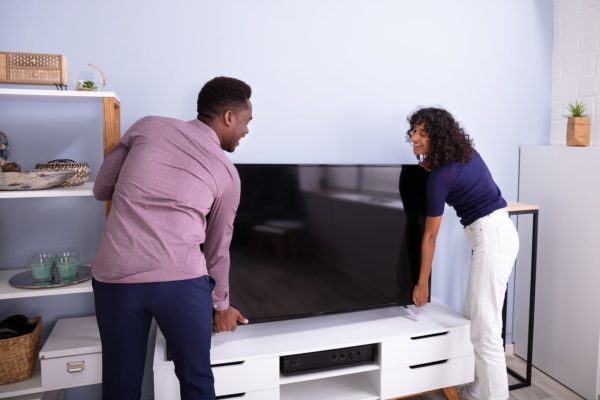
Image Source: www.selfstorageplus.com
Why Safe TV Storage Matters
Today’s TVs are thin. Their screens are fragile. They can break easily if not put away right. Think of flat screen TVs. They are not like old, bulky TVs. Their weight is spread out. The screen is the most breakable part. Putting them away without care can cause big problems. We must protect them well. This is true if you move house or just need to keep it safe for a time.
Getting the TV Ready
Before packing, do a few simple steps. This helps keep your TV in good shape.
Clean Your TV
Dust and dirt can scratch the screen during packing. Use a soft cloth. A microfiber cloth is best. Gently wipe the screen and the frame. Do not use harsh cleaners. Just a dry cloth usually works. If you need a little moisture, use a screen-safe cleaner on the cloth, not on the TV.
Disconnecting Everything
Disconnecting TV cables before storage is very important. Unplug the power cord. Unplug all HDMI cables, audio cables, and any other wires. Take pictures of the back of the TV first. This helps you remember where each cable goes later. You can also label the cables and the ports on the TV. Use small pieces of tape and a marker. Put the remote, stand, and cables in a separate bag or box. Keep these small things safe with the TV. You will need them when you set it up again.
What You Need for Packing
Having the right stuff makes a big difference. It protects your TV from bumps and dirt.
The Original Box
If you still have the box your TV came in, use it! The original TV box storage is the best option. These boxes are made for your specific TV model. They often have foam inserts. These inserts fit the TV perfectly. They hold it steady. The box is strong. It has marks showing which way is up. It tells people it is fragile. If you kept the box, you are in luck.
If You Don’t Have the Original Box
No box? No problem. You can still pack your TV safely. Find a sturdy box that is close to the size of your TV. A moving supply store might have picture frame boxes. These can work. You might need two and slide them together to make one big box. The key is to have a box that is strong enough. It needs to be big enough for the TV plus padding.
Packing Materials
You need soft things to wrap the TV. These things stop scratches and bumps.
- Bubble Wrap: Bubble wrap for TV storage is a must. Use the large bubble kind. It gives good cushioning. Wrap the whole TV in it. Pay extra attention to corners and edges.
- Moving Blankets: Moving blankets for TV are also very useful. These are thick, padded blankets. They protect from scratches and minor impacts. You can wrap the TV in blankets first, then add bubble wrap. Or use blankets as extra padding inside the box. Old quilts or thick towels can also work in a pinch.
- Foam Sheets or Corner Protectors: If you have foam sheets that came with the TV, use them. If not, you can buy foam corner protectors. These stop the corners from getting crushed.
- Packing Tape: Strong tape is needed to seal the box. Do not use tape directly on the TV screen or frame unless it is painter’s tape. Painter’s tape is less likely to leave sticky stuff or pull off finishes.
- Cardboard Sheets: Thin sheets of cardboard can add stiffness. You can cut them from old boxes. Place them inside the box around the TV.
Putting the TV Away Safely
Now it is time to pack the TV itself. Do this carefully.
Protecting the Screen
This is the most vital step. The screen must not get scratched or have pressure put on it. Protecting TV screen for storage takes special care.
- Soft Layer: Lay a clean, soft microfiber cloth or a thin foam sheet directly on the screen. Smooth it out. This is the first defense against scratches.
- Cardboard Guard: Cut a piece of sturdy cardboard the exact size of the screen. Place it over the soft layer. This adds a rigid shield. It helps spread out any pressure.
- Bubble Wrap the Screen: Now, wrap the screen area with bubble wrap. Use several layers. Make sure it covers the cardboard and soft layer completely. Tape the bubble wrap to itself, not to the TV frame or screen protector layer.
- Corner Protection: Put foam corner protectors on all four corners of the TV frame.
Wrapping the Whole TV
After the screen is safe, wrap the rest of the TV.
- Wrap the Body: Wrap the entire TV, including the protected screen, in more bubble wrap. Or use a moving blanket. Cover the front, back, and sides. Secure the wrap with tape. Again, tape the wrap to itself. Do not tape it tightly to the TV body. You want a protective layer, not a skin.
- Consider a Second Layer: For extra safety, add another layer of bubble wrap or a moving blanket. This is good for storing a TV long term or packing a flat screen TV for moving.
Putting the TV in the Box
If you have the original box, follow its instructions. Use the foam inserts. They are made for your TV.
If using a different box:
- Prepare the Box: Place a layer of padding (like crumpled packing paper, bubble wrap, or a moving blanket) at the bottom of the box.
- Lift Carefully: Get help. Flat screen TVs can be awkward to lift. Hold it by the sides, not by the screen or edges. Always keep it upright.
- Place in Box: Gently lower the wrapped TV into the box. Keep it upright. Make sure it fits snugly but is not forced.
- Add More Padding: Fill any empty space in the box with more padding. This stops the TV from moving around inside. Place padding along the sides, top, and bottom. If you used cardboard sheets around the screen, make sure they stay in place.
- Close and Seal: Close the box flaps. Use strong packing tape to seal all the seams. Tape the bottom and top well. Add extra tape along the edges for strength.
Label the Box
Use a thick marker. Write “FRAGILE” in big letters on all sides. Draw arrows pointing up. Write “This Way Up” clearly. Write what is inside: “Flat Screen TV”. This tells anyone handling the box to be careful and keep it upright.
Where to Keep Your TV
The place you choose for storage is very important. It needs the right conditions.
Ideal Storage Spot
The best place is cool, dry, and has a steady temperature. A spare room inside your house is great for temporary TV storage or long-term storage. A climate-controlled storage unit is also a good choice for storing a TV long term.
Places to Avoid
- Storing TV in garage: This is often a bad idea. Garages can get very hot in summer. They can get very cold in winter. This can harm the electronics inside the TV. Garages can also be damp. Moisture can cause rust and damage circuits. Dust and pests like rodents can also be a problem in garages.
- Attics: Attics also have big temperature changes. They can get very hot. They can also have humidity problems.
- Basements: Basements can be cool, but they are often too humid. High humidity is bad for electronics.
Temperature and Humidity
Extreme heat or cold is bad for TVs. So are fast changes in temperature. High humidity can cause moisture damage. Low humidity can sometimes cause static electricity issues, though moisture is the bigger threat. Aim for a place where the temperature stays between 50°F and 80°F (10°C and 27°C). Keep humidity low, ideally below 50%.
Here is a simple look at storage spots:
| Storage Spot | Temp Stability | Humidity | Dust/Pests | Risk Level | Good for? |
|---|---|---|---|---|---|
| Inside House (Spare Room) | Good | Low | Low | Low | Temporary or Long Term |
| Climate-Controlled Unit | Very Good | Low | Low | Very Low | Long Term |
| Heated/Cooled Basement | Good | Varies | Low | Medium | Check Humidity First |
| Garage | Poor | Varies | High | High | Not Recommended |
| Unfinished Basement | Poor | High | Medium | High | Avoid |
| Attic | Poor | Poor | High | High | Avoid |
How to Put the Box Away
Once your TV is packed and you have the right spot, put the box away correctly.
Keep it Upright
This is very important. Flat screen TVs should always be stored standing up. Never lay them flat. Laying a TV flat puts all the weight and pressure on the screen. This can cause damage. The box should have “This Way Up” arrows. Follow them.
Do Not Stack Things On It
Do not put other boxes or heavy items on top of the TV box. The pressure can damage the screen, even through the packing materials. Stack other boxes next to the TV box. Make sure nothing can fall onto it.
Keep it Off the Floor (If Possible)
If storing in a basement or garage (even if not recommended, if you must for a short time), put the box on a pallet or some wood blocks. This keeps it off the concrete floor. Concrete can get cold and damp. Keeping the box raised helps protect it from moisture and cold transfer from the floor.
Checking on Your TV (Long Term)
If you are storing a TV long term, it is a good idea to check on it every few months. Visit the storage location. Look at the box. Is it still dry? Are there any signs of pests? If you live in a place with high humidity, you might consider putting some moisture absorbers (like silica gel packets or calcium chloride products) near the box, but not touching it. This helps keep the air dry around the TV.
Getting Your TV Back Out
When you are ready to use your TV again, take care unpacking it.
- Move Carefully: Bring the box to the place where the TV will be set up. Handle it gently. Keep it upright.
- Let it Adjust: If the TV has been in a cold place, let the box sit unopened in the new room for a few hours. This lets the TV warm up slowly. It helps stop moisture from forming inside (condensation). This is critical if moving from a cold garage to a warm house.
- Unpack Slowly: Open the box carefully. Remove the extra padding. Take out the TV. Remove the outer layers of bubble wrap or blankets. Take off the screen protector layers last. Be gentle with the screen.
- Set Up: Attach the stand or mount the TV. Refer to the pictures you took earlier to help with disconnecting TV cables before storage. Reconnect all the cables. Plug it in and turn it on. Check to make sure it is working correctly.
Quick Summary: Best Way Tips
To store your TV safely and avoid damage:
- Clean the TV gently.
- Disconnecting TV cables before storage.
- Use the original TV box storage if you have it.
- If no original box, use a strong box with padding.
- Protecting TV screen for storage is key: soft cloth, cardboard, then bubble wrap.
- Wrap the whole TV in bubble wrap for TV storage or moving blankets for TV.
- Keep it upright.
- Store in a cool, dry place with stable temperature. Avoid storing TV in garage or attic due to heat, cold, and humidity.
- Do not stack anything on the box.
- Check on it if storing a TV long term.
- Unpack carefully and let it adjust to room temperature.
Following these steps gives you the best way to store a TV safely. Whether it is packing a flat screen TV for moving or just temporary TV storage, these tips help keep your TV like new.
Frequently Asked Questions
Have more questions about putting your TV away? Here are some common ones.
Can I store a TV flat on its screen or back?
No, never store a flat screen TV laying down. Always store it upright, just like you would carry it. Laying it flat puts stress on the screen panel and other parts inside. This can cause it to break or stop working right.
Is the original box absolutely necessary?
No, the original box is the best option because it is made for your TV. But it is not the only way. A strong moving box, like a picture or mirror box, can work. You need to add lots of protective padding like bubble wrap, blankets, and foam to keep the TV safe inside a generic box.
How long can I store a TV?
You can store a TV for a long time, even years, as long as it is packed correctly and kept in a good storage place. The key is a stable environment. Avoid places with big swings in heat, cold, or humidity.
What if I don’t have bubble wrap or moving blankets?
You can use thick towels, quilts, or padded furniture covers. Crumpled packing paper or even newspaper can fill empty spaces in the box to stop the TV from shifting. Just make sure the screen itself is covered with something clean and soft first, maybe a clean sheet or microfiber cloth, before adding bulkier padding.
Should I insure my TV during storage?
If the TV is valuable and you are using a paid storage unit or a moving company, it is a good idea to check on insurance. Your homeowner’s or renter’s insurance might cover items in storage, or the storage unit/mover might offer coverage. Read the terms carefully to know what is protected.
Can I just wrap it in a blanket and put it in a corner for temporary storage?
For temporary TV storage (like for a day or two while painting a room), wrapping it in a moving blanket and keeping it upright in a safe corner away from traffic might be okay. However, for anything longer, or if there’s any chance of it being bumped, proper packing with screen protection and a box is much safer. It is always better to overprotect than underprotect.
Putting your TV away safely means it will be ready to go when you need it again. Taking a little time now saves you big problems later.