
You want to know how to take a fridge out of your camper, and yes, you can do it yourself, but it needs careful work and following safety steps closely. This guide gives you expert tips for the RV refrigerator removal process. Taking out a camper fridge, especially an absorption model, involves disconnecting gas and electrical lines, finding hidden screws, and carefully sliding out the heavy appliance. Getting it right means staying safe and not damaging your RV or the fridge.
Let’s go step-by-step through taking out your camper fridge.
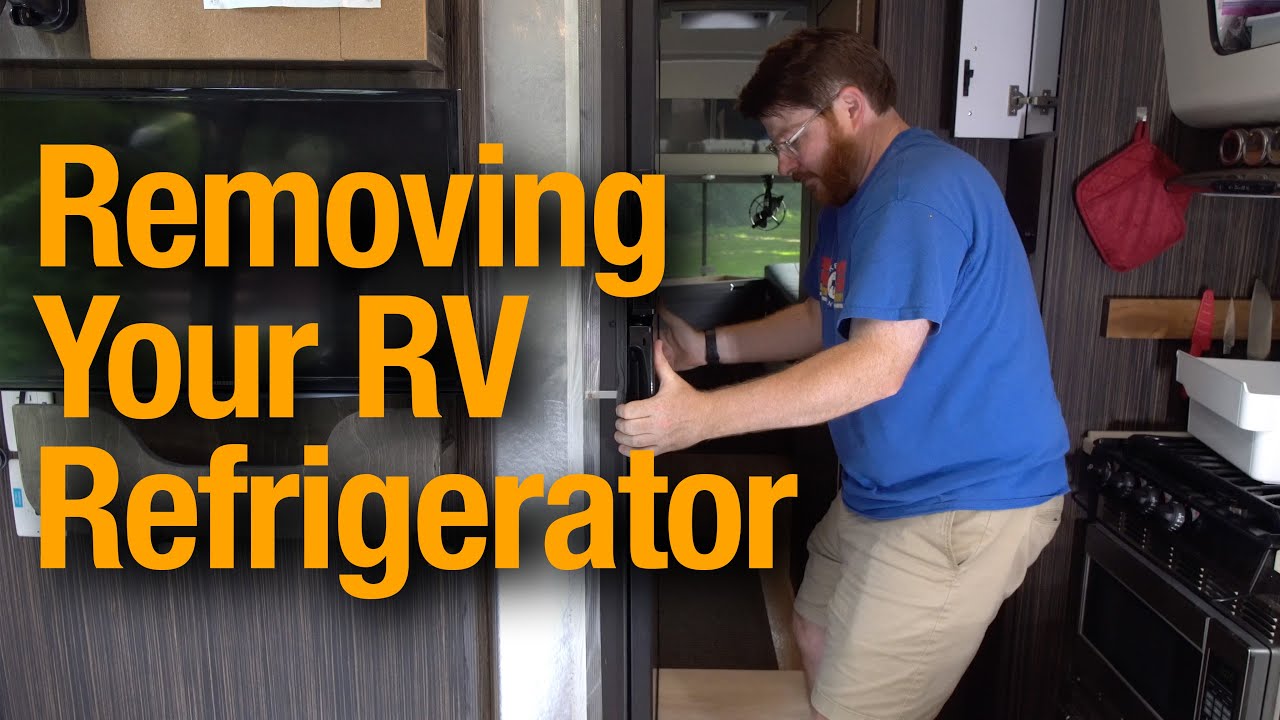
Image Source: i.ytimg.com
Getting Ready Safely
Taking out an RV fridge isn’t super hard, but you must be ready. Safety is the most important thing here. You’re working with gas and electricity, which can be dangerous if you don’t shut them off right. The fridge is also heavy and bulky, so you need to plan how to move it out without hurting yourself or your RV.
Why Being Prepared Helps
Being ready means you know what tools you need. You know the steps to take. You also know the dangers, like gas leaks or electric shocks. This helps you work without problems and finish the job safely. It makes the whole RV refrigerator removal process go much smoother.
Tools You Will Need
Gathering your tools before you start saves time and stops you from having to stop in the middle.
- Screwdrivers: You’ll likely need different types and sizes (Phillips head is common).
- Wrench or Adjustable Wrench: For disconnecting the gas line. Make sure it fits the gas line nut.
- Socket Set: Some screws might be bolts needing a socket.
- Wire Strippers/Crimpers: You might need to cut or reconnect wires.
- Voltage Tester: Very important to check if wires are live before you touch them.
- Gloves: Protect your hands.
- Safety Glasses: Protect your eyes from dust or falling bits.
- Work Light or Headlamp: To see in tight spaces behind the fridge.
- Putty Knife or Scraper: To gently pry trim or sealed edges.
- Furniture Dolly or Hand Truck: Helps move the heavy fridge once it’s out.
- Blankets or Cardboard: To protect your RV floor and the fridge.
- Camera or Phone: Take pictures before you disconnect things. This helps you remember where wires and gas lines go if you are Replacing RV refrigerator later.
- Soap and Water or Leak Detector Spray: To check for gas leaks after disconnecting.
Safety First! Gas and Electricity
This is the most important part. You must turn off the gas and electricity completely before you touch anything behind the fridge.
- Gas: RV fridges often use propane. You need to turn off the main propane valve on your RV’s tanks. Then, you need to disconnect the gas line right at the fridge. Propane is flammable and can cause fires or explosions. Work in a place with fresh air. Do not smoke.
- Electricity: Your fridge likely uses both 120V AC (like in your house) and 12V DC (from your RV battery). Go to your RV’s power panel. Turn off the breaker for the fridge (usually labeled “Refrigerator” or “AC Outlets”). If there’s a fuse for the 12V fridge circuit, pull that too. Check with your voltage tester to be sure the wires are dead before you touch them.
Clearing the Space
Remove everything from inside the fridge. Take out the shelves and drawers. This makes the fridge lighter. It also stops things from falling out when you tilt or move the fridge. Clear the area in front of the fridge too. Make sure you have a clear path to slide it out and move it away from the RV. Remove anything on the floor or nearby furniture that could get in the way or get damaged.
Getting to the Fridge Parts
An RV fridge is put in from the inside, but many of the connections (gas, electric) are behind it. You usually get to these connections from outside the RV.
Inside the RV Prep
- Emptying: Take out all food and drinks.
- Shelves and Drawers: Remove these. They can make the fridge lighter and easier to handle.
- Fridge Doors: On some models, you can take the doors off. This might make it easier to get through a narrow door, but it’s often not needed just for the removal process within the RV space.
Finding the Outside Access
Most RV fridges have a vent or access panel on the outside wall of the RV. This is usually high up on the side where the fridge is inside. This is the Camper fridge vent panel.
- Locating the Panel: Look on the outside wall directly behind where the fridge sits inside. It’s typically a plastic or metal cover with vents.
- Removing the Panel: These panels are usually held on with a few screws around the edge. Use your screwdriver to take these out. The panel might be sealed with caulk. You might need to gently pry it loose with your putty knife. Keep the screws safe!
- What You See Inside: Once the panel is off, you’ll see the back of the fridge. This is where the magic happens (and the scary parts, like gas and wires, are!). You’ll see pipes, wires, insulation, and maybe the gas valve and electric connections. This is where you’ll do most of the Disconnecting camper fridge gas and dealing with the RV fridge electrical wiring. You might also see some of the Removing RV refrigerator mounting screws from this side.
Turning Everything Off and Disconnecting
This is where you deal with the gas and power lines. Take your time and be very careful.
Disconnecting the Gas Line
This is the most important safety step.
- Turn Off Main Propane: Go to your propane tanks and turn the main valve handle until it’s shut off tight.
- Find the Fridge Gas Valve: Behind the Camper fridge vent panel, look for a small gas valve. It usually has a handle (sometimes just a slot you turn with a screwdriver). Turn this valve off. It should be a quarter turn if it’s a ball valve type.
- Bleed the Line: With the main tank off and the fridge valve off, you can gently open the gas line fitting at the fridge just a tiny bit to let out any pressure or leftover gas in the line. You might hear a small hiss or smell a tiny bit of gas. Do this only if you are comfortable and in a well-aired space. Re-tighten the fitting slightly afterwards.
- Disconnect the Line: Use your wrench to loosen the nut connecting the gas line to the fridge’s gas valve. There might be two wrenches needed – one to hold the valve steady and one to turn the nut. Be careful not to bend or twist the gas line. Once the nut is loose, disconnect the line.
- Cap the Line: It’s a good idea to put a cap on the end of the gas line you disconnected in the RV wall space. This stops dirt or bugs from getting in. You can get these caps at a hardware store.
- Check for Leaks (Later): After you disconnect and cap the line, and especially if you are Putting Back a different fridge, you’ll check for leaks when the gas is turned back on. But for now, the line to the fridge is off and disconnected. This is a key part of Disconnecting camper fridge gas.
Handling the Electrical Wires
Your fridge has electrical connections, usually for both 12V DC (runs the control board when on gas) and 120V AC (runs the electric heating element).
- Confirm Power is Off: Use your voltage tester to touch the wires you see behind the panel. Make sure there is no power on any wire. Check both AC (120V) and DC (12V) wires if you can identify them.
- Find the Connections: Look for wire nuts, screw terminals, or plug connectors. The 120V wire might be a regular plug or wired into a junction box. The 12V wires usually go to a terminal block or directly into the fridge control board.
- Disconnect the Wires:
- 120V AC: If it’s a plug, just unplug it. If it’s hardwired, you’ll need to disconnect the wires at the junction box or terminal block. Make sure you know which wire is which (black is hot, white is neutral, green is ground). Take a picture!
- 12V DC: These are usually connected with screw terminals or quick connectors. Note which wire goes to which terminal (usually labeled + and -). Disconnect these wires.
- Secure the Wires: Once disconnected, tape the ends of the wires with electrical tape, especially the 120V wires, even though the breaker is off. This adds an extra layer of safety and keeps them tidy. You can also tape them back against the RV wall. Dealing with the RV fridge electrical wiring correctly prevents shocks and damage. This covers the RV fridge power connection points.
Releasing the Fridge from the Wall
Now that the gas and power are safely off and disconnected, you need to free the fridge from where it’s mounted in the wall opening. This involves Removing RV refrigerator mounting screws.
Where to Find the Screws
RV fridges are typically held in by screws in a few places:
- Inside the Fridge: Open the fridge doors. Look inside the top corners and sometimes the bottom corners. You’ll often see screws hidden under plastic caps or plugs. Pry these caps off gently with a small screwdriver or knife to find the screws underneath.
- Behind the Outside Vent Panel: Look around the frame of the fridge where it meets the RV wall from the outside access area. There might be screws here too.
- Side Trim: Sometimes, there are screws along the trim piece that surrounds the fridge on the inside of the RV.
Removing All the Screws
Use the right screwdriver or socket for each screw. Take out all the screws you can find that connect the fridge frame to the wooden opening in the RV wall.
- Be Careful: Don’t strip the screw heads. Use the right size tool.
- Look Hard: These screws can be hidden well. Shine your light into corners. Feel around the edges inside and outside. You must find all of them. The fridge won’t budge if even one is still connected.
- Keep Screws Organized: Put the screws in a container or baggie so you don’t lose them, especially if you plan on Replacing RV refrigerator later.
Checking for Seals or Adhesives
Some fridges might have a bit of sealant or caulk around the edge where they meet the wall or trim inside the RV. Use your putty knife to gently break this seal. Don’t force it. The main hold is the screws.
Sliding Out the Heavy Box
The fridge is now disconnected and unscrewed. It’s just sitting in the opening. Now comes the hard part: getting it out. Remember, this is where Sliding out camper refrigerator happens.
It’s Heavy! Get Help
RV fridges are much heavier than they look. Even small ones weigh over 50 pounds. Larger ones can be 100 pounds or more. Do not try to lift or slide it out by yourself. Get at least one other person to help you. More if it’s a big fridge.
How to Pull It Out
- Protect the Floor: Lay blankets or cardboard down on the floor in front of the fridge. This protects your RV floor from scratches and helps the fridge slide easier.
- Get a Good Grip: Decide how you and your helper(s) will grab the fridge. The sides are usually the best place. Avoid grabbing doors that might come off.
- Pull Straight: Pull the fridge straight out from the opening. Go slowly. It should slide forward. If it catches, stop. Don’t force it. Check again for missed screws, wires, or gas lines.
- Support the Weight: As the fridge comes out, it will tilt forward. You and your helper(s) must support its weight. Be ready for this.
- Navigate the Space: Carefully guide the fridge through your RV doorway or wherever you plan to take it. This is where taking off the doors (if possible for your model) might help in tight spaces.
Using a Dolly
Once the fridge is mostly or all the way out of the opening, get it onto your furniture dolly or hand truck. This saves your back! Tip the fridge slightly and slide the dolly under it. Secure it if needed.
This covers the main actions for Sliding out camper refrigerator.
Finishing Up and Planning Ahead
You did it! The fridge is out. What happens next depends on why you took it out.
Full Removal from the RV
Carefully move the fridge out of the RV using the dolly. Watch doorways, steps, and anything else in your way. Make sure your helpers know the path.
Sealing the Opening
If you’re not putting a new fridge in right away, you need to seal the large hole left in your RV wall. You can use plywood cut to size and insulated, then cover the outside vent opening temporarily to keep out weather, bugs, and animals.
Getting Ready for a New Fridge
If you are Replacing RV refrigerator, now is the time to clean the opening. Check the gas line and electrical wires to make sure they are in good shape for the new fridge. The process for Putting Back a new fridge is generally the reverse of taking the old one out. This is part of the Uninstalling camper appliance process that leads to reinstalling one.
Getting Rid of the Old Fridge
Absorption fridges contain chemicals in their cooling unit. You can’t just throw them away everywhere. Check with your local waste disposal rules on how to get rid of appliances with refrigerants or chemicals safely and legally.
More on Absorption Fridge Removal Steps
Most RV fridges are absorption fridges. The steps listed above cover these types very well. However, here are a few specific points about Absorption fridge removal steps:
- Cooling Unit: The back of the fridge has a network of pipes and a boiler section. This is the cooling unit. Be careful not to damage these pipes when you’re moving the fridge or working behind it.
- Ammonia: Absorption fridges use ammonia inside the sealed cooling unit. If you smell ammonia and see a yellow or green powdery substance behind the fridge, the cooling unit is leaking. This fridge is broken and needs replacing. Ammonia gas is toxic, so be careful and air out the area.
- Gas Valve: The specific gas valve and burner assembly are key parts you disconnect. Make sure you know how they connect if you need to use any parts for a similar replacement, though usually, you just disconnect the line leading to this assembly.
- Ventilation: The outside vent panel and often a roof vent are critical for the safe operation of an absorption fridge (venting exhaust heat and any small fumes). Make sure these areas are clear during removal and check them when installing the new fridge.
These are specific points related to the Absorption fridge removal steps.
Replacing the RV Refrigerator
If your goal was Replacing RV refrigerator, the process is mostly the reverse of removal.
- Prepare the New Fridge: Read the installation instructions for the new fridge.
- Position: Carefully lift and slide the new fridge into the opening. Get help!
- Connect Utilities: Reconnect the electrical wires (12V and 120V). Reconnect the gas line.
- Check Gas for Leaks: This is vital. Turn the main propane on. Use soapy water or leak detector spray on the gas line connection at the fridge. Look for bubbles. If you see bubbles, turn the gas off immediately and tighten the fitting. Test again.
- Secure the Fridge: Re-install the mounting screws inside the fridge and outside behind the vent panel. Make sure it’s securely fastened.
- Replace Panels/Trim: Put the outside vent panel back on. Re-install any inside trim pieces.
- Test: Turn on the gas valve at the fridge. Turn on the electrical breakers/fuses. Turn on the fridge and test both gas and electric operation.
This process of Uninstalling camper appliance and installing a new one requires attention to detail at every step.
Common Problems and What to Do
Even with a plan, things can go wrong. Here are a few common issues and how to handle them.
- Screws Won’t Come Out: The mounting screws might be old, stripped, or rusted. Try a screw extractor set. If a screw head is stripped, you might need to carefully drill it out. Be careful not to damage the RV wall.
- Fridge Won’t Budge After Removing Screws: You likely missed a screw or a connection. Go back and re-check everywhere – inside the fridge corners, behind the outside panel, along the trim. Gently try to rock the fridge to see where it’s still held.
- Smelling Gas: If you smell gas after you think you’ve turned everything off and disconnected, stop immediately. Air out the RV. Double-check that the main propane tank valve is fully closed. Check the gas valve at the fridge area. Make sure the disconnected line is capped. If you can’t find the source or the smell continues, leave the RV and get help from a professional RV technician. This highlights the importance of Disconnecting camper fridge gas correctly.
- Electrical Spark: If you get a spark when disconnecting wires, it means the power wasn’t fully off. Stop immediately. Go back to your power panel and ensure all relevant breakers and fuses are off. Use your voltage tester to confirm the wires are dead before touching them again. Correct RV fridge electrical wiring handling is crucial.
- Fridge is Too Heavy: If you and your helpers can’t safely lift or slide the fridge, stop. Don’t risk injury. Get more help or consider hiring a professional for this part. Sliding out camper refrigerator safely is key.
Safety Reminders
Let’s quickly go over the most important safety points again:
- Turn Off Gas: Always turn off the main propane tank valve and the valve near the fridge.
- Turn Off Electricity: Always turn off the correct breakers and fuses at the power panel. Test wires with a voltage tester.
- Work in Fresh Air: Especially when dealing with gas lines.
- Get Help: Never try to move a heavy fridge alone.
- Wear Safety Gear: Use gloves and eye protection.
- Double Check: Before disconnecting anything, double-check that the power and gas are off. Before pulling the fridge, double-check that all screws and connections are free.
- Leak Test: Always test gas connections for leaks after they are reconnected (if replacing).
Following these steps and safety tips will help you remove your camper fridge correctly and safely.
Frequently Asked Questions (FAQ)
- How long does it take to remove an RV fridge?
It can take anywhere from 2 to 4 hours, or even longer, especially if it’s your first time or you run into stuck screws or hidden connections. - Do I need special tools?
You’ll need common hand tools like screwdrivers and wrenches. A voltage tester is highly recommended for safety. A furniture dolly is very helpful for moving the heavy fridge. - Can I remove the fridge by myself?
No, it’s strongly recommended to have at least one other person to help. RV fridges are heavy and bulky, making them hard and unsafe to move alone. Sliding out camper refrigerator needs teamwork. - What’s the difference between removing an absorption fridge and a residential fridge?
The main difference is the utility connections. Absorption fridges have both gas and 12V/120V electrical connections and a specific vent system. Residential fridges only have 120V electrical (or sometimes 12V in newer setups) and don’t need the same type of outside ventilation panel for operation (though they still need airflow around the back). The mounting and sliding process is often similar, but managing the Disconnecting camper fridge gas is unique to absorption types. - What should I do with the hole after the fridge is out?
If you’re not replacing the fridge right away, you should seal the opening from the inside and put the outside vent cover back on (or cover the opening securely from the outside) to prevent water leaks, drafts, and pests from entering your RV. - Are there safety shut-offs I should know about?
Yes, besides the main RV propane tank valve and the fridge’s local gas valve, some RVs might have an extra shut-off valve in the gas line run near the fridge location. Always ensure gas is off at the source. Electrical systems have breakers and fuses that must be turned off.
Taking out a camper fridge is a project you can tackle, but planning, safety, and patience are your most important tools. By carefully following these steps, you can successfully complete the Uninstalling camper appliance task and be ready for whatever comes next for your RV space.