
Does your air conditioner feel like it is not pushing air out like it used to? A weak air conditioning flow is a common problem. It makes your home feel warm even when the AC is running. You can often make your air conditioner blow harder yourself. Simple steps like checking your air filter and vents can help. Sometimes, bigger issues like dirty coils or duct problems cause an AC airflow problem. Fixing these can greatly improve AC output.
Keeping your AC working well is important. Good air conditioner maintenance helps it run strong. It also makes your AC last longer. A simple AC system check can find small problems before they get big. Let’s look at how to fix weak airflow and get your cool air moving again.
Image Source: wg.scene7.com
Simple Fixes Anyone Can Try
Sometimes, the problem is easy to find and fix. These steps don’t need special tools or skills. They are a good place to start when you have an AC airflow problem.
Your Air Filter
This is the most common reason for weak air conditioning flow. The air filter cleans the air before it goes into your AC system. It catches dust, dirt, and pet hair.
Grasping Why Filters Matter
Imagine trying to breathe through a thick blanket. That’s what your AC does with a dirty filter. The filter gets clogged over time. This blocks the path for air. Less air can get through the system. This means less cool air blows from your vents. A dirty filter also makes your AC work harder. This uses more energy and can hurt parts of the system.
How to Check and Change Your Filter
Checking your air filter is fast and easy. You should do it often. How often depends on the filter type and how you use your AC. Many people check it once a month.
Here are the steps:
- Find your air filter. It is usually near the indoor AC unit or in a return air vent on a wall or ceiling.
- Open the filter slot or cover.
- Pull out the old filter.
- Look at it. Is it covered in dust and dirt? Can you see light through it? If it looks dirty or clogged, it needs changing.
- Note the size of the filter. The size is printed on the side of the filter frame. It will look like 16x20x1 or similar.
- Get a new filter of the same size. You can find them at hardware stores or online.
- Put the new filter in place. Look for an arrow on the filter frame. This arrow shows the direction of airflow. It should point towards the AC unit.
- Close the filter slot or cover.
The Benefits of a Clean Filter
Using a clean air filter AC makes a big difference.
- More Airflow: Clean filters let air move freely. This makes your AC blow harder.
- Better Cooling: More cold air gets into your rooms. Your home cools faster and stays cooler.
- Lower Energy Bills: The AC doesn’t have to work as hard. This uses less power and saves you money.
- Longer AC Life: A clean filter protects the AC parts from dirt. This helps your unit last longer.
Changing your filter is the number one thing you can do to fix an AC airflow problem. It is simple and cheap. Don’t skip this step in your air conditioner maintenance.
Your Air Vents
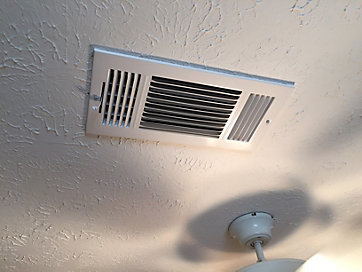
Air vents are where the cool air comes into your rooms. If these vents are blocked or closed, the air cannot get out. This leads to weak air conditioning flow in those rooms.
Checking for Blockages
Walk around your home. Look at all the air vents.
- Are any vents closed? Some people close vents in rooms they don’t use. This is often not helpful. It can put too much pressure on the system. It can also make airflow weaker in other rooms.
- Are any vents blocked by furniture? Sofas, chairs, or tables can sit right on top of floor vents. Curtains can cover wall vents. This is a common cause of
vent obstructions. - Are any vents dirty? Dust can build up on vent covers.
Simple Steps to Fix Vent Issues
- Open all the air vents in your home. It is usually best to keep all vents open. This helps the system work right.
- Move furniture away from vents. Make sure there is a clear path for air to flow out.
- Tuck curtains so they don’t cover vents.
- Clean dust and dirt off the vent covers. This won’t fix blockages inside the walls, but it helps keep air moving out cleanly.
Fixing vent obstructions is another easy step. It costs nothing and can make a real difference in improve AC output.
Looking at Deeper Problems
If checking filters and vents doesn’t fix the weak air conditioning flow, the problem might be deeper inside the system. These issues might need more work or even help from a pro.
The Evaporator Coil
The evaporator coil is inside your home’s AC unit. It’s where the air gets cooled. The air from your house blows over this cold coil. The coil absorbs heat from the air. Then the cool air blows out through the vents.
Comprehending Coil Problems
Over time, dirt and grime can build up on the evaporator coil. This happens even with a good air filter. The dirt sticks to the wet coil.
- Blocked Airflow: A dirty coil is like a dirty filter. It blocks the path for air. Air cannot flow easily over the coil to get cooled and sent out. This causes a big
AC airflow problem. - Less Cooling: Dirt on the coil acts like a blanket. It stops the coil from absorbing heat well. The air doesn’t get as cool. So, even if some air gets through, it’s not cold enough.
- Freezing: If airflow is really low because of dirt, the coil can get too cold. Moisture in the air freezes onto the coil. This ice block makes airflow even worse! It can damage the AC.
A dirty evaporator coil is a major reason for weak air conditioning flow and poor cooling.
Evaporator Coil Cleaning
Cleaning the evaporator coil is not as easy as changing a filter. It requires opening up the indoor AC unit.
- DIY Cleaning: If you are comfortable, you can try to clean it yourself. You need special coil cleaner spray. Turn off the power to the AC unit first! Find the coil (often looks like metal fins). Spray the cleaner on it. The cleaner foams up and helps loosen dirt. The dirt and cleaner drip into a drain pan. You might need to gently brush the fins. Always follow the cleaner product’s instructions. This is often just for light dirt.
- Professional Cleaning: For heavy dirt or if you are not sure, it’s best to call an HVAC technician. They have tools and methods for thorough
evaporator coil cleaning. They can reach parts you can’t and clean it safely. This is a key part of goodair conditioner maintenance.
Regular evaporator coil cleaning can greatly improve AC output and fix AC airflow problem related to the coil.
The Blower Motor
The AC blower motor is the heart of your AC’s airflow system. It’s a big fan inside your indoor unit. Its job is to pull air from your rooms (through the return vents) and push it through the filter, over the coil, through the ducts, and out the supply vents.
Interpreting Blower Motor Issues
If the AC blower motor isn’t working right, it can’t push air strongly.
- Motor Problems: The motor can get old, weak, or have electrical issues. It might spin slower. This means less air gets pushed out.
- Blower Wheel Dirt: The blower wheel is the fan cage attached to the motor. It has many small blades. Dust and dirt can stick to these blades, especially if the filter is dirty or missing. A dirty blower wheel is unbalanced and cannot move air efficiently. It can cause
weak air conditioning flow.
Fixing Blower Motor Problems
Problems with the AC blower motor or wheel often need a pro.
- Cleaning the Blower Wheel: If the blower wheel is dirty, it needs cleaning. This means opening up the blower housing inside the air handler. The wheel might need to be removed. This can be tricky. Special brushes and vacuums are used. A pro can do this safely and thoroughly.
- Motor Repair or Replacement: If the motor itself is faulty, it needs repair or replacement. This involves electrical work and parts replacement. This is definitely a job for a qualified HVAC technician.
Issues with the AC blower motor can be a major cause of weak air conditioning flow. Addressing them with air conditioner maintenance can significantly improve AC output.
The Ductwork
Your ductwork is the system of tubes or channels that carries air from the AC unit to your rooms and back again. It’s like the highway for your cool air.
Deciphering Ductwork Problems
Problems with the ducts can seriously affect airflow.
- Clogged Air Ducts: Dust, debris, even pests can build up inside the ducts. This creates
clogged air ductsthat block airflow. This blockage can causeweak air conditioning flowin rooms far from the blockage. - Duct Leaks: Ducts can get holes or come apart at the seams. This is very common, especially in attics or crawl spaces. Cool air leaks out before it reaches your rooms. Return ducts can also leak, pulling in hot, dirty air from the attic instead of cool air from the house. Leaky ducts waste energy and cause
weak air conditioning flow. - Bad Duct Design: Sometimes, the duct system wasn’t designed well for the house. It might be too small, have too many bends, or be poorly routed. This can lead to poor airflow from the start.
- Disconnected Ducts: Sometimes sections of ductwork become completely disconnected, often in attics or crawl spaces. This means all the cool air is blowing into an unconditioned space instead of your home.
Clogged air ducts and leaks are a major source of AC airflow problem and wasted energy.
Fixing Ductwork Issues
Fixing duct problems often requires special tools and knowledge.
- Duct Cleaning: Professional duct cleaning services can remove build-up from
clogged air ducts. They use powerful vacuums and brushes. This improves air quality and can boost airflow if blockages were present. - Duct Sealing and Repair: Finding and sealing duct leaks is crucial. Leaks are often sealed with special mastic sealant or metal tape (not cloth duct tape). Large holes or damaged sections may need repair or replacement. This is a skilled job. An
AC system checkby a pro often includes checking for obvious duct leaks. - Insulating Ducts: Ducts in unconditioned spaces (attics, crawl spaces) should be insulated. This prevents the cool air inside from getting warm before it reaches your vents. While not directly making air blow harder, it makes the air that does blow out colder.
- Duct System Design Issues: Fixing poor design is complex. It might involve adding new ducts, resizing existing ones, or changing the layout. This definitely requires an HVAC professional who can assess the entire system.
Addressing clogged air ducts and leaks is key to fixing an AC airflow problem from the source. It helps improve AC output and efficiency.
Other Possible Causes
While filter, coil, blower, and ducts are most common, other issues can cause weak air conditioning flow.
Refrigerant Levels
Your AC uses a special chemical called refrigerant to cool the air. If the system is low on refrigerant (usually due to a leak), it can’t cool the air properly.
- How it Affects Airflow: Low refrigerant often causes the evaporator coil to freeze up. As mentioned earlier, ice on the coil severely blocks airflow.
- How to Fix: Adding refrigerant is not a DIY task. It’s illegal to add refrigerant without fixing the leak. An HVAC technician must find and fix any leaks, then add the correct amount of refrigerant. This is part of a full
AC system check.
System Size
Is your AC the right size for your home? An AC that is too small will run all the time but might not cool the house well or push enough air. An AC that is too big might cool too fast but not remove humidity well, leading to other issues. Sizing is done when the system is installed. If you suspect your system is the wrong size, a professional assessment is needed.
Thermostat Issues
A faulty thermostat might not signal the AC correctly. This could affect how long it runs or how it cycles, which might seem like an AC airflow problem when the system isn’t running as it should. Make sure your thermostat is set correctly and working right. Check the battery if it has one.
The Value of Regular Maintenance
You’ve seen how many parts work together in your AC. If any one part has an AC airflow problem, the whole system suffers from weak air conditioning flow. This is why regular air conditioner maintenance is so important.
What Maintenance Does
Getting your AC checked and tuned up yearly by a professional offers many benefits:
- Early Problem Finding: Technicians can spot small issues like a slightly dirty coil, minor duct leaks, or early blower motor problems before they cause major
weak air conditioning flow. - Cleaning: They can clean parts like the outdoor condenser coil and the indoor evaporator coil (part of a standard check). They can also check if the blower needs cleaning.
- Performance Check: They check refrigerant levels, electrical parts, and test airflow. They make sure the system is running as it should to
improve AC output. - Prevents Breakdowns: Fixing small issues prevents larger, more expensive breakdowns later, often related to motor failure from strain or coil damage from freezing.
- Keeps Warranty Valid: Many AC warranties require proof of yearly professional maintenance.
Think of it like getting the oil changed in your car. It keeps things running smoothly and prevents big issues. A yearly AC system check is key to keeping your AC blowing hard and cooling well.
When to Call a Professional
You can easily check your filter, open vents, and maybe gently clean dust off coils. But some issues require expert help.
Call an HVAC technician if:
- Changing the filter and checking vents doesn’t fix the
weak air conditioning flow. - You suspect a dirty evaporator coil but are not comfortable cleaning it yourself.
- You hear strange noises from the indoor unit (could be the
AC blower motor). - You see ice on the evaporator coil or refrigerant lines. This points to a serious
AC airflow problemor refrigerant issue. - You think you have
clogged air ductsor leaks. - The outside unit is running, but the inside unit is not blowing air.
- The problem came on suddenly and is severe.
A qualified technician has the tools, knowledge, and parts to properly diagnose and fix complex AC airflow problem issues. They can perform thorough evaporator coil cleaning, deal with AC blower motor issues, find and fix duct leaks, and ensure your system is running safely and efficiently to improve AC output.
Taking Action for Better Cooling
Getting your air conditioner to blow harder means letting air move freely through the system.
- Start Simple: Always check your air filter first. It’s the easiest fix for
weak air conditioning flow. - Check Your Vents: Make sure nothing is blocking the cool air outlets in your rooms. Address
vent obstructions. - Consider Deeper Cleaning: Think about
evaporator coil cleaningif airflow is still weak. - Listen to Your System: Strange noises might mean the
AC blower motorhas an issue. - Look at Your Ducts:
Clogged air ductsor leaks hide cool air and causeAC airflow problem. - Prioritize Maintenance: Regular
air conditioner maintenanceand a yearlyAC system checkare the best ways to prevent these issues and keep your AC working at its best, helping toimprove AC outputreliably.
By following these steps, you can often fix a weak air conditioning flow yourself or know when it’s time to call a pro. This will make your home cooler and more comfortable.
Frequently Asked Questions
h4. How often should I change my AC filter?
Most standard filters should be checked every 30 days. If it looks dirty, change it. Some thicker filters (3-4 inches) can last longer, maybe 3-6 months. If you have pets or allergies, check and change filters more often. This is vital for preventing AC airflow problem.
h4. Can a dirty filter really cause my AC to freeze up?
Yes, absolutely. A dirty filter blocks airflow over the evaporator coil. This makes the coil too cold. Moisture in the air freezes on the coil, creating a block of ice. This is a common cause of weak air conditioning flow and can damage your AC. Changing your clean air filter AC is the first step to avoid this.
h4. Is it okay to close vents in rooms I don’t use?
It’s generally not a good idea. Closing vents can create pressure problems in your duct system. It can lead to weak air conditioning flow in other areas and put strain on the AC blower motor. It is better to slightly adjust the temperature or use ceiling fans in occupied rooms.
h4. How can I tell if my air ducts are clogged or leaking?
Signs include uneven cooling (some rooms much hotter/colder), high energy bills for the cooling amount, dusty air, or finding disconnected ducts in attics or basements. A professional AC system check can test your ductwork for leaks and assess if you have clogged air ducts.
h4. What does an AC system check include?
A good AC system check usually includes checking refrigerant levels, cleaning coils (at least the outdoor one), checking the AC blower motor, inspecting ductwork (basic check), checking electrical parts, and testing overall performance like temperature difference and airflow. It aims to ensure the system is running safely and efficiently to improve AC output.
h4. How much does evaporator coil cleaning cost?
The cost varies based on location, how dirty the coil is, and how hard it is to reach. Simple cleaning during a tune-up might cost $100-$300 extra. A deep clean might be $300-$700 or more. Getting this done can prevent bigger AC airflow problem later.
h4. Can I fix my AC blower motor myself?
Unless you have specific electrical and HVAC knowledge and tools, it’s not recommended. Issues with the AC blower motor are often complex and involve high voltage electricity. It’s safer and often more effective to call a qualified technician for air conditioner maintenance involving the motor.
h4. How does a leaky duct affect my energy bill?
Leaky ducts can waste a lot of energy. If ducts are in a hot attic, cooled air leaks out, and hot attic air gets pulled in. Your AC runs much longer trying to cool air that is leaking or replacing it with hot air. This increases energy use and leads to weak air conditioning flow and higher bills. Sealing ducts is a great way to improve AC output and lower costs.