
Can you just throw a microwave in the regular trash? No, you cannot simply throw a microwave in the regular trash. Microwaves contain electronic components and metals that require special handling for e-waste disposal. Improper disposal can harm the environment and lead to fines. This guide will walk you through the best ways to handle microwave disposal and ensure you are choosing responsible disposal methods.
Getting rid of an old microwave can seem like a chore, but there are many ways to do it that are good for the planet and can even benefit others. Whether your microwave is broken, you’ve upgraded, or you’re just decluttering, knowing how to dispose of it properly is key. This article will explore various options, from selling and donating to recycling and professional appliance removal.
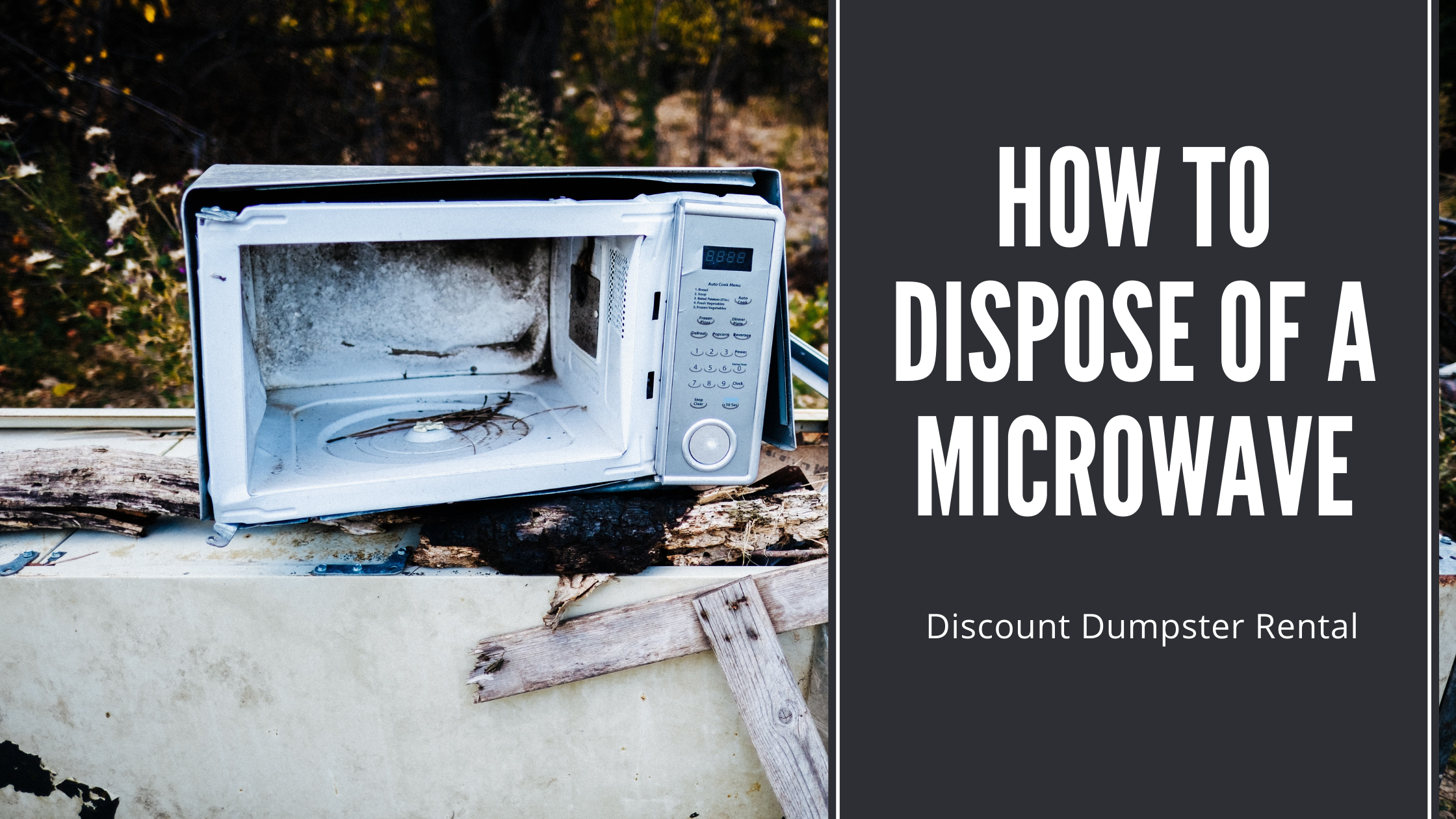
Image Source: discountdumpsterco.com
Why Responsible Microwave Disposal Matters
Microwave ovens, like other electronic devices, are considered e-waste. This means they contain materials that can be harmful if they end up in a landfill, but also valuable materials that can be recovered and reused.
Environmental Impact
- Hazardous Materials: Microwaves often contain small amounts of lead, mercury, and cadmium in their components. When these devices are crushed or broken down in landfills, these toxins can leach into the soil and groundwater, polluting ecosystems.
- Valuable Resources: They also contain metals like steel, aluminum, and copper, as well as plastics and glass. These materials can be recycled, reducing the need to mine for new raw materials, which is an energy-intensive process.
Legal and Ethical Considerations
Many regions have regulations against disposing of e-waste in regular garbage. Following these rules helps protect the environment and avoids potential fines. Choosing responsible disposal methods is also an ethical choice, contributing to a sustainable future.
Exploring Your Microwave Disposal Options
There are several practical ways to get rid of your old microwave, catering to different situations and preferences.
Option 1: Sell Your Used Microwave
If your microwave is still in good working condition, selling it is a great way to recoup some of its original cost and give it a second life.
How to Sell a Used Microwave
- Clean it Thoroughly: A clean microwave is more appealing to buyers. Remove all food residue and wipe down the interior and exterior.
- Take Good Photos: Capture clear pictures of the microwave from various angles, highlighting its condition and any features.
- Write an Honest Description: Include the brand, model, age (if known), dimensions, and any notable features or minor defects.
- Choose a Selling Platform:
- Online Marketplaces: Websites like eBay, Facebook Marketplace, Craigslist, and OfferUp are popular choices.
- Local Classifieds: Some local newspapers or community websites still have classified sections.
- Set a Fair Price: Research similar models online to get an idea of what people are paying.
- Arrange for Pickup or Shipping: Decide if you’ll allow buyers to pick it up or if you’re willing to ship it (though shipping appliances can be costly).
Option 2: Donate a Microwave
Donating a functional microwave is a fantastic way to help those in need and support local charities.
Where to Donate a Microwave
- Charity Shops: Many thrift stores accept working appliances.
- Local Shelters: Homeless shelters, women’s shelters, and refugee centers often need kitchen appliances.
- Community Centers: Some community organizations or outreach programs might accept donations for families in need.
- Schools and Religious Organizations: Smaller organizations may be able to utilize a donated microwave.
Tips for Donating
- Check Donation Requirements: Always call ahead to ensure the organization accepts microwaves and to inquire about their drop-off times or pick-up policies.
- Ensure it’s Working: Only donate appliances that are in good working order.
Option 3: Recycle Your Microwave
Recycling is the most common and environmentally sound way to dispose of a broken or unwanted microwave. This ensures that valuable materials are recovered and hazardous components are handled safely.
How to Recycle a Microwave
- Local Appliance Recycling Centers: Many municipalities have designated local appliance recycling centers. These facilities are equipped to dismantle appliances and separate materials for recycling.
- E-Waste Drop-off Events: Keep an eye out for community e-waste disposal events. These are often organized by local governments or environmental groups.
- Retailer Take-Back Programs: Some electronics retailers offer take-back programs for old appliances when you purchase a new one. Check with stores like Best Buy, Lowe’s, or Home Depot.
- Scrap Metal Recyclers: While some scrap metal yards will accept appliances, they might have specific requirements or fees. It’s best to call ahead.
What to Expect at a Recycling Center
When you bring your microwave to a recycling center, trained professionals will typically:
- Inspect the Appliance: Ensure it’s a microwave and not mixed with other waste.
- Dismantle Components: Safely remove parts like the turntable, glass tray, and any accessible electronics.
- Separate Materials: Break down the appliance into its core components: metals (steel, aluminum, copper), plastics, glass, and electronic circuit boards.
- Process for Reuse: These separated materials are then sent to specialized facilities for further processing and recycling.
Option 4: Professional Appliance Removal and Junk Haulers
If you have multiple appliances to get rid of, or if your microwave is particularly heavy or difficult to move, hiring a professional service is a convenient option.
When to Use Appliance Removal Services
- Multiple Appliances: If you’re upgrading several appliances at once.
- Difficult Access: If the microwave is in a basement, tight space, or on an upper floor.
- Lack of Time or Mobility: If you don’t have the time, strength, or transportation to take it to a recycling center yourself.
Finding Junk Removal Services
- Local Haulers: Search online for “appliance removal services” or “junk removal services” in your area.
- National Companies: Services like 1-800-GOT-JUNK? or Jiffy Junk specialize in removing unwanted items.
- Check for Responsible Practices: Inquire about how they handle e-waste disposal and whether they prioritize recycling.
What to Ask a Junk Removal Service
- Do you recycle electronics?
- What are your fees? (They often charge based on volume or type of item).
- Do you offer curbside pickup?
- What is your availability?
Option 5: Check for Microwave Repair or Replacement Programs
Before deciding to dispose of your microwave, consider if microwave repair or replacement is an option.
Repairing a Microwave
- Minor Issues: Sometimes, simple fixes like replacing a fuse or cleaning a faulty sensor can bring a microwave back to life.
- Professional Repair: If you’re not comfortable with DIY repairs, a professional appliance repair technician can assess the issue. Weigh the cost of repair against the cost of a new microwave.
Manufacturer or Retailer Programs
- Extended Warranties: If your microwave is still under warranty, contact the manufacturer or retailer for repair or replacement options.
- Trade-in Programs: Occasionally, manufacturers or retailers might offer trade-in programs for older appliances when you purchase a new one.
A Step-by-Step Guide to Responsible Microwave Disposal
Here’s a consolidated approach to ensure you handle your microwave disposal correctly.
Step 1: Assess the Microwave’s Condition
- Is it functional? If yes, consider selling or donating.
- Is it broken but repairable? Look into repair options.
- Is it beyond repair or unwanted? Proceed to recycling or disposal services.
Step 2: Explore Selling or Donation Options (if applicable)
- Prepare for Sale: Clean and photograph your working microwave. List it on appropriate platforms.
- Prepare for Donation: Clean your working microwave. Contact local charities or shelters to arrange a drop-off or pickup.
Step 3: Locate a Recycling Facility or Service
- Search Online: Use terms like “local appliance recycling centers,” “e-waste disposal near me,” or “microwave disposal.”
- Check Your City/County Website: Many government websites list local recycling resources.
- Contact Retailers: Ask about take-back programs when purchasing a new appliance.
- Consider Junk Haulers: If needed, research and contact professional junk removal services.
Step 4: Transport or Arrange Pickup
- DIY Transport: If you’re taking it to a recycling center, ensure it’s safely secured in your vehicle.
- Professional Pickup: If using a junk removal service or donation pickup, arrange a convenient time.
Step 5: Ensure Proper Drop-off or Collection
- At the Recycling Center: Follow their specific drop-off procedures.
- With Junk Haulers: Be present to guide them if necessary.
Table: Microwave Disposal Methods Compared
| Method | Condition of Microwave | Benefits | Considerations |
|---|---|---|---|
| Sell Used Microwave | Working | Recoup costs, reuse of item | Requires effort to list, market, and coordinate with buyers. |
| Donate a Microwave | Working | Helps others, supports charities, tax benefits* | Requires finding a suitable recipient and ensuring the item is in good condition. (*Check local tax laws). |
| Recycle Microwave | Any (especially broken) | Environmentally sound, material recovery | May require transport to a facility or a fee from a recycling service. |
| Appliance Removal/Junk Hauling | Any | Convenient, especially for multiple items or difficult access | Involves a cost, need to find a reputable service that practices responsible disposal. |
| Repair or Replace | Potentially broken | Extends product life, avoids disposal | Cost of repair may exceed replacement cost; requires finding a reliable repair service. |
Specific Considerations for Different Types of Microwaves
While the general principles apply to most microwave ovens, some specific types might have unique disposal needs.
Over-the-Range Microwaves
These are larger and heavier, often requiring two people for removal. If they are integrated into cabinetry, removal might involve minor construction. When disposing, remember to check if any built-in light bulbs or exhaust fans have special disposal requirements.
Countertop Microwaves
These are the most common type and are generally straightforward to handle. Their size and weight make them relatively easy to transport to recycling centers or for pickup by junk removal services.
Built-in Microwaves
These are typically installed into cabinetry and are less common than countertop models. Removal can be more involved, potentially requiring some carpentry skills. Like over-the-range models, ensure you’ve disconnected any wiring properly before removal.
Preparing Your Microwave for Disposal
No matter which disposal method you choose, proper preparation is important.
Cleaning
- Interior: Remove the glass turntable and support. Wash them separately. Wipe down the interior walls, ceiling, and door with a damp cloth and mild detergent. Ensure it’s completely dry.
- Exterior: Wipe down the outside casing, control panel, and door.
- Power Cord: Ensure the power cord is tidy and not damaged.
Safety Precautions
- Unplug: Always unplug the microwave from the wall outlet before moving or cleaning it.
- Condenser Discharge: While rare in modern microwaves, older models might have capacitors that can hold a charge. If you are dismantling the microwave yourself, be aware of this potential hazard. For general disposal, this is typically handled by professionals at recycling facilities.
Frequently Asked Questions (FAQ)
Q1: Can I sell a broken microwave?
A1: It’s generally difficult to sell a broken microwave unless it’s for parts. If you list it as “for parts only,” be very clear about the defect. Sometimes repair shops or hobbyists might be interested.
Q2: How do I find a local appliance recycling center?
A2: You can search online using terms like “appliance recycling [your city/state]” or “e-waste disposal [your city/state]”. Your city or county government website is also an excellent resource for this information.
Q3: Are there fees for recycling a microwave?
A3: Some recycling centers offer free drop-off for electronics, while others may charge a small fee to cover processing costs, especially for larger appliances. It’s always best to check their fee structure beforehand.
Q4: Can I dismantle my microwave myself for recycling?
A4: While possible, it’s not recommended for the average person. Microwaves contain components, like capacitors, that can be dangerous if not handled properly. Recycling facilities have the trained staff and equipment to do this safely.
Q5: What if my microwave is very old?
A5: Older microwaves still fall under e-waste disposal guidelines. The same responsible disposal methods apply. They might even contain materials that are more valuable for recycling.
Q6: What if I have a built-in microwave that’s part of my kitchen?
A6: If it’s being replaced as part of a kitchen renovation, the contractor performing the work may offer removal and disposal services. If not, you might need to treat it as a larger appliance removal, potentially requiring more effort or professional help to extract it from the cabinetry.
Q7: What are the common issues that might make a microwave beyond repair?
A7: Common issues include a non-heating magnetron, a faulty control panel, a broken door latch, or internal electrical failures. If multiple components have failed, the cost of repair often outweighs the benefit.
Q8: How can I find a reputable junk removal service?
A8: Look for services with good online reviews, clear pricing, and a stated commitment to recycling or donating items they collect. Websites like the Better Business Bureau can also provide ratings and information.
By following these guidelines, you can ensure your old microwave is disposed of in a way that protects the environment and potentially helps others. Making informed choices about appliance removal contributes to a more sustainable community.