
So, you have an old window air conditioner you need to get rid of. You can’t just put it out with the trash. This is because AC units have special chemicals inside, like Freon, that hurt the air. Getting rid of these chemicals the right way is key. You also need to think about the metal and plastic parts. Many parts can be used again through AC unit recycling. This guide will show you the right steps for proper AC unit disposal so you help the planet and follow the rules.
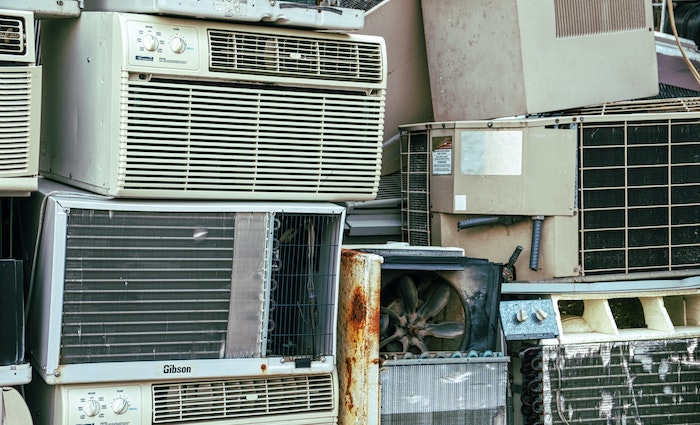
Image Source: goloadup.com
Why Getting Rid of Your Old AC Right is Important
Getting rid of an old air conditioner is more than just throwing it away. These machines have parts and chemicals that can harm the environment if not handled correctly. Thinking about environmental AC disposal is very important today.
The Risk of Harmful Chemicals
Inside most older AC units is a chemical called refrigerant. Many people call it Freon, which is a common type. These chemicals are used to make the air cool. But if they get out into the air outside, they cause big problems.
Saving Earth’s Air
One major problem with old refrigerants (like CFCs and HCFCs found in older units) is that they can damage the ozone layer. The ozone layer is high up in the sky. It helps protect us from the sun’s harmful rays. When these chemicals escape, they make holes in this layer. Newer refrigerants (like HFCs) don’t hurt the ozone layer as much, but they are still very bad for the climate. They trap heat in the air, which makes the Earth warmer. Releasing even a little bit of this chemical hurts our planet. This is why you can’t just dump it. You must dispose of refrigerant from AC with great care.
Rules About Getting Rid of Chemicals
Because these chemicals are so bad for the air, there are laws about them. In many places, you are not allowed to let refrigerants escape into the air. Only people with special training and tools can safely take these chemicals out of an AC unit. These are called Freon disposal regulations. Breaking these rules can cost you a lot of money in fines. The laws are there to protect our environment.
What Happens If You Don’t Follow Rules
If you just put your AC unit on the curb or in a dumpster, the chemicals inside might leak out. This hurts the air and breaks the law. Your trash service might not even take it. Or they might take it but charge you extra because it wasn’t prepared correctly. If you don’t follow Freon disposal regulations, you could face fines. More importantly, you harm the Earth. Doing things the right way protects our air and water. It also makes sure useful parts are recycled.
Steps to Take Before Saying Goodbye to Your AC
Before you decide how to get rid of your old AC unit, there are a few things you should do. These steps help you understand your options and make sure you follow the rules.
Checking Your AC’s Age and Type
Look at your AC unit. How old is it? Where was it made? Sometimes, newer units use different kinds of refrigerants than older ones. Knowing this might help when you call recycling centers or removal services. The type of chemical inside is key to how it must be handled. Look for stickers on the unit. They might say what kind of refrigerant is used.
Why You Can’t Just Throw It Away
We’ve said it before, but it’s worth saying again. You cannot just put your AC unit in the regular trash. It’s against the law because of the chemicals. Trash sites are not equipped to handle these chemicals safely. They can harm workers and the environment. Thinking about window air conditioner disposal options means looking beyond the trash can.
Finding Help with the Chemicals
The most important step before doing anything else is dealing with the refrigerant. You cannot and should not try to take the chemicals out yourself. This job needs special tools and training. You need to find someone certified to do this. This could be an HVAC (heating, ventilation, and air conditioning) technician. Sometimes, recycling centers or appliance removal services have staff who can do this. Ask them if they can safely remove and handle the refrigerant before you bring the unit in or they pick it up. This step makes sure you follow Freon disposal regulations and protect the air.
Grasping AC Unit Recycling
Once the chemicals are safely out, your old AC unit becomes mostly metal and plastic. These materials can be used again. AC unit recycling is a great way to keep waste out of landfills and save energy needed to make new materials.
What Parts Can Be Used Again?
A window AC unit has many parts that can be recycled.
* Metal casing
* Copper coils
* Aluminum fins
* Compressor (mostly metal)
* Fan motor
* Wires
* Some plastic parts
Recycling centers can take these parts apart and separate the materials.
Scrap Metal from Your AC
AC units are actually a good source of scrap metal for AC unit. The most valuable metals are copper and aluminum.
Metals You Can Find
- Copper: The coils (tubing) are often made of copper. This is the part where the refrigerant flows to cool the air. Copper is worth money at scrap yards.
- Aluminum: The fins attached to the coils, and sometimes the outer casing, are made of aluminum. Aluminum is also very recyclable.
- Steel: The main outer box (casing) is usually steel. Steel is a common metal for recycling.
Why Scrap Metal is Good
Recycling scrap metal uses much less energy than making new metal from raw materials. It saves natural resources. Selling the scrap metal from your AC after the refrigerant is removed might even get you a small amount of money, though often this just helps cover the cost of recycling or removal.
Getting Ready for Recycling
Before you take your AC unit for recycling or have it picked up, you need to make sure it’s ready.
Safety First!
AC units can be heavy. Be careful when lifting or moving one. If the metal is old, there might be sharp edges. Wear gloves. If you need to move it down stairs, get help.
Emptying the Chemicals (Crucial Step!)
Again, this is the most important step. You must have the refrigerant removed before recycling. A local recycling center for AC units that handles appliances will likely require this or offer the service for a fee. Make sure whoever does this is certified to dispose of refrigerant from AC according to Freon disposal regulations. This cannot be stressed enough. If you try to recycle an AC with chemicals still inside, the recycling center might turn you away or fine you.
Finding Window Air Conditioner Disposal Options
Once your old AC unit is empty of harmful chemicals, you have several ways to get rid of it properly. Knowing your window air conditioner disposal options helps you choose the best path.
Checking with Your Trash Service
While your regular weekly trash pickup won’t take it, your city or town’s waste department might have a special service for large appliances.
* Call them: Ask if they pick up old AC units.
* Ask about chemicals: Confirm if you need to have the refrigerant removed before they will pick it up. Most likely, you will.
* Schedule a pickup: If they offer the service, you usually need to call and schedule a special pickup. There might be a fee.
Contacting Your City or Town
Beyond the regular trash service, your local government might have other programs.
* Website: Check your city or town’s website for information on appliance disposal or hazardous waste. Refrigerant is considered hazardous.
* Special Events: Some towns have special collection days for large items or hazardous waste.
* Dump or Transfer Station: Your local dump or transfer station might accept AC units. Call them first. Ask about their rules and fees. Definitely ask if the refrigerant must be removed beforehand.
Using Local Recycling Centers
Many recycling centers accept appliances, including AC units. This is a primary way to ensure AC unit recycling.
Finding a Local Center
- Search online: Look for “appliance recycling,” “
local recycling center for AC units,” or “scrap metal recycling near me.” - Call ahead: Always call the center before you go.
- Confirm they accept AC units.
- Ask if you need to remove the refrigerant first, or if they have a service to do it (and the cost).
- Ask about any fees to drop off the unit.
What They Need You to Do
Most centers that handle appliances will have specific rules. They will likely require the refrigerant to be professionally removed first. They might ask for proof it was removed, like a sticker from the technician. Be prepared to pay a small fee, even if the unit is ready for recycling, as they put effort into taking it apart.
Special Appliance Programs
Sometimes other groups help you get rid of old AC units, focusing on recycling old air conditioners.
Utility Company Programs
Some power companies have programs to collect old, inefficient appliances like refrigerators, freezers, and air conditioners. They do this to help you save energy with a newer model.
* Check their website: Look for “appliance recycling program” or “rebates.”
* See if ACs are included: Not all utility programs take ACs, but some do.
* Schedule a pickup: If they do, they often pick up the unit for free and might even give you a small payment or credit on your bill. They handle the proper AC unit disposal, including the refrigerant.
Retailer Take-Back Programs
When you buy a new AC unit, the store where you buy it might take your old one away.
* Ask the salesperson: When you are buying a new AC, ask if they have a take-back or haul-away service for the old one.
* Check the cost: There might be a fee for this service.
* Confirm proper handling: Ask how they dispose of the old unit and if they ensure the refrigerant is handled correctly. This falls under appliance removal services offered by the retailer.
Working with Scrap Metal Dealers
Scrap metal yards buy metal. Since AC units have a lot of metal, they might be an option for scrap metal for AC unit.
Do They Take ACs?
- Call them: Not all scrap yards will take whole AC units, especially not with the refrigerant still inside.
- Ask about refrigerant: Most will require you to have the refrigerant removed first. Some might have a certified person on staff to do it for a fee.
- Prepare the unit: If they accept them once empty, you might need to remove the outer casing to make it easier for them.
What They Might Pay You
The amount you get for the metal in an AC unit is usually very small. The value of the metal might not even cover the cost of getting the refrigerant removed. Scrap yards pay by weight, and a window AC unit doesn’t weigh that much compared to larger items. The main goal here is not to make money, but to ensure AC unit recycling for the metal parts.
The Role of Freon Disposal Regulations
We’ve talked about refrigerant rules several times because they are so important. Freon disposal regulations (these rules apply to all types of refrigerants, not just Freon brand) are in place to protect our planet.
Why Freon is a Problem
As mentioned, these chemicals are powerful greenhouse gases. This means they trap heat in the atmosphere, making the Earth warmer. They also used to harm the ozone layer. Because of this, laws were made to control how they are used and disposed of.
Who Can Handle Freon?
The law says that only technicians certified by the EPA (Environmental Protection Agency) in the United States can remove refrigerant from appliances. They have the right training and equipment to safely take out the chemical without letting it escape. They also know how to store it properly until it can be destroyed or cleaned for reuse.
What the Law Says
In the US, the Clean Air Act has rules about refrigerants. It is illegal to release them into the air on purpose. If you own an appliance with refrigerant, you must make sure that when it’s disposed of, the chemical is recovered by a certified technician. This is the core of Freon disposal regulations. Other countries have similar laws.
Making Sure It’s Done Right
When you use an appliance removal service, local recycling center for AC units, or a technician, ask if they are certified to handle refrigerants. A reputable service will follow the law and have the necessary certifications. Don’t just assume they do it correctly. Ask specific questions about how they dispose of refrigerant from AC. This step is crucial for proper AC unit disposal.
Letting Others Handle the Job
Sometimes, the easiest option for window air conditioner disposal options is to pay a professional service to take care of everything. These are called appliance removal services.
What Appliance Services Do
Appliance removal services specialize in picking up large items like refrigerators, washers, dryers, and AC units.
* They come to your home.
* They do the heavy lifting.
* They transport the unit away.
* Many of them also handle the proper disposal, including refrigerant removal and AC unit recycling.
How to Pick a Good Service
- Check if they take ACs: Make sure the service specifically mentions taking air conditioners.
- Ask about refrigerant: This is key! Confirm they have certified staff who can safely remove the refrigerant before recycling or disposal. Ask if the cost includes this service.
- Get a price: Find out their fee upfront. Compare costs from different services.
- Check reviews: Look for reviews online to see if other customers were happy with their service and reliability.
- Ask about their disposal method: Do they take the units to a
local recycling center for AC units? Do they work with certified scrap yards? A good service will be open about how they handleproper AC unit disposal.
What It Might Cost
Using an appliance removal service usually costs money. The price can depend on where you live, how easy it is to access the unit, and whether the service includes refrigerant removal. It might range from $20 to $100 or more. While it costs money, it saves you time, effort, and worry about following the law correctly.
Making Sure They Handle Chemicals Right
Again, when using these services, verify their process for dispose of refrigerant from AC. A reliable service will tell you they have certified technicians who follow Freon disposal regulations. This is a non-negotiable part of environmental AC disposal.
More About AC Unit Recycling
Let’s dive a little deeper into what happens when your old AC unit goes to a place that does recycling old air conditioners.
The Process of Taking Apart ACs
Specialized recycling centers have trained workers who carefully take apart the AC units.
1. Refrigerant Recovery: First and most importantly, any remaining refrigerant is safely removed using vacuum pumps and stored in special containers. This step must happen first if it wasn’t done already.
2. Component Separation: Workers then separate the different parts. They use tools to take out the compressor, coils, fans, and electronics.
3. Material Sorting: The separated parts are then broken down further. Metals (copper, aluminum, steel) are put in different piles. Plastics are collected. Wires are stripped.
What Happens to Different Pieces
- Metals: Go to metal recycling facilities to be melted down and turned into new metal products. This is where the
scrap metal for AC unitvalue comes into play. - Plastics: Can sometimes be processed and used to make new plastic items. The type of plastic matters here.
- Wires: The copper inside wires is recovered and recycled.
- Compressor: Contains oil and often residual refrigerant. These are handled carefully. The metal in the compressor is also recycled.
- Other Parts: Motors and electronic components are also recycled to recover valuable materials and prevent harmful substances from ending up in landfills.
Why Recycling Helps the Earth
Recycling old air conditioners is a vital part of environmental AC disposal.
* Saves Resources: It means we don’t have to dig up as much new metal ore from the ground.
* Saves Energy: Melting down existing metal uses much less energy than processing new metal.
* Reduces Waste: Fewer old AC units end up sitting in landfills for hundreds of years.
* Prevents Pollution: By safely handling chemicals and recycling materials, we prevent pollution of the air, soil, and water.
Choosing the Best Way for the Earth
Making the right choice for proper AC unit disposal is about more than just getting rid of something old. It’s about being responsible for the items we use, especially those with potential environmental hazards like refrigerants. Environmental AC disposal should be the main goal.
Why Every Part Counts
Every part of your old AC unit, from the chemical inside to the metal shell, has a path it should follow at the end of its life. The chemicals need careful handling. The metals and plastics can be reused. Throwing the whole thing in the trash breaks this chain and harms the planet.
Being a Good Earth Helper
Choosing to properly dispose of refrigerant from AC, find a local recycling center for AC units, or use appliance removal services that promise AC unit recycling makes you a good helper for the Earth. You are following the law, preventing pollution, and helping save resources. It takes a little more effort than just putting it out with the garbage, but it makes a big difference for our environment. Explore all your window air conditioner disposal options and pick the one that ensures every part, especially the refrigerant, is handled the right way.
Frequently Asked Questions (FAQ)
Can I just put my old AC unit out with the regular trash?
No, you absolutely cannot. Old AC units contain harmful chemicals called refrigerants. It is against the law to throw them away in regular trash because these chemicals can escape and damage the environment. Your trash service will likely not take it.
Do I have to pay to get rid of my old AC unit?
Often, yes. Safely removing the refrigerant and properly recycling the different materials costs money. You might pay a fee at a recycling center, for a special trash pickup, or when using an appliance removal service. Some utility company programs might offer free pickup or even a small payment, but this is not always available.
How do I know if the harmful chemicals (like Freon) are gone from my AC?
You need a certified HVAC technician or a certified professional from a recycling center or disposal service to remove the refrigerant. They have special tools to do this safely. Once removed, they might put a sticker on the unit saying the refrigerant has been recovered.
Can I take my old AC unit apart myself to get the scrap metal?
You can take it apart only after the refrigerant has been professionally removed by a certified person. It is illegal to try and remove the refrigerant yourself or to break apart a unit that still contains it in a way that could release it into the air. Once the chemicals are gone, you can take the metal apart for scrap metal for AC unit, but getting it to a scrap yard still requires effort.
What are my main options for proper AC unit disposal?
Your main options include:
1. Contacting your city’s waste department for a special pickup.
2. Taking it to a local recycling center for AC units that accepts appliances (confirming their refrigerant policy).
3. Using a private appliance removal service that handles refrigerant and recycling.
4. Checking if your utility company or a retailer has a take-back program.
For all options, ensure the refrigerant is safely removed by a certified professional.
Why is recycling old air conditioners so important?
Recycling old air conditioners recovers valuable materials like copper, aluminum, and steel. This saves natural resources, uses less energy than making new metal, reduces waste in landfills, and prevents pollution. Combined with proper chemical disposal, it’s the most environmental AC disposal method.