
Can you just throw away an old microwave oven in your regular trash? No, not really. Putting a microwave in the trash is usually a bad idea. It is seen as e-waste disposal. This means it has parts that can hurt the Earth. So, you need to dispose of a microwave oven the right way. This article will show you how. We will look at different ways to get rid of your old microwave safely and smartly.
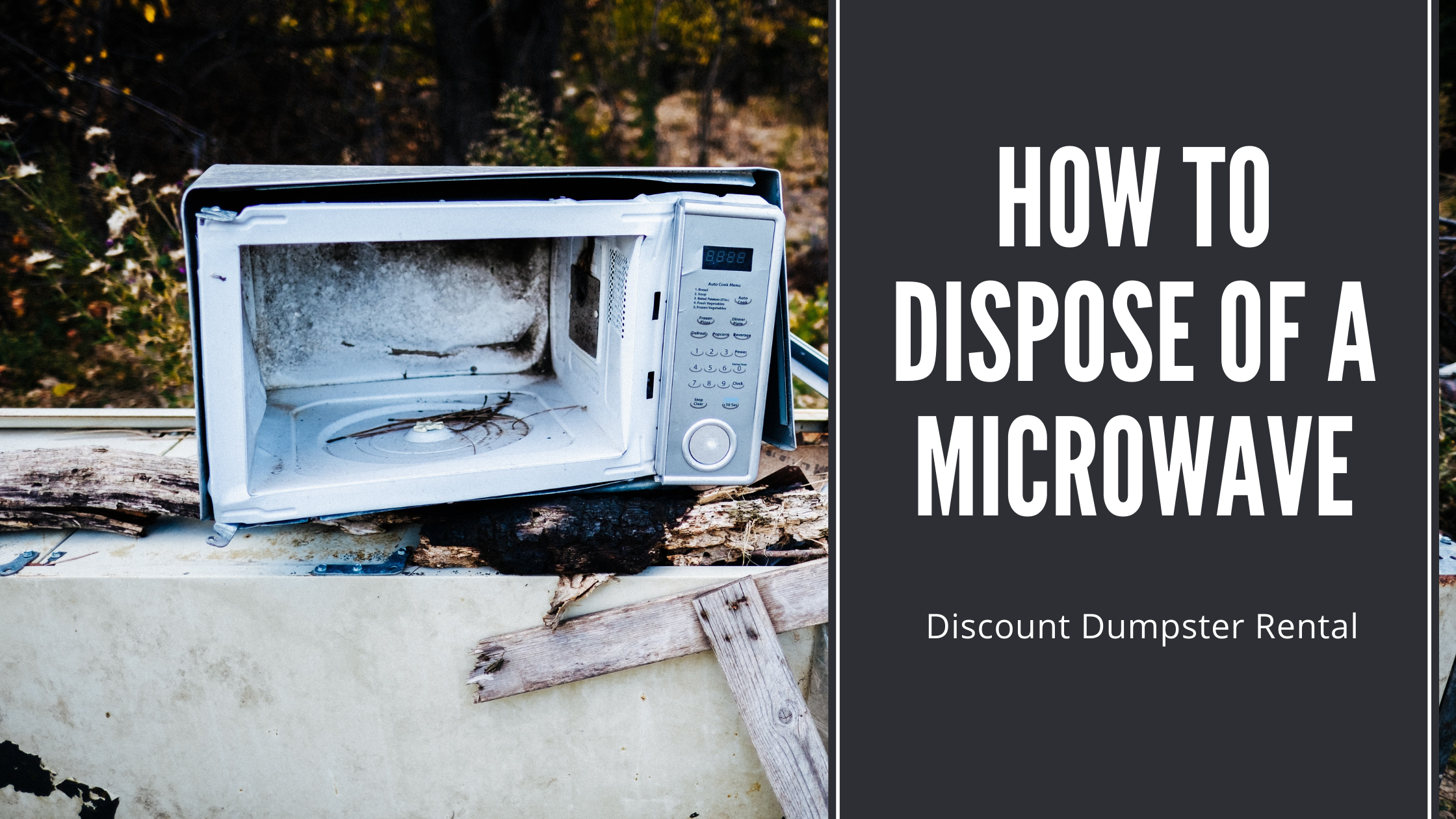
Image Source: discountdumpsterco.com
Why Getting Rid of It Right Matters
Old microwaves have bad stuff inside. They have metals and chemicals. If these go into the ground from a landfill electronics pile, they can hurt the soil and water. This is why e-waste disposal is very important. It stops hazardous waste electronics from causing harm. Throwing these things in landfills is not good for our planet.
What Makes a Microwave E-Waste?
A microwave is more than just a box. It has many parts.
* Metal casing (steel, aluminum)
* Glass turntable and door
* Plastic parts
* Wires and circuits (with copper and other metals)
* A magnetron tube (this part makes the heat)
* Capacitors (these store electricity)
Some of these parts can be recycled. But some need special handling. The metals, especially, can leak bad things if they just sit in the ground. This is why you must not just toss it out.
Protecting the Earth
When you dispose of a microwave oven the correct way, you help the Earth.
* You stop bad chemicals from getting into the ground and water.
* You let useful materials be used again.
* You save energy needed to make new things from scratch.
This is all part of being smart about our old stuff. It is about caring for the place we live.
Good Ways to Get Rid of Your Old Microwave
There are several smart ways to get rid of an old microwave. These ways are better than just putting it in the trash. They help the Earth.
1. Giving it a New Life: Donation
Is your old microwave still working fine? Maybe someone else can use it. You can donate microwave ovens that still work. This is a great first step.
* Who might want it? Local charities often need working appliances. Shelters for people or animals might use them. Community centers or schools could also have a use.
* Check first: Always call before you take it. Ask if they need a microwave. Ask if it must be in perfect shape. Some places might have rules.
* Benefits: Donating gives the microwave a new life. It keeps it out of the trash. It helps someone who needs it. It is good for the Earth because it gets reused.
Donating is one of the best choices if the microwave still works. It is simple and helps others.
2. Breaking It Down: Recycling
Recycling is a top choice for old microwaves. You can recycle microwave parts. This is part of appliance recycling.
* What is recycled? Recycling places take the microwave apart. They separate the metal, plastic, and glass. The metal can be melted down. It becomes new metal. Plastic can be used to make other things. Glass can also be recycled.
* Why recycle? Recycling saves stuff we dig up from the ground. Like metal ores. It uses less energy than making new materials. It keeps things out of landfills. It stops bad stuff from getting into the environment.
* Where to go? You need to find a microwave recycling center. These places know how to handle electronics safely. They make sure bad parts are taken care of.
Recycling is a very important way to dispose of a microwave oven. It helps turn old items into new ones.
3. Using a Special Place: E-Waste Drop-Off
Many towns and counties have special places for electronics. These are often called e-waste drop-off sites.
* What are they? These are places set up to collect old electronics. This includes microwaves.
* How do they work? You drive your old microwave to the site. They have a spot for you to leave it. They collect many electronics. Then they send them to proper recycling places.
* Check local rules: Search online for “e-waste drop off near me” or “where to recycle microwave in [your town]”. Check their website. Some places are free. Some might charge a small fee. Some might only be open certain days.
* Benefits: These sites are set up for e-waste disposal. They make sure electronics are handled the right way. They keep hazardous waste electronics out of regular trash streams.
Using a local e-waste drop-off site is a common and good way for old microwave disposal.
4. Getting Help: Junk Removal Services
Maybe you cannot move the microwave yourself. Or maybe you have other big items to get rid of. A junk removal service can help.
* What they do: These companies come to your home. They pick up unwanted items. This can include your old microwave. They offer junk removal appliance services.
* How it works: You call them. You set a time for pickup. They come and take the item away. You pay them for the service.
* Where do they take it? Good junk removal services do not just take things to the dump. They try to recycle or donate items. Ask them how they handle large appliance disposal. Make sure they take electronics to a proper microwave recycling center or e-waste site.
* Benefits: This is very easy for you. You do not have to lift or drive. It is good if you have many big items.
Using a junk removal service is handy, but make sure they handle electronics the right way. Ask them about their recycling practices.
5. Retailer Take-Back Programs
Sometimes, stores that sell new microwaves will take your old one.
* How it works: When you buy a new microwave, ask the store if they have a take-back program. Some stores have deals with recycling companies. They will take your old appliance when they deliver the new one.
* Why do they do this? It can be a service for customers. It also helps them manage appliance recycling.
* Check with the store: This is not available everywhere. Always ask the store staff before you buy a new microwave.
This can be a very easy way to dispose of a microwave oven if you are buying a new one.
6. City or County Pickup Programs
Some local governments have special pickup days or services for large items and electronics.
* How it works: Your town might have specific days in the year to put out electronics for pickup. Or you might need to call to schedule a pickup.
* Find out: Look at your town’s website. Call the local trash or public works department. Search for “bulk item pickup” or “e-waste pickup” in your area. This is a way for old microwave disposal managed by the town.
* Benefits: This can be very easy. It might be free or low cost.
Check your local rules first. Not all places offer this.
Ways You Should NOT Get Rid of It
Now, let’s talk about what not to do. Some ways seem easy but are bad for the Earth and maybe even against the law in your area.
Putting it in the Regular Trash Can
This is usually not allowed. Most places have rules against putting electronics like microwaves in your normal household trash.
* Why not? Because it is e-waste disposal. It contains materials that should not go into a regular landfill. These are hazardous waste electronics.
* What happens if you do? The trash collectors might not take it. It might sit on the curb. If it does go to a landfill, it adds to the problem of landfill electronics and pollution.
So, just putting it in the trash is almost always the wrong choice.
Leaving it on the Curb
Leaving it on the curb without a special pickup scheduled is also a bad idea.
* It looks messy.
* It might be against local rules.
* It probably won’t be picked up by the regular trash service.
* It could be a safety risk.
Always check local rules for how to arrange pickup if that is the service you plan to use.
Getting Your Microwave Ready for Disposal
Before you take your microwave anywhere or have someone pick it up, do a few things.
* Unplug it: Make sure it is fully unplugged from the wall. This is for safety.
* Clean it: Take out the glass turntable. Wash it or clean the microwave inside and out. Get rid of any old food smells or spills. Recycling places appreciate clean items.
* Remove the turntable: The glass plate inside is often separate. You can usually recycle it with glass or put it with the microwave itself. Check with your disposal site if they want it removed.
* Bundle the cord: Wrap the power cord neatly. Maybe tape it so it is not loose. This makes it easier to handle.
These steps make it safer and easier for the people handling the disposal.
Where to Find a Microwave Recycling Center
Finding the right place is key to good old microwave disposal.
* Search online: Use search terms like:
* “microwave recycling center near me”
* “e-waste drop off [your town name]”
* “appliance recycling [your zip code]”
* “how to dispose of a microwave oven [your city]”
* Check town website: Look at your local city or county government website. They often have pages about trash, recycling, and hazardous waste.
* Call local places: If you find a recycling center, call them. Ask if they take microwaves. Some places take all electronics, others have limits. Ask if there is a fee.
* Ask appliance stores: As mentioned, if buying new, ask the store about trade-in or disposal help.
Taking a few minutes to search ensures you find a safe and proper place for your old microwave.
How Appliance Recycling Works in More Detail
When your old microwave goes to an appliance recycling center, a process happens.
* Collection: Many appliances and electronics are brought to one place.
* Sorting: Workers or machines sort the items. They group similar things together. Microwaves go with other small electronics.
* Taking Apart: This is the important step. Skilled workers or special machines take the microwave apart. They remove the outer case. They get to the inside parts.
* Getting Out Bad Stuff: Special care is taken with parts that can be harmful. The magnetron and capacitors might contain materials that need very careful handling. These are hazardous waste electronics. They are removed and sent to places that know how to handle them safely, not just buried.
* Separating Materials: The good stuff is separated. Metal (steel, copper, aluminum) is put in piles. Plastic is separated, often by type. Glass is put aside. Wires are cut and collected.
* Processing Materials: The separated materials are sent to different places.
* Metal goes to smelters. It is melted down and cleaned. It becomes raw metal that can be used to make new things.
* Plastic might be shredded or melted to be reused in new plastic products.
* Glass can sometimes be recycled, depending on the type and cleanliness.
* Leftovers: Some small bits might be left that cannot be safely or cheaply recycled. The goal is to make this amount very small.
This whole process is why proper appliance recycling is key. It gets the most value out of the old item and handles the dangerous parts the right way. It stops millions of pounds of materials from becoming landfill electronics.
Thinking About Large Appliance Disposal
While a microwave is smaller than a fridge or oven, the way we get rid of it is similar to large appliance disposal.
* Both need special handling.
* Both should not go in regular trash.
* Both contain materials that can be recycled (metals, plastics).
* Both might contain hazardous waste electronics or other tricky parts (like coolants in fridges, or parts in microwaves).
* You often need special services (like junk removal appliance) or drop-off sites for both.
So, the tips for your microwave are good rules for other old, big electric things in your home too. Always think about recycling or proper e-waste handling for any old appliance.
Comparing Your Options Simply
Here is a quick look at the main ways to get rid of your microwave. It can help you choose the best way for you and the Earth.
| Way to Dispose | How Easy is it? | Does it Cost Money? | How Good is it for the Earth? |
|---|---|---|---|
| Donate Microwave | Medium (find place, take it) | Low (maybe gas) | Very Good (if used again) |
| Recycle Microwave | Medium (find center, take it) | Low (maybe a small fee) | Very Good (materials used again) |
| E-waste Drop-off | Medium (find site, take it) | Low/Free | Very Good |
| Junk Removal Appliance | Very Easy (they pick up) | High | Good (if they recycle it) |
| Retailer Take-Back | Easy (if available) | Maybe (fee for pickup) | Good |
| City/County Pickup | Easy (if available) | Low/Free | Very Good |
| Regular Trash (DON’T DO!) | Very Easy (but wrong) | Low | Very Bad (Landfill) |
As you can see, the easiest way (regular trash) is the worst for the Earth. The ways that are best for the Earth (donating, recycling, special drop-offs, city programs) take a little more effort but are much better choices. Using a junk removal appliance service can make it easy but costs more.
Learning About Local Rules
Every city, town, or county can have different rules about trash and recycling.
* What is e-waste disposal in one town might be slightly different in another.
* The rules about hazardous waste electronics pickup vary.
* Some places charge fees for recycling electronics. Others do not.
* Pickup services or drop-off locations are different everywhere.
So, always check your local government’s website or call their waste department. This makes sure you follow the right steps in your area for old microwave disposal.
Final Thoughts on Responsible Disposal
Getting rid of an old microwave is not as simple as throwing away a box. Because it is e-waste disposal, it needs special care.
* Never put it in the regular trash.
* Think about donating if it works (donate microwave).
* Recycling is a great choice. Find a microwave recycling center or e-waste drop-off.
* Use appliance recycling services.
* Consider junk removal appliance if you need help, but check their methods.
* Know that throwing it in a landfill adds to landfill electronics problems.
* Remember that electronics can be hazardous waste electronics.
Choosing the right way to dispose of a microwave oven helps protect our planet. It is a small step, but it makes a difference. Be responsible with your old electronics.
Frequently Asked Questions (FAQ)
h4: Can I put my microwave in the normal trash?
No, usually you cannot. Most places see microwaves as e-waste and have rules against putting them in regular trash because they contain parts that can harm the environment.
h4: What is e-waste?
E-waste is old electronic items. This includes computers, TVs, phones, and appliances like microwaves. They are called e-waste because they have electronic parts that need special disposal.
h4: Why is it bad to put electronics in the ground (landfill)?
Electronics contain metals and chemicals that can leak out over time. If they are in a landfill, these harmful materials can get into the soil and water, which is bad for people, animals, and the environment. This is why landfill electronics are a problem.
h4: Is recycling a microwave free?
It depends on where you live and the recycling center. Some microwave recycling center sites are free, maybe paid for by the town. Others might charge a small fee to cover the cost of safe processing. Always call ahead to check.
h4: Where can I donate a working microwave?
You can check with local charities, homeless shelters, community centers, schools, or animal shelters. Call them first to see if they need a microwave and what condition it needs to be in.
h4: What is appliance recycling?
Appliance recycling is the process of taking old household appliances, like microwaves, fridges, or washers, apart. Useful materials like metal, plastic, and glass are separated to be used again. Hazardous parts are removed safely.
h4: What are hazardous waste electronics?
These are electronic items or parts of them that contain materials considered dangerous or harmful. Examples include lead, mercury, cadmium, or certain chemicals. Microwaves can contain some of these, especially in older models or certain components like the magnetron.
h4: What does a junk removal appliance service do?
A junk removal appliance service will come to your home and pick up old appliances like microwaves, fridges, stoves, etc. They charge a fee for this service. Good services will take the items to recycling centers or donation sites rather than just the landfill. This is a way to handle large appliance disposal when you can’t move things yourself.