
Should you cover your air conditioner in winter? Yes, for many types of AC units, covering them can be a good idea to protect them from harsh weather and debris. This process is part of winterizing your air conditioner. It helps keep your unit safe during cold months. Covering is especially helpful for outdoor AC units and window AC units. It helps in protecting air conditioner in winter, which can prevent AC damage winter brings. This guide will tell you why you might want to cover your unit and how to do it right.
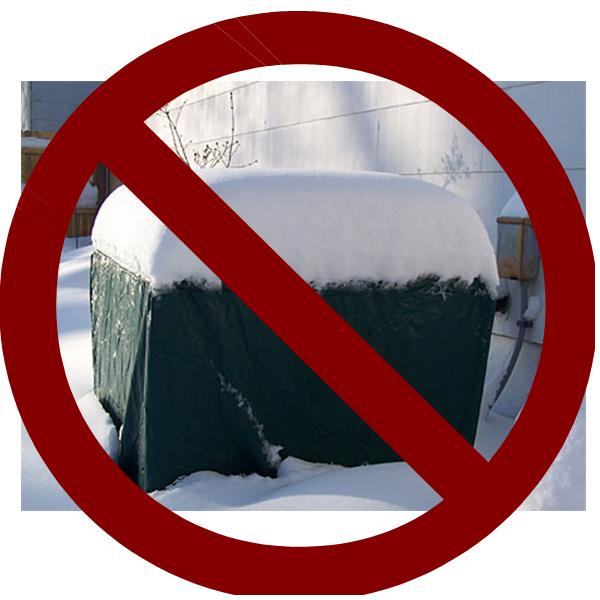
Image Source: trusthomesense.com
Why Cover Your AC Unit?
Many people ask, “why cover AC unit?” There are good reasons to do it. The cold months can be tough on your air conditioner. Snow, ice, and water can get into parts. Freezing water can expand and break things. Leaves, twigs, and dirt can also build up. This debris can clog the unit. Animals might try to make a home inside. A cover helps stop these problems. It keeps the unit clean and dry. This is key for protecting air conditioner in winter. It helps prevent AC damage winter often causes.
Stopping Weather Damage
Harsh weather can really hurt your AC.
* Snow and Ice: Heavy snow can pile up on the unit. Ice can form inside and around parts. When ice melts and refreezes, it can bend or break fins and coils.
* Rain: Rain can carry dirt into the unit. Constant wetness can cause rust over time.
* Wind: Strong winds can blow things into the unit. They can also cause the unit to vibrate.
Using an outdoor AC unit cover or a window AC winter cover helps shield the unit from these things. This protection is a big part of winterizing air conditioner systems.
Keeping Out Debris
Leaves, sticks, seeds, and dirt can fall into your AC unit.
* Clogged Fins: This debris can get stuck between the metal fins.
* Blocked Airflow: If fins are clogged, air cannot flow well. This makes the AC work harder in summer. It uses more power and might not cool well.
* Internal Problems: Small bits can get deeper inside the unit. They can cause problems for the fan or other parts.
A cover acts like a shield. It stops most debris from getting in. This keeps your unit cleaner inside. It helps prepare air conditioner for winter storage.
Preventing Animal Homes
Small animals like mice, squirrels, and birds look for warm places in winter. Your outdoor AC unit can look like a good spot.
* Chewing Wires: Animals might chew on electrical wires. This is dangerous and costly to fix.
* Building Nests: Nests can block airflow and leave droppings. This makes the unit dirty and can cause smells.
An outdoor AC unit cover, especially one that goes down the sides a bit, makes it harder for animals to get in. It helps prevent AC damage winter critters might cause.
Protecting Against Rust
Metal parts of your AC can rust. This happens when water stays on the metal for a long time.
* Unit Base: The bottom of the unit can sit in standing water if drainage is poor.
* Inside Parts: Water can get inside and cause rust on fan motors or other metal pieces.
A good cover helps keep water off the unit. This reduces the chance of rust. It helps the unit stay in good shape longer. This is part of protecting air conditioner in winter.
Different Types of AC Units and Their Covers
Air conditioners come in different types. How you cover them is a bit different for each.
Central Air Conditioner Units
These are the big square or round units that sit outside your home. They are part of a central heating and cooling system.
* Location: They sit on a pad on the ground.
* Parts: They have a fan on top and metal fins (coils) around the sides.
For these units, you use a central air conditioner cover. There are two main kinds:
* Top Covers: These just cover the top of the unit. They stop leaves and snow from falling in. They leave the sides open. This allows air to move and moisture to escape. Some experts like these best because they worry about trapping moisture with full covers.
* Full Covers: These cover the top and go down the sides. They offer more protection from side-blown rain and debris. They also make it harder for animals to get inside. But, they can trap moisture if not made correctly.
Window AC Units
These units sit in a window. Part of the unit is inside the room, and part is outside.
* Location: They are supported by the window frame or extra brackets.
* Parts: They have vents inside and outside.
For these units, you can use a window AC winter cover. You can cover the outside part, the inside part, or both.
* Outdoor Covers: These fit over the part of the unit that sticks outside the window. They protect from weather, debris, and animals. They are usually made of tough, waterproof material.
* Indoor Covers: These fit over the part of the unit that is inside your room. They stop cold drafts from coming through the unit into your house. They help save energy. They are often made of insulated fabric.
* Full Window Covers: These cover the entire window area, unit and all. They seal the window completely. They stop drafts and protect the whole unit inside the wall.
Each type of unit needs the right kind of cover. Choosing the right cover helps in protecting air conditioner in winter the best way.
Choosing the Right Cover
Picking the best AC cover is important. Not all covers are the same. The best AC cover material matters. Features like vents are also key.
Best AC Cover Material
Covers are made from different materials. Each material has pros and cons.
* Vinyl:
* Pros: Very good at keeping water out. Often lower cost. Durable.
* Cons: Not breathable. Can trap moisture inside. Can become stiff or crack in very cold weather.
* Polyester:
* Pros: Often more breathable than vinyl. Can be water-resistant with coatings. Lighter weight. More flexible in cold.
* Cons: Might not be fully waterproof unless treated. Quality varies.
* Canvas/Fabric:
* Pros: Very breathable. Less likely to trap moisture. Can be durable.
* Cons: Might not be very water-resistant. Can get dirty easily. May need treatments to repel water.
Look for covers that say they are weather-resistant or waterproof. UV protection is also good. It stops the sun from breaking down the material over time. A durable cover lasts longer.
The Importance of AC Cover Vents
This is a big point of discussion among experts. Some covers have vents.
* Purpose of Vents: Vents allow some air to flow through the cover. This helps moisture escape. Trapped moisture is a problem. It can cause rust and mold. It can make the unit’s metal parts wet, which is bad if the temperature drops below freezing.
* Top Covers vs. Full Covers: Top-only covers for central units naturally have ventilation because the sides are open. Full covers are where vents are most important. Look for full central air conditioner cover options with mesh vents near the top or sides. These let air move while still blocking rain and snow.
Some people use a simple tarp. But tarps are usually not breathable. They can trap a lot of moisture. A cover made for an AC unit, especially one with AC cover vents, is usually a better choice for protecting air conditioner in winter.
Right Size Matters
Make sure the cover fits your unit.
* Too Small: It won’t cover everything it needs to. It might tear.
* Too Big: It can flap in the wind. This can damage the unit or the cover. It can also let rain and snow blow up under it.
Measure your unit’s height and width (or diameter for round units). Match these numbers to the cover size.
Steps to Prepare Your AC for Winter
Before you put the cover on, you need to get your AC ready. This is a key part of winterizing air conditioner systems and helps prepare air conditioner for winter storage. Doing these steps right helps prevent AC damage winter might cause.
Step 1: Turn Off the Power
This is very important for safety. Your central AC unit has a power disconnect box near the outdoor unit. It looks like a small metal box on the wall.
* How to Turn Off: Open the box. There is usually a lever or a pull-out block. Move the lever to ‘Off’ or pull the block out completely.
* Why Turn Off: This makes sure the unit cannot accidentally turn on. This protects you when you are cleaning or working near the unit. It also protects the unit’s parts from power surges during winter storms.
For window units, unplug the unit from the wall outlet inside your house.
Step 2: Clean the Unit
Get rid of all the dirt and debris from the summer.
* Outdoor Units:
* Remove Loose Debris: Take off any leaves, twigs, or dirt on top and stuck in the side fins. You can use your hands or a soft brush.
* Clean the Fins: The metal fins around the sides can get dirty. You can use a soft brush or a hose to gently spray water from the inside out. Spraying from the outside in pushes dirt deeper. Be careful not to use high pressure, which can bend the fins. You can buy special AC coil cleaner spray if needed, but follow directions carefully.
* Clean the Base: Clean the pad the unit sits on. Make sure drainage holes in the base of the unit are clear.
* Window Units:
* Clean Outside Vents: Use a brush or vacuum attachment to clean the outside vents and coils.
* Clean Inside Vents: Clean the vents and filter on the inside part of the unit. Remove the filter and clean or replace it.
* Wipe Down: Wipe the whole unit down with a damp cloth.
Cleaning helps the unit work better next year. It also removes things that could cause problems while it’s covered. This is part of preparing air conditioner for winter.
Step 3: Inspect the Unit
Look over your unit for any problems.
* Check Fins: Are the metal fins bent? You can gently straighten them with a fin comb, a tool sold at hardware stores.
* Check for Damage: Look for dents, rust spots, or loose parts. Are wires chewed? (If you see chewed wires, you might have had animal problems – a cover can help next year).
* Check Pad: Is the base pad level? Is it cracked?
* Check Insulation: For central units, look at the insulation on the copper lines running into your house. Is it cracked or falling off? You can wrap it with special tape or foam covers.
Noticing problems now means you can fix them before next summer. Or you can call a technician. This inspection is part of protecting air conditioner in winter by knowing its state.
Step 4: Check for Drainage
Make sure water can get out of the unit’s base.
* Central Units: The base pan has small holes. Clear these holes if they are blocked by dirt. Water should be able to drain out.
* Window Units: Window units are designed to tilt slightly down towards the outside. This helps water drain from the back pan. Make sure the unit is still tilted correctly in the window. Clear any drain holes on the outside part.
Proper drainage is key. It prevents water from sitting in the unit, which can freeze and cause damage. It helps prevent AC damage winter ice can cause.
How to Properly Cover the Unit
Once the unit is clean, inspected, and power is off, it’s time to put the cover on. The method depends on the type of unit and cover.
Covering Central AC Units
- Top Cover:
- Place the cover flat on top of the unit.
- Secure it so it doesn’t blow away. Most top covers have bungee cords or straps that hook onto the sides or base of the unit. Make sure it’s snug but not so tight it damages anything.
- Ensure the sides of the unit are open for airflow.
- Full Cover:
- Carefully slip the cover over the top and down the sides of the unit.
- Make sure the cover goes down far enough to protect the sides but not all the way to the ground. Leave about 6-12 inches of the bottom uncovered.
- Why not cover to the ground? Covering all the way to the ground can block airflow completely. This makes trapping moisture much worse. It also makes a nice, protected home for animals right under the cover! Leaving the bottom open allows for some airflow and makes it less appealing to critters.
- Secure the cover using any straps, buckles, or drawstrings it has. Make it secure against wind.
- Check Vents: If your cover has vents, make sure they are not blocked by snow or ice during winter. This is part of using AC cover vents correctly.
Using the central air conditioner cover this way helps prevent AC damage winter wind and debris can cause, while trying to avoid trapping moisture.
Covering Window AC Units
- Outdoor Cover:
- Clean the outside part of the unit.
- Place the cover over the outside section.
- Secure it tightly. Most outdoor covers have straps, buckles, or elastic edges to hold them in place against wind.
- Ensure it covers the top, back, and sides sticking outside. It should fit snugly. This is your window AC winter cover for the outdoor part.
- Indoor Cover:
- Clean the inside part of the unit (vents, filter area).
- Place the fabric cover over the inside face of the unit.
- These covers often have elastic or drawstrings to fit around the unit edge. Make sure it fits well to block drafts. This is part of protecting air conditioner in winter drafts.
- Full Window Cover:
- If you removed the unit, this is not needed.
- If the unit stays in the window, you might cover the whole window opening.
- These are often insulated panels that fit tightly into the window frame around the unit. They provide the best draft stopping.
Choosing the right window AC winter cover and putting it on properly is essential for both protecting the unit and saving energy.
Maintaining the Cover and Unit During Winter
Putting the cover on isn’t the absolute end of the job. A little checking during winter can help. This is part of keeping your winterizing air conditioner efforts effective.
- Check for Tears: Look at the cover a few times during winter. Did wind or animals tear it? A torn cover won’t protect the unit well. If you find a tear, you might need to repair it or replace the cover.
- Check for Trapped Moisture: Lift the cover slightly on a dry day. Is there a lot of condensation or water inside? If yes, the cover might be trapping too much moisture. This is a risk, especially with full, non-vented covers.
- Solution: If moisture is a big problem, consider changing to a top-only cover, a full cover with better AC cover vents, or removing the cover for a few dry, windy days to let the unit air out.
- Clear Snow/Ice: If heavy snow or ice builds up on top of a central unit cover, gently brush it off. Too much weight can damage the cover or the unit. Make sure AC cover vents stay clear of snow and ice.
- Check Security: Make sure the cover is still securely fastened, especially after windy storms.
These checks help ensure the cover is doing its job and not causing new problems. It helps keep the unit safe throughout the cold months.
Pros and Cons of Covering
Let’s look at the good points and bad points of covering your AC in winter.
Pros (Good Points)
- Protection from Debris: Keeps leaves, sticks, and dirt out.
- Protection from Snow and Ice: Shields the unit from heavy buildup and freezing water.
- Deters Animals: Makes it harder for critters to get inside and cause damage.
- Keeps Unit Clean: Less cleaning needed in the spring.
- Prevents Physical Damage: Protects fins and coils from falling objects or accidental bumps (like falling ice from the roof).
- Prevents Rust: Reduces exposure to constant moisture (if the cover is breathable or vented).
- Prevents Drafts (Window Units): Indoor covers stop cold air from leaking into your home.
Covering is a key step in protecting air conditioner in winter and helps prevent AC damage winter weather and pests can cause.
Cons (Bad Points)
- Trapped Moisture: This is the biggest risk, especially with full, non-vented covers or tarps. Moisture trapped under the cover can:
- Cause rust.
- Promote mold or mildew growth.
- Freeze and expand, potentially damaging parts.
- Hold standing water in the base.
- Blocks Airflow: Full covers can stop air movement. This is bad because airflow helps the unit dry out naturally.
- Can Become a Home for Pests: If the cover goes all the way to the ground, it can create a cozy, protected space under the cover, inviting animals to nest right next to the unit.
- Potential Damage from Wind: Poorly fitted or cheap covers can flap in the wind and scratch the unit. Secure straps are important.
- Not Always Necessary: Some modern AC units are built tough and designed to handle winter weather without a cover. Check your owner’s manual. Some makers say covering is not needed or even bad.
The debate often comes down to balancing protection from outside elements versus the risk of trapping moisture inside. For most people, a top-only cover for central units or a breathable/vented full cover offers a good balance. For window units, covering the outside part is usually a good idea, and covering the inside definitely helps with drafts.
Frequently Asked Questions (FAQ)
Here are some common questions people ask about covering their AC units in winter.
Is covering my central AC unit required?
No, it’s usually not required by the maker. Many modern units are built to handle snow and ice. But covering can offer extra protection from leaves, debris, and animals. Check your owner’s manual for their advice. Winterizing air conditioner steps like turning off power and cleaning are often more important than covering.
Can I just use a plastic tarp?
Using a simple plastic tarp is not the best idea. Tarps do not breathe at all. They will trap moisture inside. This moisture can cause more problems than the winter weather itself. A cover made for AC units is a better choice. Look for one made of breathable material or one with AC cover vents.
Should I cover the whole central AC unit or just the top?
Experts have different ideas on this. A top-only cover stops leaves and snow from falling in but lets the sides breathe. This avoids trapping moisture. A full cover protects the sides too but risks trapping moisture unless it has good vents and you leave the bottom open. Many professionals prefer top-only covers for central units.
What if snow builds up around my central AC unit?
Most central units are designed to handle snow sitting around them or even a bit on top. The main issue is when melting snow/ice enters the unit and refreezes inside, or when debris is trapped by the snow. A cover helps prevent debris and direct water entry. If snow is very deep, you can clear some away from the sides of the unit to allow air circulation, even if it’s covered.
Do I need to cover my window AC unit?
It’s highly recommended, especially the outside part. A window AC winter cover for the outside protects the unit from weather and can stop animals. An indoor cover is also very useful to stop cold drafts from coming into your room. This saves energy.
How far down should a full central AC cover go?
It should cover the top and sides but stop several inches (like 6-12 inches) above the ground. This allows for air movement and helps prevent animals from nesting right at the base under the cover.
When should I remove the AC cover in spring?
Remove the cover when winter is clearly over and temperatures are staying above freezing. Doing it too early is fine; leaving it on when the weather warms up is not good. It needs to be off before you even think about using your AC. Remove it, clean the unit again briefly, turn the power back on, and you’re ready for summer.
Covering your AC unit can be a helpful part of protecting air conditioner in winter. By choosing the right cover, preparing the unit properly, and putting the cover on correctly, you can help prevent AC damage winter often tries to cause. This keeps your unit running well for many summers.