
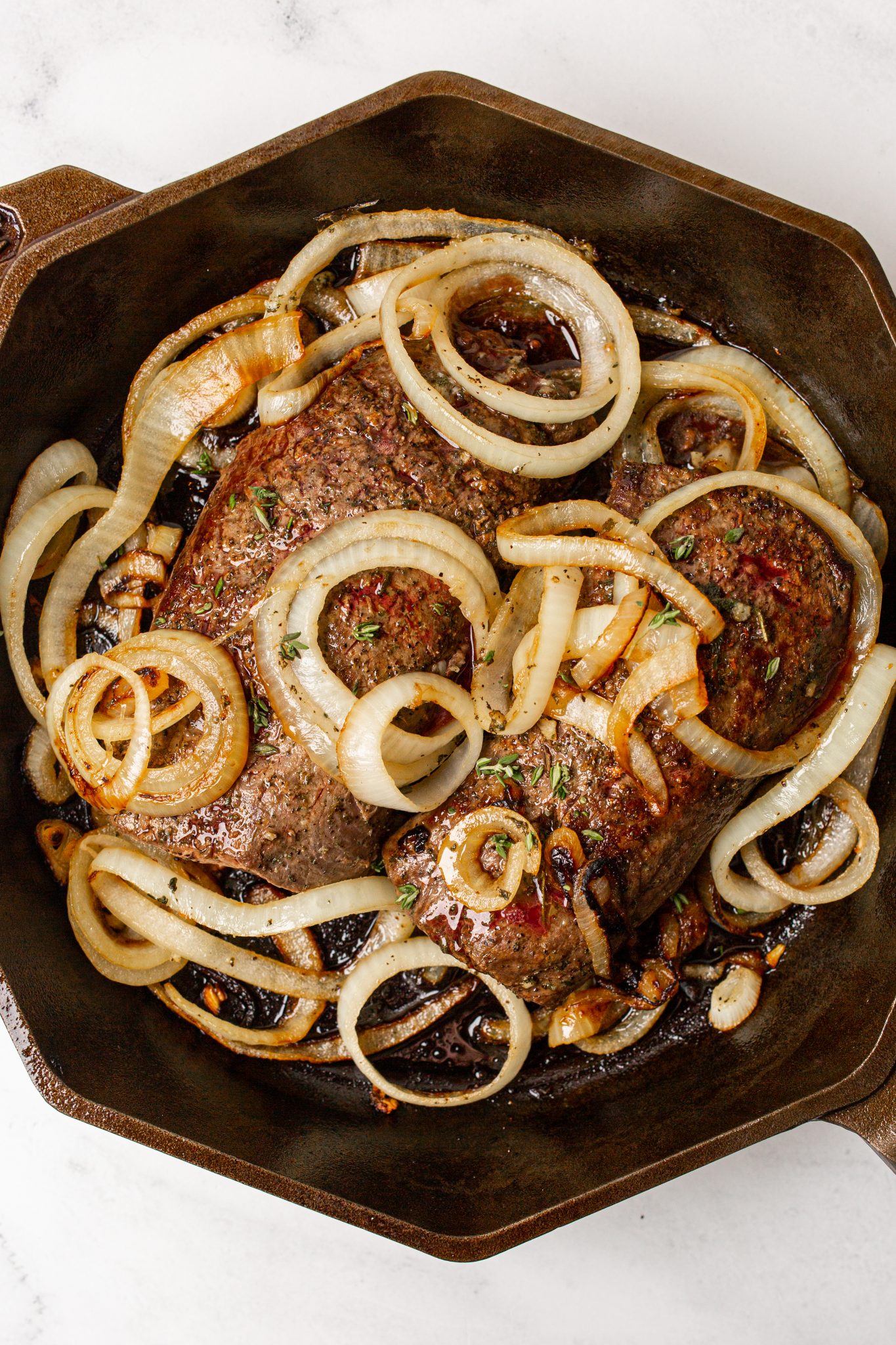
Image Source: castironrecipes.com
Best Way: How To Cook Venison Back Straps In The Oven
You can cook venison back straps in the oven by first searing them on the stovetop to get a nice crust, then finishing them in a hot oven until they reach your desired doneness, usually aiming for a venison backstrap internal temperature of 130-135°F for medium-rare, which results in tender venison backstrap. This method, sometimes called a venison loin oven recipe or roasted venison backstrap, is excellent for even cooking and control over the final temperature, giving you delicious results.
Comprehending Venison Backstrap
Let’s talk about what venison backstrap is. It’s often called deer loin. This cut runs along the deer’s spine. It’s a very sought-after piece of meat. It’s known for being lean and tender, like a beef tenderloin. Because it’s so lean, it cooks fast. This also means it can dry out easily if you’re not careful. Cooking it right is key to keeping it juicy and tender. The oven method helps cook it gently after searing.
Getting Your Meat Ready
Before you cook, you need to prepare the backstrap. Simple steps here make a big difference in the final dish.
Trimming the Meat
Venison backstrap often has a layer on it. This layer looks like silver or white film. It’s called silver skin. You must remove it. Silver skin is tough. It won’t melt away when cooking. If you leave it on, the meat will curl up as it cooks. It will also be chewy.
Here’s how to trim it:
* Use a sharp knife. A fillet knife works well.
* Slide the knife under the silver skin at one end. Angle the blade slightly upwards, towards the silver skin, not the meat.
* Gently lift the silver skin with one hand.
* Slice carefully along the meat, keeping the knife close to the silver skin. Try not to cut into the good meat.
* Work your way down the backstrap. Remove all the silver skin you can see.
* Also, trim away any excess fat. Venison is lean, but sometimes there are fat pockets.
Taking time to trim means you’ll get a better texture. It helps make sure you get tender venison backstrap.
Bringing Meat to Temperature
Take the backstrap out of the fridge. Let it sit on the counter for about 30-60 minutes. This step is important. Cooking meat straight from the fridge can make it cook unevenly. The outside might burn before the inside is done. Letting it warm up a bit helps it cook more evenly. This makes it easier to control the final doneness and get a better result.
Boosting Flavor and Tenderness
Making venison backstrap taste great and keeping it tender takes some care. Two things help a lot: adding flavor and getting the surface ready to sear.
How to Marinate Venison
Marinating is a great way to add flavor to venison. It can also help make the meat more tender, though the backstrap is already quite tender. Marinades usually have three main parts:
1. An acid: Like vinegar, citrus juice, or buttermilk. This helps break down tough fibers a little bit. It also adds flavor.
2. Oil: This helps carry flavors into the meat. It also keeps the meat moist.
3. Seasonings: Herbs, spices, garlic, onion, salt, pepper. This is where you add the main taste.
Here are some simple marinade ideas for deer loin in the oven:
* Simple Herb Marinade: Olive oil, chopped fresh rosemary, thyme, garlic, salt, and pepper.
* Red Wine Marinade: Red wine, olive oil, garlic, bay leaf, salt, pepper.
* Buttermilk Marinade: Buttermilk helps tenderize lean meats very well. Mix buttermilk with salt, pepper, and maybe some hot sauce or garlic powder.
How to marinate:
* Put the trimmed backstrap in a resealable bag or shallow dish.
* Pour the marinade over the meat. Make sure it’s covered well.
* Close the bag or cover the dish.
* Put it in the fridge.
* Marinate for at least 30 minutes. You can go longer, maybe up to 4-6 hours for more flavor. But don’t marinate too long, especially with strong acids. It can make the meat mushy.
* When ready to cook, take the meat out of the marinade. Pat it very, very dry with paper towels. This is crucial!
Why pat it dry? If the surface is wet, it won’t sear properly. It will steam instead of getting a nice brown crust. A good sear adds a lot of flavor and texture.
Rubs and Seasoning
If you don’t want to marinate, use a dry rub or simple seasoning. Salt and pepper are a must. You can add paprika, garlic powder, onion powder, or your favorite spices. Apply the rub generously to the dry surface of the meat before searing. Salt helps draw out moisture and then reabsorb it, helping with flavor.
The Cooking Method Explained
The best way to cook venison back straps in the oven involves two key steps: searing first, then baking venison backstrap.
Pan-Sear Venison Before Oven
This step is non-negotiable for great results. Searing creates a flavorful crust on the outside of the meat. It uses high heat to brown the surface quickly. This is called the Maillard reaction, and it adds complex flavors.
How to pan-sear:
* Get a heavy pan hot. Cast iron or stainless steel works best.
* Add a little high-heat oil to the pan. Canola, grapeseed, or vegetable oil is good. Use just enough to lightly coat the bottom.
* Heat the oil until it shimmers. It should be very hot, but not smoking heavily.
* Carefully place the dry venison backstrap in the hot pan.
* Sear for 1-2 minutes on each side. You want a deep golden brown crust. Don’t crowd the pan; cook in batches if needed.
* Use tongs to turn the meat. Sear all sides, including the ends if possible.
* The total searing time is usually 4-8 minutes, depending on the thickness of the backstrap and how hot your pan is.
This sear locks in flavor and texture on the outside before the oven gently cooks the inside.
Finishing in the Oven
After searing, the meat goes into the oven. This is where the inside cooks to the right temperature.
- Preheat your oven. A good venison cooking temperature for finishing backstrap is usually high, around 350°F to 400°F (175°C to 200°C). A hotter oven cooks faster, minimizing time the meat spends drying out.
- If using an oven-safe pan, you can just put the pan with the seared meat into the oven.
- If your pan isn’t oven-safe, transfer the seared backstrap to a baking dish or a baking sheet with a wire rack. Using a rack helps air flow around the meat for more even cooking.
- Place the meat in the preheated oven.
Cooking Time for Venison Backstrap
The cooking time for venison backstrap varies a lot. It depends on:
* The thickness of the backstrap.
* Your oven’s temperature.
* How well you seared it.
* How done you want the meat (rare, medium-rare, etc.).
Generally, for a backstrap about 1.5-2 inches thick, it might take 8-15 minutes in a 375°F – 400°F oven after searing. Thicker pieces take longer. Thinner pieces cook faster.
This is why relying on time alone is risky. The best way to know when it’s done is to use a meat thermometer.
Checking Venison Backstrap Internal Temperature
This is the most important step for tender venison backstrap. You need to check the venison backstrap internal temperature.
- Use an instant-read meat thermometer.
- Insert the thermometer into the thickest part of the backstrap. Make sure not to hit bone (if any is present, though backstrap is usually boneless) or go all the way through to the pan.
- Read the temperature quickly.
Here are the target temperatures to take the meat out of the oven:
| Doneness | Temperature to Remove from Oven | Final Temperature After Resting | Look and Feel |
|---|---|---|---|
| Rare | 115-120°F (46-49°C) | 120-125°F (49-52°C) | Very red center, very soft feel. |
| Medium-Rare | 125-130°F (52-54°C) | 130-135°F (54-57°C) | Red, warm center, soft feel. Recommended |
| Medium | 135-140°F (57-60°C) | 140-145°F (60-63°C) | Pink center, slightly firmer feel. Can be dry. |
| Medium-Well | 145-150°F (63-66°C) | 150-155°F (66-68°C) | Slight pink in center, firm feel. Likely dry. |
| Well-Done | 150°F+ (66°C+) | 155°F+ (68°C+) | Gray throughout, very firm. Avoid |
Remember, the temperature will go up by about 5-10 degrees as the meat rests. This is called carryover cooking. So, pull the meat out of the oven before it reaches your final desired temperature. For medium-rare, pull it around 125-130°F.
Keep a close eye on the temperature. Venison cooks fast. Check it every few minutes once it’s been in the oven for 5-7 minutes.
Letting the Meat Rest
This is another critical step for tender venison backstrap. Once the backstrap reaches the target internal temperature, take it out of the oven. Place it on a cutting board. Cover it loosely with foil.
Let it rest for 10-15 minutes.
Why rest? When meat cooks, the juices are pushed towards the center by the heat. If you cut into it right away, all those delicious juices will run out onto the cutting board. This leaves the meat dry. Resting allows the juices to settle and spread back through the meat. This keeps the moisture inside the meat fibers.
A rested backstrap is a juicy backstrap. A juicy backstrap is a tender venison backstrap. Don’t skip this step!
Slicing and Enjoying
After resting, it’s time to slice the backstrap.
- Use a sharp knife.
- Slice the meat against the grain. You can see lines running in one direction on the meat. Cut across these lines, not parallel to them. Slicing against the grain shortens the muscle fibers. This makes the meat easier to chew and feel more tender.
- Slice into desired thickness, usually about 1/2 inch thick.
Serve right away. It’s wonderful on its own, with simple sides, or in sandwiches or salads.
Venison Loin Oven Recipe (Step-by-Step)
Here is a detailed venison loin oven recipe to guide you through the process of making roasted venison backstrap or baking venison backstrap.
Ingredients
- 1-2 pounds venison backstrap (deer loin)
- 2 tablespoons high-heat oil (canola, grapeseed, or vegetable)
- Salt
- Black pepper
- Optional: Marinade (see ideas above)
- Optional: Butter, garlic, herbs (rosemary, thyme) for basting after searing
Equipment
- Sharp knife for trimming
- Cutting board
- Paper towels
- Resealable bag or shallow dish (if marinating)
- Heavy, oven-safe pan (like cast iron) OR a heavy pan and a baking dish/sheet with a wire rack
- Tongs
- Instant-read meat thermometer
- Foil for resting
Instructions
-
Prepare the Backstrap:
- Trim away all silver skin and excess fat using a sharp knife. Pat the meat completely dry with paper towels. This is important for searing.
- If marinating: Place the backstrap in a bag or dish. Pour your chosen marinade over it. Seal and refrigerate for 30 minutes to 4 hours. When ready, remove from marinade and pat very dry.
- If not marinating: Season the dry backstrap generously all over with salt and black pepper. You can add other rubs or spices here too.
-
Get Ready to Cook:
- Take the seasoned or marinated backstrap out of the fridge about 30-60 minutes before cooking. Let it sit on the counter to get closer to room temperature.
- Preheat your oven to 375°F (190°C). Some people like 400°F (200°C) for a faster finish; either is fine.
-
Pan-Sear the Meat:
- Place a heavy, oven-safe pan on the stovetop over high heat. Add the high-heat oil.
- Heat the oil until it shimmers and is very hot.
- Carefully place the dry backstrap in the hot pan.
- Sear for 1.5 to 2 minutes per side. Use tongs to turn it and sear all sides until you have a nice golden brown crust. This step usually takes 6-8 minutes total.
- Optional step: If you want to baste, add a tablespoon of butter to the pan after searing the main sides. Add a smashed garlic clove and a sprig of rosemary or thyme. Tilt the pan and spoon the melted butter over the backstrap for the last minute of searing.
-
Finish in the Oven:
- Carefully transfer the pan with the seared backstrap directly into the preheated oven. If your pan isn’t oven-safe, move the backstrap to a baking dish or a baking sheet with a wire rack.
- Begin checking the internal temperature after about 5-7 minutes using your instant-read thermometer. Insert it into the thickest part of the meat.
- The cooking time for venison backstrap will depend on its thickness and your oven. For medium-rare (recommended for tender venison backstrap), you want to pull the meat when the thermometer reads 125-130°F (52-54°C). This usually takes 8-15 minutes in the oven.
- Check the temperature every 2-3 minutes as it gets close to your target range.
-
Rest the Meat:
- Once the backstrap reaches the target temperature, take it out of the oven.
- Transfer it to a clean cutting board.
- Tent it loosely with foil.
- Let the backstrap rest for 10-15 minutes. Do not skip this step! Resting lets the juices settle, ensuring tender venison backstrap. The internal temperature will rise another 5-10 degrees while resting.
-
Slice and Serve:
- After resting, slice the backstrap against the grain with a sharp knife.
- Serve immediately and enjoy your perfectly cooked venison backstrap!
Variations and Tips
- Compound Butter: After searing, instead of plain butter, use a compound butter. Mix softened butter with minced garlic, herbs (rosemary, thyme, parsley), salt, and pepper. Put a slice or two of this butter on top of the backstrap before putting it in the oven. As it melts, it will baste the meat, adding incredible flavor.
- Different Rubs: Experiment with different spice rubs. Chili powder, cumin, smoked paprika, or pre-made steak rubs can work well.
- Garlic and Herb Crust: Press minced garlic and chopped fresh herbs onto the seared backstrap before baking.
- Grilling Instead of Pan-Searing: If the weather is nice, you can sear the backstrap on a hot grill first. Then transfer it to a pan or baking sheet to finish in the oven.
- Don’t Overcook: Venison is very lean. Overcooking is the most common mistake. It will make the meat dry and tough. Use a thermometer and aim for medium-rare for the best results. This truly is the secret to tender venison backstrap.
- Thick vs. Thin: Adjust cooking time for thickness. Thinner pieces will need less searing time and less oven time. Very thick pieces might need a lower oven temperature to ensure the inside cooks without burning the outside, or you might sear for a little longer on the stove at a slightly lower heat before the oven.
Troubleshooting Common Issues
Sometimes things don’t go exactly as planned. Here are a few common problems and how to avoid or fix them.
Meat is Dry
- Reason: Most likely overcooked. Venison backstrap is very lean. It dries out fast past medium-rare.
- Fix: Always use a meat thermometer. Pull the meat out early (125-130°F for medium-rare). Make sure you rest the meat properly (10-15 minutes).
- If it’s already dry: You can try slicing it very thinly. Serve it with a sauce, like a gravy, a pan sauce made from the drippings, or a rich compound butter melting over the top.
Meat is Tough
- Reason: Could be overcooked (dry meat is tough meat). Could be silver skin wasn’t fully removed. Could be cut with the grain instead of against it.
- Fix: Ensure thorough trimming of silver skin. Use a thermometer and avoid overcooking. Always slice against the grain after resting. If you cut it wrong, you can slice it again correctly, though it’s best to get it right the first time.
Sear Isn’t Good
- Reason: Pan wasn’t hot enough. Meat surface was wet.
- Fix: Make sure your pan is screaming hot before adding oil. Use an oil with a high smoke point. Pat the meat very dry with paper towels before seasoning and searing.
Temperature Keeps Rising Too Much After Resting
- Reason: Meat was very thick, or the oven temperature was extremely high, causing more carryover cooking.
- Fix: For very thick pieces, you might pull it out at the lower end of the temperature range (like 125°F for medium-rare). Learn how your oven and your specific pan/method affect carryover for different thicknesses. Keep notes!
Frequently Asked Questions (FAQ)
How long does it take to cook venison backstrap in the oven?
The cooking time for venison backstrap in the oven after searing typically ranges from 8 to 15 minutes for a 1.5 to 2-inch thick piece, cooked at 375-400°F. The exact time depends on the meat’s thickness, the oven temperature, and your desired doneness. Always use a meat thermometer to check the venison backstrap internal temperature rather than relying solely on time.
What is the best temperature to cook venison backstrap?
The best venison cooking temperature in the oven for finishing is usually 375°F to 400°F (190-200°C) after pan-searing. The target internal temperature for medium-rare, which is recommended for tender venison backstrap, is 130-135°F after resting. You should pull the meat from the oven when it reaches 125-130°F to allow for carryover cooking.
Do you need to marinate venison backstrap before cooking it in the oven?
You don’t have to marinate venison backstrap because it is naturally tender. However, knowing how to marinate venison can add flavor and moisture, which can help ensure a tender venison backstrap and prevent it from drying out, especially if you are worried about overcooking slightly. Even a short 30-minute marinade or a good rub helps.
What is the ideal internal temperature for medium-rare venison backstrap?
The ideal venison backstrap internal temperature for medium-rare is 130-135°F (54-57°C) after resting. You should remove the backstrap from the oven when it reaches 125-130°F (52-54°C) because the temperature will rise as it rests.
Can I cook venison backstrap in the oven without searing it first?
You can cook it solely in the oven (baking venison backstrap), but it’s not the best way for this cut. Skipping the pan-sear venison before oven step means you miss out on the delicious brown crust and complex flavors from searing. The sear also helps protect the lean meat from drying out slightly in the oven. Searing first and then finishing in the oven (like in a venison loin oven recipe) is the widely preferred method for the best texture and flavor.
How can I make sure my venison backstrap is tender?
To make sure you have tender venison backstrap, follow these steps:
1. Trim off all silver skin.
2. Consider a short marinade or rub for flavor and a little tenderizing help.
3. Pan-sear venison before oven for a good crust.
4. Use an instant-read thermometer to cook it only to your desired venison backstrap internal temperature, aiming for medium-rare (130-135°F final). Do not overcook!
5. Rest the meat for 10-15 minutes after taking it out of the oven. This is crucial for juicy, tender meat.
6. Slice the meat against the grain.
Is venison backstrap the same as deer loin?
Yes, venison backstrap is the same cut of meat as deer loin. The terms are used interchangeably.
How long should venison backstrap rest after cooking?
Venison backstrap should rest for 10-15 minutes after being removed from the oven. This allows the juices to redistribute throughout the meat, resulting in more tender venison backstrap.
Cooking venison backstrap in the oven using the sear-then-roast method is a simple way to get great results. With careful trimming, proper searing, monitoring the temperature, and resting, you can consistently cook tender venison backstrap that everyone will love. Enjoy your home-cooked roasted venison backstrap!