
Cooking salmon on a wooden plank in the oven is a simple way to get great flavor and moist fish. It adds a smoky taste without needing a grill. People often ask, “What is the best temperature for plank salmon?” and “How long to cook plank salmon in oven?”. The best temperature is usually around 400°F (200°C). How long it cooks depends on how thick the fish is, but it’s often between 12 to 20 minutes. This method is called baking salmon on cedar plank or other wood planks. It’s a favorite way to make tasty fish at home. Let’s learn all about this easy cooking method.
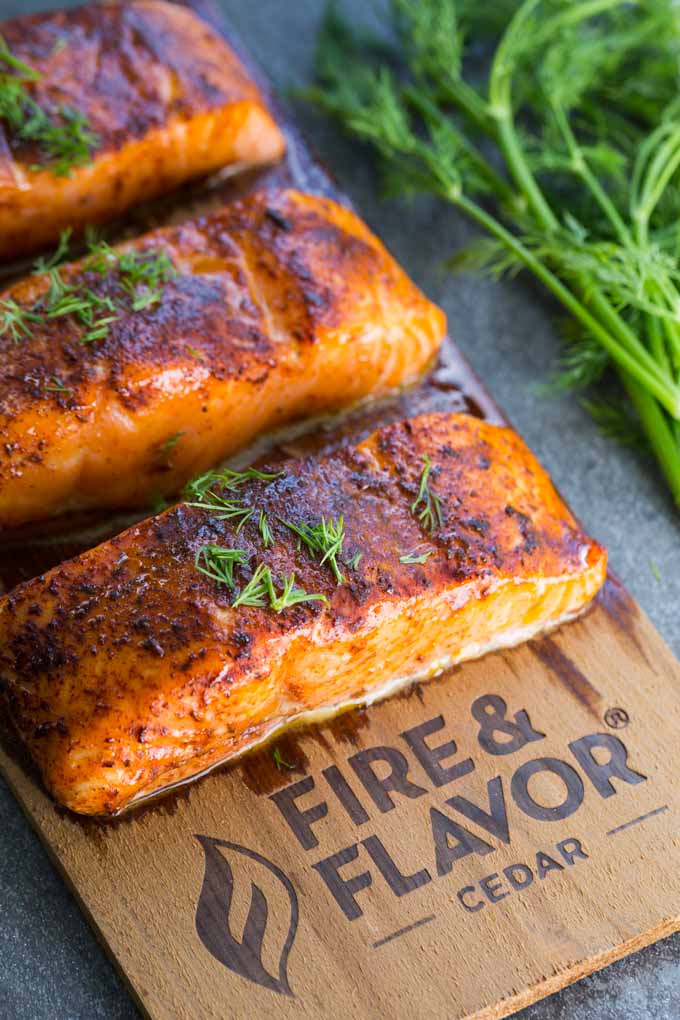
Image Source: recipeforperfection.com
The Magic of Plank Cooking
Using a plank does something special for salmon. It holds in moisture. It also adds a gentle smoky flavor from the wood. Cedar plank salmon oven cooking is very popular because cedar has a nice aroma. The plank acts like a shield. It keeps the direct oven heat from drying out the fish. This means you get juicy, tender salmon every time. It’s easier than grilling for many people. You just put the plank with the fish in the oven.
Picking the Right Plank
You need a good plank for cooking. Wood planks made for cooking are best. Cedar plank salmon oven cooking is the most common type. Cedar gives a strong smoky taste. But other woods work well too.
Kinds of Cooking Planks
- Cedar: This is the classic choice. It gives a distinct smoky flavor. It pairs well with salmon.
- Maple: Maple plank salmon oven cooking gives a sweeter, milder smoke flavor. This is great if you don’t like strong smoke.
- Alder: This wood is popular in the Pacific Northwest. It gives a light, sweet smoke. It’s also great with salmon.
- Oak: Oak gives a stronger, deeper smoky flavor. It’s less common for salmon but can work.
Make sure the plank is meant for cooking. Don’t use wood from a lumber yard. It might have chemicals. Buy planks from a store that sells cooking supplies. They are often found near grilling items.
Getting the Plank Ready (Soaking the Wood)
This is a very important step. You must soak the plank before using it. Why? Soaking the wood helps it not catch fire in the oven. It also helps it create steam. This steam keeps the salmon moist. It also helps release the smoky flavor from the wood.
Steps for Soaking Cedar Plank for Baking
- Get a large container: You need something big enough for the plank to be mostly covered by water. A sink, a large baking dish, or a cooler works well.
- Fill with water: Put enough water in the container to cover the plank.
- Submerge the plank: Put the plank in the water. It might float. You might need to put something heavy on it. A heavy can or a brick wrapped in foil works.
- Soak for a long time: Soak the plank for at least one hour. Two hours is even better. Some people soak them for four hours or more. The longer it soaks, the less likely it is to burn. It also makes more steam.
- Keep it under water: Make sure the plank stays under the water the whole time.
You can use warm water to soak it faster. Some people add other liquids to the water. Wine, apple cider, or beer can add extra flavor. But plain water works perfectly fine. Don’t skip this step! A dry plank can smoke too much or even catch fire in the oven.
Getting the Salmon Ready
While the plank soaks, prepare your salmon. You need a salmon fillet. A whole side of salmon or smaller pieces work. Make sure the skin is on the bottom. The skin helps hold the fish together as it cooks. It also makes it easier to lift the cooked fish off the plank.
Preparing the Salmon Fillet on Cedar Plank Oven
- Check the fish: Look for any bones. Run your fingers over the flesh. If you feel bones, pull them out with tweezers.
- Pat it dry: Use paper towels to pat the salmon dry. Dry fish gets a better crust on top (if you want one). It also helps seasoning stick.
- Get ready to season: Place the dry salmon on a plate or baking sheet.
Flavoring the Fish: Seasoning for Plank Salmon Oven
This is where you add taste to your salmon. The simple smoky flavor from the plank is nice on its own. But adding seasoning makes it even better. You can use simple salt and pepper. Or you can use rubs, herbs, and sauces.
Popular Seasoning Ideas
- Simple Salt and Pepper: Just sprinkle salt and black pepper on the fish. This lets the salmon and wood flavor shine.
- Lemon and Dill: Place lemon slices on top of the salmon. Sprinkle fresh dill over it. This is a classic pairing for salmon.
- Brown Sugar and Spice Rub: Mix brown sugar, paprika, garlic powder, onion powder, and a little cayenne pepper. Rub this on the salmon. This makes a sweet and smoky crust. This is great for maple plank salmon oven dishes too.
- Herb Mix: Mix dried herbs like thyme, rosemary, and oregano with salt and pepper. Rub this on the fish.
- Mustard Glaze: Spread a thin layer of Dijon mustard on the salmon. Then add herbs or just salt and pepper.
- Asian Flavors: Use soy sauce, ginger, garlic, and sesame oil. Brush this mix on the salmon. Be careful with soy sauce, it has salt.
Don’t be afraid to try different things. Think about the wood flavor you are using. Cedar goes well with many things. Maple is good with sweeter glazes.
Setting the Oven and Placing the Fish
After soaking the plank and seasoning the salmon, it’s time to cook.
Best Temperature for Plank Salmon
Most recipes say to cook oven baked plank salmon recipe at a high heat. A high temperature helps the plank smoke quickly. It also cooks the fish fast. The best temperature is usually 400°F (200°C) to 425°F (220°C). Some people go even higher, but be careful of smoking. Let’s use 400°F (200°C) as a good starting point. Preheat your oven to this temperature. Make sure the oven is fully hot before you put the fish in.
Placing Fish on Plank
Take the soaked plank out of the water. Let the extra water drip off. You can pat it lightly with a towel, but keep it wet. Place the salmon fillet, skin-side down, on the center of the plank. Leave some space around the edges. This lets the heat and smoke reach the fish evenly.
Cooking the Salmon: How Long to Cook Plank Salmon In Oven
Now it’s time to put the plank with the salmon into the hot oven. Place the plank directly on the oven rack. Put it on the middle rack.
Figuring Out Cook Time
The cook time depends mostly on the thickness of your salmon fillet.
- Thin fillets (about 1/2 inch thick): These might cook in 10-14 minutes.
- Standard fillets (about 1 inch thick): These usually take 12-20 minutes.
- Very thick fillets (more than 1 inch): These could need 20-25 minutes or even longer.
Start checking the fish around the 12-minute mark. Salmon is done when it flakes easily with a fork. The inside should change from dark pink to a lighter pink. It should look moist, not dry. The white stuff you sometimes see (called albumin) is okay. It means the protein is setting. It’s a sign the fish is cooking.
Watch for Smoke
You should see some light smoke coming from the oven vent. This is good. It means the plank is working. If you see a lot of thick smoke, the plank might be too dry. Or the oven might be too hot. If this happens, you can open the oven door for a moment to let some smoke out. You might also need to lower the temperature a little next time. Having a small amount of water or ice in a pan on the rack below can help manage smoke.
Checking If the Fish is Done
Checking for doneness is key to juicy salmon. Overcooked salmon is dry.
Ways to Check
- Fork Test: Gently push a fork into the thickest part of the fillet. Twist the fork a little. If the fish separates easily into flakes, it’s done.
- Internal Temperature: The safest way is to use a food thermometer. Stick the thermometer into the thickest part of the fish. The USDA says salmon is done at 145°F (63°C). Some people prefer it a little less cooked, closer to 135-140°F (57-60°C). Remember, the fish will keep cooking for a minute or two after you take it out. This is called carryover cooking.
Take the plank out of the oven when the fish is done. Use oven mitts! The plank and fish will be very hot.
Easy Oven Baked Plank Salmon Recipe
Here is a simple recipe to get you started. This is a basic oven baked plank salmon recipe.
Ingredients:
- 1 cedar plank (for cooking)
- 1-2 salmon fillets (about 1 to 1.5 pounds total), skin on
- 1 tablespoon olive oil
- Salt and black pepper to taste
- Optional: Lemon slices, fresh dill, or your favorite seasoning mix
Instructions:
- Soak the plank: Put the cedar plank in a large container. Cover it completely with water. Put something heavy on it to keep it down. Soak for at least 2 hours.
- Preheat oven: Get your oven hot. Set it to 400°F (200°C).
- Prep salmon: Take the salmon out of the fridge. Pat it very dry with paper towels. Check for bones and remove any you find.
- Season salmon: Rub olive oil lightly over the salmon. Sprinkle salt and pepper all over the fish. If using, add lemon slices on top or sprinkle with dill. Or use your chosen seasoning for plank salmon oven.
- Place on plank: Take the soaked plank out of the water. Let excess water drip off. Place the salmon fillet(s) skin-side down on the middle of the wet plank.
- Cook in oven: Carefully place the plank with the salmon on the middle rack of the preheated oven.
- Set timer: Cook for 12 to 20 minutes. The exact time depends on how thick your fish is. Start checking around 12 minutes.
- Check for done: The salmon is done when it flakes easily with a fork in the thickest part. The inside should be light pink. Or use a thermometer to check for 140-145°F (60-63°C).
- Rest: Take the plank out of the oven. Use mitts! Let the salmon rest on the plank for 5 minutes before serving. This helps juices settle.
Serve the salmon right from the plank if you like! Be careful, the plank is hot.
Tips for Cooking Plank Salmon In Oven
Here are some helpful ideas to make your plank salmon even better.
- Use a Baking Sheet: Place the plank on a large baking sheet before putting it in the oven. This catches any drips. It also makes it easier to carry the hot plank. This is a simple step but saves cleaning later.
- Don’t Overcrowd: If cooking more than one fillet, give them space. Don’t overlap them. Use two planks if needed. Good airflow around the fish helps it cook evenly.
- Try Different Fish: While salmon is popular, you can plank cook other fish too. Try trout, halibut, or swordfish. Adjust cook times based on thickness.
- Reuse Planks (Sometimes): You can often use a plank more than once. If it’s not charred too much, scrub it with hot water (no soap!). Let it dry completely. Store it flat. If it’s heavily charred or cracked, throw it away. A well-soaked plank charring is normal.
- Experiment with Soak Liquids: Try soaking the plank in white wine, beer, or apple cider for different flavors. Be aware that sugary liquids might burn more easily.
- Rest the Fish: Letting the salmon rest on the plank for a few minutes after cooking makes it juicier. This is a key tip for any cooked meat or fish.
- Ventilation: Plank cooking creates smoke. Make sure your kitchen is well-aired. Turn on the oven fan. Open a window if you can.
- Know Your Oven: Ovens can cook differently. Some are hotter than others. Check your fish a little earlier the first time you make it. Make notes for next time.
Following these tips will help you make perfect cedar plank salmon oven meals again and again.
Delving Deeper into Plank Cooking
Let’s look closer at why plank cooking works so well in an oven. The plank does several jobs.
The Plank’s Role
- Adds Flavor: As the wet plank heats, the wood releases smoky vapors. These vapors rise and surround the salmon. This gives the fish a lovely wood-smoked taste. The type of wood matters here (cedar, maple, etc.).
- Creates Steam: The water soaked into the plank turns to steam in the hot oven. This steam helps keep the salmon moist. It creates a humid cooking environment right under the fish. This prevents drying out, which is common when baking fish on its own.
- Gentle Heat: The plank acts as a buffer between the hot oven rack and the delicate fish. It spreads the heat more gently. This helps the bottom of the fish cook evenly without burning.
- Easy Serving: You can often serve the fish right on the plank. This looks nice. It also means less cleanup! Just carry the hot plank to the table (use a heatproof mat!).
Getting Started: What You Need
Ready to try baking salmon on cedar plank? Here is a list of things you will need.
- Wooden cooking planks (cedar is a good start)
- A large container for soaking (like a sink, big pan, or cooler)
- Fresh or thawed salmon fillets (skin on)
- Olive oil or other cooking oil
- Salt and pepper
- Your choice of seasoning for plank salmon oven (herbs, rubs, glazes)
- Oven mitts
- Optional: Food thermometer, baking sheet
That’s it! You don’t need lots of fancy tools.
Troubleshooting Common Issues
What if something doesn’t go quite right? Here are some problems you might face and how to fix them.
Too Much Smoke
- Cause: Plank wasn’t soaked long enough, oven is too hot, or plank is old/dry.
- Fix: Make sure you soak planks for at least 2 hours. Check your oven temperature with an oven thermometer. If it seems too hot, lower it next time. Use a baking sheet under the plank to catch drips which can burn. Place a small pan of water or ice cubes on a rack below the plank to add moisture to the oven air.
Salmon is Dry
- Cause: Cooked for too long, or oven was too hot.
- Fix: Check the fish earlier next time. Use a thermometer to check the inside temperature (140-145°F / 60-63°C is ideal for moist fish). Make sure you pat the fish dry before seasoning, but don’t leave it out too long before cooking. Ensure your plank was well-soaked to create steam.
Salmon Not Cooked Through
- Cause: Not cooked long enough, or fillet is very thick.
- Fix: Cook for a few more minutes. Check again with a fork or thermometer. For thick fillets, the cooking time will be longer. Make sure your oven is reaching the correct temperature.
Plank Catches Fire
- Cause: Not soaked enough, oven too hot, plank very old or thin.
- Fix: If it starts flaming, turn off the oven. If it’s a small flame, you can carefully pour a little water from a cup onto the flame (be ready for steam!). If it’s a big fire, close the oven door and wait for it to go out. For next time, soak the plank much longer. Check oven temperature. Some people soak planks overnight.
Planning Your Meal Around Plank Salmon
Oven baked plank salmon recipe is a great main dish. It pairs well with many side dishes. Think about what flavors go with the salmon and the wood.
- Vegetables: Roasted asparagus, broccoli, or green beans are simple and healthy. A fresh salad is also nice. Corn on the cob is great with smoky flavors.
- Starches: Rice (white, brown, or wild), quinoa, or roasted potatoes work well. Couscous or pasta are also good options.
- Sauces: A simple squeeze of lemon is classic. A light dill sauce or a creamy mustard sauce can be lovely. A mango salsa or avocado salsa adds freshness.
Serving the salmon right on the plank adds to the fun. Put the hot plank on a heatproof surface in the middle of the table. People can serve themselves.
Interpreting the Benefits: Why Choose This Method?
Using a plank for salmon in the oven offers several clear advantages over other cooking methods.
- Flavor: The unique smoky taste from the wood plank is hard to get otherwise, especially without a grill. It gives a restaurant-quality flavor.
- Moisture: The steam from the soaked plank keeps the salmon incredibly moist and tender. This makes it very forgiving if you cook it slightly too long.
- Ease: It’s a simple process. Soak the plank, season the fish, put it on the plank, and put it in the oven. There’s not much flipping or moving the fish around.
- Cleanup: Cooking on the plank means less mess on your baking sheet or pan. The skin often sticks to the plank, lifting off easily.
- Presentation: Serving on the plank looks impressive!
These benefits make plank salmon oven cooking a top choice for many home cooks.
Making it Healthier
Salmon is already a healthy food, full of omega-3 fatty acids. Plank cooking helps keep it healthy.
- You don’t need much added fat. A little oil for seasoning helps, but the plank provides moisture.
- The cooking method itself doesn’t add unhealthy fats.
- You can control the amount of salt and sugar in your seasoning. Simple herbs and spices are very healthy options for seasoning for plank salmon oven.
It’s a naturally healthy way to cook fish.
Using Different Planks
While cedar is most common for cedar plank salmon oven, don’t forget about other wood types.
- Maple plank salmon oven: Try this for a sweeter flavor profile. It’s lovely with glazes that have maple syrup, brown sugar, or citrus.
- Alder planks: These are excellent for a lighter smoke flavor. Great if you want the salmon taste to be more prominent.
- Other woods: Apple or cherry wood planks can also be used. They give fruity, mild smoke flavors.
Always use wood planks sold for cooking. Different woods pair better with different seasonings. Experiment to find your favorite!
Understanding Doneness Levels
How cooked do you like your salmon?
- Medium-Rare: Center is still translucent pink. Feels soft. Temperature around 125-130°F (52-54°C).
- Medium: Center is pink and starting to flake. Feels slightly firm. Temperature around 130-135°F (54-57°C).
- Medium-Well: Cooked through but still very moist. Flakes easily. Temperature around 135-140°F (57-60°C). This is what many aim for with oven baked plank salmon recipe.
- Well-Done: Fully cooked, opaque pink throughout. Flakes very easily. Temperature 145°F (63°C) or higher. Can be dry if over 150°F.
Checking with a thermometer in the thickest part gives you the most accurate result for how long to cook plank salmon in oven. Remember carryover cooking! Take it out a few degrees early.
Bringing it All Together
Cooking salmon fillet on cedar plank oven is simple, adds great flavor, and results in moist fish. By choosing the right plank, soaking it well (soaking cedar plank for baking), seasoning the fish with your favorite seasoning for plank salmon oven, setting the best temperature for plank salmon (like 400°F), and knowing how long to cook plank salmon in oven (check thickness!), you can make a wonderful meal. Whether you use cedar or try maple plank salmon oven, this method is a winner. Use the tips for cooking plank salmon in oven to make it even easier. Enjoy your perfectly cooked plank salmon!
Frequently Asked Questions (FAQ)
Q: Can I use any wood plank for cooking?
A: No. Only use wood planks sold specifically for cooking food. Other wood might have chemicals or not be safe.
Q: How many times can I reuse a cedar plank?
A: It depends on how much it chars. If it’s lightly charred, you can usually scrub it clean with hot water (no soap) and reuse it once or twice. If it’s heavily black or cracked, throw it away.
Q: What if I don’t have time to soak the plank for 2 hours?
A: Soak it for at least 1 hour. The longer it soaks, the less likely it is to catch fire and the more steam it makes. Use warm water to speed it up a bit.
Q: Do I need to flip the salmon when cooking on a plank in the oven?
A: No, you do not flip plank salmon. It cooks through with the heat from the oven and the steam from the plank.
Q: Can I cook frozen salmon on a plank?
A: Always thaw salmon completely before cooking it on a plank. Thawed fish cooks more evenly.
Q: What are some good seasonings for cedar plank salmon?
A: Simple salt and pepper, lemon and dill, brown sugar rubs, garlic and herb mixes, or a mustard glaze are all great options. The wood flavor goes well with many things. Think about what you like with regular salmon.
Q: How do I store leftover plank salmon?
A: Let the salmon cool completely. Store it in an airtight container in the refrigerator for up to 3-4 days. You can gently reheat it or enjoy it cold on salads.
Q: Will my kitchen get very smoky?
A: Some smoke is normal and desired. The amount depends on how well the plank was soaked and your oven temperature. Using your oven fan and opening a window helps a lot. A small amount of water in a pan below the plank can also help manage smoke.
Q: Can I use the plank on a gas grill too?
A: Yes, plank cooking started on grills. The steps are similar: soak the plank, heat the grill, place the fish on the plank, and cook with the lid closed. The oven method is easier for many people because the heat is very steady.
Q: How do I clean the plank after cooking?
A: Scrape off any food bits. Scrub with hot water and a stiff brush. Do not use soap, as the wood can soak it up. Rinse well. Let it air dry completely before storing or reusing. If it’s too charred to clean well, discard it.