
You can cook a roast in an electric roaster oven, and it’s a great way to get a tender, juicy meal. What liquid to put in roaster oven? Often, adding just a small amount of liquid, like broth or water, helps keep the roast moist and creates steam. How to get tender roast? Using lower roaster oven temperature settings for a longer cooking time, allowing the meat to rest after cooking, and not overcooking it are key steps to getting a tender roast. The cooking time for beef roast or pork roast varies, but checking the internal temperature for roast is the surest way to know when it is done.
Electric roaster ovens are handy kitchen tools. They are like a second oven. They are great for cooking large foods, like a big roast. They cook meat evenly and can help keep it from drying out. Let’s learn how to use one to make a perfect roast.
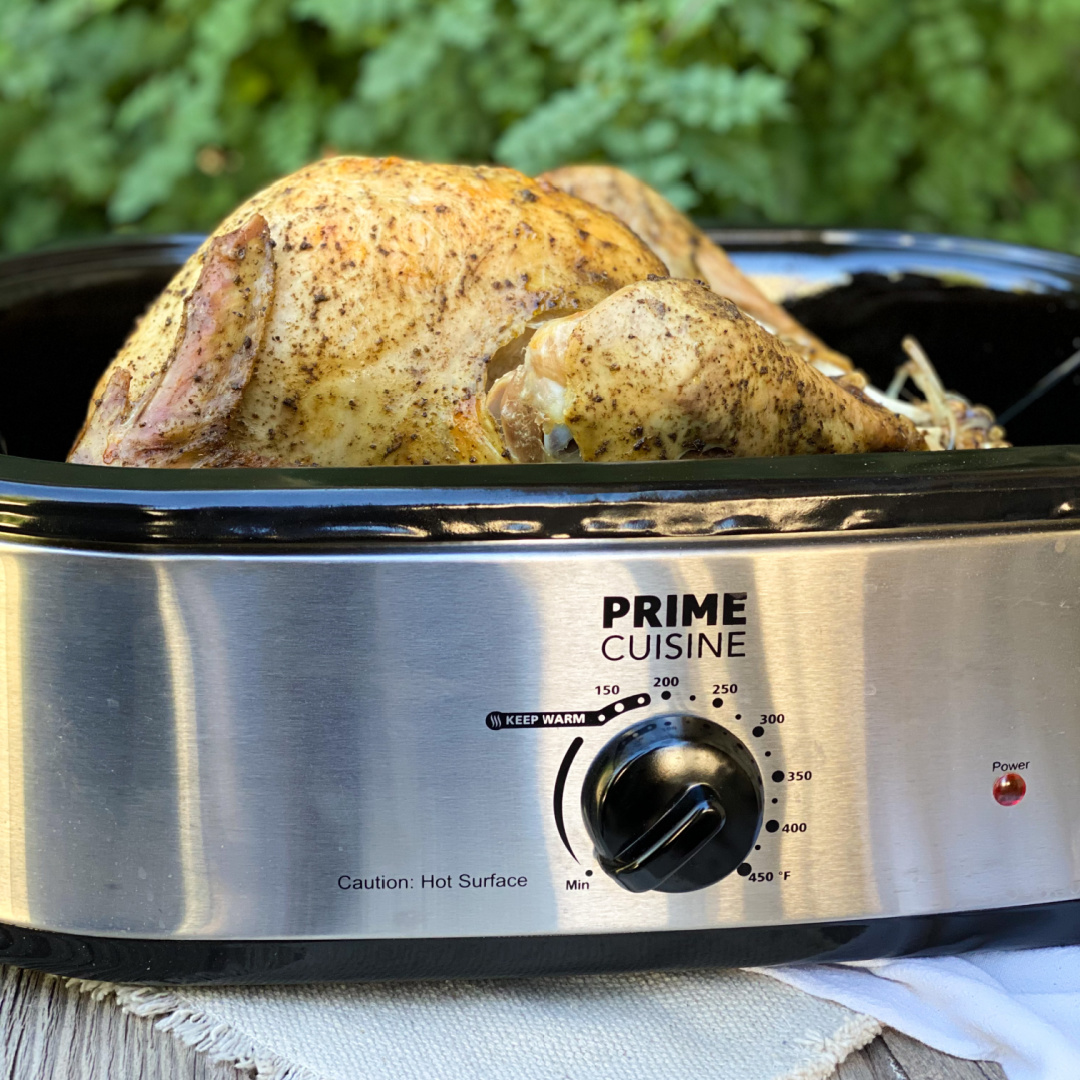
Image Source: www.aroundmyfamilytable.com
Why Use an Electric Roaster Oven?
Using an electric roaster oven for your roast has many good points.
* It frees up your main oven. This is great for holidays or when cooking many dishes.
* They often cook meat very evenly. This is because the heating element wraps around the pot.
* They can help keep the meat moist. The lid fits tight, trapping steam inside. This helps give you a juicy roast beef recipe or pork roast.
* They are portable. You can take them to parties or family dinners.
* You can use them for different cooking types, including slow cook roast in roaster oven.
Choosing the Right Roast
The first step is picking the right piece of meat. The best cuts for roasting often have some fat and maybe bone. This adds flavor and helps keep the meat moist.
Choosing Beef for Roasting
For beef, good cuts for roasting include:
* Chuck roast: This cut is from the shoulder. It has a lot of connective tissue. When cooked slowly and with moisture, this tissue breaks down. It turns into gelatin. This makes the meat very tender and moist. Chuck roast is great for slow cook roast in roaster oven methods.
* Rump roast: This is a leaner cut from the back leg. It can be tender but needs careful cooking. Low heat and liquid help a lot.
* Sirloin tip roast: Also from the round, but more tender than rump. Still benefits from lower heat.
* Ribeye roast (Prime Rib): A more expensive, tender cut. It needs less cooking time at a higher heat first, then lower heat. It is naturally juicy.
Look for meat that has some marbling. Marbling is the little white streaks of fat inside the muscle. Marbling melts as it cooks. This adds flavor and keeps the meat moist. A little fat on the outside is also good. You can trim some if there is too much.
Choosing Pork for Roasting
For pork, good cuts for roasting include:
* Pork loin roast: A lean cut. It can dry out if overcooked. Needs careful watching of the internal temperature for roast.
* Pork shoulder (Boston butt or picnic shoulder): Like beef chuck, this cut has lots of connective tissue and fat. It is perfect for slow cooking. It becomes very tender and can even be pulled apart. Great for slow cook roast in roaster oven.
* Pork leg roast (Fresh ham): A large, often leaner cut. Good for feeding many people. Needs cooking to a safe internal temperature.
Think about how you want the roast to turn out. Do you want slices for dinner? A lean pork loin or a beef ribeye is good. Do you want super tender meat you can pull apart? A pork shoulder or beef chuck is better for slow cook roast in roaster oven.
Getting the Roast Ready
Once you have your roast, you need to get it ready for cooking.
Seasoning the Roast
Seasoning is very important for flavor. You want to season the meat well on all sides.
* Use salt and pepper. These are basic but important. Use a good amount of salt. It helps bring out the meat’s flavor and makes it juicy.
* Add other herbs and spices. Garlic powder, onion powder, paprika, thyme, rosemary, or whatever you like. You can rub them all over the meat.
* Consider a dry rub. A mix of salt, sugar, spices, and herbs. Rub it on the meat hours or even a day before cooking. This adds deep flavor.
Sometimes people tie roasts with string. This helps them cook more evenly if they are odd shapes. It is not always needed, but it can help.
Searing the Roast (Optional but Recommended)
Searing means browning the outside of the meat at high heat. This step is optional when using an electric roaster oven, but it is highly recommended.
* Searing creates a flavorful crust on the outside of the roast.
* It can also help keep the juices inside, leading to a more juicy roast beef recipe.
* You can sear on the stovetop in a hot pan with a little oil. Do it until all sides are brown.
* You can also sometimes sear in the roaster oven itself if it gets hot enough (usually 400-450°F or higher), but this is harder and less common. Searing on the stovetop is easier.
Sear the roast after seasoning it. Pat the meat dry with paper towels before searing. Dry meat browns better.
Setting Up the Roaster Oven
Now it is time to set up your electric roaster oven.
Using Roaster Oven Rack
Most roaster ovens come with a rack. You should always use this rack when cooking a roast.
* The rack lifts the roast out of any liquid you put in the bottom of the pan.
* It lets hot air flow all around the meat. This helps it cook evenly.
* It keeps the meat from sitting in its own drippings or added liquid for the whole cooking time. This can make the bottom of the roast soft or watery instead of having a nice crust (if you seared it).
Make sure the rack is placed in the bottom of the roaster oven before you put the roast in.
What Liquid to Put in Roaster Oven
Adding liquid to the bottom of the roaster oven is a common practice.
* It helps create a moist cooking environment. This steam helps make a tender and juicy roast.
* The liquid also catches the drippings from the roast. These drippings have great flavor. You can use them later to make gravy.
* What liquid can you use? Water is simple and works. Broth (beef, chicken, or vegetable) adds more flavor. Wine or a mix of liquids can also be used.
* How much liquid? You only need about 1/2 inch to 1 inch of liquid in the bottom. You don’t want the liquid to touch the meat when it’s on the rack.
* Check the liquid level during cooking, especially for long cooks. Add more hot liquid if it gets low.
Adding liquid helps with how to get tender roast by providing moisture. It is very helpful when doing a slow cook roast in roaster oven.
Roaster Oven Temperature Settings and Cooking Time
Choosing the right temperature and knowing how long to cook is key. This depends on the type of roast, its size, and how you want it cooked (rare, medium, well-done).
Roaster Oven Temperature Settings
Electric roaster ovens usually have a dial or buttons to set the temperature.
* For roasting, temperatures typically range from 250°F to 450°F (about 120°C to 230°C).
* Higher temperatures (375-450°F) are for faster roasting, often for more tender cuts like ribeye or pork loin. These give a nicer crust.
* Lower temperatures (250-325°F) are for slow cooking. This is best for tougher cuts like chuck or pork shoulder. This low and slow method is the best way for how to get tender roast. It breaks down connective tissue over many hours. This is the slow cook roast in roaster oven method.
* Some methods use two temperatures: start high (400-450°F) for 15-20 minutes to brown the outside, then lower the temperature (250-325°F) for the rest of the cooking time. This can help get a crust while still slow cooking the inside.
It is good to check your roaster oven’s manual. Sometimes they cook a bit differently than a regular oven. Some might run a little hot or cool. Using an oven thermometer inside can help you know the real temperature.
Cooking Time for Beef Roast
The cooking time for beef roast depends a lot on the temperature setting, the cut, and how done you want it.
* For tender cuts (like ribeye, cooked faster at 325-375°F):
* Rare (120-125°F internal): about 12-15 minutes per pound
* Medium-Rare (130-135°F internal): about 15-18 minutes per pound
* Medium (140-145°F internal): about 18-20 minutes per pound
* Medium-Well (150-155°F internal): about 20-22 minutes per pound
* Well-Done (160°F+ internal): about 22-25 minutes per pound
* For tougher cuts (like chuck, cooked slow at 275-300°F):
* These are cooked until very tender, not to a specific temperature for doneness level (like rare or medium). They need to reach a high enough internal temperature for connective tissue to break down, often 180-190°F or even higher.
* The time is much longer, often 3-4 hours for a 3-4 pound roast, or even 6-8 hours or more for a larger roast using the slow cook roast in roaster oven method. Time per pound is less useful here; cook until fork-tender.
These times are estimates. Always check the internal temperature for roast to be sure it is done.
Cooking Pork Roast in Roaster Oven
Cooking pork roast in roaster oven also varies by cut and method.
* For lean cuts (like pork loin, cooked faster at 325-375°F):
* Pork loin is best cooked to 145°F (63°C) internal temperature for safety and best texture. This is slightly pink in the center.
* Cooking time is often around 20-25 minutes per pound at 325-350°F.
* For tougher cuts (like pork shoulder, slow cook at 275-300°F):
* Like beef chuck, pork shoulder is cooked until very tender, often reaching an internal temperature of 190-205°F (88-96°C) so it can be pulled apart.
* This can take 60-90 minutes per pound or even longer using the slow cook roast in roaster oven method.
Again, these are guides. Use a meat thermometer.
Achieving a Tender and Juicy Roast
Everyone wants a tender and juicy roast. Here is how to get tender roast using an electric roaster oven.
Use the Right Cut and Method
- Tougher cuts (chuck, shoulder) become tender only with slow cooking at low temperatures (slow cook roast in roaster oven). This gives connective tissue time to break down.
- Tender cuts (ribeye, loin) are already tender. They need careful cooking to not make them tough by overcooking. They cook faster.
Don’t Skip the Searing
Searing creates a crust. This crust adds great flavor. While it doesn’t “seal in juices” as once thought, it does give a nice texture contrast and contributes to a good juicy roast beef recipe.
Use Liquid and the Rack
Putting liquid in the bottom (what liquid to put in roaster oven) and using the using roaster oven rack helps.
* The steam from the liquid keeps the air around the roast moist. This helps prevent the outside from drying out before the inside is cooked.
* The rack keeps the bottom from boiling in the liquid, allowing for more even cooking and better texture.
Cook to the Correct Internal Temperature
This is perhaps the most important part of how to get tender roast.
* Overcooking meat is the easiest way to make it tough and dry. Juices are pushed out of the muscle fibers as it cooks too long or too hot.
* Use a meat thermometer to check the internal temperature for roast in the thickest part of the meat. Make sure the thermometer is not touching bone or fat.
* For cuts meant to be sliced (ribeye, loin), cook them only until they reach the desired level of doneness (e.g., 130-135°F for medium-rare beef, 145°F for pork loin). The temperature will rise a bit more as it rests.
* For cuts meant to be pulled apart (chuck, shoulder), cook them until they are very soft, even if the temperature goes much higher (180-205°F). The long, slow cook breaks down the toughness, and the higher temperature is needed for this process.
Let the Roast Rest
Once the roast reaches the right internal temperature for roast, take it out of the roaster oven. Put it on a cutting board. Cover it loosely with foil.
* Let it rest for 15-30 minutes before slicing. Larger roasts need longer resting times.
* Resting allows the juices inside the meat to settle and go back into the muscle fibers. If you cut it too soon, the juices will run out onto the cutting board, and the meat will be dry.
* The temperature of the roast will also rise a little (carryover cooking) during resting. This is why you often take it out a few degrees before it reaches the final desired temperature.
Step-by-Step Guide for Roasting in a Roaster Oven
Let’s put it all together into simple steps for electric roaster oven use. This guide focuses on a simple beef or pork roast (like chuck or shoulder for tenderness, or loin/ribeye for slicing).
Ingredients:
* 1 beef or pork roast (3-5 pounds)
* Salt, pepper, and other desired seasonings (garlic powder, onion powder, herbs like thyme or rosemary)
* 2 tablespoons oil (for searing)
* 1-2 cups liquid (water, broth, wine – what liquid to put in roaster oven)
Equipment:
* Electric roaster oven
* Roaster oven rack
* Large pan (if searing on stovetop)
* Meat thermometer
* Cutting board
* Foil
Steps:
-
Get the Roast Ready:
- Take the roast out of the fridge about 30-60 minutes before you want to cook it. This helps it cook more evenly.
- Pat the roast dry all over with paper towels.
- Season the roast generously with salt, pepper, and other spices. Rub them in well.
-
Sear the Roast (Optional but Recommended):
- Heat 2 tablespoons of oil in a large, heavy pan over medium-high heat on your stovetop.
- Carefully place the seasoned roast in the hot pan.
- Sear for 2-3 minutes on each side until it is brown all over. Use tongs to turn it.
- Be careful, hot oil can splash.
-
Set Up the Roaster Oven:
- Make sure the electric roaster oven is clean.
- Put the roaster oven rack inside the ro oven. Make sure it sits correctly.
- Pour 1-2 cups of your chosen liquid (what liquid to put in roaster oven) into the bottom of the roaster oven, under the rack. Do not let the liquid touch the rack or the meat that will sit on it.
-
Place the Roast:
- Carefully put the seared (or unseared) roast on the roaster oven rack. Make sure it is centered.
-
Set the Temperature:
- Put the lid on the roaster oven.
- Set the roaster oven temperature settings.
- For slow cook (tender cuts like chuck/shoulder): Set to 275°F – 300°F (135°C – 150°C).
- For faster roast (tender cuts like ribeye/loin): Set to 325°F – 375°F (160°C – 190°C).
- Or, start high (400-450°F) for 15-20 mins, then lower to slow cook temp.
-
Cook the Roast:
- Let the roast cook. The cooking time for beef roast or pork roast will vary based on size, temperature, and method (see guides above).
- Keep the lid on the roaster oven while it cooks. Lifting the lid lets heat and steam escape, which makes cooking take longer and can make the meat dry. Only open it to check the liquid level or the temperature.
- If doing a long slow cook roast in roaster oven, check the liquid level every few hours. Add hot water or broth if needed.
-
Check for Doneness:
- Start checking the roast about 30-60 minutes before the estimated finish time.
- Insert a meat thermometer into the thickest part of the roast. Do not touch bone or fat.
- Check the internal temperature for roast.
- For slicing roasts: Cook until it reaches the desired temperature (e.g., 130-135°F for medium-rare beef, 145°F for pork loin). Remember it will rise while resting.
- For shredding/pulled roasts: Cook until very tender when poked with a fork, often 180-205°F internal temp.
- If it is not done, put the lid back on and continue cooking. Check again every 15-30 minutes.
-
Rest the Roast:
- Once done, carefully take the roast out of the roaster oven using the rack handles or tongs.
- Place it on a clean cutting board.
- Cover it loosely with foil (make a little tent).
- Let it rest for 15-30 minutes (longer for larger roasts). This is important for a juicy roast beef recipe and how to get tender roast.
-
Slice or Shred and Serve:
- After resting, remove the foil.
- Slice the roast against the grain (across the lines of muscle fibers). This makes the meat more tender to eat.
- Or, if it was a slow-cooked tough cut, shred it with forks.
- Serve the roast hot.
Making Gravy from Drippings
The drippings left in the bottom of the roaster oven, mixed with the liquid you added (what liquid to put in roaster oven), are full of flavor. You can use these to make gravy.
- Carefully pour the liquid and drippings from the roaster oven pan into a separate pot or a fat separator.
- If using a fat separator, the fat will rise to the top. Pour off the flavorful liquid from the bottom, leaving the fat behind.
- If not using a separator, skim off as much fat as you can from the top of the liquid with a spoon.
- Measure the liquid. For every 1 cup of liquid, you’ll need about 1-2 tablespoons of flour or cornstarch to thicken it.
- In a small bowl, whisk together the flour or cornstarch with a little cold water or broth to make a smooth paste (called a slurry).
- Heat the defatted drippings/liquid in a pot on the stovetop over medium heat.
- Slowly whisk in the slurry. Keep stirring as the gravy heats and thickens.
- Simmer for a few minutes until it reaches your desired thickness. If it’s too thick, add a little more broth or water. If it’s too thin, mix a little more cornstarch with water and whisk it in.
- Taste the gravy and add salt and pepper if needed. You can also add a splash of soy sauce or Worcestershire sauce for more flavor.
- Serve the hot gravy with your sliced roast.
This gravy is a key part of a delicious meal, especially for a juicy roast beef recipe.
Slow Cook Roast in Roaster Oven
The slow cook roast in roaster oven method is excellent for making tougher cuts incredibly tender. This uses lower roaster oven temperature settings (250-300°F).
- Why it works: Cooking meat low and slow over many hours slowly breaks down the tough connective tissues in cuts like chuck or shoulder. This process turns those tissues into soft gelatin. The gelatin melts into the meat, making it very moist and tender.
- What liquid to put in roaster oven for slow cook: Use more liquid than for faster roasting, or ensure you check and add more during the long cooking time. Broth, water, wine, or even tomato products work well. The steam is important here.
- Covering: Keep the lid on tight to trap moisture.
- Checking for doneness: Don’t rely just on time per pound. Use a fork to test tenderness. It should easily pierce the meat and twist to pull off a piece. The internal temperature for roast for shredding will be high (180-205°F).
- Resting: Still important, but for shredding roasts, the rest is often shorter, about 10-15 minutes.
This method guarantees how to get tender roast from less expensive cuts.
Table: Roasting Guide Quick Look
| Roast Type | Cut Examples | Recommended Temp (°F) | Est. Time Per Pound | Target Internal Temp (°F) | Notes |
|---|---|---|---|---|---|
| Beef (Slicing) | Ribeye, Sirloin Tip | 325-375 | 12-25 mins | 120-155 (Rare-Med-Well) | Rest 15-20 mins, Slice against grain |
| Beef (Shredding) | Chuck, Brisket | 275-300 (Slow Cook) | 60-90+ mins | 180-205 | Cook until fork-tender, Rest 10-15 mins |
| Pork (Slicing) | Loin | 325-375 | 20-25 mins | 145 | Rest 15-20 mins, Slice against grain |
| Pork (Shredding) | Shoulder (Boston Butt) | 275-300 (Slow Cook) | 60-90+ mins | 190-205 | Cook until fork-tender, Rest 10-15 mins |
Note: All times are estimates. Always use a meat thermometer.
Troubleshooting Common Issues
Sometimes things don’t go perfectly. Here are some common problems and what to do.
-
Roast is Dry:
- You might have overcooked it. Always check the internal temperature for roast and take it out at the right time.
- Did you let it rest? Resting is key for a juicy roast beef recipe.
- Was it a very lean cut? Lean cuts need lower temps and careful watching. Using what liquid to put in roaster oven helps.
- Did you check the liquid level during cooking? Add more if it gets low.
-
Roast is Tough:
- If it’s a tender cut, it is likely overcooked. See above.
- If it’s a tough cut (chuck, shoulder), it might not have cooked long enough at a low temperature. It needs many hours for the connective tissue to break down. Increase the cooking time for beef roast or pork roast using the slow cook roast in roaster oven method until it’s fork-tender.
- Did you slice against the grain? Slicing with the grain makes meat seem tougher.
-
Cooking Takes Too Long:
- Did you keep the lid on? Lifting the lid often adds significant cooking time.
- Is your roaster oven temperature settings accurate? Use an oven thermometer to check.
- Is the roast much larger or colder than expected? A very cold roast straight from the fridge will take longer. Letting it sit out helps.
- Is the roaster oven properly preheated?
-
Not Getting a Good Crust:
- Did you sear it before putting it in the roaster oven? This is the best way to get a crust.
- Were you using the using roaster oven rack? The rack helps hot air circulate.
- Was there too much liquid in the bottom touching the meat? This will steam the bottom instead of roasting it.
Tips for Best Results
- Preheat: Always preheat your electric roaster oven before putting the roast in.
- Use a Probe Thermometer: A thermometer you leave in the roast while it cooks is very helpful. Some can even send alerts when the internal temperature for roast is reached.
- Don’t Peek: Resist the urge to lift the lid often.
- Size Matters: Adjust cooking time for beef roast or pork roast based on the size. Larger roasts take longer.
- Experiment: Try different seasonings, liquids (what liquid to put in roaster oven), and temperatures to find what you like best.
- Clean Up: Clean your electric roaster oven use parts after they cool down. It’s easier before food dries on.
Cooking a roast in an electric roaster oven is straightforward. By picking the right meat, preparing it well, using the roaster oven rack, controlling the roaster oven temperature settings, using what liquid to put in roaster oven for moisture, tracking the cooking time for beef roast or cooking pork roast in roaster oven, and checking the internal temperature for roast, you can consistently make a delicious, how to get tender roast every time. Whether you want a juicy roast beef recipe or tender pulled pork using the slow cook roast in roaster oven method, your roaster oven can deliver.
Frequently Asked Questions (FAQ)
Q: Can I put vegetables in the roaster oven with the roast?
A: Yes, you can. Add dense vegetables like potatoes, carrots, or onions around the roast or on the rack later in the cooking time. Add them in the last 1-2 hours for faster-cooking items so they don’t get mushy. Make sure there is still room for air to move around the roast.
Q: How long does it take to preheat a roaster oven?
A: It usually takes 15-20 minutes to preheat an electric roaster oven to the set temperature.
Q: Can I cook a frozen roast in a roaster oven?
A: It is generally not recommended to cook a large roast from frozen. It is hard to cook it evenly and safely. Thaw the roast fully in the refrigerator before cooking. This ensures the internal temperature for roast reaches a safe level throughout without overcooking the outside.
Q: What if my roast is browning too quickly on top?
A: If the top is getting too dark before the inside is cooked, you can loosely tent the roast with foil. Make sure the foil does not touch the meat or restrict air flow too much. Check your roaster oven temperature settings to make sure they aren’t too high.
Q: How do I clean my electric roaster oven?
A: Always unplug the roaster oven and let it cool completely first. The insert pan and rack are usually removable. Wash these in warm, soapy water or put them in the dishwasher if they are safe for that (check your manual). Wipe the inside of the outer unit with a damp cloth. Do not get the electrical parts wet.
Q: Can I use a cooking bag in a roaster oven?
A: Yes, you can usually use an oven cooking bag in an electric roaster oven. Follow the bag’s instructions. This can help keep the roast moist and make clean-up easier. You might not need to add as much extra liquid to the bottom if using a bag.
Q: What’s the difference between a roaster oven and a slow cooker?
A: A slow cooker typically has lower temperature settings and is designed specifically for very long, moist cooking times. A roaster oven can cook at slow cooker temperatures but also at much higher roasting temperatures, making it more versatile, like a second oven. Roaster ovens are often larger than slow cookers.
Q: Does the size of the roaster oven matter?
A: Yes, make sure the roast fits comfortably inside the roaster oven with the lid on, and that there is still space for air to circulate. Don’t crowd it. An electric roaster oven use is best when sized right for the food.