
What is deer ham? It’s simply the back leg or hindquarter of a deer. Can you cook it in the oven? Absolutely! The oven is a fantastic way to turn this large cut of venison into a delicious, juicy main dish. This guide will show you the best method to cook deer ham in the oven, making it tender and full of flavor. We will cover everything from start to finish. Get ready to learn how to roast venison ham like a pro.
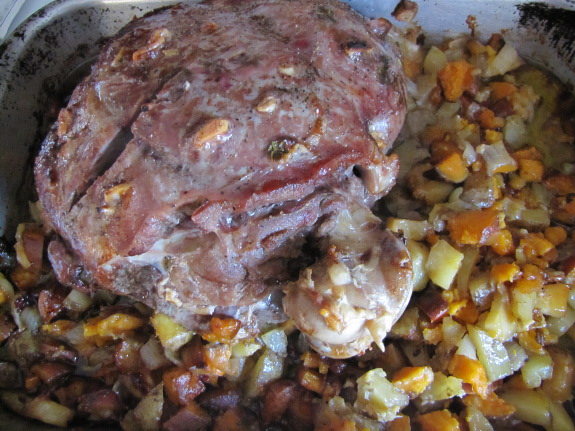
Image Source: www.waldeneffect.org
Getting Your Deer Ham Ready
The deer hindquarter is a big piece of meat. It needs a little work before you cook it. Taking time now makes a big difference in the final taste and texture.
Examining the Hindquarter
First, look at the meat. You will see muscle, fat, and some silver skin. Silver skin is a thin, tough layer. It does not break down when cooked. Fat on venison can have a strong, gamey taste.
Trimming the Meat
You want to remove most of the fat. Use a sharp knife for this. Cut it away carefully. Also, find the silver skin. Slide your knife under the silver skin. Hold the skin up with one hand. Angle the knife up slightly. Cut the skin away from the meat. Try not to cut too much meat off. Removing silver skin helps the meat be more tender and easier to chew. This prep is key when baking deer leg.
Bone-In or Boneless?
Deer ham usually comes with the bone in. You can cook it bone-in. Or, you can take the bone out.
- Bone-In: Cooking with the bone can add flavor. The bone also helps the meat cook more evenly. It can be a little harder to carve later. The cooking time might be a bit longer.
- Boneless: Taking the bone out makes carving much easier. You can tie the meat into a neat shape. This helps it cook evenly. Sometimes, boneless meat can dry out more easily if not cooked just right.
Removing the bone needs a sharp knife and knowing where to cut. If you are new to this, leaving the bone in is fine.
Making Your Deer Ham Taste Great
Venison is lean meat. This means it can dry out fast. Adding moisture and flavor before cooking is very important. Two great ways to do this are brining and marinating.
Why Brine?
Brining deer ham before cooking helps the meat hold onto water. Salt in the brine changes the meat’s structure. This lets it soak up more liquid. This means more moisture stays in the meat while it cooks. It makes the final dish much juicier. Brining also adds flavor deep inside the meat.
Trying a Wet Brine
A wet brine is a mix of salt, sugar, water, and sometimes other flavors.
-
Simple Wet Brine Recipe:
- 1 gallon of cold water
- 1 cup of kosher salt (or 1/2 cup table salt)
- 1/2 cup of sugar (white or brown)
- Optional flavors: bay leaves, black peppercorns, garlic cloves (smashed), onion pieces, fresh herbs like rosemary or thyme.
-
Steps:
- In a large pot, heat about 1 quart of the water. Add the salt and sugar. Stir until they dissolve completely.
- If using, add optional flavors to the hot water. Let them soak for a few minutes.
- Take the pot off the heat. Let it cool down fully. This is very important. You must not put meat into warm brine.
- Once cool, pour the salt mix into a container large enough for the deer ham. Add the rest of the cold water (3 quarts).
- Put the trimmed deer ham into the brine. Make sure the meat is fully under the liquid. You might need to put a plate or weight on top to keep it down.
- Cover the container. Put it in the refrigerator.
- How long to brine? This depends on the size of the ham. A good rule is about 1-2 days for a whole hindquarter. For smaller pieces, maybe 12-18 hours. Do not brine too long, or the meat can get too salty or mushy.
- When time is up, take the ham out of the brine. Rinse it well under cold water. This removes extra salt from the outside. Pat it very dry with paper towels. This helps the outside get a nice crust when you cook it.
Brining is one of the best ways to ensure a juicy result when cooking time deer ham comes.
Trying a Dry Brine
A dry brine uses salt and seasonings rubbed all over the meat.
-
Simple Dry Brine Mix:
- 1/4 cup kosher salt
- 1 tablespoon black pepper
- 1 tablespoon dried herbs (like rosemary, thyme, or your favorite blend)
- 1 teaspoon garlic powder
- 1 teaspoon onion powder
-
Steps:
- Mix all ingredients together in a small bowl.
- Pat the deer ham very dry.
- Rub the dry brine mix all over the meat. Make sure to cover all sides well.
- Place the ham on a rack set inside a baking sheet. This allows air to flow around it.
- Put the ham (on the rack and tray) in the refrigerator. Leave it uncovered. The salt will pull out some liquid, then that liquid will soak back in, taking the flavors with it. Leaving it uncovered helps dry the surface, which helps with browning.
- How long to dry brine? About 18-24 hours for a whole hindquarter. For smaller cuts, maybe 12-18 hours.
- When ready to cook, do not rinse the meat. Just pat it lightly dry if needed. The dry brine has already done its job.
Both wet and dry brining are great ways to make venison ham better. Choose the one that seems easier for you.
Using a Marinade
A marinade adds flavor and can help tenderize the meat slightly. It’s a liquid mix you soak the meat in. Using a deer ham marinade recipe adds different tastes than a brine. You can marinate instead of brining, or sometimes after a light brine (but be careful not to make it too salty).
-
Simple Marinade Ideas:
- Italian Style: Mix olive oil, red wine vinegar, garlic, oregano, basil, salt, and pepper.
- Soy Ginger: Mix soy sauce, ginger, garlic, a little honey or brown sugar, and sesame oil.
- Sweet and Tangy: Mix balsamic vinegar, olive oil, Dijon mustard, garlic, and brown sugar.
-
Steps:
- Choose your marinade ingredients. Mix them in a bowl or a large zip-top bag.
- Place the trimmed deer ham in the marinade. Make sure the meat is fully covered.
- Put it in the refrigerator.
- How long to marinate? For venison ham, 6-12 hours is often enough. Too long (more than 24 hours, especially with lots of acid like vinegar) can make the meat mushy.
- When ready, take the ham out of the marinade. Let excess liquid drip off. Pat the surface dry if needed before cooking.
Using a deer ham marinade recipe is a good step for adding flavor.
Cooking the Deer Ham Just Right in the Oven
Now it’s time to cook your prepped deer ham. This is where roasting venison hindquarter happens. The oven provides even heat and is one of the best methods to cook deer ham.
Getting Ready for the Heat
- Preheat Your Oven: Turn your oven on before you put the meat in. A hot oven is important. Set the temperature based on your chosen method (we’ll discuss temps below).
- Pat it Dry (Again): If you wet brined or marinated, make sure the surface is dry after removing it from the liquid. If you dry brined, just leave it as is. A dry surface helps the meat brown better.
- Add Seasoning or Rub: Even if you brined or marinated, you can add more flavor to the outside. A simple mix of salt, pepper, garlic powder, and onion powder works well. Or use a store-bought rub for venison or beef. Rub it all over the ham.
- Tie it Up (if Boneless): If you took the bone out, tie the ham with kitchen string. This helps it keep a nice shape. It also helps the meat cook more evenly. Tie it every couple of inches across the ham.
- Use a Roasting Pan: Place the deer ham in a roasting pan. Using a rack in the pan is a good idea. This lifts the meat up. Hot air can then get all around it. This helps the bottom of the ham brown, not just steam.
Setting the Oven Temperature
There are a few ways to think about oven temperature for roasting venison ham.
- High Heat Start: Some like to start at a high temperature (like 400-425°F or 200-220°C) for the first 15-20 minutes. This helps create a nice brown crust quickly. Then, lower the temperature to a lower heat (like 300-325°F or 150-160°C) for the rest of the cooking time.
- Constant Lower Heat: Others prefer to cook at a steady lower temperature (like 300-325°F or 150-160°C) for the whole time. This is gentler on the meat. It might take longer, but some feel it helps keep the meat more tender and juicy.
- Very Low Heat: Some expert cooks use very low temperatures (like 225-250°F or 107-120°C). This takes a long time, many hours. It’s like slow cooking in the oven. This method can make the meat extremely tender.
For a beginner, starting with a constant lower heat (300-325°F) is often the easiest and safest way to get a good result. This is a common temperature range for a venison ham recipe oven.
How Long to Cook
Cooking time deer ham depends on several things:
- Size of the ham: A bigger ham takes longer.
- Bone-in or Boneless: Bone-in often takes a little longer.
- Starting temperature of the meat: Meat straight from the fridge takes longer than meat that sat out for a bit (but don’t leave raw meat out too long!).
- Your oven: Ovens can be different. Using an oven thermometer to check your oven’s true temperature is a good idea.
- The desired internal temperature: This is the most important factor. You cook until the inside reaches a certain temperature, not for a set amount of time.
As a general guide, roasting venison hindquarter at 300-325°F (150-160°C) might take about 15-20 minutes per pound for a boneless ham, or 20-25 minutes per pound for a bone-in ham. But remember, this is just a guess! You must use a thermometer.
Checking the Inside Temperature
This is the most crucial step for juicy deer ham. You need a meat thermometer. An instant-read thermometer is best.
- Where to Check: Push the thermometer into the thickest part of the ham. Make sure you do not hit the bone if it is bone-in.
- What Temperature to Look For: The safe internal temperature for venison, according to food safety experts, is 145°F (63°C). This will give you meat that is medium-rare to medium in the center. The meat might still be pink inside. This is okay for venison cooked to 145°F. If you prefer your meat more done, cook it to 150°F (66°C) for medium or 155-160°F (68-71°C) for medium-well. Do not cook venison past 160°F (71°C) if you can help it. It will likely become very dry and tough. Checking the internal temperature venison ham is the only way to know when it is done.
Letting It Rest
When the ham reaches the target internal temperature, take it out of the oven. This part is vital! Place the ham on a cutting board. Cover it loosely with foil. Let it sit for 15-20 minutes before you slice it.
- Why Rest? While the meat cooks, the juices get pushed to the center. If you cut it right away, these juices will run out onto the board. Resting lets the juices spread back out through the meat. This makes the ham much juicier and more tender. The temperature inside the meat will also rise a few degrees during this rest time (this is called carryover cooking).
Making the Ham Even Better
You can add more moisture and flavor while the ham cooks.
Basting
Basting means spooning or brushing liquid over the meat as it cooks. This helps keep the surface moist. It also adds flavor.
- What to Use for Basting: You can use the juices that collect in the bottom of the roasting pan. Or use melted butter, olive oil, broth (beef, chicken, or vegetable), or even some of your leftover marinade (make sure it is boiled first if it touched raw meat).
- When to Baste: Do it every 20-30 minutes while the ham is in the oven. Stop basting for the last 20-30 minutes if you want to add a glaze or get a crispier crust.
Adding a Glaze
A glaze is a thick, sweet, or savory sauce brushed on the meat towards the end of cooking. It creates a shiny, flavorful coating. Using a venison ham glaze oven recipe adds a final layer of taste.
- When to Add Glaze: Put the glaze on the ham during the last 20-30 minutes of cooking. If you add it too early, the sugars in the glaze can burn.
- Simple Glaze Ideas:
- Mix brown sugar, Dijon mustard, and a little apple cider vinegar.
- Melt some jelly or jam (like currant, cranberry, or apple) and stir in a bit of mustard or Worcestershire sauce.
- Mix balsamic vinegar with honey or maple syrup.
- How to Apply: Brush the glaze generously all over the top and sides of the ham. Put it back in the oven to finish cooking. The glaze will bubble and get sticky and delicious.
Easy Deer Ham Recipes for Your Oven
Here are a couple of simple ways to use the techniques we talked about. These are your basic venison ham recipe oven instructions.
Simple Roasted Ham
This recipe focuses on basic flavor and proper cooking. This is often considered a best method cook deer ham for newcomers.
-
Ingredients:
- 1 deer ham (about 4-6 lbs boneless, or 6-8 lbs bone-in), trimmed
- 2 tablespoons olive oil or melted butter
- Salt and black pepper
- Garlic powder
- Onion powder
- Optional: sprigs of rosemary or thyme, a few cloves of garlic
-
Instructions:
- Preheat your oven to 325°F (160°C).
- Pat the trimmed deer ham very dry with paper towels.
- Rub the ham all over with olive oil or melted butter.
- Mix salt, pepper, garlic powder, and onion powder in a small bowl. Use a good amount to cover the ham well. Rub this seasoning mix all over the ham.
- If using, make small cuts in the surface of the ham with a knife. Push slivers of garlic and small pieces of herbs into the cuts.
- Place the ham on a rack in a roasting pan.
- Put the pan in the preheated oven.
- Roast for about 15-20 minutes per pound for boneless, or 20-25 minutes per pound for bone-in. Remember, this is just a guide!
- Use a meat thermometer to check the internal temperature. Start checking about 30-45 minutes before you think it will be done. The ham is ready when the thickest part reaches 145°F (63°C) for medium-rare/medium. Cook longer if you want it more done, but stop before it gets too high (aim for 155°F maximum).
- Once it reaches the right temperature, take the ham out of the oven.
- Place the ham on a cutting board. Cover loosely with foil. Let it rest for 15-20 minutes.
- Slice against the grain and serve.
Brined and Glazed Ham
This combines brining for moisture with a glaze for extra flavor. This is a popular way how to roast venison ham for special meals.
-
Ingredients:
- 1 deer ham, trimmed (prepared with either a wet or dry brine, see steps above)
- Ingredients for your chosen glaze (see ideas above), made and ready to use
- Optional: ingredients for basting liquid (pan juices, broth)
-
Instructions:
- Prepare the deer ham using a wet or dry brine as described earlier. Make sure you plan ahead, as this takes 1-2 days in the fridge.
- When brining is done, take the ham out. Rinse well if wet brined, pat dry if dry brined. Let it sit at room temperature for about 30 minutes while the oven heats.
- Preheat your oven to 325°F (160°C).
- Place the ham on a rack in a roasting pan.
- Put the pan in the preheated oven.
- Roast for about 15-20 minutes per pound (boneless) or 20-25 minutes per pound (bone-in).
- If you like, baste the ham every 30 minutes with pan juices or broth.
- About 20-30 minutes before the estimated end time, start checking the internal temperature venison ham. When it reaches about 130-135°F (54-57°C), it is time to add the glaze.
- Take the ham out of the oven. Brush the prepared glaze all over the ham.
- Put the ham back in the oven. Continue cooking.
- Keep checking the internal temperature. The ham is done when it reaches 145°F (63°C) in the thickest part (not hitting bone).
- Once done, take the ham out. Place on a cutting board, cover loosely with foil, and let it rest for 15-20 minutes.
- Slice and enjoy your juicy, flavorful ham.
Baking deer leg this way with a brine and glaze adds great moisture and a tasty finish.
Tips for Cooking Deer Ham Like a Pro
Making a perfect roasted venison hindquarter takes a little care. Here are some extra tips.
Use a Thermometer
This cannot be said enough. A good meat thermometer is your best friend when cooking venison ham. It takes the guesswork out of the cooking time deer ham. Do not rely just on time per pound. Always check the internal temperature venison ham.
Don’t Overcook
Venison is lean. It has less fat than beef or pork. This means it will dry out very easily if you cook it too long or to too high a temperature. Aim for 145-155°F (63-68°C) internal temperature for the best texture.
Room Temperature Start
Letting the deer ham sit out of the fridge for 30-60 minutes before cooking helps it cook more evenly. This is especially true for large cuts like a hindquarter. Do not leave it out for hours, though, for food safety reasons.
Use a Rack
Always cook the ham on a rack in the roasting pan. This helps heat get all around the meat. The bottom will cook and brown better, not just sit in juices.
Save the Juices
The liquid in the bottom of the roasting pan after cooking is full of flavor. You can use this for basting during cooking. After the ham is out, you can use these juices to make a gravy or sauce to serve with the ham. Just pour off excess fat first.
What About the Silver Skin?
We mentioned removing silver skin. It’s important. It looks like a shiny, thin membrane on the outside of the muscles. It is tough and chewy. Use a sharp, flexible knife. Slide the knife under the silver skin at one end. Lift the skin with your other hand. Angle the knife up slightly towards the silver skin, not the meat. Use a back and forth motion to cut the skin away. It takes practice, but it is worth it for a more tender result.
Enjoying Your Delicious Ham
After all your hard work, it’s time to eat!
How to Slice It
Once the ham has rested, get a sharp carving knife. Look closely at the meat. You will see lines running through it. These are the muscle fibers, or the “grain” of the meat. For tender slices, you need to cut against the grain. Find the direction the lines run, then cut across them. For a hindquarter, the grain can go in different directions in different parts of the muscle. You might need to cut larger pieces off first, then turn them to slice against the grain. Thin slices are usually best.
What to Serve With It
Roasted deer ham goes well with many classic sides.
- Mashed potatoes or roasted potatoes
- Green beans, broccoli, or asparagus
- Sweet potatoes or yams
- Dinner rolls or crusty bread
- A side salad
- Sauces like cranberry sauce, apple sauce, or the gravy you made from the pan juices.
This deer ham makes a great holiday meal or special dinner. Leftovers are excellent in sandwiches!
Quick Answers to Your Questions
Can I freeze deer ham?
Yes, you can freeze raw deer ham. Make sure it is wrapped tightly in plastic wrap, then foil or freezer paper. Freeze for up to 9-12 months. You can also freeze cooked deer ham leftovers. Wrap tightly and freeze for up to 3-4 months.
How do I thaw it?
The safest way to thaw frozen deer ham is in the refrigerator. Place the wrapped ham on a tray or in a pan to catch any drips. A large ham can take several days to thaw in the fridge (about 24 hours per 5 pounds). You can also thaw it in cold water, changing the water every 30 minutes, or in a microwave (cook immediately after thawing in the microwave).
Is it safe to eat medium-rare venison?
Yes, venison cooked to an internal temperature of 145°F (63°C) is safe to eat. This level of doneness is often preferred for venison because it keeps the meat juicy and tender. If you cook it past medium (155-160°F), it tends to get dry. Using a thermometer is key to hitting the right temperature safely.
Wrapping It Up
Cooking a deer ham in the oven is a rewarding project. It takes some steps: trimming, maybe brining or marinating, and then careful roasting. The most important things to remember are using a meat thermometer to cook to the right internal temperature (145-155°F) and letting the ham rest before slicing. By following these steps, you can turn a deer hindquarter into juicy, flavorful venison ham that your family and friends will love. Give this venison ham recipe oven method a try. It truly is a best method cook deer ham for a delicious meal. Enjoy your homemade deer ham!