
If your oven has been involved in a fire and you’ve used a fire extinguisher, you’re likely wondering: How do I clean an oven after a fire extinguisher safely? The primary goal is to safely and effectively remove the fire extinguisher residue, which can be a fine powder or foam, depending on the type of extinguisher used. This guide will walk you through the process of oven cleaning after fire using common household items and safe practices.
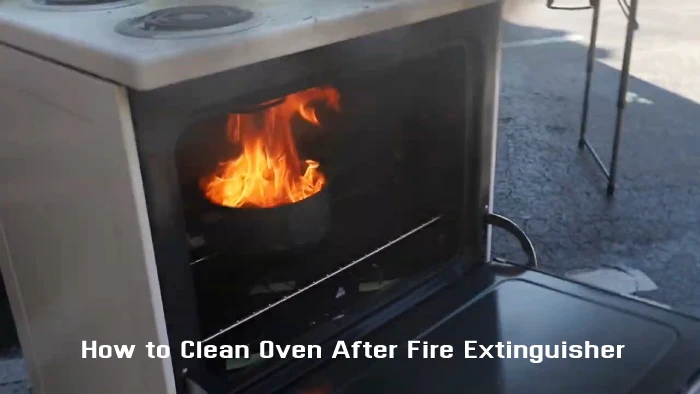
Image Source: cleanlessons.com
Initial Assessment and Safety Precautions
Before you even think about scrubbing, safety is paramount. A fire, even a small one contained within an oven, can leave behind hazardous byproducts. Fire extinguisher powder removal requires a thorough approach.
When to Seek Professional Help
- Major Fire Damage: If the fire was significant, causing visible damage to the oven’s internal components, wiring, or the surrounding cabinetry, do not attempt to clean it yourself. Contact a professional appliance repair service or a fire restoration specialist.
- Unknown Extinguisher Type: If you are unsure of the type of fire extinguisher used, it’s best to consult the extinguisher’s manufacturer or a professional cleaning service. Some chemical agents might require specialized handling.
- Respiratory Issues: If you have any pre-existing respiratory conditions, consider wearing a high-quality respirator mask throughout the cleaning process.
Essential Safety Gear
- Gloves: Heavy-duty rubber or nitrile gloves are essential to protect your skin from cleaning agents and residual extinguisher powder.
- Eye Protection: Safety glasses or goggles will prevent dust and cleaning solutions from getting into your eyes.
- Mask/Respirator: A dust mask or a respirator with appropriate filters is crucial to avoid inhaling fine extinguisher particles.
- Ventilation: Ensure the area is well-ventilated. Open windows and doors to allow fresh air to circulate. If possible, use a fan to direct fumes and dust outside.
Understanding Fire Extinguisher Residue
Fire extinguishers contain various agents designed to put out fires. The most common types found in kitchens are ABC dry chemical extinguishers and sometimes CO2 extinguishers.
Common Extinguisher Agents and Their Residue
- ABC Dry Chemical: These are the most common. The powder is typically a mix of monoammonium phosphate, with additives to prevent caking. This is what you’ll most likely be dealing with. The fire extinguisher residue from these can be sticky and corrosive over time.
- CO2 (Carbon Dioxide): These leave behind no powdery residue, but the extreme cold can sometimes cause condensation or slight frosting on surfaces. The main concern here is ensuring the oven is completely aired out after use.
Knowing what you’re dealing with helps in choosing the right cleaning oven chemicals and methods.
Step-By-Step Guide to Removing Extinguisher Residue
The goal is to systematically remove the fire extinguisher powder removal without damaging the oven.
Step 1: Allow the Oven to Cool Completely
Never attempt to clean a hot oven, especially after a fire. Ensure the oven has cooled down to room temperature.
Step 2: Initial Powder Removal
This is the first step in removing extinguisher residue from oven.
- Vacuuming: Use a vacuum cleaner with a HEPA filter and a brush attachment. Gently vacuum as much of the loose powder as possible from the oven cavity, racks, and door. Be thorough but avoid aggressive scrubbing at this stage, which could embed the powder.
- Dry Wiping: After vacuuming, use a clean, dry microfiber cloth to wipe down all surfaces. This will pick up any remaining loose dust.
Step 3: Preparing Your Cleaning Solution
You’ll want to use safe and effective safe oven cleaning products. For most fire extinguisher residue from ABC extinguishers, a combination of baking soda and vinegar is highly effective.
Baking Soda Paste
Baking soda oven cleaning is a classic and effective method.
-
Ingredients:
- 1 cup baking soda
- 3-4 tablespoons of water (add more if needed to create a thick paste)
-
Method: Mix baking soda and water in a bowl until you achieve a spreadable paste consistency.
Vinegar Solution
Vinegar oven cleaning helps to neutralize alkaline residues and cut through grease.
-
Ingredients:
- 1 cup white vinegar
- 1 cup warm water
-
Method: Combine white vinegar and warm water in a spray bottle.
Step 4: Cleaning the Oven Interior
This is where the real work of oven cleaning after fire begins.
Applying the Baking Soda Paste
- Spread the Paste: Wearing your gloves, apply the baking soda paste to all interior surfaces of the oven, including the walls, floor, and ceiling. Avoid the heating elements if they are exposed.
- Focus on Residue Areas: Pay extra attention to areas where you see the most fire extinguisher residue.
- Let it Sit: Allow the paste to sit for at least 12 hours, or preferably overnight. This allows the baking soda to break down the residue.
Wiping Away the Paste and Residue
- Damp Cloth: Use a damp, clean microfiber cloth to wipe away the dried baking soda paste. Rinse the cloth frequently in clean water.
- Scrubbing Stubborn Spots: For any stubborn spots of fire extinguisher residue, use the cloth with gentle pressure. You might need to reapply the paste to particularly difficult areas.
Using the Vinegar Solution
- Spray and Wipe: After removing the baking soda paste, spray the interior surfaces with the vinegar and water solution.
- Neutralizing and Shining: The vinegar will react with any remaining baking soda residue and help to clean and shine the surfaces.
- Wipe Clean: Wipe down all surfaces again with a clean, damp cloth.
Step 5: Cleaning the Oven Racks
Oven racks often collect a significant amount of residue.
-
Soaking Method:
- Place oven racks in a bathtub or large sink.
- Cover them with hot water.
- Add about 1 cup of baking soda and 1 cup of white vinegar to the water.
- Let them soak for several hours or overnight.
- Scrub with a stiff brush or steel wool to remove any remaining fire extinguisher residue.
- Rinse thoroughly and dry.
-
Direct Application Method:
- Apply the baking soda paste directly to the racks.
- Let it sit for a few hours.
- Scrub with a brush, then spray with the vinegar solution.
- Wipe clean and rinse thoroughly.
Step 6: Cleaning the Oven Door
The oven door, especially the glass, needs special attention for cleaning oven door after fire extinguisher.
-
Glass Cleaning:
- Use the baking soda paste on the inside of the oven door glass. Let it sit for about 30 minutes.
- Wipe away with a damp cloth.
- For streak-free shine, spray with the vinegar solution and wipe with a clean, dry cloth or crumpled newspaper.
-
Seals and Hinges:
- Carefully wipe down door seals and hinges with a damp cloth. Be gentle to avoid damaging them.
- Ensure no paste or excessive moisture gets into hinge mechanisms.
Step 7: Final Rinse and Dry
After all the cleaning, perform a final rinse by wiping down all interior surfaces with a clean, damp cloth to remove any lingering cleaning agents. Then, thoroughly dry all surfaces with a clean, dry cloth.
Oven Deodorizing After Fire
Even after cleaning, a lingering smoky or chemical smell might persist. Oven deodorizing after fire is the final crucial step.
Methods for Oven Deodorizing After Fire
-
Baking Soda Bowl:
- Place an open box or bowl of baking soda inside the clean, dry oven.
- Leave the oven door closed overnight. Baking soda is excellent at absorbing odors.
-
Vinegar Bowl:
- Similar to baking soda, place a bowl of white vinegar inside the oven overnight. The acetic acid in vinegar helps neutralize odors.
-
Activated Charcoal:
- Activated charcoal is a powerful odor absorber. Place a few charcoal briquettes (ensure they are plain, unlit briquettes without lighter fluid) in a bowl inside the oven for a few days.
-
Citrus Peels:
- Place lemon, orange, or grapefruit peels in an oven-safe dish with a bit of water.
- Heat the oven to a low temperature (around 250°F or 120°C) for an hour or two. This will release a fresh citrus scent.
Ventilation is Key
After any cleaning or deodorizing attempt, it’s a good idea to leave the oven door open for a few hours to air out the interior.
Important Considerations and Tips
- Avoid Harsh Chemicals: Steer clear of abrasive cleaners or strong industrial-strength cleaning oven chemicals unless specifically recommended for post-fire cleanup by a professional. They can damage your oven’s interior coating.
- Check Manufacturer Instructions: Always consult your oven’s user manual for specific cleaning recommendations, especially regarding what not to use.
- Patience is Crucial: Removing extinguisher residue from oven can be a time-consuming process. Be patient and thorough.
- Test a Small Area: If you are unsure about a cleaning product or method, test it on an inconspicuous area first.
- Regular Maintenance: To prevent future incidents and make cleaning easier, practice good oven maintenance. Clean up spills promptly and check for any signs of malfunction.
Troubleshooting Common Issues
| Problem | Solution |
|---|---|
| Stubborn White Residue | Reapply baking soda paste and let it sit longer. If it’s very persistent, a gentle scrub with a nylon brush might be needed. |
| Sticky Residue | The vinegar solution should help break down stickiness. Repeat the vinegar spray and wipe process. |
| Lingering Smoky Smell | Continue with deodorizing methods (baking soda, vinegar, or charcoal). Ensure the oven is completely dry and aired out between attempts. |
| Greasy Residue | While focused on extinguisher powder, if there’s residual grease, a diluted dish soap solution (followed by rinsing) can be used after the main cleaning. |
| Scratched Surfaces | Avoid abrasive scrubbers like steel wool on coated surfaces. Use microfiber cloths and gentle scrubbing. |
| Difficulty Removing Racks | Ensure the oven is completely cool. If they are stuck due to residue, the soaking method is generally best. |
Frequently Asked Questions (FAQ)
Q1: Can I use commercial oven cleaners after a fire extinguisher discharge?
A1: It is generally recommended to avoid harsh commercial oven cleaners immediately after a fire extinguisher discharge, as they can interact with the extinguisher residue in unpredictable ways. Stick to gentler methods like baking soda and vinegar first. If the residue is extremely persistent, consult a professional.
Q2: How long does it take to clean an oven after a fire extinguisher?
A2: The cleaning process can take anywhere from a few hours to over 24 hours, depending on the amount of residue and how long it has been left to set. Allowing the baking soda paste to sit overnight is crucial for effective cleaning.
Q3: Is fire extinguisher powder toxic?
A3: While generally considered safe for use, inhaling large amounts of fire extinguisher powder can cause respiratory irritation. It’s essential to wear a mask and ensure good ventilation. It’s also not meant for consumption.
Q4: My oven still smells after cleaning. What can I do?
A4: Continue with the deodorizing steps outlined above. Ensure all surfaces are completely dry, as moisture can trap odors. Leaving the oven door ajar for extended periods can also help dissipate smells.
Q5: Can I use my oven immediately after cleaning?
A5: It’s best to wait at least 24 hours after the final cleaning and deodorizing steps before using the oven again. This allows any residual moisture to evaporate and ensures all cleaning agents have dissipated. If you still detect any chemical smells, it’s best to wait longer or perform another deodorizing cycle.
Cleaning an oven after a fire extinguisher discharge is a challenging but manageable task. By following these steps, using appropriate safety gear, and employing gentle yet effective cleaning methods, you can restore your oven to a safe and usable condition. Remember, if in doubt or if the damage appears extensive, always prioritize safety and seek professional assistance.