
Can you really become a writer for television? Yes, many people do! Is it easy? No, it is very hard. The path to getting TV writing jobs takes a lot of work, skill, and a bit of luck. It is a long journey, but if you love screenwriting for television and telling stories, it is possible to break into TV industry. This guide gives you clear steps to follow on your path to a television writing career.
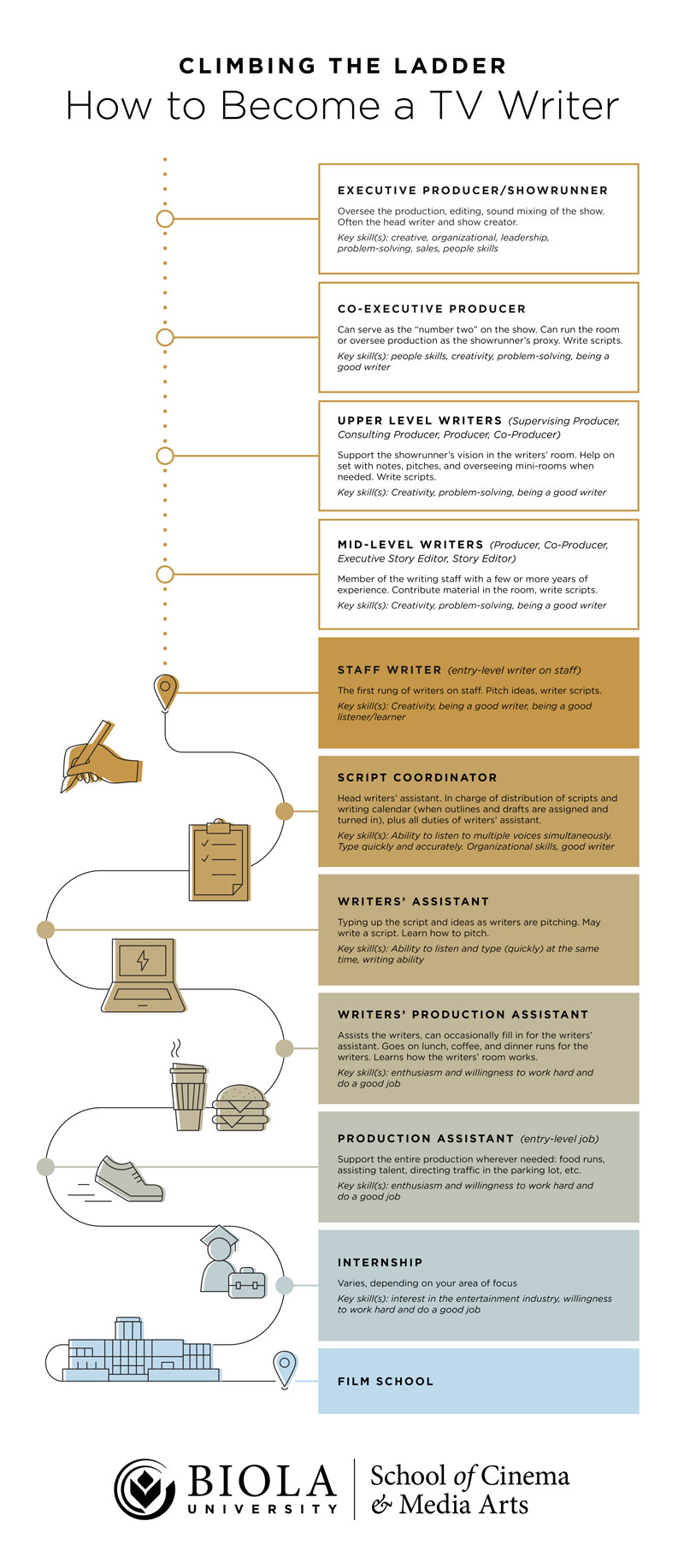
Image Source: assets.biola.edu
Fathoming the World of TV Writing
Writing for TV is different from writing a book or a movie. TV shows have many episodes, and they tell stories over a long time. Writers work together in a “writing room” or “writers’ room.” A group of writers make the show’s stories. They decide what happens in each episode.
What TV Writers Do
TV writers create the stories, characters, and dialogue for television shows. They often work as part of a writing staff. This group plans the whole season together. Then, writers are given episodes to write.
- Creating Stories: Writers think up plots and character journeys.
- Writing Scripts: They write the actual script, scene by scene, line by line.
- Revising Work: Scripts change many times based on feedback.
- Working Together: They spend a lot of time in the writers’ room.
The Writing Room Hierarchy
A TV writing staff has different levels. People start at the bottom and move up.
- Writer’s Assistant: Often the lowest level. They take notes in the room. They might do research. This job lets you learn how a room works. It is a common way to get a foot in the door.
- Staff Writer: The first official writing level. You get to write episodes.
- Story Editor: This writer helps shape the stories. They might guide newer writers.
- Executive Story Editor: A step up from Story Editor. More say in stories.
- Producer Levels (Co-Producer, Producer, Supervising Producer, Co-Executive Producer, Executive Producer): These levels mean more power. You have more input on the show’s direction. Executive Producers often run the show.
Moving up takes time and good work. It is a career path that grows as you gain experience.
Building a Strong Foundation
Before you can write for TV, you need to learn how to do it well. This is the first big step.
Mastering the Craft
Writing for TV is a specific skill. You need to learn the rules, even if you break them later.
- Format: TV scripts look a certain way. Learn the standard format. This includes scene headings, character names, dialogue, and action lines.
- Structure: TV shows have different structures based on their length (30 minutes, 60 minutes) and type (comedy, drama). Learn about acts, commercial breaks, and how stories build.
- Character: Characters must be real and interesting. Learn how to create characters people care about. They need clear goals and reasons for what they do.
- Dialogue: TV dialogue sounds like real talk, but it serves the story. It should show who the characters are.
- Pacing: The story needs to move well. Scenes should not be too long or too short.
Learning by Reading
The best way to learn TV writing is to read lots of TV scripts.
- Find Scripts: Many show scripts are online. Find shows you like. Find shows in the genre you want to write.
- Read Actively: Do not just read the words. See how they use format. Notice how they start and end scenes. Look at how they build tension. See how characters talk. How do they handle commercial breaks?
- Break It Down: Read an episode, then read the script. See how it looks on the page versus on the screen.
- Read Different Shows: Read scripts from current hits and older classics. Read different genres.
Taking Classes or Programs
Formal training can help. TV writing programs can teach you the craft and connect you with others.
- College Programs: Some universities have degrees in screenwriting for television. These offer deep learning and connections.
- Workshops and Classes: Many places offer shorter classes focused on TV writing. These can be good for learning specific skills or getting feedback.
- Online Courses: There are many online options now. Make sure they are taught by people who know the industry.
Formal training is not always needed, but it can give you a strong start. It also helps you meet other writers and teachers who can guide you.
Creating Your Essential Tools: Writing Samples
You cannot get a TV writing job without showing you can write. This means you need strong writing samples. These samples are key to getting noticed.
What Kind of Samples Do You Need?
The main samples are spec scripts and original pilots.
- Spec Script: This is a script for an existing TV show. You write an episode that could fit into a show that is on TV now.
- Why write one? It shows you can write in the style and voice of an existing show. It proves you can fit into a writing staff.
- Which show? Pick a popular show that writers are reading specs for. Choose a show that is still on the air or just ended. Pick a show whose style you like and understand well. Avoid shows that are too hard to copy (like very complex plot shows).
- What makes a good one? It feels like a real episode of the show. The characters sound right. The story is interesting and fits the show’s world.
- Original Pilot: This is the first episode of a TV show you created yourself. It introduces your world, characters, and the main story idea.
- Why write one? It shows your unique voice, your ideas, and your ability to create something new. This is becoming more important than spec scripts for getting staffed.
- What makes a good one? It hooks the reader. It sets up the show’s world and rules. The main characters are clear and interesting. It makes someone want to see the next episode. It hints at the show’s potential for many seasons.
How Many Samples Do You Need?
Have at least two or three strong, polished samples ready. Have a mix if possible (one spec, one original drama pilot, one original comedy pilot). Make sure they are in different genres if you like more than one.
Making Your Samples Great
Writing is rewriting. Your first draft is just the start.
- Get Feedback: Share your scripts with trusted writers, teachers, or script readers. Ask for honest notes.
- Revise, Revise, Revise: Use the feedback to make your script better. Do not be afraid to cut scenes or change big things.
- Proofread: Typos look bad. Read your script carefully. Ask others to read it for errors too.
- Make Them Current: Keep your samples fresh. Write new ones as needed. Specs for shows that ended years ago are not as helpful.
Your writing samples are your calling card. They must be your absolute best work.
Breaking into the Industry: Networking and Connections
The TV industry is built on relationships. Knowing people is very important for breaking into TV industry.
Meeting People
You need to meet writers, producers, agents, and managers.
- Classes and Workshops: These are great places to meet other new writers and sometimes industry pros teaching.
- Industry Events: Go to film festivals, writing conferences, panel talks, and award shows if you can.
- Online Communities: Connect with writers online through social media, forums, or writing groups.
- Informational Interviews: Ask writers or people working in TV if they will talk to you for a short time about their job. Be prepared, respectful, and do not ask for a job. Just ask for advice and insight.
Making Real Connections
Networking is not just collecting business cards. It is about building real relationships.
- Be Genuine: People like people who are real.
- Be Helpful: Offer help when you can. Share info you find.
- Follow Up: Send a short, polite email after meeting someone. Do not bother them constantly.
- Be Remembered For Your Writing: When you meet people, your samples should be good enough that they remember you.
Building a network takes time. Start early and keep working at it.
Getting Representation (Agents and Managers)
Once your samples are strong, you might need an agent or manager. They help you find work and deal with contracts.
- How to Get One: Often, you need to be referred by someone they know. This is where your network helps. Sometimes they find you through contests or fellowships.
- What They Do: Agents find you TV writing jobs. Managers give career advice and help develop your projects. You do not usually need both when starting out.
- Are They Needed? Most TV writing jobs are found through agents or managers. It is very hard to get staffed on a show without one.
Getting a good agent or manager is a big step. It means your writing is seen as ready for the professional world.
Getting Your Foot in the Door: Entry-Level Jobs
Few people get hired as a Staff Writer for their first job. Most start in entry-level roles. These jobs let you learn how a writing room works from the inside.
The Writer’s Assistant Role
This is a common first job for future writers.
- What They Do:
- Listen in the writers’ room and take very detailed notes.
- Organize notes and distribute them.
- Do research for stories.
- Make copies, order food, handle office tasks.
- Sometimes, they type up script drafts.
- Why It Helps:
- You are in the room. You hear how stories are broken. You learn how the showrunner works.
- You meet the writing staff. They see your work ethic.
- You learn the process of making a TV show.
- You might get asked to write small parts of scripts (like jokes or scene descriptions).
- It is a paid job in the industry.
- How to Get One:
- Network! People hire who they know or who someone they trust recommends.
- Look for job postings online, but many are filled through word of mouth.
- Have great organizational skills and be reliable.
- Have strong writing samples ready before you get the job. People will expect to read them.
Being a writer’s assistant is hard work and the pay is often low. But it is a valuable learning chance and a path to a writing job.
Other Entry-Level Jobs
Other jobs can also get you into the industry.
- Showrunner’s Assistant: Works directly for the person in charge of the show. Often similar to a writer’s assistant but closer to the boss.
- Production Assistant (PA): Works on the set or in the production office. Not a writing job, but you learn how a show is made. You meet people working on the show.
- Executive Assistant at a Studio or Production Company: Works for executives who buy and make shows. You see how the business side works.
Any job in the industry is a chance to learn and meet people who might help your writing career later.
Working in the Room: Life as a Staff Writer
Getting hired as a Staff Writer is a huge step. This is where you become a paid part of the writing staff.
The Writers’ Room Experience
Life in the writers’ room is unique.
- Collaboration: You spend hours with other writers. You pitch ideas, discuss plots, and shape characters together.
- Breaking Story: This is the process of figuring out what happens in an episode or season. Writers put ideas on whiteboards or note cards. They work out the plot point by point.
- Getting an Episode: As a Staff Writer, you will likely be given one or two episodes to write.
- Notes and Rewrites: Once you write a draft, the showrunner and other writers give you notes. You rewrite the script many times.
Being a Staff Writer means your ideas matter, but you also need to work well with others. The show’s vision is set by the showrunner, and you must write to that vision.
Earning Credits
As a Staff Writer, you work on the whole season’s stories. But you only get writing credit for the episodes you are assigned to write. Sometimes, story credit is shared if you came up with the main idea for an episode, even if someone else wrote the script. These credits build your resume.
Moving Up to Story Editor and Beyond
If you do well as a Staff Writer, you can move up.
- Story Editor: As mentioned, this is a step up. You have more say in the stories. You might help guide newer writers.
- Executive Story Editor and Producer Levels: Each step up means more pay, more power, and more responsibility for the show’s creative direction.
This path requires showing strong writing skills, good story sense, and the ability to work well in the room over several seasons or shows.
Developing and Pitching Your Own Shows
While working on others’ shows is a career, many writers dream of making their own show. This involves pitching a TV show.
What is Pitching?
Pitching is telling a brief, exciting summary of your show idea to someone who can buy it (like a studio, network, or streaming service).
- The Goal: To make them excited enough to want to read your pilot script or buy the idea.
- What You Need: A great idea, a strong pilot script, a series bible (a document explaining the world, characters, and future seasons), and the ability to talk about your show with passion and clarity.
Creating Your Own Show Idea
This is your chance to tell the story you want to tell.
- Find Your Idea: What characters and world grab you? What themes do you care about? What is the core conflict or question of your show?
- Write the Pilot: This is the most important part. It must be excellent.
- Build the World: Think about what happens after the pilot. What are the stories for future episodes or seasons? This goes into your series bible.
The Pitch Meeting
Pitch meetings are usually short (maybe 15-30 minutes).
- Be Prepared: Know your show inside and out. Practice your pitch.
- Be Enthusiastic: Show your passion for the project.
- Be Clear: Explain the idea simply and directly. What is the show? Who is it about? What happens? Why should they make it?
- Be Ready for Questions: They will ask about characters, plot, budget, and why you are the right person to tell this story.
Pitching is a skill that takes practice. Not every pitch sells. Many ideas get rejected. It takes persistence.
The Long Game: Sustaining a Television Writing Career
Getting your first job is hard. Staying employed is also a challenge. The television writing career often involves working on many different shows over time.
The Nature of TV Writing Jobs
Most TV writing jobs are not year-round.
- Staffing: Writers get “staffed” on a show for a season (or part of one).
- Hiatus: Between seasons, writers are often out of work. This is called being “in hiatus.”
- Moving Shows: Writers frequently move from one show to another when a season ends, a show is canceled, or they want to try something new.
This means you need to be good at finding the next job and managing your money between jobs.
Keep Writing
Even when you are working on a show, keep working on your own projects.
- Develop New Ideas: Have ideas ready for when you need a new writing sample or want to pitch something new.
- Write New Samples: Your skills grow with each job. Write new specs or pilots that show your current abilities.
- Stay Fresh: The industry changes. Keep reading new scripts and watching new shows.
Stay Connected
Your network is still important after you get your first job. Stay in touch with people you worked with. Go to industry events. You never know where your next job will come from.
Handling Rejection and Difficulty
You will face a lot of rejection in a television writing career. Shows get canceled. Pitches do not sell. Jobs are hard to get.
- Develop Thick Skin: Do not take it personally. It is part of the business.
- Keep Learning: Every experience, even failure, teaches you something.
- Be Persistent: Success often comes to those who keep trying.
A television writing career is demanding but can be very rewarding if you love storytelling and working with others.
Summary Table: Key Steps to Become a TV Writer
Here is a quick look at the main steps:
| Step Number | Action | What You Do | Goal |
|---|---|---|---|
| 1 | Learn the Craft | Read scripts, take classes, understand structure, character, dialogue. | Know how to write for TV. |
| 2 | Create Samples | Write amazing spec scripts and original pilots. | Show your writing skill and voice. |
| 3 | Build Your Network | Meet people in the industry through classes, events, and online. | Get connections and maybe an agent/manager. |
| 4 | Get Entry Job | Work as a writer’s assistant or other assistant role. | Learn the room, meet the staff, get paid experience. |
| 5 | Get Staffed | Get hired as a Staff Writer on a show. | Become a paid TV writer. |
| 6 | Work Your Way Up | Do well on staff, move to Story Editor and higher roles. | Gain more responsibility and pay. |
| 7 | Develop Your Own Shows | Create your own pilot ideas and series bibles. | Have projects to pitch. |
| 8 | Pitch Your Show | Tell your show idea to people who can buy it. | Sell a show you created. |
| 9 | Keep Working & Learning | Stay connected, keep writing, handle setbacks, move to new shows. | Sustain your television writing career. |
Frequently Asked Questions (FAQ)
How long does it take to become a TV writer?
There is no set time. It can take many years of learning, writing, and working assistant jobs before you get a Staff Writer job. Some people do it faster, some take longer.
Do I need a degree in writing?
No, you do not need a specific degree. Many successful writers have degrees in other things. What matters most are your writing samples and your ability to work in a room. However, TV writing programs can be helpful for learning the craft and meeting people.
What are TV writing fellowships or programs?
These are special programs run by studios or networks. They are very hard to get into. They offer training and a chance to meet industry people. Often, people accepted into these programs get their first TV writing jobs soon after.
How important are writing samples?
They are very important. Your samples are how people judge your writing ability. They are the main tool for getting an agent, getting into fellowships, and getting job interviews.
What is a story editor versus a staff writer?
A Staff Writer is an entry-level writer on staff. A Story Editor is a more senior writer. They often help break stories for the season and guide less experienced writers. They usually have more credits and experience than a Staff Writer.
How do writers pitch TV show ideas?
Writers create a show idea, write a pilot script, and often make a document called a series bible. Then, usually through an agent or manager, they get meetings with studios or networks to tell them about the show idea and try to sell it.
What kind of TV writing jobs are there besides staff writers?
Besides staff writers, there are writer’s assistants, story editors, various producer levels (who are also writers), and sometimes freelance writers hired for just one episode.
What should be in my writing samples?
Your samples should include a spec script for an existing show and/or an original pilot for a show you created. They should be polished, correctly formatted, and show your best writing.
Becoming a writer on a TV show is a challenging but possible dream. It takes skill, hard work, good samples, strong connections, and a lot of drive. Follow these steps, keep writing, and do not give up on your goal of a television writing career.