
How much propane does an RV fridge use? The exact amount of propane an RV absorption fridge uses varies quite a bit, but you can generally expect it to use between 0.4 and 1.5 pounds of propane per day. This is roughly equivalent to about 0.1 to 0.35 gallons of propane daily. This range depends on many things, like how hot it is outside, how cold you set the fridge, how often you open the door, and the size and efficiency of your specific refrigerator unit. Let’s break down how these fridges work and what impacts their propane consumption.
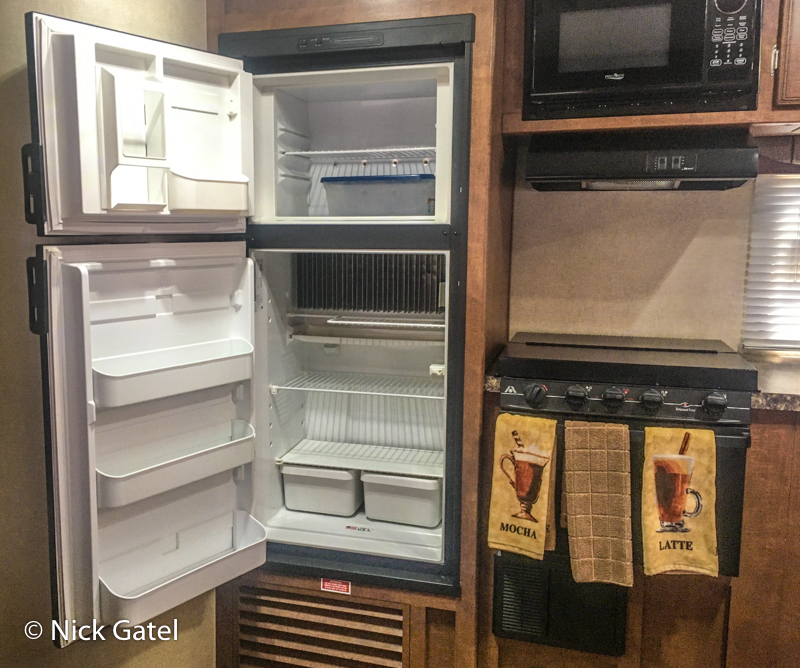
Image Source: popupbackpacker.com
Deciphering How RV Absorption Fridges Work
Most refrigerators in RVs are not like the ones in your house. Home fridges use a compressor. RV fridges often use an absorption system. This system is clever because it can run on either electricity (AC or DC) or propane gas.
When running on propane, the system uses a small burner. This burner creates heat. The heat starts a chemical process using ammonia, water, and hydrogen. This process makes heat move away from the inside of the fridge. As heat is removed, the inside gets cold.
The amount of heat the burner needs to make cold is often measured in BTUs (British Thermal Units). A fridge’s cooling power is related to its absorption refrigerator BTU rating. A bigger fridge usually needs more BTUs and thus more heat, using more propane.
Propane Usage for RV Fridges: Typical Amounts
Let’s talk numbers. How much propane usage RV refrigerator owners see can vary.
- In pounds per day: As mentioned, roughly 0.4 to 1.5 pounds per day.
- In gallons per day: Roughly 0.1 to 0.35 gallons per day.
To put this in perspective:
- A standard 20-pound propane tank (like for a BBQ grill) holds about 4.7 gallons of propane.
- A larger built-in RV tank might hold 30 pounds (7 gallons) or even 60 pounds (14.2 gallons) or more.
Using the average range of 0.1 to 0.35 gallons per day, you can estimate how long a tank might last just for the fridge.
- A 20-pound tank (4.7 gallons) might last roughly 13 to 47 days.
- A 30-pound tank (7 gallons) might last roughly 20 to 70 days.
Keep in mind, this is only if the fridge is the only thing using propane. Most RVs also use propane for heating, the water heater, and maybe the stove or oven. This means your overall RV refrigerator propane consumption is just one part of your total propane use.
Examining Factors Affecting RV Fridge Propane Use
Many things change how much propane your RV fridge uses. These factors explain the wide range in propane usage RV refrigerator systems show.
h4. Outside Temperature
This is a major factor. The hotter it is outside, the harder your fridge has to work. It needs to remove more heat from inside to keep things cold. This means the propane burner runs more often or at a higher setting. Propane usage goes up on hot summer days compared to cooler weather.
h4. Thermostat Setting
How cold do you want your food? Setting the thermostat to the coldest setting makes the fridge work harder. It will cycle on more often or run longer each time. A medium setting will use less propane. Try to find the warmest setting that keeps food safe (below 40°F or 4°C).
h4. How Full the Fridge Is
A full fridge stays cold longer. The cold items inside help keep each other cold. This means the fridge doesn’t need to cycle on as much. A fridge with just a few items loses its cold air quickly when you open the door. Filling empty space with jugs of water can help.
h4. How Often the Door Is Opened
Every time you open the fridge door, warm air gets in. The fridge then has to work to cool that air down again. Opening the door less often saves propane. Plan what you need before you open the door. Get everything out at once if you can.
h4. Efficiency of the Unit
Older RV refrigerators or units that are not well-maintained might use more propane. Newer models are often designed to be more efficient. The size also matters; a bigger fridge needs more power to cool down.
h4. Proper Ventilation
RV absorption fridges need airflow behind them. Hot air from the burner needs to escape. If vents are blocked or dirty, heat gets trapped. This makes the fridge work harder and use more propane. Make sure vents are clear outside and inside the RV.
h4. Levelness of the RV
Absorption fridges need to be reasonably level to work correctly. The liquid chemicals need to flow properly through the system. If the RV is too sloped, the flow can be blocked. This makes the fridge perform poorly or not cool at all. While it might not directly increase propane consumption while running poorly, it means you might run it longer to try and get it cold or waste propane trying to cool an unlevel system. Always level your RV when parked for more than a short stop.
h4. Altitude
At higher altitudes, things burn differently. Propane burners might not be as efficient. Some RV fridges have high-altitude kits available. If you camp often in the mountains, this could slightly increase propane usage RV refrigerator owners see.
h4. Condition and Maintenance
A dirty burner or a system with blockages will not run efficiently. The burner might use more gas trying to create enough heat. Regular cleaning and checks of the propane system and burner can ensure good RV fridge propane efficiency.
Estimating Your RV Fridge Gas Consumption
You can get a better idea of your personal RV fridge gas consumption by paying attention to how long your propane tanks last during trips when the fridge is the main propane user.
- Start with a full tank.
- Note the date.
- Use the RV normally, trying to isolate fridge usage as much as possible (e.g., avoid using the furnace constantly).
- Note the date when the tank runs empty (or is close to empty).
- Calculate the number of days the tank lasted.
- Divide the tank’s capacity (in pounds or gallons) by the number of days it lasted.
This gives you a rough estimate of your total daily propane use. If you know your water heater and stove usage is minimal during that time, the majority is likely RV refrigerator propane consumption.
Here’s a simple table showing potential daily use and how long a 20 lb tank might last:
| Fridge Propane Usage (lbs/day) | Fridge Propane Usage (gallons/day) | Days a 20 lb Tank (4.7 gal) Might Last |
|---|---|---|
| 0.4 | 0.09 | ~52 days |
| 0.6 | 0.14 | ~34 days |
| 0.8 | 0.18 | ~26 days |
| 1.0 | 0.23 | ~20 days |
| 1.2 | 0.27 | ~17 days |
| 1.5 | 0.35 | ~13 days |
This table shows the range. Your actual experience will fall somewhere within or near this depending on the factors we discussed.
Improving RV Fridge Propane Efficiency
Want to make your propane last longer? Here are tips to boost your RV fridge propane efficiency:
- Pre-cool the fridge: Turn it on a day before your trip using electricity (AC power if available). This gets it cold before you switch to propane.
- Load cold food: Put food that is already cold into the fridge. Don’t put in warm leftovers.
- Limit door openings: Think before you open the door. Get everything out at once.
- Seal the door: Check the door gasket. Make sure it seals tightly all around. A dollar bill should be hard to pull out when the door is closed on it. Replace worn seals.
- Fill empty space: Use water jugs or crumpled newspaper to fill empty room. This helps hold the cold.
- Set the thermostat wisely: Find the highest setting that keeps food safe. Don’t set it colder than you need.
- Ensure good ventilation: Check outside vents for bugs or dirt. Clean them. Make sure nothing inside is blocking airflow to the cooling fins.
- Keep it level: Always level the RV when stopped.
- Defrost regularly: Frost buildup on the fins reduces cooling power and wastes energy (propane).
By following these tips, you can significantly reduce the propane consumption of your RV absorption refrigerator.
RV Fridge Propane Refill Frequency
How often you need to refill propane depends on:
- Your total propane usage (fridge + furnace + water heater + stove, etc.).
- The size of your propane tank(s).
- How often you camp and for how long.
If your fridge is the only thing using propane, and you have a 20 lb tank, it could last anywhere from two weeks to well over a month.
If you are using the furnace a lot (like in cold weather), your propane will run out much faster. Furnaces use a lot more propane than fridges. Running the water heater on gas also uses a fair amount.
To avoid running out unexpectedly, especially if you rely on propane for the fridge to keep food safe:
- Check your propane level regularly. Built-in tanks often have a gauge. Portable tanks might need an external gauge or be weighed.
- Refill when the tank is around 20-25% full, not empty. It’s easier to find propane than to deal with a spoiled fridge full of food.
- Consider carrying a spare portable tank if your RV uses them.
Knowing your personal propane usage RV refrigerator habits and total consumption is key to planning refills. Pay attention on your trips. Did your 30 lb tank last 10 days or 20 days with typical usage? This helps you predict future needs and propane usage RV refrigerator factors.
Comparing Propane vs. Electric Modes
Most RV absorption fridges can run on AC electricity (when plugged into shore power or a generator) or propane. Some also have a DC mode, mainly for while driving, though this is often less efficient for cooling from warm.
- AC Electric: When plugged in, using AC power is often the easiest and cheapest option. It uses park electricity instead of your onboard propane. This is the best time to run the fridge and save propane.
- Propane: Propane is needed when you don’t have access to AC power (boondocking, driving, rest stops). It provides cooling without draining your batteries heavily (like DC might). This is where understanding your RV refrigerator propane consumption is important.
- DC Electric: The DC mode is usually less powerful and can quickly drain your house batteries. It’s generally only meant to maintain temperature while driving if the fridge is already cold. It’s not efficient for cooling down a warm fridge or for long-term use without the engine or solar charging.
Using propane when necessary and switching to AC power whenever available is the most common and practical approach for managing your RV fridge’s energy needs and extending your propane refill frequency.
RV Absorption Refrigerator BTU Ratings Explained
We mentioned the absorption refrigerator BTU rating earlier. BTU stands for British Thermal Unit. It’s a way to measure heat energy. For a fridge, the BTU rating relates to the amount of heat the burner produces to make cold.
- A small fridge might have a lower BTU burner.
- A large fridge will have a higher BTU burner to cool a bigger space.
A higher BTU burner can use propane faster when it is running. However, a well-matched, higher BTU burner in a large fridge might cool more effectively and cycle off sooner than an undersized one working constantly. The key is efficiency – how well the system converts the heat energy into cooling effect. The overall RV fridge propane consumption depends on the BTU rating and how often and how long that burner runs, which is affected by all the factors we discussed.
Maintaining Your RV Fridge for Better Propane Use
Good maintenance helps keep your RV fridge running well and using propane efficiently.
- Clean the burner: The propane burner and flue can get dusty or attract spiderwebs. A dirty burner doesn’t burn cleanly and produces less heat from the same amount of gas, or tries to compensate by using more gas. This is a common issue affecting absorption fridge propane usage. You can often clean the burner and flue with a small brush or compressed air. Be careful and follow your fridge’s manual.
- Check propane pressure: The correct propane pressure is vital for the burner to work right. This is part of your RV’s overall propane system. If other propane appliances aren’t working well, or the fridge burner looks weak (not a strong blue flame), it could be a pressure issue. This often requires a qualified RV technician.
- Inspect venting: Regularly check the outside refrigerator vents. Make sure they are clear of leaves, dirt, and insect nests (especially mud daubers!). Blocked vents trap heat.
- Check seals: As mentioned, ensure the door seals are clean and unbroken.
Regular checks and cleaning can prevent problems that waste propane and ensure reliable cooling. This is important for optimizing RV fridge gas consumption.
Planning for Propane on Your RV Trips
Planning ahead helps avoid propane problems, especially concerning your RV refrigerator propane consumption.
- Check levels before leaving: Always know how much propane you have before a trip starts.
- Consider trip length and type: A weekend trip in moderate weather uses much less propane than a two-week boondocking trip in summer or cold fall weather where you need the furnace.
- Locate refill stations: Know where you can get propane fills along your route or at your destination. Not all places fill RVs.
- Have a backup plan: If propane runs low and you can’t refill, can you move to a campground with electric hookups? Can you run a generator?
Being mindful of your propane use and having a plan makes RV travel smoother and prevents unexpected issues with keeping your food cold.
Wrapping Up: Knowing Your Propane Needs
So, how much propane does an RV fridge use? It’s not a single number. It’s a range, typically 0.4 to 1.5 pounds per day, or 0.1 to 0.35 gallons per day for absorption fridge propane usage.
Your actual RV fridge gas consumption depends heavily on:
* The weather outside.
* How you set the temperature.
* How you use the fridge (door openings).
* How well you maintain it.
* How level your RV is.
Paying attention to these factors and following efficiency tips can help reduce your RV refrigerator propane consumption. Knowing your typical usage pattern helps you plan your trips and manage your propane refill frequency, ensuring your food stays cold wherever your adventures take you. Interpreting your fridge’s behavior and usage over time is key to mastering your propane needs.
Frequently Asked Questions (FAQ)
h3. Is it safe to leave my RV fridge on propane while driving?
Yes, most RV absorption fridges are designed to be safe to run on propane while driving. The flame is enclosed, and safety features are in place. However, some places (like tunnels or gas stations) might require you to turn it off. Check local rules and safety guidelines. Make sure the fridge is set to automatic mode (if it has one) or propane mode before driving off if you want it to run.
h3. How long will a 20 lb propane tank run an RV fridge?
If only running the fridge, a 20 lb tank (4.7 gallons) could last anywhere from about 13 days (high usage in hot weather) to over 50 days (low usage in cool weather). This is just for the fridge. Add furnace, water heater, and stove use, and it will last much less time.
h3. Does electric mode use less energy than propane mode for an RV fridge?
When plugged into AC shore power, running the fridge on electric uses park electricity instead of your onboard propane supply. So, while it uses electricity, it saves your propane. When not plugged in, trying to run the fridge on DC electric from your batteries will drain them very quickly. Propane is much more efficient for cooling than battery power alone when off-grid.
h3. Why is my RV fridge using so much propane?
High propane usage can be caused by several factors:
* Very hot outside temperatures.
* Thermostat set too low.
* Frequent door openings.
* Poor ventilation around the fridge unit.
* The RV not being level.
* A dirty or malfunctioning burner.
* An older, less efficient fridge model.
Check these things to improve your RV fridge propane efficiency.
h3. How can I tell how much propane is left in my tank?
Built-in RV propane tanks usually have a gauge on the tank itself or an indicator inside the RV. Portable tanks (like 20 lb) often don’t have gauges. You can buy external gauges that attach to the valve, or the most accurate way for portable tanks is to weigh them and compare to the “tare weight” (TW) stamped on the tank.
h3. Can I improve my absorption refrigerator BTU efficiency?
The BTU rating is fixed by the design. You can’t change the rating. However, you can improve the system’s overall efficiency by making sure the heat created by the burner (related to the BTU rating) is used effectively to cool the fridge. This means keeping it level, ensuring good ventilation, clean burner, and good door seals so the cooling process works as intended. This helps optimize the propane consumption of your RV absorption refrigerator.