
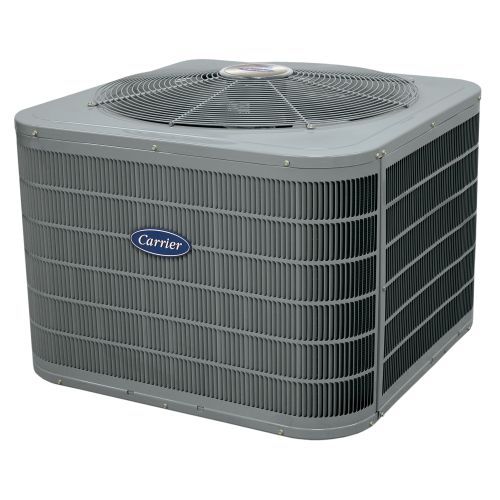
Image Source: www.siglers.com
Guide: How Much Is A 4 Ton Air Conditioner (Your Cost)
How much does a 4 ton air conditioner cost? A 4 ton central AC unit plus getting it put in your home can cost from about $4,000 to $10,000 or even more. This includes the 4 ton AC unit price itself and the 4 ton AC installation cost. The final price you pay will depend on many different things. We will look at these things so you know what to expect for your home’s cooling needs. Knowing the average cost 4 ton AC units require helps you plan your budget.
What Tonnage Means for Your Home’s Cooling
What does “tonnage” mean for an air conditioner? It is not the weight of the unit. It is a way to measure how much cooling power the AC has. One “ton” equals 12,000 BTUs per hour. BTU stands for British Thermal Unit. It is a measure of heat energy. So, a 4 ton AC unit can remove 48,000 BTUs of heat from your home in one hour (4 tons * 12,000 BTUs/ton).
How big of a house needs a 4 ton AC? A 4 ton unit is often good for homes that are between 1,600 and 2,400 square feet. But this is just a guess. The right size for your home depends on many things. These include how tall your ceilings are, how many windows you have, how much sun hits your home, how well your home is insulated, and where you live. Getting the wrong size AC unit can cost you money and not cool your home well. A unit that is too big will turn on and off too much. This wastes energy and does not take out humidity well. A unit that is too small will run all the time and might not cool your home enough on hot days.
Breaking Down the Cost of a 4 Ton AC
The total money you spend on a new 4 ton air conditioner is split into two main parts. These are the price of the AC unit itself and the cost to put it in.
Learning About the 4 Ton AC Unit Price
The price of just the 4 ton AC unit price can change a lot. It usually runs from about $1,200 to $4,000 or more. This part of the cost is for the machine you buy.
Here are things that make the unit price go up or down:
- The Brand: Some brands cost more than others. Well-known brands like Trane, Carrier, and Lennox often cost more. Other brands like Goodman, Rheem, or Payne can cost less.
- SEER Rating: This is very important. SEER stands for Seasonal Energy Efficiency Ratio. A higher SEER number means the unit uses less energy to cool your home. Units with high SEER ratings cost more to buy. But they save you money on your electric bills over time. We will talk more about the SEER rating cost difference later.
- Features: Some AC units have extra features. These might include variable-speed blowers, two-stage cooling, or smart home hook-ups. These features make the unit work better and save energy. But they also add to the price.
- Type of System: Most homes use a split system AC price. This system has one part outside (the condenser) and one part inside (the air handler or furnace coil). Some homes use a packaged unit. This unit has everything in one box, usually outside or on the roof. Split systems are most common for central air.
Let’s look at some brand examples:
- Goodman 4 Ton AC Price: Goodman units are often seen as budget-friendly or mid-range. A basic Goodman 4 ton unit might cost between $1,200 and $2,000. Their higher-efficiency models will cost more.
- Trane 4 Ton AC Cost: Trane is known for making very good, strong units. They are often in the premium price range. A 4 ton Trane unit can cost from $2,500 up to $4,000 or more, depending on its SEER rating and features.
Here is a simple look at unit price ranges:
Typical 4 Ton AC Unit Price Ranges
| Unit Type | SEER Rating | Common Price Range |
|---|---|---|
| Budget Brand | 13-16 SEER | $1,200 – $2,000 |
| Mid-Range Brand | 14-17 SEER | $1,800 – $3,000 |
| Premium Brand | 16-20+ SEER | $2,500 – $4,000+ |
Remember, these are just rough numbers for the unit itself. The installation cost is extra.
The 4 Ton AC Installation Cost Explained
Putting in a new 4 ton AC unit is a big job. It needs skilled workers. The cost for installation is often more than the unit price. The 4 ton AC installation cost can range from about $2,800 to $6,000 or even more. This price covers the work needed to set up the unit and make it run right.
Here are the main things that affect the installation cost:
- How Hard the Job Is: Is it a simple swap of an old AC? Or does the crew need to run new wires, pipes (refrigerant lines), or change ductwork? A harder job costs more.
- Where You Live: Costs for labor change by city and state. Areas with a higher cost of living will have higher installation prices.
- Your Home’s Setup: Is the AC easy to get to? Is the outside unit easy to place? Is the inside unit in a crawl space, attic, or basement? Tight or hard-to-reach spots take more time and effort. This costs more.
- Changes Needed: Do the workers need to change your duct system? Does your home need new electrical lines or a new breaker box for the AC? These extra jobs add a lot to the cost.
- Old Unit Removal: Getting rid of your old AC unit is part of the job. Some companies include this cost. Others might charge extra.
- Permits and Rules: Most places need a permit to put in a new AC. This makes sure the work is done safely and correctly. Permits cost money. Inspections may also be needed.
- Time of Year: HVAC companies are busiest in summer when it’s hot. You might pay more for installation during peak season. You might find a better deal in spring or fall.
Installation vs. Replacement Cost
Is it cheaper to replace an old AC or put in a new one where there wasn’t one before? Replacing an old AC unit usually costs less for the installation part. This is because your home likely already has the ductwork, electrical lines, and refrigerant pipes in place. The workers mainly connect the new unit to the existing parts. This is often called an air conditioner replacement cost.
Putting in a brand new system where there was no central air before costs more. The workers need to build or put in all the parts needed. This includes:
- Running new refrigerant lines.
- Putting in new electrical wiring.
- Maybe putting in a whole new duct system or changing the old one a lot.
- Setting up the indoor unit (air handler or coil).
- Setting up the outdoor unit (condenser).
So, while the cost to replace a 4 ton AC might be on the lower end of the installation range ($2,800 – $4,500), putting in a new 4 ton system in a home with no ducts could push the total cost much higher, maybe $7,000 or more just for installation, on top of the unit price.
Figuring Out the Total Average Cost 4 Ton AC
Now let’s put the unit price and installation cost together. The average cost 4 ton AC unit with installation usually falls between $4,000 and $10,000. But remember, this can go higher or lower based on all the things we talked about.
Here is a look at the total cost range:
Total Cost for 4 Ton AC Unit and Installation
| Quality Level | Unit Cost Range | Installation Cost Range | Total Cost Range |
|---|---|---|---|
| Budget (Basic) | $1,200 – $2,000 | $2,800 – $4,500 | $4,000 – $6,500 |
| Mid-Range | $1,800 – $3,000 | $3,500 – $5,000 | $5,300 – $8,000 |
| Premium (High Efficiency) | $2,500 – $4,000+ | $4,000 – $6,000+ | $6,500 – $10,000+ |
Keep in mind, costs can go above $10,000 for very complex jobs, homes needing major changes, or for the most high-end, high-SEER units.
This total cost is a big part of the overall HVAC system cost for your home’s heating and cooling. If you are also replacing your furnace at the same time, the total project cost will be higher. Some people replace both at once to save on labor costs.
Things That Change the Price Even More
Let’s look closer at the things that make the cost go up or down for your new 4 ton AC.
The Role of Brand and Quality
The brand you choose matters a lot for the central air conditioner price.
- Higher-End Brands: Trane, Carrier, Lennox, Rheem (some lines). These brands often use high-quality parts. They are known for lasting a long time and working well. They usually offer units with very high SEER ratings. You pay more for the name and the expected quality and lifespan.
- Mid-Range Brands: Rheem (other lines), Ruud, York, ICP brands (Goodman, Payne, Heil). These brands offer a good balance of cost and performance. They have units with different SEER ratings. They are a popular choice for many homeowners.
- Budget Brands: Goodman, Payne, Allied Air. These brands are often the least expensive. They offer basic, reliable cooling. Their high-end units can still be quite good, but their base models are very cost-effective.
The Goodman 4 ton AC price is generally lower than the Trane 4 ton AC cost for units with similar basic features. But comparing units needs more than just brand. You need to look at SEER rating, warranty, and specific features.
The SEER Rating Cost Difference
The SEER rating is a key factor in both the unit price and your long-term energy bills.
- How SEER Works: Imagine SEER is like miles per gallon for a car. A higher SEER means the unit uses less electricity to cool your home.
- Minimum SEER: The government sets a minimum SEER rating for new ACs. This minimum changes based on where you live in the US. As of 2023, the minimum is 14 SEER in the North and 15 SEER in the South/Southwest.
- Higher SEER, Higher Price: A unit with a SEER of 16, 18, or 20+ will cost more upfront than a 14 or 15 SEER unit.
- The Payback: You save money on your monthly electric bills with a higher SEER unit. The energy savings over the life of the unit can add up. For example, going from an old 8 SEER unit to a new 16 SEER unit can cut your cooling energy use by half! The SEER rating cost difference upfront might be a few hundred to a couple of thousand dollars. But the savings over 10-15 years can be much larger than this difference. This is why thinking about the long-term is important.
Example of SEER Price vs. Savings (Rough Idea)
| 4 Ton Unit | Unit Price (Estimate) | Yearly Energy Cost (Estimate) |
|---|---|---|
| 14 SEER | $1,800 | $500 |
| 16 SEER | $2,200 | $420 |
| 18 SEER | $2,800 | $350 |
| 20 SEER | $3,500 | $300 |
Note: Yearly energy costs are just examples. They change based on your local electric rates and how much you use the AC.
In this example, an 18 SEER unit costs $1,000 more than a 14 SEER unit ($2,800 – $1,800). But it saves you about $150 per year ($500 – $350). It would take about 6-7 years to get the extra money back through energy savings ($1,000 / $150 per year). After that, it saves you $150 every year. This shows the SEER rating cost difference is an investment.
Type of AC System
We mostly talk about split system AC price for a 4 ton unit. This is the most common type. But other types exist.
- Split System: Has an outdoor unit (condenser) and an indoor unit (coil and air handler/furnace). The split system AC price for a 4 ton unit refers to the cost of these two main parts. This is common for central air.
- Packaged Unit: Everything is in one large box outside or on the roof. These are sometimes used in places where there is no space inside for an air handler or furnace. A 4 ton packaged unit might have a different price range than a split system. Installation can also be different.
- Heat Pump: A heat pump is like a central AC, but it can also provide heat in the winter. The outdoor unit works backwards to bring heat into the home. A 4 ton heat pump unit might cost a bit more than a 4 ton AC-only unit.
How Complex the Installation Is
This is often the biggest reason costs change from one home to another.
- Easy Swap: If you are replacing an old 4 ton AC with a new 4 ton AC, and the pipes, wires, and ductwork are in good shape and in the right place, the job is simpler. This keeps the air conditioner replacement cost lower.
- Harder Jobs:
- Moving Units: Need to move the outdoor unit to a new spot? Need to put the indoor unit in a different part of the house? This takes more work (cutting walls, running new pipes) and costs more.
- Ductwork Issues: Old ducts might be too small, leaky, or in bad shape. The contractor might need to seal leaks, add new ducts, or replace the whole duct system. This adds a lot to the cost.
- Electrical Upgrades: A new, higher SEER unit might need different wiring or a bigger breaker in your electrical panel. An electrician will need to do this work.
- Access: Is it hard to get the old unit out and the new unit in? Think narrow hallways, steep stairs, or tight attic spaces. This makes the job take longer and can increase the cost.
- Platform/Pad: The outdoor unit sits on a pad. If the old one is bad or you need a new spot, they might need to pour a new concrete pad.
- Refrigerant Lines: The copper pipes connecting the inside and outside units need to be the right size and in good shape. If they are old or the wrong size, they may need to be replaced. This involves special tools and skills.
Geographic Location Matters
Costs for labor, permits, and even the units themselves can be higher in some parts of the country or in bigger cities compared to smaller towns. Weather patterns also play a role; in very hot areas, contractors are in high demand during summer.
Permits and Inspections
Do not skip getting a permit. It protects you. It makes sure the work meets local safety rules. The contractor should get the permit. The cost is added to your bill. It is usually a few hundred dollars. After the work is done, an inspector from the city or county might check it.
Warranties and Guarantees
New AC units come with warranties. These protect you if parts break.
- Parts Warranty: Usually 5 to 10 years. Some brands offer 10 or 12 years if you register the unit online. Premium brands might offer longer warranties.
- Compressor Warranty: The compressor is the heart of the AC. It often has a longer warranty, maybe 10 years or even lifetime on some high-end models.
- Labor Warranty: The company that puts in the unit usually offers a warranty on their work, often for 1 to 2 years. You can sometimes buy longer labor warranties.
The cost of the unit can include these warranties. Getting a longer warranty might cost a bit more initially or require online registration.
Financing Options
Many HVAC companies offer ways to pay over time. This can make paying for a new 4 ton AC easier. The cost includes interest if you do not get a special zero-interest deal. Ask your contractor about payment plans.
Getting Quotes for Your 4 Ton AC
The best way to know the cost for your home is to get price quotes from several HVAC companies. Get at least three quotes.
What to Look for in a Quote
- Detailed Breakdown: The quote should clearly show the price of the 4 ton AC unit price separate from the 4 ton AC installation cost. It should list everything included: the specific unit model (brand, size, SEER), all parts, labor, permits, and removal of the old unit.
- Manual J Calculation: A good contractor will measure your home and do a “Manual J” calculation. This finds the right size AC for your home. Do not let a contractor just guess the size based on square footage.
- Manual D Check: They should also check your ductwork size and condition (Manual D). This makes sure the ducts can handle the new AC unit.
- Warranty Details: The quote should list the warranty length for parts and labor.
- References: Ask for names of past customers you can call.
- Licenses and Insurance: Make sure the company is licensed and has insurance. This protects you if something goes wrong.
- Contract: Get everything in writing before work starts. Read the contract carefully.
Do not just pick the cheapest quote. Think about the company’s reputation, how detailed their quote is, and if they did a proper check of your home.
Ways to Save Money on Your New 4 Ton AC
A new AC is a big cost, but there are ways to lower it.
- Rebates and Tax Credits: Check for offers from the government, your state, or your local electric company. They often give money back for buying high-efficiency (high SEER) AC units. These can save you hundreds or even thousands of dollars. Ask your contractor about these.
- Shop Off-Season: Try to get your AC replaced in the spring or fall. HVAC companies are not as busy then. They might offer better prices or deals. Waiting until your AC breaks in the middle of summer means you will pay peak prices.
- Compare Brands: Get quotes for different brands (like comparing Goodman 4 ton AC price vs. Trane 4 ton AC cost) with similar SEER ratings. You might find a brand that offers good value for less money.
- Fix Ductwork Issues Separately: If your ducts need major work, get quotes for just the ductwork from different companies. Sometimes a duct specialist is better or cheaper than the AC company doing the duct work.
- Get Multiple Quotes: This is the best way to see if prices are fair and avoid overpaying.
The Long-Term Value of a New 4 Ton AC
While the initial central air conditioner price and installation cost are high, think about the long-term benefits.
- Lower Energy Bills: A new, more efficient AC unit, especially one with a high SEER rating, will use less electricity. This saves you money on your energy bills every month for years. The SEER rating cost difference pays off over time.
- Better Comfort: New AC units cool your home more evenly and take out humidity better. This makes your home feel much more comfortable on hot days.
- Fewer Breakdowns: An old AC is more likely to break down, needing expensive repairs. A new unit is reliable, especially when put in correctly.
- Home Value: A new HVAC system is a plus if you sell your home. It shows buyers the home has important updates. The overall HVAC system cost is an investment in your home’s comfort and value.
- Environmental Impact: More energy-efficient ACs use less power, which helps the environment.
Replacing your old, maybe 8-10 SEER, AC unit with a new 16+ SEER unit will feel different. Your home will be cooler, your bills will be lower, and you won’t worry as much about the AC breaking down on the hottest day of the year. The air conditioner replacement cost gives you peace of mind and savings over many years.
Frequently Asked Questions About 4 Ton AC Costs
Here are answers to some common questions.
FAQs
Is a 4 ton AC unit good for a 2500 sq ft house?
Maybe, but maybe not. A 4 ton unit is often right for homes between 1600 and 2400 square feet. For a 2500 sq ft house, it might be slightly too small, or just right if your home is very well insulated and doesn’t get a lot of sun. Always have a professional do a sizing test (Manual J) to be sure. An AC unit that is too small will not cool your home enough.
Why is installation so expensive?
Putting in a central AC is complex work. It needs trained people (HVAC technicians and sometimes electricians). They work with high-voltage electricity and special refrigerant chemicals. They need tools and knowledge to handle refrigerant safely, make strong pipe connections, set up electrical wiring, and ensure the unit is sized and working right with your ductwork. The cost covers their skill, time, tools, insurance, and business costs.
Can I replace a 3 ton unit with a 4 ton unit?
You can, but you should be very careful. Just putting in a bigger unit without knowing why your old one wasn’t working well is a mistake. A unit that is too big can cause problems like high humidity, uneven cooling, and short cycling (turning on and off too quickly), which wastes energy and wears out the unit faster. Always get a Manual J load calculation done to know the right size for your home now. Maybe your old unit was too small from the start, or maybe your home needs better insulation, not a bigger AC.
How long does a 4 ton AC unit last?
Most central AC units last about 15 to 20 years. How long yours lasts depends on the brand quality, how well it was installed, how often you do maintenance (like changing filters and getting tune-ups), and how much you use it. Getting regular check-ups helps your AC last longer.
Should I repair my old AC or replace it with a new 4 ton unit?
Think about the age of your old unit, the cost of the repair, and the unit’s energy efficiency (SEER).
* If your AC is old (over 10-15 years) and needs a big, expensive repair (like a new compressor), it is often better to replace it. The repair cost might be half or more of the cost of a new unit, and you still have an old, likely inefficient unit.
* If your AC is newer (under 10 years) and needs a small, cheap fix, repair might be fine.
* Think about energy savings. A new, high-SEER unit will save you money on electric bills compared to an old one. These savings can help pay for the new unit over time.
This decision is part of the air conditioner replacement cost thought process. Weigh the repair cost now against the total central air conditioner price and long-term savings of a new unit.
Summing Up Your 4 Ton AC Investment
The total cost for a 4 ton air conditioner, including the unit and getting it put in, is a big number. It usually ranges from $4,000 to $10,000 or more. The 4 ton AC unit price is one part. The 4 ton AC installation cost is the other, often larger, part. Many things change this cost. These include the brand (like Goodman 4 ton AC price versus Trane 4 ton AC cost), the energy efficiency (SEER rating cost difference), how hard the job is, and where you live.
Think about this cost as part of your home’s whole HVAC system cost. A new, right-sized, efficient 4 ton unit makes your home cool and comfortable. It saves you money on energy bills for many years. This makes the initial average cost 4 ton AC a worthwhile investment.
Always get quotes from several trusted companies. Make sure they check your home’s size and ductwork right. Ask lots of questions. This helps you get the best system at a fair price for your home.