
How much Freon does an air conditioner hold? It depends a lot on the air conditioner itself. Most home AC units hold between 6 to 15 pounds of refrigerant. This amount, called the AC refrigerant capacity, is set by the maker of the unit. It is crucial for the unit to have the proper AC refrigerant charge for it to cool your home the right way.
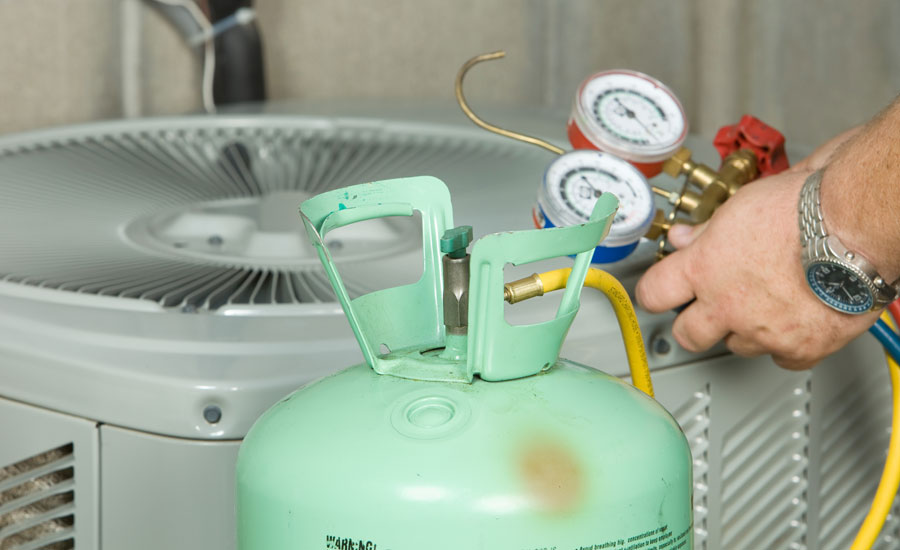
Image Source: nwacoolingandheating.net
What is AC Refrigerant (Freon)?
What is Freon? Freon is a brand name for certain types of refrigerants. Refrigerants are special fluids or gases used in air conditioners and refrigerators. They move heat from one place to another. Think of them as the ‘blood’ of your AC system. They pick up heat from inside your house and release it outside. This process makes your inside air cool. Different kinds exist today, known as types of AC refrigerant.
Why the Amount of Coolant Matters
The amount of refrigerant in your AC system is very important. Having the exact, proper AC refrigerant charge is key. It’s like putting the right amount of oil in your car engine.
- Cooling Power: Too little or too much refrigerant stops your AC from cooling well. It might not get cool enough inside.
- Energy Use: When the charge is wrong, your AC works harder. This uses more electricity. Your power bills go up.
- System Health: A wrong charge can hurt your AC parts. It can make the unit wear out faster. This means costly repairs or needing a new unit sooner.
The system is designed to work best with a specific amount. This amount is measured by weight, usually in pounds and ounces. Knowing how many pounds of freon in AC is the goal.
Figuring Out How Much Refrigerant Your AC Needs
How do you know the exact AC refrigerant capacity for your unit? The best way is to check the unit itself.
Look for a sticker or metal plate on the outdoor part of your AC unit. This is called the data plate. It has important information printed on it.
- Model number
- Serial number
- Electrical details
- The type of refrigerant it uses (like R-410A)
- The amount of refrigerant needed (often in lbs or ounces)
This plate tells you the factory charge. This charge is for a system with a standard size indoor coil and a standard length of refrigerant line set (the copper pipes that connect the indoor and outdoor units).
If your line set is longer than standard, the AC company who put in your unit should have added a little extra refrigerant. This extra amount makes up for the longer pipes. The total charge needed can be found by determining AC refrigerant charge based on the unit specs and line set length.
Factors Setting AC Refrigerant Capacity
Many things decide the AC refrigerant capacity of a system.
- Unit Size (BTUs): Bigger AC units handle more heat. They need more refrigerant to do the job. A small window unit uses much less than a large central air system for a big house.
- Type of System: Central air conditioners hold more refrigerant than window units or mini-split systems.
- Indoor Coil Size: The coil inside your house helps absorb heat. A larger coil might need a slightly different charge.
- Line Set Length: As mentioned, longer copper pipes need more refrigerant to fill them up. This extra bit is added on site. This impacts the total residential AC unit freon amount.
So, there is no single answer to ‘how many pounds of freon in AC’. A small residential AC unit freon amount might be 5-7 pounds, while a larger one could be 10-15 pounds or even more for very big homes or commercial systems.
Recognizing Signs of Low Refrigerant
Refrigerant does not get “used up” like gasoline in a car. It flows in a sealed loop. If your AC is low on refrigerant, it means there is a leak somewhere in the system. Spotting the signs of low freon early is important.
Here are common signs your AC might have an air conditioner freon leak:
- Warm Air from Vents: This is the most obvious sign. The AC is running, but the air blowing out is not cool. Or it feels less cool than it used to. This is the classic sign of AC not cooling low freon.
- Ice on Coils: You might see ice forming on the copper lines or the outdoor unit’s coil. This happens because the low pressure caused by low refrigerant makes parts of the system too cold. Water in the air freezes on them.
- AC Runs All the Time: The unit tries to cool your home but can’t reach the set temperature. So, it just keeps running and running.
- Higher Energy Bills: Because the unit runs longer and works less effectively, it uses more power. Your electricity bill goes up without a clear reason.
- Hissing or Bubbling Sounds: Sometimes, a refrigerant leak makes noise. A hiss might come from where the gas is escaping. Bubbles might be heard if the leak is in a place with moisture or oil near it.
- Musty Smells: Ice forming due to low refrigerant can lead to water not draining properly. This can cause mold or mildew growth, leading to bad smells.
If you see any of these signs of low freon, it’s time to call an AC technician. Ignoring these signs can cause more damage to your system.
Why Refrigerant Leaks Happen
An air conditioner freon leak is the only reason your refrigerant level drops. Refrigerant runs in a closed loop. It doesn’t evaporate or get used up like fuel. Leaks can happen for several reasons:
- Wear and Tear: Over time, the metal parts, seals, and connections can wear out. This is common in older units.
- Corrosion: The materials used in the coils and pipes can corrode, especially in certain environments (like near the coast). This creates small holes.
- Poor Installation: If pipes were not connected correctly during installation, leaks can happen later.
- Physical Damage: Lawn mowers hitting the outdoor unit, falling branches, or other accidents can damage the coils or pipes.
- Formaldehyde: Believe it or not, off-gassing from building materials like drywall and flooring can cause formicary corrosion, tiny pinhole leaks in copper coils.
Finding an air conditioner freon leak requires special tools. Technicians use leak detectors, dye tests, or electronic sniffers to find the exact spot of the leak.
What Happens When Refrigerant is Low?
When the proper AC refrigerant charge is low, your AC system cannot move heat correctly.
- The pressure inside the system drops.
- The evaporator coil (the part inside your house) gets too cold. It can freeze up.
- The compressor (the main pump outside) works much harder. It can overheat and fail.
- The amount of heat moved outside is much less. This is why you get AC not cooling low freon symptoms.
Running your AC with low refrigerant is harmful to the system. It can turn a simple leak repair into needing a whole new compressor, which is very expensive.
Can You Just Add More Refrigerant?
No, you should not just “top off” the refrigerant like adding air to a tire. If the refrigerant is low, it means there is a leak. Simply adding more is a temporary fix. The new refrigerant will also leak out.
- Waste of Money: You pay for refrigerant that will soon escape.
- Environmental Harm: Refrigerants are greenhouse gases. Leaking them into the air is bad for the planet. Many older types, like R-22, also harm the ozone layer.
- Doesn’t Fix the Problem: The leak is still there. It will continue to cause problems.
- Against the Law: Adding refrigerant to a system with a known leak without fixing the leak first is often against the law in many places because of environmental rules (like the EPA in the US).
A trained technician must find and fix the air conditioner freon leak first. After the leak is fixed, they will add the correct amount of refrigerant based on the determining AC refrigerant charge process for your unit. This process is called recharging the system.
The Process of Recharging Refrigerant
Adding refrigerant is not a DIY job. It requires special tools and knowledge. A certified HVAC technician follows these steps:
- Find the Leak: They use tools to find exactly where the refrigerant is escaping.
- Fix the Leak: They repair the pipe, coil, or connection. This might involve soldering, replacing a part, or sealing a joint.
- Vacuum the System: They use a vacuum pump to remove all air and moisture from the lines. Air and moisture can damage the system and stop the refrigerant from working right.
- Add the Correct Charge: Using gauges and scales, they carefully add the exact amount of refrigerant specified for your unit. They refer to the data plate for the base charge and add extra for long line sets if needed. This ensures the proper AC refrigerant charge.
- Test the System: They run the AC and check pressures and temperatures to make sure the charge is correct and the system is cooling properly.
Adding Freon to AC Cost
How much does adding freon to AC cost? This varies a lot based on several things:
- Type of Refrigerant: Older refrigerants like R-22 are expensive because they are being phased out and are hard to get. Newer ones like R-410A are less costly per pound, but prices can still change.
- Amount Needed: How much refrigerant has leaked out? The more needed, the higher the cost for the material itself.
- Cost of the Repair: The biggest part of the cost is usually finding and fixing the air conditioner freon leak. A simple fix is cheaper than replacing a leaky coil.
- Labor Rates: Technician labor costs vary by location and company.
- Service Call Fee: There is usually a fee just for the technician to come to your home.
Just adding a few pounds of refrigerant (assuming a small, fixable leak) might cost a few hundred dollars. However, if there’s a big leak that needs a major repair, like replacing a coil or compressor, the total cost can be much higher, maybe $1000, $2000, or even more. Getting quotes from different companies is a good idea.
Remember, the adding freon to AC cost includes fixing the problem, not just putting gas in. If someone offers to just “top off” your unit cheaply without finding a leak, be careful. This is not fixing the issue and is often illegal.
Different Types of AC Refrigerant
The types of AC refrigerant used have changed over the years. This is mostly because of rules to protect the environment.
- R-22 (Freon): This was very common for decades. But it harms the ozone layer. Because of international agreements, it is being phased out. It is now hard to find and very expensive. You cannot put R-22 into a system made for R-410A, or vice-versa.
- R-410A (Puron, Suva 410A): This replaced R-22 in new systems built after 2010. It does not harm the ozone layer. It works at higher pressures than R-22. Systems designed for R-410A are different from those for R-22. Most residential AC unit freon amount needs today are for R-410A.
- R-32: This is another newer refrigerant. It is used in some newer systems, especially mini-splits. It has a lower impact on global warming than R-410A.
- Other Types: There are other refrigerants used in different kinds of cooling systems, but R-22, R-410A, and R-32 are the main ones you’ll hear about for homes.
Knowing the types of AC refrigerant your unit uses is important. This information is on the data plate. Technicians must use the correct type for your system.
Environmental Focus: Phasing Out Old Refrigerants
The switch from R-22 to R-410A was a big step for the environment. R-22 (a type of HCFC) was found to destroy the Earth’s protective ozone layer. The ozone layer helps block harmful rays from the sun.
R-410A (an HFC) does not harm the ozone layer. However, it is a strong greenhouse gas. It traps heat in the atmosphere, adding to global warming. New efforts are looking at refrigerants with even lower global warming potential, like R-32 and others.
This is another reason why finding and fixing air conditioner freon leak is so important. It protects the environment by keeping these gases inside the system where they belong.
Keeping Your AC Working Right
The best way to avoid problems with refrigerant is to keep your AC system well-maintained.
- Regular Tune-Ups: Have a qualified technician check your system once a year, usually in the spring before you need to use it a lot.
- Check for Leaks: During a tune-up, a technician can check for potential air conditioner freon leak issues before they become big problems. They check pressures and temperatures, which helps in determining AC refrigerant charge status without needing to open the system.
- Clean Your Coils: Dirty coils make your system work harder. While dirt doesn’t cause leaks directly, a stressed system might wear out faster. Keep the outdoor unit clean.
Proper maintenance helps ensure your AC keeps the proper AC refrigerant charge, cools your home well, uses less energy, and lasts longer.
Grasping AC Refrigerant Service
Servicing the refrigerant in an AC system is complex and needs a skilled professional.
- Required Tools: Technicians use special gauges to read pressure, vacuum pumps, recovery machines (to capture old refrigerant safely), scales to measure the exact amount added, and leak detectors.
- Required Knowledge: They understand the science of refrigeration, how each part of the system works, how to handle different types of refrigerants safely, and environmental rules.
- Certification: In many places, technicians need to be certified to handle refrigerants legally. This ensures they know how to do it safely and without harming the environment.
This is why determining AC refrigerant charge and fixing leaks is not a DIY task. Trying to do it yourself can be dangerous, illegal, and can cause serious damage to your expensive AC unit.
Comparing Refrigerant Types
Here is a simple look at common refrigerants:
| Feature | R-22 (Phasing Out) | R-410A (Current Standard) | R-32 (Newer Option) |
|---|---|---|---|
| Ozone Impact | High | None | None |
| Global Warming Potential | Medium | High | Medium (Lower than R-410A) |
| Used In Systems Built | Before ~2010 | After ~2010 | Newer systems, mini-splits |
| Pressure | Lower | Higher | Similar to R-410A |
| Availability | Hard to find, Expensive | Readily available | Growing availability |
| Service | Needs special handling | Needs different tools | Needs different tools |
This table highlights why finding how many pounds of freon in AC matters, as well as knowing the type of freon. You cannot mix them or use the wrong type. The residential AC unit freon amount is specific to the unit and the refrigerant type.
Key Takeaways on AC Refrigerant
- The amount of refrigerant an AC holds (AC refrigerant capacity) varies greatly by unit size and type.
- It’s measured in pounds and ounces, usually found on the outdoor unit’s data plate.
- The proper AC refrigerant charge is vital for cooling, efficiency, and unit lifespan.
- Low refrigerant means there is an air conditioner freon leak. Refrigerant does not get used up.
- Signs of low freon include warm air, ice on coils, high bills, and constant running (AC not cooling low freon).
- You must find and fix the leak before adding refrigerant.
- Adding freon to AC cost includes finding the leak, fixing it, and adding the specific type and amount needed. It’s not cheap if a major repair is required.
- Different types of AC refrigerant are used, like R-22, R-410A, and R-32, due to environmental rules.
- Determining AC refrigerant charge requires professional tools and knowledge.
- Regular maintenance helps catch leaks early and keeps your system running right.
Always use a certified HVAC technician for any work involving your AC’s refrigerant. They have the tools, training, and licenses to do the job safely, legally, and correctly. Trying to handle refrigerant yourself is dangerous and can damage your unit and the environment.
Knowing the proper AC refrigerant charge for your specific unit and being able to spot the signs of a problem are the first steps. Then, call a pro to handle the rest. This ensures your AC cools your home well for years to come.
Frequently Asked Questions (FAQ)
h4 What is the normal pressure for AC refrigerant?
This question is complex because “normal pressure” depends entirely on several factors:
- The type of refrigerant: R-22, R-410A, and R-32 all operate at different pressures. R-410A systems run at much higher pressures than R-22 systems.
- The temperature outside: As the outside temperature goes up, the high-side pressure increases. As it goes down, the low-side pressure increases.
- The temperature inside: This affects the low-side pressure.
- The system design: Different units have different normal operating pressures.
A technician uses special gauges to read the high and low side pressures. They then compare these readings to a chart based on the outside temperature and the specific refrigerant type. This is how they check the proper AC refrigerant charge. There is no single “normal” pressure number that applies to all ACs.
h4 Can I check my AC refrigerant level myself?
No, you cannot easily check the actual amount or level of refrigerant yourself. Refrigerant is inside a sealed system. Checking requires connecting special gauges to service ports on the unit. This should only be done by a certified technician. They measure the pressure, and sometimes the temperature difference, to figure out if the charge is correct. Visually inspecting your unit or looking at a simple gauge from a car won’t tell you the AC refrigerant capacity or current charge.
h4 Is “topping off” my AC with Freon okay?
No, just “topping off” is not okay. If your AC is low on refrigerant, it has a leak. Adding more without finding and fixing the air conditioner freon leak is a waste of money and harmful to the environment. It doesn’t solve the real problem. The new refrigerant will just leak out again. A professional will find and fix the leak before adding the correct charge.
h4 How long does AC refrigerant last?
Refrigerant lasts forever inside a properly sealed system. It moves in a continuous loop and does not break down or get used up. If your AC is low on refrigerant, it means there is a leak that needs to be found and fixed. Refrigerant should never need to be replaced or refilled unless there is a leak or part of the system is replaced (like a coil or compressor).
h4 What happens if I use the wrong type of refrigerant?
Using the wrong type of refrigerant will severely damage your AC system. Different refrigerants operate at different pressures and require different oils in the compressor. Putting the wrong type in can cause the compressor to fail immediately or lead to long-term damage. It can also be dangerous. Always use the refrigerant type specified on the unit’s data plate.
h4 How much does a pound of Freon cost?
The cost of refrigerant varies greatly. R-22 is very expensive, often hundreds of dollars per pound, because it’s phased out. R-410A costs much less per pound, maybe $50 – $150, but this is just the cost of the material. The total cost of adding freon to AC includes the technician’s labor to find and fix the leak, vacuum the system, and then add the refrigerant. So, the material cost is only one part of the bill.
h4 My AC is old and uses R-22. What should I do if it’s low on refrigerant?
If your R-22 system is low, you have a few choices. You can pay to find and fix the leak and add expensive R-22. This might make sense for a small, cheap repair on a unit that is otherwise in great shape. However, if the repair is costly or the unit is old, it’s often smarter to replace the entire system with a new one that uses R-410A or R-32. New units are more energy-efficient and use less costly, more available refrigerant. A technician can help you decide based on the repair cost and the unit’s age.
h4 How long does it take to add refrigerant?
Adding refrigerant itself is quick once the system is ready. However, the whole process takes much longer. The technician must first find and fix the leak, which can take significant time depending on how hard it is to find. Then, they must vacuum the system for 30 minutes to several hours, depending on system size. Only then can they add the new refrigerant. So, the total visit time will likely be at least a couple of hours, and possibly much longer for complex leak repairs.
This guide should help you understand more about how much refrigerant your AC holds and why keeping the correct amount is key to staying cool.