
In 1950, a television set could cost anywhere from $150 to $400, a significant sum when considering the average income of the time. This price range placed televisions in the luxury item category for many households, far from the ubiquitous presence they are today.
The dawn of the 1950s marked a pivotal moment in American homes. Television, once a novelty, was beginning its ascent to becoming a central fixture. But for the average family, the question wasn’t just about owning a TV, but about affording one. The cost of television 1950 was a major consideration for many families dreaming of bringing this new form of entertainment into their living rooms. Let’s delve into the world of 1950s television prices and uncover what it really took to own a piece of this burgeoning technology.
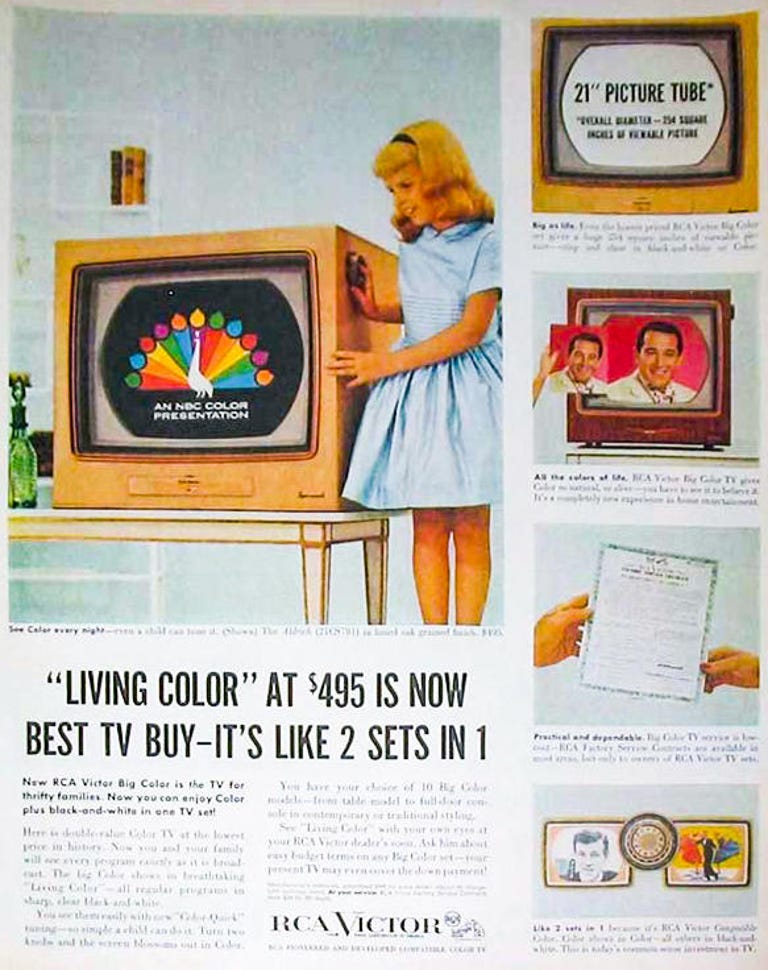
Image Source: www.cnet.com
The Dawn of Television: A New Era of Entertainment
Before we dive into the specifics of prices, it’s important to understand the context. Television was still a relatively new technology in 1950. While broadcasting had begun earlier, it was in the post-World War II era that television truly started to capture the public’s imagination. The number of TV sets in American homes surged dramatically in the late 1940s and early 1950s.
This rapid growth meant that manufacturers were working hard to meet demand, and prices reflected the cost of production, limited competition, and the sheer desirability of this new medium. Owning a television was a status symbol, a sign of modernity and prosperity. The price of black and white TV 1950 was a direct indicator of this.
Early Television Technology and Its Impact on Price
The televisions of 1950 were very different from the sleek, flat-screen models we have today. They were bulky, often housed in large wooden cabinets, and featured small, black-and-white screens. The technology itself was complex for its time, involving vacuum tubes, intricate wiring, and specialized components.
- Vacuum Tubes: These were the backbone of early electronics. They were prone to burning out and required regular replacement, adding to the ongoing cost of ownership.
- Screen Size: Most televisions in 1950 had screen sizes ranging from 7 to 12 inches. Larger screens were exceptionally rare and prohibitively expensive.
- Cabinetry: The wooden cabinets were not just casings; they were often pieces of furniture, adding to the cost and aesthetic appeal of the television set. Manufacturers offered various styles to match different home decors.
The manufacturing process for these early sets was also more labor-intensive. Skilled technicians were needed to assemble and test each unit. All these factors contributed to the initial vintage TV cost.
Unpacking 1950s Television Prices: What Did It Really Cost?
When discussing historical TV prices, it’s crucial to consider the average income of the time. In 1950, the median household income in the United States was around $3,300 per year. This gives us a frame of reference to truly appreciate the investment involved in purchasing a television.
Here’s a breakdown of typical 1950s television prices:
- Entry-Level Models: Basic, smaller-screen televisions, often from lesser-known brands, could be found for as low as $150. These were still expensive, but perhaps within reach for families who prioritized television over other luxuries.
- Mid-Range Models: The most common price range for a decent television set with a 10 or 12-inch screen was between $200 and $300. This was a substantial purchase, often requiring saving up for months or even years.
- High-End Models: Premium brands or larger screen sizes (though still small by today’s standards) could easily cost $350 to $400 or even more. These were the televisions for the more affluent households.
To put this into perspective, a $300 television in 1950 would be equivalent to roughly $3,500 to $4,000 today when adjusted for inflation. This shows that owning a television was a significant financial undertaking. The television set cost 1950 was a major talking point in many homes.
Factors Influencing the Price of a 1950s Television
Several factors contributed to the variation in early television prices:
- Brand Reputation: Established brands like RCA, Philco, and DuMont often commanded higher prices due to their perceived quality and reliability.
- Screen Size: As with any product, bigger meant more expensive. A 12-inch screen would cost more than a 7-inch screen from the same manufacturer.
- Features: While “features” were limited compared to today, some sets offered better picture clarity, improved sound, or more attractive cabinet designs, all of which could increase the retro TV cost.
- Geographic Location: Prices could vary slightly depending on the region and local distribution costs.
Let’s look at some specific examples of 1950s home electronics price for televisions:
| Brand | Screen Size | Approximate Price (1950) |
|---|---|---|
| RCA | 10 inches | $350 |
| Philco | 12 inches | $325 |
| DuMont | 7 inches | $200 |
| Emerson | 10 inches | $250 |
| Admiral | 12 inches | $300 |
These figures highlight that even the more affordable options were a significant investment. The vintage TV cost was a true reflection of its novelty and the technology involved.
The Economics of Owning a Television in 1950
Beyond the initial purchase price, there were other costs associated with owning a television in 1950.
- Antennas: To receive a signal, a proper antenna was required. These often had to be installed on rooftops, which could incur additional costs for installation services.
- Service and Repairs: As mentioned, vacuum tubes had a limited lifespan. Replacing them, or dealing with other common issues like picture distortion or sound problems, meant calling a technician. This added to the ongoing antique television value discussion – not just the resale value, but the cost of keeping it operational.
- Electricity Costs: Televisions consumed a fair amount of electricity, which was another factor contributing to household utility bills.
These additional expenses meant that the true cost of television 1950 extended beyond the sticker price. Families had to be prepared for these ongoing outlays.
The Social Impact of Television Ownership
Despite the cost, the allure of television was immense. It offered a window to the world, bringing news, sports, and entertainment directly into homes. Families would gather around the flickering screen, often for hours at a time.
- Shared Experience: Television fostered a sense of shared experience and family bonding.
- Information Access: It provided a new and immediate way to receive news and information.
- Cultural Influence: Television began to shape popular culture, influencing fashion, language, and societal trends.
The desire for this new form of entertainment was so strong that many families made significant sacrifices to afford a television. The 1950s home electronics price bracket for TVs was a clear indicator of their desirability.
How Prices Evolved Throughout the 1950s
The historical TV prices did not remain static throughout the 1950s. As production ramped up and technology improved, prices gradually began to decrease, making televisions accessible to a wider audience.
- Mid-1950s: By the mid-1950s, the average price for a television set had dropped, with many models available in the $150 to $250 range. The introduction of more affordable brands and mass production techniques played a significant role.
- Late 1950s: Towards the end of the decade, television ownership became much more common. Prices continued to fall, and the variety of models and screen sizes expanded. This made the retro TV cost more approachable for the average American family.
This evolution shows the typical lifecycle of new technology: initially expensive and exclusive, then gradually becoming more affordable and widespread. The price of black and white TV 1950 was at the higher end of this spectrum compared to later years in the decade.
The Transition to Color Television
While this post primarily focuses on the early to mid-1950s and the era of black and white television, it’s worth noting that color television began to emerge towards the end of the decade. However, these early color sets were astronomically expensive, often costing upwards of $1,000, making them out of reach for almost all consumers and further solidifying the television set cost 1950 for black and white models as a significant, yet achievable, purchase for many.
Modern Perspectives on 1950s TV Costs
When we look back at early television prices, it’s easy to be struck by the cost. However, it’s vital to remember the context of the time. These were complex machines, representing cutting-edge technology. The vintage TV cost reflects the innovation and the novelty factor.
Today, we can purchase high-definition, large-screen televisions for a fraction of the inflation-adjusted cost of a 1950s set. This comparison underscores the rapid advancements in electronics manufacturing and the democratization of technology over the past seventy years. The antique television value today is more about historical interest and collectibility rather than technological parity.
The Value of Nostalgia
While the price tag might seem steep, many people today seek out vintage televisions not for their functionality, but for their aesthetic appeal and the nostalgia they evoke. A beautifully preserved wooden-cased television from the 1950s can be a treasured collectible, adding character to a retro-themed room. In this context, the antique television value is tied to its historical significance and design, rather than its original price or technical specifications.
The 1950s home electronics price of a TV was a gateway to a new world of information and entertainment. It represented a significant step forward in domestic technology and fundamentally changed how families spent their leisure time.
Frequently Asked Questions About 1950s Television Costs
Q1: What was the average cost of a television in 1950?
A1: The average cost of a television in 1950 typically ranged from $150 to $400.
Q2: Were televisions expensive in 1950 compared to today?
A2: Yes, when adjusted for inflation, televisions in 1950 were significantly more expensive relative to the average income than they are today.
Q3: What factors influenced the price of a 1950s television?
A3: Factors included brand reputation, screen size, cabinet design, and the newness of the technology itself.
Q4: Could a typical family afford a television in 1950?
A4: It was a stretch for many families. While possible with careful saving and budgeting, it was a major purchase that often required sacrificing other luxuries.
Q5: What was the price of a black and white TV in 1950?
A5: The price of black and white TV 1950 fell within the general range of $150 to $400, depending on the specific model and features.
Q6: Are old televisions from the 1950s valuable today?
A6: Their value today is primarily as collectibles or for their antique aesthetic, rather than for their functional use. The antique television value is more about historical significance.
The journey of television from an expensive luxury to an everyday essential is a fascinating story, and the cost of television 1950 is a key chapter in that narrative. These early prices paint a picture of a society on the cusp of a technological revolution, eager to embrace the magic of the small screen, even at a considerable cost. The 1950s television prices are a window into the aspirations and economic realities of post-war America.