
For a 2000 square foot home, you will likely need an air conditioner between 3 and 4 tons, but this is just a starting point. The exact size, or tonnage, depends on many things specific to your house and where you live, not just the size of the space. Getting the size right is key for your home to feel cool and comfortable without wasting energy or money.
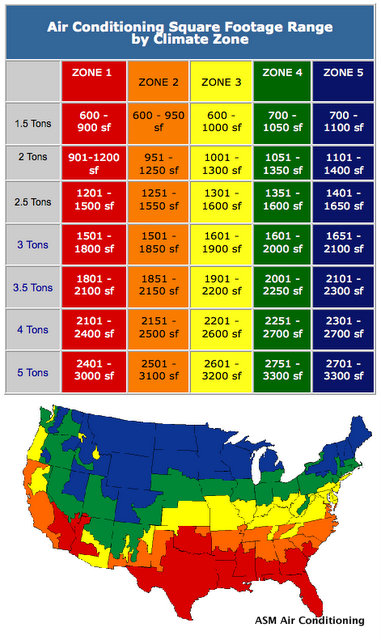
Image Source: smallhousesociety.net
Figuring Out AC Tonnage
Finding the right air conditioner size is important. AC size is often talked about in “tons.” This is not about weight. An AC ton is a measure of how much heat the unit can remove in one hour. One ton equals 12,000 British Thermal Units (BTU) per hour. BTU stands for British Thermal Unit. It measures heat energy. So, a 3-ton AC can remove 36,000 BTU of heat in an hour (3 tons * 12,000 BTU/ton). The right size AC takes out heat and humidity from your home. This makes you feel cool and dry.
BTU Required for 2000 sq ft: More Than Simple Math
Many people use a simple rule to guess what size AC they need. This rule uses BTU per square foot. For example, a common simple rule says you need about 20-25 BTU per square foot.
Let’s use this simple rule for a 2000 square foot house:
* Low end: 2000 sq ft * 20 BTU/sq ft = 40,000 BTU
* High end: 2000 sq ft * 25 BTU/sq ft = 50,000 BTU
To change BTU to tons, you divide by 12,000 BTU per ton:
* Low end: 40,000 BTU / 12,000 BTU/ton = about 3.3 tons
* High end: 50,000 BTU / 12,000 BTU/ton = about 4.2 tons
Based on this simple rule, a 2000 square foot house might need an AC between 3 and 4.5 tons. This is why people often say 3 to 4 tons for 2000 sq ft.
But this simple rule is often wrong. It only looks at the size of the house. It does not look at other important things. Using this simple rule can lead to choosing the wrong size AC. This can cause problems.
Why a Simple Rule Is Not Enough: HVAC Size Calculation
Choosing the right size AC is called HVAC size calculation or AC sizing. It’s a key step in getting a new central air conditioning system or heat pump. It is more than just using square footage. It looks at how much heat enters your home. This is called the heat load.
Heat enters your home from many places:
* Through the roof and walls.
* Through windows and doors.
* From people inside.
* From lights and appliances.
* From air leaking in from outside.
An HVAC size calculation figures out how much heat your AC must remove to keep your home cool on the hottest days.
The Right Way: Manual J Load Calculation
The best way to figure out the right AC size is to do a heat load calculation. Industry experts use a method called Manual J. This is a detailed set of steps created by the Air Conditioning Contractors of America (ACCA).
A Manual J load calculation looks at many things about your home. It does not just use square footage. It uses details like:
* Where your house is (climate).
* How much sunlight hits your home.
* How well your walls and roof are insulated.
* How many windows you have, their size, type, and where they face.
* How well your home seals out outside air.
* The height of your ceilings.
* How many people live in the house.
* What kind of heating system you have (if any).
* Appliances that make heat (like ovens, TVs, computers).
A skilled HVAC professional uses special software or charts to do a Manual J calculation. They measure your home. They check the insulation and windows. They look at your local climate data. All these details go into the calculation. The result is a number in BTU per hour. This tells you the exact amount of cooling your home needs.
Factors Influencing AC Tonnage Greatly
Many things change how much cooling your home needs. These things can make the needed AC size for a 2000 sq ft house change a lot.
Climate Where You Live
The biggest factor is your climate. A house in a hot, sunny place like Arizona needs a much bigger AC than the same size house in a cooler place like Maine. Manual J uses data for your specific city or town. This includes how hot and humid it gets there.
Home’s Insulation
Good insulation in your walls, attic, and floors keeps heat out in the summer. A well-insulated 2000 sq ft home needs less cooling than one with poor insulation. Adding more insulation can sometimes mean you need a smaller, less costly AC unit.
Windows and Doors
Windows are a major source of heat gain. Sunlight coming through glass heats up a room fast.
* How many windows do you have? More windows mean more heat gain.
* How big are they? Larger windows let in more heat.
* What type are they? Single-pane windows let in a lot more heat than double-pane or triple-pane windows with special coatings.
* Which way do they face? Windows facing west or south get more direct sunlight during the hottest parts of the day.
* Do you have shades or blinds? These can help reduce heat gain.
Doors also let in heat, especially if they are not well sealed or insulated.
Air Leaks
Cracks and gaps around windows, doors, vents, and through walls and roofs let hot outside air into your home. This makes your AC work harder. Sealing these leaks (called air sealing) is a cheap way to lower your cooling needs. It can reduce the needed AC size.
Ceiling Height and Volume
A house with high ceilings has more air volume to cool. A 2000 sq ft house with 10-foot ceilings needs more cooling than a 2000 sq ft house with 8-foot ceilings. Manual J accounts for this extra volume.
House Direction
Which way your house faces affects how much sun it gets. A house with many windows facing west will get blasted by the hot afternoon sun. This increases the heat load. The design of your roof and any overhangs can also help shade walls and windows.
Number of People Inside
People give off heat. More people living in the house means more heat the AC needs to remove. Manual J includes an estimate for the heat generated by people.
Heat from Appliances and Lights
Appliances like refrigerators, ovens, TVs, and computers all make heat. Old incandescent light bulbs make a lot of heat. Newer LED lights make very little. The more heat-making things you have running, the more cooling you need.
Condition of Ductwork
If you have central air conditioning, cooled air travels through ducts. If these ducts run through hot attics or crawl spaces and are not sealed or insulated well, the cool air heats up before it reaches your rooms. This makes the AC work harder and can increase the needed capacity. Leaky ducts also lose cool air into walls or attics.
Local Building Codes
Some areas have specific rules about insulation and window efficiency that can affect heat load.
All these factors work together. This is why two houses that are both exactly 2000 sq ft can need different size AC units. One might need 3 tons, another might need 4 tons or even more in extreme climates or with poor insulation.
Central Air Conditioning Capacity
When people talk about AC tonnage, they usually mean central air conditioning. Central AC cools air at one point and sends it through ducts to different rooms. The capacity of the central air conditioning system is measured in tons or BTU. Getting the right capacity is essential for the system to work well.
Interpreting the Air Conditioner Sizing Guide Concept
Think of an air conditioner sizing guide not as a simple chart, but as a process. The best guide is the Manual J calculation. Any simple chart that just uses square footage is really an ‘estimate’ based on very average homes. It does not replace a proper calculation.
Here is a very rough, general idea of how square footage can relate to tonnage, but DO NOT use this for buying an AC:
| Square Feet | Rule of Thumb BTU Needed | Rule of Thumb Tonnage |
|---|---|---|
| 500 | 10,000 – 12,500 | 0.8 – 1 ton |
| 1000 | 20,000 – 25,000 | 1.7 – 2.1 tons |
| 1500 | 30,000 – 37,500 | 2.5 – 3.1 tons |
| 2000 | 40,000 – 50,000 | 3.3 – 4.2 tons |
| 2500 | 50,000 – 62,500 | 4.2 – 5.2 tons |
This table is for example only. As you can see, even with the simple rule, a 2000 sq ft home falls into a range. The actual needed tonnage after a Manual J calculation could be outside this range depending on the factors mentioned earlier.
AC Size for 1800 sq ft and AC Size for 2500 sq ft
Using the same simple rule of thumb:
For a 1800 sq ft house:
* 1800 sq ft * 20 BTU/sq ft = 36,000 BTU (3 tons)
* 1800 sq ft * 25 BTU/sq ft = 45,000 BTU (3.75 tons)
So, a rough guess for 1800 sq ft is 3 to 3.5 tons.
For a 2500 sq ft house:
* 2500 sq ft * 20 BTU/sq ft = 50,000 BTU (4.2 tons)
* 2500 sq ft * 25 BTU/sq ft = 62,500 BTU (5.2 tons)
So, a rough guess for 2500 sq ft is 4 to 5 tons.
Again, these are just rough guesses. A real calculation is needed for these sizes too. The factors influencing AC tonnage are just as important for 1800 sq ft and 2500 sq ft homes as they are for 2000 sq ft homes.
Problems with Wrong AC Size
Choosing the wrong size air conditioner can cause many issues. Both an AC that is too big and an AC that is too small can lead to problems.
AC Unit is Too Big (Oversized)
Many people think bigger is better for an AC. This is not true. An oversized AC unit is bad for several reasons:
- Short Cycling: An oversized AC cools the house too quickly. It reaches the set temperature fast, turns off, and then turns back on soon after. This stop-and-go operation is called short cycling.
- Poor Dehumidification: ACs not only cool air but also remove moisture (dehumidify). An oversized unit runs for such a short time that it doesn’t have enough time to pull much humidity out of the air. This leaves your home feeling cool but damp or sticky, which is not comfortable.
- Wasted Energy and Higher Bills: Every time an AC starts, it uses a lot of energy. Short cycling means the AC starts and stops many times. This uses more electricity than running for longer, steady periods. Your energy bills will be higher.
- Uneven Cooling: Because the AC cools too fast, it might cool the area around the thermostat quickly and shut off before other rooms get cool. Some rooms might be too cold, while others are still warm.
- Shorter Equipment Life: The constant starting and stopping puts more stress on the parts of the AC unit. This can cause parts to wear out faster. Your expensive AC system might not last as long as it should.
Think of it like driving a car only for short blocks. You start the engine, drive a short way, turn it off, then start it again soon. This uses more gas and is harder on the engine than driving steadily on a highway.
AC Unit is Too Small (Undersized)
An AC unit that is too small also creates problems:
- Cannot Cool the House: On the hottest days, an undersized AC simply cannot remove enough heat to lower the temperature to a comfortable level. Your home will still feel too warm.
- Runs Constantly: The unit will run almost all the time, trying its best to cool the house. This constant running uses a lot of energy and racks up high electricity bills.
- Reduced Lifespan: An AC that runs non-stop is under constant strain. Like the oversized unit, its parts can wear out faster from this continuous operation.
- May Not Reach Set Temperature: The system might never be able to reach the temperature you set on the thermostat during peak heat times.
- High Energy Bills: While it might use less power per hour than a huge unit, because it runs non-stop, the total energy used can be very high.
Getting the size just right based on a proper heat load calculation gives you the best comfort, lowest energy bills, and longest equipment life.
AC Tonnage to Square Footage Conversion (Limited Use)
Let’s look at the AC tonnage to square footage conversion again. People often ask for a simple chart. But as we’ve seen, it’s not simple.
Why do people still talk about converting tonnage to square footage? Because it gives a very rough estimate to start with. It helps people get a general idea before a professional does the real calculation.
Here is a table showing a common conversion rule (20-25 BTU per sq ft):
| Tonnage | BTU/hour | Rough Square Feet Range |
|---|---|---|
| 1.5 ton | 18,000 | 720 – 900 sq ft |
| 2 ton | 24,000 | 960 – 1200 sq ft |
| 2.5 ton | 30,000 | 1200 – 1500 sq ft |
| 3 ton | 36,000 | 1440 – 1800 sq ft |
| 3.5 ton | 42,000 | 1680 – 2100 sq ft |
| 4 ton | 48,000 | 1920 – 2400 sq ft |
| 5 ton | 60,000 | 2400 – 3000 sq ft |
Based on this table, a 2000 sq ft house might fall into the 3.5 to 4 ton range. This matches our earlier simple math. But remember, this is just a starting guess. A professional calculation is vital. Your house might need more or less than this range suggests because of the many factors we discussed.
Getting a Professional Calculation
To make sure you get the right size AC for your 2000 square foot home (or any size home), always get a professional to do a Manual J load calculation.
What to expect when you get a Manual J calculation:
1. Home Visit: An HVAC technician will visit your home.
2. Measurements: They will measure the size of your home, room by room. They will measure windows and doors. They might look at the insulation in your attic and walls.
3. Questions: They will ask you questions about how many people live there, how you use different rooms, if you plan any home updates (like adding insulation or new windows).
4. Checking Equipment: They might check your current ductwork system to see if it can handle the new AC unit size. Ductwork size and design also play a role in how well an AC works. This relates to central air conditioning capacity.
5. Calculation: They will put all this information into special software. This software uses the Manual J method to calculate your home’s heat load.
6. Result: The calculation gives a number in BTU/hour. This is the needed cooling capacity. They will recommend an AC unit in tons that matches this BTU number.
Insist that the HVAC company perform a Manual J calculation. Do not let them just guess based on square footage or replace your old unit with the same size. Your old unit might have been the wrong size in the first place, or your home’s needs might have changed over time (e.g., you added insulation, replaced windows).
A correct Manual J calculation ensures your AC system will keep your home comfortable efficiently. It helps avoid the problems with wrong AC size.
The Value of Getting it Right
Investing in a Manual J load calculation costs a little money upfront. However, it saves you a lot more money in the long run.
* Lower Energy Bills: A properly sized AC uses less energy to cool your home.
* Better Comfort: The house stays at the right temperature and humidity level. No more hot spots or damp air.
* Longer Equipment Life: The AC system runs correctly and lasts longer, saving you money on repairs and early replacement.
* Improved Air Quality: Proper run times allow the system’s filter to capture more particles from the air.
So, while a 2000 sq ft house often needs an AC in the 3 to 4 ton range, the real answer comes from a detailed analysis of your specific home.
Frequently Asked Questions
Here are some common questions about AC sizing for homes.
What is AC tonnage?
AC tonnage is a measure of an air conditioner’s cooling power. One ton equals 12,000 BTU (British Thermal Units) of heat removal per hour. It tells you how much heat the unit can take out of your home in 60 minutes.
How does BTU relate to square footage?
There is a rough rule that uses BTU per square foot (like 20-25 BTU per sq ft). But this is only a general guess. It does not account for important factors like climate, insulation, or windows.
Can I just use an online calculator?
Online calculators can give you a very rough estimate. They usually rely on the simple square footage rule plus maybe one or two other factors. They are not as accurate as a professional Manual J calculation. Use them only to get a general idea, not to choose your AC size.
What is a Manual J load calculation?
A Manual J load calculation is a detailed, standard method used by HVAC professionals to figure out exactly how much cooling (and heating) your home needs. It looks at many things about your house, not just its size, to calculate the heat gain and loss.
Is bigger always better for an AC?
No, bigger is not always better. An oversized AC cools too fast and cycles on and off too often. This wastes energy, leads to poor humidity control, and can make the unit wear out sooner.
What happens if my AC is too small?
If your AC is too small, it won’t be able to cool your home enough on hot days. It will run constantly, use a lot of energy, and might not last as long because of the constant running.
Should I replace my old AC with the same size?
Not without doing a new load calculation first. Your home’s insulation, windows, or air leaks might have changed. Also, your old AC might have been the wrong size to begin with. A new calculation ensures the new unit is right for your home now.
How long does a Manual J calculation take?
The home visit to gather information might take an hour or two. The actual calculation using software is fast once the data is entered. Getting the final report might take a day or two depending on the HVAC company’s schedule.
Does insulation really make a big difference in AC size?
Yes, good insulation makes a huge difference. It slows down the rate that heat enters your home. A well-insulated home needs less cooling power than a poorly insulated one of the same size.
Will new windows affect the AC size I need?
Yes, new, energy-efficient windows can reduce the heat entering your home. This can lower the needed cooling capacity. If you plan to replace windows soon, do it before getting a new AC, and have the calculation done after the new windows are in.
In summary, while a 2000 sq ft house typically falls in the 3 to 4 ton range based on simple rules, the most accurate way to determine the right size air conditioner is by having a professional perform a comprehensive Manual J load calculation specific to your home. This ensures maximum comfort and efficiency.