
A standard home refrigerator usually uses between 3 and 5 amps while running, but needs a lot more power (often 10-15 amps) for a moment when the motor first starts. Knowing the amperage (amps) your fridge uses is key for safety, proper wiring, and making sure you have the right circuit breaker size.
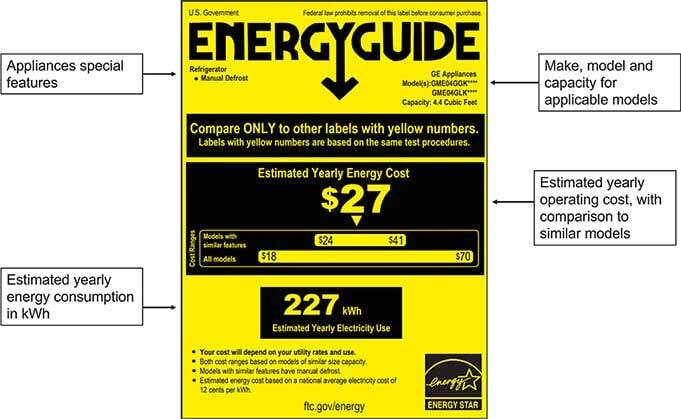
Image Source: www.mediproducts.net
Grasping Amperage Basics
What exactly are amps? Think of electricity like water flowing through a pipe.
- Volts (V): This is like the water pressure. In most homes in the US, standard outlets have 120 volts.
- Amps (A): This is like the amount of water flowing (the current). It tells you how much electricity is moving.
- Watts (W): This is like the total power of the water flow (pressure times amount). It tells you how much work the electricity can do.
The simple rule to remember is Watts = Volts x Amps. So, Amps = Watts / Volts. Knowing these numbers helps us figure out how much power appliances use and if they are safe on a circuit.
Why Fridge Amps Matter
Knowing your refrigerator’s amp draw is more than just a number. It’s important for several real reasons:
- Safety: If an appliance draws too many amps for the wires or circuit breaker, things can overheat. This is a fire risk.
- Circuit Protection: Circuit breakers are like safety switches. They stop the flow of electricity if it goes over a set limit (like 15 or 20 amps). If a fridge needs too much power, it can trip the breaker, turning off the power. This is annoying and can spoil food.
- Wiring: Different amp levels need different wire sizes. Using wire that is too small for the amps can cause problems.
- Electrical Requirements: Your home’s electrical system needs to handle the total load of all appliances. Knowing individual needs helps ensure the system is big enough.
Two Types of Refrigerator Amps
Not all amps are equal when talking about a fridge. There are two main types:
Running Amps
h5 What Running Amps Are
Refrigerator running amps are the amps your fridge uses when it is just doing its normal job of staying cold. This is when the compressor motor is running steadily. This number is much lower than the starting amps.
h5 Why Running Amps Are Lower
Once the motor is going, it takes less effort (less electricity) to keep it spinning than it did to get it started. Think of pushing a car. It’s hardest to get it moving (like starting amps). Once it’s rolling, it’s easier to keep it going (like running amps).
h5 Typical Running Amp Range
For a standard home fridge, running amps usually fall between 3 and 5 amps. This can change based on size, age, and how warm the room is.
Starting Amps
h5 What Starting Amps Are
Refrigerator starting amps, also called surge amps or inrush amps, are the high amount of amps needed for a very short time to get the compressor motor going from a stop. This happens each time the fridge turns on to cool down.
h5 Why Starting Amps Are Higher
Motors need a big burst of power to overcome inertia and start spinning. This surge lasts only a fraction of a second but is much higher than the running amp draw.
h5 Typical Starting Amp Range
Starting amps for a standard fridge can be anywhere from 10 to 20 amps, sometimes even a bit higher for older or larger models. This is why knowing this number is key for your circuit breaker size. The breaker must handle this quick surge without tripping.
Deciphering Your Fridge’s Power Needs
How do you find out the specific power needs of your refrigerator?
Checking the Data Plate
h5 What the Data Plate Is
Every appliance has a data plate or sticker. It’s usually on the back of the fridge, inside the door, or near the kick plate at the bottom front. This plate has important information about the model, serial number, and electrical needs.
h5 Finding Amp Information
Look for labels like “Amps,” “A,” “Current,” or “Minimum Circuit Amps.” Sometimes it lists only watts or volts. If it lists watts, you can figure out the amps using the formula Amps = Watts / Volts (usually 120V in the US). Be aware that the amps listed might be the maximum amps the unit could draw, or it might list the running amps. It often doesn’t directly state the starting amps, but it might give a Minimum Circuit Amps number that accounts for the start-up surge.
Looking at the Manual
The user manual or installation guide for your fridge should list its electrical requirements. This is often found in a technical specifications section. It might give the running amps, watts, and recommended circuit breaker size.
Searching Online
If you can’t find the data plate or manual, search online for your fridge’s model number. The manufacturer’s website or online appliance forums often have the specifications listed. Search for “[Your Fridge Model] specs” or “[Your Fridge Model] electrical requirements.”
Factors Affecting Refrigerator Amp Draw
The amps a fridge uses are not always fixed. Several things can change how much power it draws at any given time:
- Size and Type of Fridge: A small mini fridge amp draw is much lower than a large side-by-side or a commercial unit. RV refrigerator amp draw can differ too, especially if they run on gas or have different power systems.
- Age and Efficiency: Older fridges often use less energy and draw more amps than newer, energy-efficient models. The compressor technology has improved a lot.
- Room Temperature: A fridge works harder (runs more often) in a warm room or if placed in direct sunlight. This means the compressor runs more, using more amps over time.
- How Full It Is: A full fridge with cold items stays cold longer than an empty one. The fridge doesn’t have to run the compressor as often.
- Door Openings: Opening the door lets cold air out and warm air in. The fridge has to run the compressor to cool down the new warm air. Frequent or long door openings increase running time and total energy use (refrigerator power consumption).
- Freezer Temperature: Setting the freezer to a very low temperature makes the compressor work harder and run longer.
- Defrost Cycle: Most fridges have a defrost cycle that uses a heating element to melt frost. Heating elements use a fair amount of amps, often more than the running compressor. This adds to the fridge’s electrical requirements.
- Condition: A fridge with dirty coils, poor door seals, or a struggling compressor will likely use more amps than one in good condition.
Typical Amperage Ranges for Different Fridges
Here are some general ideas of how many amps different types of fridges use. Remember, these are just averages. Always check your specific fridge’s data plate.
| Fridge Type | Running Amps (Approx.) | Starting Amps (Approx.) | Fridge Wattage (Approx.) @ 120V | Average Refrigerator Amp Draw (Over Time) |
|---|---|---|---|---|
| Mini Fridge | 1 – 2 amps | 5 – 8 amps | 100 – 250 watts | 0.5 – 1.5 amps |
| Standard Residential (Small) | 2 – 3 amps | 8 – 12 amps | 200 – 400 watts | 1 – 2 amps |
| Standard Residential (Med/Lg) | 3 – 5 amps | 10 – 18 amps | 300 – 600 watts | 1.5 – 3 amps |
| Side-by-Side/French Door | 4 – 6 amps | 12 – 20 amps | 400 – 700 watts | 2 – 3.5 amps |
| Commercial Fridge | 5 – 8+ amps | 15 – 25+ amps | 600 – 1000+ watts | 3 – 6+ amps |
| RV Refrigerator (Electric) | 1 – 3 amps | 5 – 10 amps | 100 – 300 watts | 0.5 – 2 amps |
Note: Average refrigerator amp draw is lower than running amps because the compressor cycles on and off. It doesn’t run all the time.
Fathoming Watts, Volts, and Amps Together
We talked about the relationship: Watts = Volts x Amps. This helps you understand how much power a fridge uses (how many watts does a fridge use?).
Let’s say your data plate lists Watts but not Amps.
If your fridge uses 360 watts and is on a standard 120-volt circuit:
Amps = Watts / Volts
Amps = 360W / 120V
Amps = 3A (This would likely be the running amps).
If it lists running amps as 4A and starting amps as 15A:
Running Watts = 120V * 4A = 480 Watts
Starting Watts = 120V * 15A = 1800 Watts (for a brief moment!)
Knowing the watts helps understand the refrigerator power consumption over time. Kilowatt-hours (kWh) are how your electric company bills you. kWh is Watts x Hours / 1000. An average refrigerator amp draw translates into a certain number of watts used over a day or month, impacting your electric bill.
Refrigerator Electrical Requirements and Circuit Breakers
This is where knowing starting amps is critical. Your fridge needs its own dedicated electrical circuit.
Why a Dedicated Circuit?
h5 Safety and Stability
A dedicated circuit means the fridge is the only thing plugged into outlets on that circuit breaker. This is very important for fridges because:
- Starting Surge: The high starting amps can cause lights on the same circuit to dim or flicker. On a dedicated circuit, this doesn’t happen.
- Tripping Breakers: If a fridge is on a circuit with other appliances (like a microwave, toaster, or coffee maker), the combined power draw can easily go over the breaker’s limit, causing it to trip. This leads to spoiled food.
- NEC Codes: Electrical codes often require kitchen major appliances, including the refrigerator, to be on dedicated circuits for safety and to prevent overloading.
Refrigerator Circuit Breaker Size
h5 Choosing the Right Size
The circuit breaker must be large enough to handle the fridge’s starting amps without tripping, but not so large that it doesn’t protect the wiring.
- Common Size: A 15-amp or 20-amp circuit breaker is typically required for a residential refrigerator circuit.
- Checking the Data Plate: The data plate or manual often states the “Minimum Circuit Amps” or recommends a specific breaker size (e.g., “Protect by 15A breaker”). This is the best number to follow.
- Why 15A or 20A? Even though running amps are low (3-5A), the 10-15A+ starting surge is key. A 15A breaker can usually handle the quick surge of a standard fridge. However, many electricians recommend a 20A circuit for refrigerators today. This gives more headroom for the starting surge, especially for larger or newer fridges with more features, or just for better reliability. A 20A circuit also uses thicker wire (typically 12-gauge instead of 14-gauge for 15A), which is safer for higher loads.
h5 The Importance of Matching
Using a breaker that is too small means annoying trips. Using a breaker that is too large for the wire size on the circuit is a major fire hazard. The breaker is there to protect the wire from getting too hot. Always match the breaker size to the wire gauge and the appliance’s needs.
Mini Fridge Amp Draw
Mini fridges are popular for dorm rooms, offices, or as secondary fridges. Their power needs are much lower than full-size models.
- Running Amps: Typically range from 1 to 2 amps.
- Starting Amps: Usually 5 to 8 amps.
- Wattage: Around 100-250 watts.
- Circuit: While they can sometimes share a circuit with other things (as their starting surge is smaller), it’s still best practice not to load that circuit heavily with other high-draw devices. For simple mini fridges, a standard 15A household circuit is usually fine, assuming it’s not already heavily loaded. Check the manual for specific requirements.
RV Refrigerator Amp Draw
RV refrigerators are a bit different because they often run on propane or electricity (AC or DC power). When running on AC power (plugged into shore power or a generator), their amp draw is usually lower than a home fridge because they often use absorption cooling, which is less energy-hungry than compressor cooling found in most home fridges.
- Type: Absorption fridges (common in RVs) vs. Compressor fridges (like home fridges, becoming more common in RVs).
- Absorption Running Amps (on AC): Typically 1 to 3 amps. They use a heating element.
- Absorption Starting Amps: Not really a “starting amps” surge like a compressor, as it’s a heating element. The draw is more constant once on.
- Compressor RV Fridge Running Amps: Similar to home fridge running amps for their size.
- Compressor RV Fridge Starting Amps: Similar surge to home fridges.
- DC Amp Draw: If the RV fridge can run on 12V DC, the amp draw will be much higher than on 120V AC because the voltage is lower (Remember: Amps = Watts / Volts). A fridge using 120W on 120V AC is 1A. That same fridge using 120W on 12V DC is 10A! This is why RVs have robust battery systems and wiring.
Always check the specifications for your specific RV refrigerator model, as the power source and type greatly affect the amp draw.
Comprehending Refrigerator Power Consumption
Beyond just amps, understanding the total refrigerator power consumption in watts and kilowatt-hours helps you know how much energy your fridge uses and what it costs you.
- Wattage Rating: The wattage listed on the data plate is usually the maximum running wattage (including the defrost cycle and fan, if applicable), not just the compressor running watts.
- Duty Cycle: A fridge’s compressor doesn’t run all the time. It cycles on and off to maintain the temperature. The percentage of time it runs is called the duty cycle. In a cool, empty fridge that isn’t opened often, the duty cycle might be low (e.g., 30%). In a warm room with frequent openings, it could be high (e.g., 70%).
- Average Amp Draw: The average refrigerator amp draw over a day or week is much lower than the running amp draw. It’s the running amps multiplied by the duty cycle. For example, a fridge with 4 running amps and a 50% duty cycle has an average draw of 2 amps over time.
- Energy Guides: New fridges have EnergyGuide labels showing estimated yearly energy use in kWh. This is a good way to compare the overall power consumption of different models.
How to Reduce Refrigerator Power Consumption
Lowering the power consumption not only saves energy and money but also slightly reduces the average amp draw over time.
- Keep the coils clean. Dirty coils make the compressor work harder.
- Check door seals. Make sure cold air isn’t leaking out.
- Don’t keep the door open longer than needed.
- Let hot food cool down before putting it in the fridge.
- Set the temperature correctly (around 35-38°F for the fridge, 0°F for the freezer). Colder settings use more energy.
- Make sure the fridge has enough space around it for air to move.
- If your fridge is old, think about replacing it with a new, energy-efficient model.
When Things Go Wrong: Troubleshooting
What does it mean if your fridge seems to be drawing too many amps or tripping the breaker?
- Breaker Tripping: If the breaker trips right when the fridge tries to start, it’s likely the starting amps are too high for the breaker or there’s an issue with the compressor. If it trips after running for a while, it might be drawing excessive running amps, possibly due to a failing component or dirty coils.
- Humming/Clicking: The fridge might be trying to start but failing, which can cause the starting relay or overload protector to click on and off. This means the compressor isn’t starting correctly and might be drawing locked-rotor amps (very high amps when the motor is trying but unable to turn).
- Excessive Heat: If the power cord or outlet feels very warm, it could mean the fridge is drawing too many amps for the wiring or outlet. This is a safety hazard and needs immediate attention.
If you suspect your fridge has high amp draw problems, it’s best to call a qualified appliance repair technician or an electrician. Messing with high-voltage appliances can be dangerous.
Measuring Fridge Amps (For the Curious)
If you want to know exactly how many amps your fridge is drawing, you can use a clamp meter.
- Clamp Meter: This special meter lets you measure the current (amps) flowing through a wire without cutting it.
- How to Use: You need to safely access the fridge’s power cord, ideally where it plugs into the wall or at a junction box (if you know how to do this safely). Separate the hot wire (usually black) from the neutral (white) and ground (green/bare) wires. Clamp the meter around only the hot wire.
- Reading: The meter will show the running amps when the compressor is running steadily. Some digital clamp meters have a “MAX” hold function to capture the highest surge when the compressor starts (the starting amps).
Caution: Working with electricity can be dangerous. Only do this if you have the right knowledge and tools, or have an electrician help you.
Conclusion
Knowing how many amps your fridge uses, especially the difference between running amps and the higher starting amps, is vital for electrical safety and making sure your appliance works right. This number helps decide the right circuit breaker size and whether a dedicated circuit is needed. While a standard fridge usually runs on 3-5 amps, its brief starting surge is the key factor for circuit protection, often requiring a 15A or preferably 20A dedicated circuit. Checking the data plate is the best way to find your specific fridge’s electrical requirements. By paying attention to these details, you help keep your home safe and your fridge running smoothly.
Frequently Asked Questions
h4 How many watts does a fridge use?
The wattage a fridge uses varies. A small mini fridge might use 100-250 watts. A standard home fridge often uses 300-700 watts when the compressor is running. The total daily or yearly watt-hours depend on how often it runs (duty cycle).
h4 Is 15 amps enough for a refrigerator?
A 15-amp circuit is often the minimum required and can work for many standard refrigerators, as long as it is a dedicated circuit (nothing else plugged in) and the fridge’s starting amps don’t consistently exceed the breaker’s trip point. However, a 20-amp dedicated circuit is generally recommended for better safety margin and reliability, especially with newer or larger fridges.
h4 How many amps does a mini fridge draw?
A mini fridge amp draw is typically low, ranging from 1 to 2 amps while running, with a starting surge of maybe 5 to 8 amps.
h4 How many amps does an RV refrigerator draw on electric?
RV refrigerator amp draw when running on 120V AC electricity (common in absorption types) is usually between 1 and 3 amps. If it’s a compressor-style RV fridge, the draw will be similar to a home fridge of the same size when on AC. If running on 12V DC, the amp draw will be much higher for the same wattage.
h4 What are refrigerator electrical requirements?
Most residential refrigerators require a 120V grounded outlet on a dedicated circuit, typically protected by a 15A or 20A circuit breaker. Check the appliance’s data plate or manual for the exact requirements.
h4 What is the average refrigerator amp draw over time?
The average refrigerator amp draw over time is lower than the running amps because the compressor cycles on and off. It depends on how often the compressor runs (the duty cycle). A fridge with 4 running amps and a 50% duty cycle averages 2 amps over an hour.
h4 Can I plug my fridge into a regular outlet?
Yes, a fridge plugs into a regular 120V outlet. The important part is that the outlet should be on a dedicated circuit with the right size breaker (usually 15A or 20A) that powers only the fridge. Plugging it into an outlet on a shared circuit is not recommended.
h4 How does the defrost cycle affect amp draw?
During the defrost cycle, a heating element turns on to melt frost. This element draws amps, often more than the running compressor itself. So, during defrost, the fridge’s total amp draw increases for a short time.
h4 Where can I find my fridge’s wattage or amperage information?
Look for a data plate or sticker usually located on the back of the fridge, inside the door, or near the bottom front. The user manual also contains this information in the specifications section.