
A refrigerator typically pulls between 3 to 5 amps when running, but this can spike much higher during startup. The answer to how many amps does a fridge pull depends on various factors like its size, age, and the specific model. This article will delve into the fridge amp draw and help you understand your refrigerator power consumption.
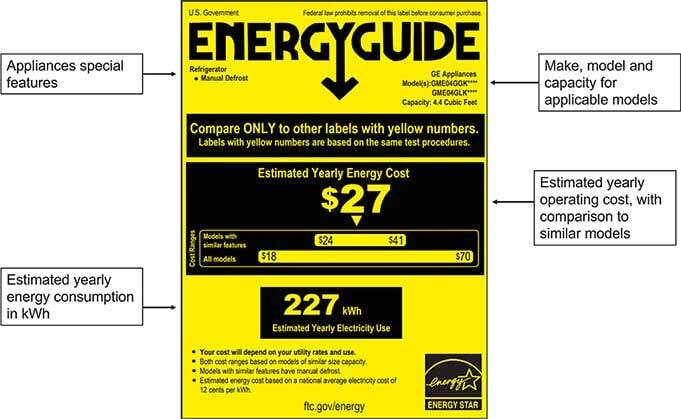
Image Source: www.mediproducts.net
Deciphering Fridge Amperage: What You Need to Know
Your refrigerator is a silent workhorse in your kitchen, keeping your food fresh around the clock. But have you ever stopped to think about its electrical demands? Knowing how much electricity does a fridge use is crucial for managing your energy bills and ensuring your home’s electrical system can handle the load. This guide will break down the typical appliance amperage for refrigerators and freezers, explain the science behind their power consumption, and offer practical tips.
Fridge Wattage: The Foundation of Power Consumption
Before we talk about amps, it’s important to understand fridge wattage. Wattage (W) is the unit of electrical power. Amperage (A), or current, is the rate at which electrical charge flows. Voltage (V) is the electrical potential difference. The relationship between these is simple: Watts = Volts × Amps (W = V × A).
Most household appliances, including refrigerators, operate on a standard 120-volt (V) electrical system in North America. Therefore, if you know the wattage of your fridge, you can easily calculate its amperage.
Formula for calculating Amps from Watts:
Amps (A) = Watts (W) / Volts (V)
For example, if your refrigerator has a wattage of 150W, it will draw:
A = 150W / 120V = 1.25 Amps
This is a simplified view, as the actual power draw can fluctuate.
Refrigerator Power Consumption: More Than Just Running
The refrigerator power consumption isn’t constant. It cycles on and off. The compressor is the main component that uses the most power. When the compressor is running, the fridge is actively cooling. When it’s not running, it’s in a standby mode, using very little electricity.
This cycling is what makes it tricky to pinpoint an exact amperage. You’ll see a steady draw when the compressor is on, and a much lower draw when it’s off. The highest draw occurs when the compressor starts up.
The Startup Surge: Refrigerator Startup Amps
This is where the concept of refrigerator startup amps becomes very important. When the compressor motor starts, it needs a significant surge of power to overcome inertia and begin rotating. This surge can be anywhere from 2 to 3 times the normal running amperage.
So, while a fridge might normally run at 3-5 amps, its fridge current draw during startup could momentarily reach 10-15 amps or even higher for larger or older models. This is often referred to as “inrush current.”
This is why it’s crucial to consider startup amps when planning for appliance loads, especially if you are plugging multiple appliances into a single circuit or considering a generator.
Fridge Amp Draw: What Affects It?
Several factors influence the fridge amp draw:
- Size and Capacity: Larger refrigerators with bigger compressors naturally consume more power. A side-by-side model will generally draw more amps than a top-freezer model of the same age and efficiency.
- Age of the Appliance: Older refrigerators are often less energy-efficient than newer models. Their insulation might have degraded, and their compressors may not be as efficient, leading to higher power consumption.
- Energy Efficiency Rating: Look for ENERGY STAR certified refrigerators. These are designed to use less electricity without sacrificing performance.
- Temperature Settings: If you set your fridge to a colder temperature than necessary, the compressor will run more often, increasing the amperage.
- Door Seals: Leaky door seals allow cold air to escape, forcing the compressor to work harder and longer to maintain the set temperature. This increases refrigerator power consumption.
- Ambient Room Temperature: A refrigerator in a hot kitchen or a room with poor ventilation will have to work harder to stay cool, leading to a higher fridge current draw.
- Defrost Cycles: Automatic defrost cycles heat up the evaporator coils to remove frost. This process temporarily increases power usage, though it’s usually short-lived and accounted for in the overall energy consumption.
- Features: Refrigerators with ice makers, water dispensers, or smart features might have slightly higher power demands due to the extra components.
Freezer Amperage: Similar but Different
The principles for freezer amperage are very similar to those for refrigerators. Freezers also rely on compressors to maintain cold temperatures. The factors affecting their power draw are largely the same: size, age, efficiency, temperature settings, and door seals.
Standalone freezers, especially chest freezers, are often quite efficient because cold air is denser and stays at the bottom, minimizing heat infiltration when the lid is opened. However, larger upright freezers with multiple drawers and features might have a higher amperage than a typical refrigerator.
Typical Freezer Amperage Ranges:
- Small/Medium Chest Freezer: 2-4 Amps
- Large Chest Freezer: 4-6 Amps
- Small/Medium Upright Freezer: 3-5 Amps
- Large Upright Freezer: 5-7 Amps
Remember, these are running amperages. Startup amps can be 2-3 times higher.
Appliance Power Usage: Comparing Your Fridge to Others
To put your fridge’s power needs in perspective, consider the appliance power usage of other common kitchen appliances.
- Microwave: Typically draws 5-10 amps (600-1200 watts).
- Toaster Oven: Can draw 7-12 amps (800-1400 watts).
- Electric Kettle: Often draws 8-10 amps (1000-1200 watts).
- Coffee Maker: Usually draws 5-8 amps (600-1000 watts).
- Dishwasher: Can draw 6-10 amps (700-1200 watts, but only runs intermittently).
- Oven (Electric): A major appliance, drawing 15-25 amps or more when heating.
This comparison highlights that while your refrigerator is a constant consumer of electricity, it’s generally not the biggest single power hog in your kitchen when running continuously, compared to heating appliances like ovens or kettles. However, its 24/7 operation makes its total energy consumption significant.
Fathoming Fridge Power Requirements: What Your Electrical Panel Needs
When you’re thinking about your home’s electrical system, it’s essential to consider the fridge power requirements. Refrigerators are typically plugged into standard 15-amp or 20-amp household circuits.
Standard Household Circuits
Most homes have circuits rated at 15 amps or 20 amps.
- 15-Amp Circuit: This circuit can safely handle a continuous load of about 12 amps (80% of its rating).
- 20-Amp Circuit: This circuit can safely handle a continuous load of about 16 amps (80% of its rating).
A typical refrigerator running at 3-5 amps is well within the safe limits of either a 15-amp or 20-amp circuit.
The Importance of Dedicated Circuits
For critical appliances like refrigerators, it’s often recommended to have them on a dedicated circuit. This means that circuit is solely for the refrigerator (and perhaps a backup fridge or freezer in the garage).
Why a dedicated circuit is beneficial:
- Prevents Overloading: If you plug too many high-draw appliances (like a toaster, microwave, and coffee maker) into the same circuit as your fridge, you could trip the breaker.
- Ensures Reliability: If another appliance on a shared circuit causes a fault, your refrigerator could lose power unexpectedly, leading to food spoilage.
- Handles Startup Surge: A dedicated circuit provides the necessary capacity to handle the refrigerator startup amps without affecting other devices.
Table: Fridge Amperage vs. Circuit Capacity
| Appliance | Typical Running Amps | Typical Startup Amps (Estimate) | Circuit Size Needed (Minimum) |
|---|---|---|---|
| Standard Refrigerator | 3-5 Amps | 10-15 Amps | 15 Amp |
| Large Refrigerator | 5-7 Amps | 15-20 Amps | 15-20 Amp |
| Chest Freezer | 2-4 Amps | 6-12 Amps | 15 Amp |
| Upright Freezer | 3-5 Amps | 10-15 Amps | 15 Amp |
Note: These are general estimates. Always check your appliance’s specifications.
What Happens if Your Fridge is on an Overloaded Circuit?
If your refrigerator is on a circuit that is frequently overloaded, the breaker might trip, cutting power to the fridge and everything else on that circuit. In some cases, especially with older wiring or if the breaker is faulty, it can lead to overheating wires, posing a fire risk.
Choosing the Right Plug and Outlet
Most refrigerators come with a standard three-prong plug. The third prong is a ground wire, essential for safety. Ensure your outlet has a properly grounded connection. Never use an adapter to bypass the grounding pin.
Interpreting Your Fridge’s Label: Finding the Amperage Information
Every refrigerator has a manufacturer’s label, usually found inside the refrigerator compartment or on the back. This label provides vital information about the appliance, including its electrical specifications.
What to Look For on the Label
On this label, you should find:
- Model Number and Serial Number: Used for identification and warranty.
- Voltage (V): Usually 110-120V in North America, or 220-240V in other regions.
- Hertz (Hz): The frequency of the electrical current, typically 60Hz in North America.
- Wattage (W) or Amperage (A): This is the key information. It might list a “Running Wattage” or a maximum amperage draw. Sometimes, it will state “Maximum Amperage” or “Rated Amps.”
How to Calculate Amperage if Only Wattage is Listed
If the label only provides wattage, you can easily calculate the amperage using the formula:
Amps = Watts / Volts
For a 120V appliance with a wattage of 180W:
Amps = 180W / 120V = 1.5 Amps
What if the Label is Unclear?
If the label is damaged, unreadable, or you still can’t find the information, you can:
- Check the Owner’s Manual: The manual often contains detailed specifications.
- Visit the Manufacturer’s Website: Search for your model number online.
- Use a Clamp Meter: This is a tool an electrician uses to measure current without disconnecting wires. It’s the most accurate way to determine the real-time fridge current draw and refrigerator startup amps.
Understanding “EnergyGuide” Labels
The yellow EnergyGuide label, mandated by the U.S. government, primarily focuses on estimated yearly electricity cost and energy consumption (in kWh). While it doesn’t directly state amperage, it gives you a good idea of the refrigerator power consumption in a practical, cost-based metric. A higher estimated annual cost or kWh usage generally implies a higher overall power draw.
Practical Tips for Managing Fridge Power Usage
Now that you have a solid grasp of fridge amp draw and refrigerator power consumption, here are some practical tips:
Optimize Fridge Placement and Environment
- Location Matters: Place your refrigerator away from heat sources like ovens, dishwashers, and direct sunlight. A cooler environment means the compressor runs less.
- Ventilation: Ensure adequate clearance around the refrigerator for airflow. The condenser coils (usually at the back or bottom) need to dissipate heat efficiently. Check your owner’s manual for recommended clearances.
- Keep it Full (but not too full): A moderately full fridge uses less energy than an empty one. The items inside help maintain the cold temperature. However, overstuffing it impedes air circulation.
Maintain Your Refrigerator
- Clean the Condenser Coils: Dust and debris on the condenser coils make the compressor work harder. Clean them at least twice a year.
- Check Door Seals: Ensure the rubber seals around the doors are clean and making a tight seal. You can test this by closing the door on a piece of paper; if you can pull it out easily, the seal is weak and needs cleaning or replacement.
- Set the Right Temperature: Most refrigerators operate best between 35-38°F (1.7-3.3°C) and freezers between 0-5°F (-18 to -15°C). Colder settings use more energy.
Energy-Saving Habits
- Limit Door Openings: Each time you open the door, cold air escapes, and the compressor has to work to replenish it. Think about what you need before opening.
- Cool Food Before Storing: Let hot food cool down before placing it in the refrigerator. Putting hot food in forces the fridge to work harder.
- Use the Refrigerator Light Efficiently: While the light uses minimal power, it does generate a small amount of heat. Ensure the door is fully closed so the light turns off.
- Consider an Appliance Watt Meter: For precise tracking of your fridge’s appliance power usage, plug it into an appliance watt meter. This device will show you the actual wattage and amperage draw in real-time.
When to Consider an Upgrade
If your refrigerator is over 10-15 years old, it’s likely much less energy-efficient than newer models. Replacing an old, power-hungry fridge with an ENERGY STAR certified model can significantly reduce your electricity bills and your carbon footprint. The initial cost of a new fridge can be offset by long-term energy savings.
Frequently Asked Questions (FAQ)
What is the average amperage for a refrigerator?
The average running amperage for a refrigerator is typically between 3 and 5 amps. However, this can vary based on size, age, and efficiency.
Can I plug my fridge into a standard outlet?
Yes, most refrigerators are designed to be plugged into standard 120-volt household outlets, which are usually protected by 15-amp or 20-amp circuit breakers.
How much does it cost to run a refrigerator per month?
The cost depends on your local electricity rates and your refrigerator’s refrigerator power consumption. As a rough estimate, if your fridge uses 150 watts while running and runs about 8 hours a day, that’s 1.2 kWh per day, or about $10-20 per month, depending on your electricity price.
Does a freezer use more amps than a refrigerator?
Generally, freezers are designed to operate at colder temperatures, which can lead to similar or slightly higher power consumption than a refrigerator of comparable size. However, efficient chest freezers can be very economical.
What causes a refrigerator to draw more amps?
Factors like higher ambient temperature, frequent door openings, faulty door seals, dirty condenser coils, and older, less efficient compressors can all cause a refrigerator to draw more amps.
Is it safe to use an extension cord for a refrigerator?
It is generally not recommended to use extension cords for refrigerators, especially for long periods. Refrigerators are designed for direct plug-in. Extension cords can reduce the voltage (voltage drop), overheat, or not be rated for the fridge current draw, potentially damaging the appliance or causing a fire hazard. If an extension cord is absolutely necessary for a short period, ensure it’s a heavy-duty, grounded cord specifically rated for the appliance’s amperage.
How to measure the actual amperage draw of my fridge?
The most accurate way to measure the actual amperage draw is to use a clamp meter. You clamp it around one of the power cords (usually the hot wire) while the appliance is running. This will give you a real-time reading of the fridge current draw.
By understanding these details, you can better manage your home’s energy usage and ensure your refrigerator operates efficiently.