
How many years does an AC compressor last? What is the AC compressor average lifespan? How long should an air conditioner compressor last? Generally, an AC compressor average lifespan is about 10 to 15 years. Some might last longer, perhaps up to 20 years with great care. The HVAC compressor life expectancy depends on many things, like how often you use it, how well it’s kept, and the quality of the unit. Knowing the signs of a failing AC compressor is important. This guide helps you grasp the lifespan of this key part.
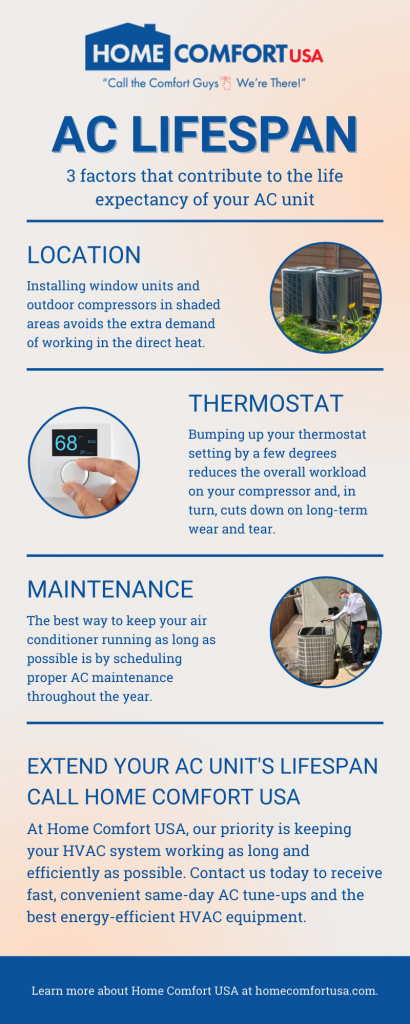
Image Source: www.homecomfortusa.com
Grasping the Heart of Your AC
Think of your air conditioner as a body. The compressor is its heart. It makes the refrigerant move. This refrigerant is a special liquid or gas. It travels through the AC system. It picks up heat from inside your home. Then it moves the heat outside. Without the compressor, your AC cannot cool your house. It is a key, expensive part.
AC Compressor Average Lifespan: What to Expect
Most AC compressors are built to last many years. The typical AC compressor average lifespan falls between 10 and 15 years. This is the common range. Some high-quality compressors can last closer to 20 years. This long life usually needs good care. It also helps if the AC unit was put in right.
The HVAC compressor life expectancy is not a fixed number. It is an estimate. Your specific unit’s life might be shorter or longer. This depends on many factors we will look at. Thinking of 10-15 years is a good starting point.
Table: Typical Lifespans
| Part | Average Lifespan (Years) |
|---|---|
| AC Compressor | 10 – 15 |
| Outdoor Fan Motor | 10 – 15 |
| Indoor Fan Motor | 15 – 20 |
| Condenser Coil | 10 – 15 |
| Evaporator Coil | 15 – 20 |
| Whole AC System | 15 – 20 |
This table shows the AC compressor life expectancy fits within the life of the whole system. Often, when the compressor goes bad, people think about replacing the whole AC. This is because the compressor is so vital and costly to fix or change.
Factors Affecting AC Compressor Longevity
Many things play a part in how long your compressor lasts. Some you can control. Others you cannot. Knowing these factors helps you take steps to make your compressor last longer.
Usage Habits Matter
How often you use your air conditioner affects its life. If you live where it is hot all the time, your AC works hard. The compressor runs more hours each year. This puts more wear and tear on it.
- Constant Use: Running the AC day and night shortens life.
- Cycling: Turning the AC on and off many times a day can stress the compressor.
- Proper Sizing: An AC unit that is too big or too small cycles more often. This is not good for the compressor.
A system that is the right size for your home runs more smoothly. It turns on less often but for longer times. This is often better for the compressor than frequent short cycles.
Keeping it Clean: A Big Factor
Dirt is a major enemy of an AC compressor. Dirty parts make the system work harder.
- Dirty Air Filter: A dirty filter stops air flow. The system fights to pull air through. This makes the compressor work overtime. It can overheat. Change your filter often!
- Dirty Coils: The coils (inside and outside) need to be clean. Dirty coils stop heat from moving well. The compressor has to work harder to cool the air. This extra work wears it out faster.
- Blocked Outdoor Unit: Plants, dirt, or other things blocking the outdoor unit stop air from flowing over the condenser coil. This makes the compressor get too hot.
Regular cleaning and changing filters are simple steps. They add years to your AC compressor life expectancy.
Regular Check-ups by a Pro
Having your AC checked by a trained person is key. These check-ups should happen once a year. A pro can find small problems before they become big ones.
- Catching Issues Early: They can find low refrigerant, bad wires, or dirty parts you can’t see.
- Fixing Small Things: Fixing a small leak or cleaning a coil prevents the compressor from overworking.
- Checking Refrigerant Levels: Low refrigerant is very bad for the compressor. It makes it run hotter and can seize up. A pro checks this and adds more if needed.
These yearly checks are like going to the doctor for your AC. They are one of the best ways of maintaining AC compressor lifespan.
Installation Quality
How your AC system was put in matters a lot. A bad install can cause problems from day one.
- Wrong Refrigerant Amount: Too much or too little refrigerant harms the compressor.
- Poor Wiring: Bad electrical connections can cause the compressor to fail.
- Bad Vacuum: When installing, air and water must be removed from the lines (a vacuum is pulled). If not done right, moisture and air damage the compressor.
- Wrong Sizing: As mentioned before, an improperly sized unit works too hard or cycles too much.
Make sure you use a skilled, trusted company to install your AC. A good install boosts your central air conditioner compressor life.
Electrical Problems
The compressor uses a lot of electricity. Problems with the power supply or within the AC unit’s electrical parts can hurt it.
- Power Surges: Sudden jumps in power can damage the motor inside the compressor.
- Faulty Capacitors: Capacitors help start the compressor. If they are weak, the compressor struggles to start, which can damage it over time.
- Wiring Issues: Loose or corroded wires create resistance, making the compressor work harder and get hot.
Checking electrical parts is part of a good yearly check-up.
The Role of Refrigerant
Refrigerant is vital. It moves heat. If the refrigerant level is wrong, the compressor suffers.
- Low Refrigerant: Causes the compressor to run hot and work harder. It can lead to overheating and failure. Low refrigerant often means there is a leak somewhere.
- Wrong Type of Refrigerant: Using the wrong kind of refrigerant can damage the compressor. Newer units use different types than older ones.
- Refrigerant Contamination: Moisture or dirt in the refrigerant lines can ruin the compressor.
Only a pro should handle refrigerant. They know the right type and amount needed.
The Environment Around the Unit
Where your outdoor unit sits also plays a role.
- Extreme Temperatures: If the outdoor unit is in direct sun all day in a very hot climate, it has to work harder.
- Poor Air Circulation: If the unit is boxed in by walls, fences, or plants, it cannot get enough air. This makes it overheat.
- Salt Air: If you live near the coast, salt in the air can corrode parts of the outdoor unit and its electrical parts.
Keep the outdoor unit clear of plants and debris. Make sure it has good air flow around it.
Manufacturing Defects
Sometimes, a compressor simply has a defect from the factory. These can fail much sooner than expected. This is less common but does happen. A warranty can help in this case if it happens early on.
Vibrations
Excessive vibration can loosen parts and put stress on the compressor over time. Make sure the outdoor unit sits on a level pad. Loose fan blades or other parts can cause vibration.
Signs of a Failing AC Compressor
How do you know if your compressor is starting to go bad? There are clear signs. Catching them early might save it, or at least prepare you for replacement. Recognizing these signs helps you know when to replace AC compressor or call for repair.
- The AC is Not Cooling: This is the most basic sign. The system runs, but the air is not cold. The compressor might be running but not pumping refrigerant, or not running at all.
- Strange Noises: Compressors make some noise, but sudden loud or weird sounds are bad.
- Clicking: Might be an electrical issue trying to start the compressor.
- Grinding or Rattling: Means a part inside is broken.
- Loud Humming: The motor is trying to run but cannot start.
- Tripping the Circuit Breaker: If your AC keeps shutting off power to that circuit, the compressor might be drawing too much power because it’s failing.
- The Outdoor Unit is Shaking: Excessive vibration means something is wrong inside the unit, possibly the compressor or fan motor.
- Leaking Fluid: While leaks can be other things, sometimes refrigerant leaks near the compressor signal a problem. Refrigerant is a liquid or gas; a fluid leak is often water (condensation), but low refrigerant causes other issues.
- The Unit Won’t Start: You turn on the AC, but nothing happens outside. The compressor might be seized or have an electrical fault.
- High Energy Bills: If your bills jump up without changing how you use your AC, the compressor might be working inefficiently, trying harder to cool.
If you see any of these signs, it is time to call an HVAC professional. They can tell you exactly what is wrong. These are common causes of AC compressor failure becoming clear.
Common Causes of AC Compressor Failure
Compressors fail for several key reasons. Most relate to the factors that affect their life.
- Overheating: This is a very common cause. It can happen from dirty coils, low refrigerant, poor air flow, or running in very hot conditions without good cooling.
- Electrical Issues: Faulty wiring, bad capacitors, power surges, or problems with the motor windings can stop the compressor from working or burn it out.
- Liquid Floodback: This is when liquid refrigerant gets into the compressor instead of only gas. Compressors are designed to pump gas, not liquid. Liquid entering can break internal parts. This often happens if the system has too much refrigerant or is sized wrong.
- Slugging: Similar to liquid floodback, this is when oil mixed with liquid refrigerant enters the compressor. Oil should mostly stay in the crankcase.
- Lack of Lubrication: The compressor needs special oil to run smoothly. If the oil level is low or the oil is contaminated, parts rub and wear out fast. This can seize the compressor. Low refrigerant can also affect oil return, causing lubrication issues.
- Contamination: Dirt, moisture, or acids getting into the refrigerant system can damage the compressor’s internal parts and break down the oil.
- Wear and Tear: Over many years of running, parts inside the compressor motor and pump simply wear out. This is natural age, but poor maintenance speeds it up.
- Wrong Sizing: A compressor in an oversized unit cycles on and off too much. In an undersized unit, it runs constantly and might overheat. Both shorten its life.
Knowing these common causes of AC compressor failure helps you see why maintenance is so important. Many failures can be prevented.
Maintaining AC Compressor Lifespan
You can do things to help your compressor last as long as possible. These steps are part of good AC care. They protect your investment and improve your central air conditioner compressor life.
- Change Your Air Filter Regularly: This is simple but huge. Check your filter every month. Change it when it looks dirty. For most homes, this means changing it every 1-3 months. A clean filter means easy air flow.
- Keep the Outdoor Unit Clean: Clear away grass, weeds, leaves, and other debris from around the outdoor unit. There should be at least 2 feet of space on all sides and above the unit for good air flow. Gently rinse the outer fins with a hose to remove dirt, but be careful not to bend the fins.
- Schedule Yearly Professional Maintenance: This is the most important step. Have an HVAC technician check your system every spring before you need AC. They clean coils, check refrigerant, look for electrical issues, and find other problems. This is the core of maintaining AC compressor lifespan.
- Listen to Your System: Pay attention to how your AC sounds and feels. If you hear new noises or the cooling isn’t as good, call for service soon. Don’t wait until it stops working completely.
- Do Not Constantly Adjust the Thermostat: Picking a comfortable temperature and leaving it there is often better than changing it up and down a lot. Constant changes make the compressor cycle more. Using a programmable or smart thermostat can help manage temperature changes efficiently, often by making changes slowly or when you’re not home.
- Check for Leaks Early: If you see water pooling around the indoor unit (not the normal condensation from the drain line), it could mean a problem that might affect the system’s pressure and indirectly the compressor.
- Consider a Surge Protector: Just like you use them for computers, a surge protector for your AC unit can protect the compressor motor from power spikes.
Following these maintenance tips is key to getting the most years out of your compressor. It directly impacts your central air conditioner compressor life.
When to Replace AC Compressor
Knowing the signs is one part. Deciding when to replace AC compressor is another. It is a big decision, often based on cost and the age of the unit.
- The Compressor Failed: If a technician confirms the compressor is broken and cannot be fixed, replacement is necessary.
- The Unit is Old: If your AC system is already 10-15 years old and the compressor fails, replacing the compressor might not be the best choice.
- High Repair Cost: Replacing a compressor is expensive. It can cost a big part of what a new AC system costs.
- Frequent Problems: If your AC has needed many repairs recently, the compressor might be just one part of a failing system.
- Inefficiency: An old compressor might still run but not cool well or use too much energy. If your energy bills are high, even if it’s not broken, it might be time.
A technician can help you decide. They will look at the age of your whole system, the repair cost, and the unit’s overall condition.
AC Compressor Replacement Cost
Replacing an AC compressor is one of the most expensive AC repairs. The AC compressor replacement cost varies a lot. It depends on:
- Type of AC Unit: Central air, heat pump, size (tonnage) of the unit.
- Type of Compressor: Different compressors cost different amounts.
- Warranty Status: If the compressor is still under warranty, you might only pay for labor and other parts.
- Labor Costs: Hourly rates for technicians vary by location.
- System’s Refrigerant Type: Older R-22 refrigerant is costly and hard to find. Units using it cost more to service or replace.
- Other Parts Needed: Often, other parts like the filter dryer must be replaced at the same time.
Table: Estimated AC Compressor Replacement Cost
| Item | Estimated Cost Range ($) | Notes |
|---|---|---|
| Compressor Part Only | $600 – $2,000+ | Varies by size and type |
| Labor | $400 – $1,500+ | Depends on complexity and time needed |
| Refrigerant (if needed) | $100 – $600+ | R-22 is much more expensive than R-410A |
| Other Parts (Filter Dryer, etc.) | $100 – $300+ | Standard part replacements |
| Total Replacement Cost | $1,000 – $3,000+ | Can go higher for large or complex units |
Note: These are rough estimates. Get quotes from local HVAC companies.
Compare this cost to replacing the whole AC system. A new central AC system can cost $3,000 to $7,000 or more, depending on size and type. If your system is old, paying $2,000-$3,000+ to fix a part might not be worth it. The old system might have other parts that will fail soon too.
Replacing the Compressor vs. Replacing the Whole System
This is a common question when the compressor fails.
Reasons to Replace ONLY the Compressor:
- System is Young: The AC unit is less than 10 years old.
- Compressor is Under Warranty: You only pay labor and small parts.
- Rest of the System is in Great Shape: Coils are clean, fan motors are strong, no other known issues.
- Budget is Tight: Replacing the compressor is cheaper in the short term.
Reasons to Replace the WHOLE System:
- System is Old: Over 10-15 years old. Its central air conditioner compressor life is likely nearing its end anyway, along with other parts.
- Compressor is NOT Under Warranty: You pay full price for the part and labor.
- High AC Compressor Replacement Cost: The repair cost is 50% or more of the cost of a new system.
- System Uses R-22 Refrigerant: This old type is being phased out. It’s costly to service. A new system uses modern, cheaper refrigerant.
- System is Inefficient: Newer systems are much more energy efficient. Replacing saves money on power bills over time.
- Other Parts Are Failing: If the system has had many repairs, fixing the compressor might lead to another breakdown soon.
- Desire for Better Cooling/Features: A new system offers better performance, quieter operation, and smart features.
Most HVAC pros recommend replacing the whole system if the compressor fails on a unit older than 10 years. The money you spend on a new compressor might be better put towards a new, more efficient system with a fresh warranty.
Deciphering Your AC’s Lifespan
Summing up, an AC compressor average lifespan is usually 10 to 15 years. This is the heart of your central air conditioner. Its life depends heavily on how well it is kept. Factors affecting AC compressor longevity include how much it’s used, cleanliness, regular checks, good installation, and electricity quality.
Signs of a failing AC compressor include no cool air, strange noises, and tripping breakers. Common causes of AC compressor failure range from overheating and electrical faults to contamination and simple old age.
You can help by maintaining AC compressor lifespan through changing filters, keeping the unit clean, and getting yearly check-ups. When deciding when to replace AC compressor, weigh the AC compressor replacement cost against the age of your unit and the cost of a new system. Often, replacing an old unit with a bad compressor is the smarter long-term move.
Taking good care of your AC helps its compressor last longer. This saves you money and keeps you cool for many years.
Frequently Asked Questions
h4: How often does an AC compressor need maintenance?
h5: Does my compressor need regular service?
Yes, the compressor is checked during your yearly AC system maintenance. A qualified technician should service your whole AC unit once a year, ideally before the cooling season starts. They check the compressor as part of this service. This is key for maintaining AC compressor lifespan.
h4: Can I add refrigerant myself if my AC is not cooling?
h5: Is adding AC refrigerant a DIY task?
No, you should never add refrigerant yourself. Refrigerant must be handled by licensed professionals. It is not like adding gas to a car. The system needs to be the right amount, and the type must be correct. If your system is low on refrigerant, it means there is a leak. A pro must find and fix the leak before adding more refrigerant. This protects the environment and prevents damage to the compressor. Low refrigerant is a common cause of AC compressor failure.
h4: What is the loudest part of my outdoor AC unit?
h5: Which AC part makes the most noise outside?
Usually, the compressor is the loudest part of the outdoor unit when it is running. It makes a humming or low vibrating sound. If you hear new, louder, or strange noises, it can be one of the signs of a failing AC compressor.
h4: If my AC unit is old, is it better to repair or replace the compressor?
h5: Should I fix the compressor on an old AC?
If your AC system is older than 10 years, and the compressor fails, it is usually better to replace the whole system. The AC compressor replacement cost is high. On an old unit, other parts are also old and might fail soon. A new system will be more energy efficient, saving you money on power bills over time, and comes with a new warranty. This extends your central air conditioner compressor life cycle with a fresh start.
h4: Does turning my AC on and off a lot hurt the compressor?
h5: Is it bad to cycle my AC frequently?
Yes, frequent starting and stopping (cycling) makes the compressor work harder. It puts stress on the motor and electrical parts each time it starts. This is why setting a temperature and letting the unit run until it reaches it is often better than turning it off when you leave and back on when you return. Smart thermostats can manage temperature changes more gently.
h4: Can a power surge damage my AC compressor?
h5: Are AC compressors affected by power surges?
Yes, absolutely. Power surges, lightning strikes, or even problems with the power supply to your home can seriously damage the electrical components and motor inside the compressor. Installing a surge protector specifically for your AC unit can help protect it.
h4: How does filter changing affect the compressor?
h5: Why change the AC filter for the compressor?
A dirty air filter blocks air flow to the indoor coil. This makes the entire system, including the compressor, work much harder to cool your home. Reduced air flow can cause the indoor coil to freeze up, leading to liquid refrigerant returning to the compressor (liquid floodback), which is very damaging. Regular filter changes are a simple but critical part of maintaining AC compressor lifespan.
h4: What happens if my AC compressor is too hot?
h5: Is compressor overheating dangerous?
Yes, overheating is one of the main reasons AC compressors fail. It breaks down the internal lubrication (oil) and can cause the motor windings to burn out or seize the moving parts. Overheating can happen due to low refrigerant, dirty coils, poor air flow, or electrical problems.
h4: Is the compressor part of the indoor or outdoor unit?
h5: Where is the AC compressor located?
The AC compressor is located in the outdoor unit of your central air conditioning system. This is also called the condenser unit.
h4: How much energy does the compressor use?
h5: Is the compressor a big energy user?
Yes, the compressor uses the most electricity of any part in your AC system. It is the main component that draws significant power to do the work of compressing the refrigerant. An old or failing compressor can become very inefficient and use even more power.
h4: How can I tell if my central air conditioner compressor life is ending?
h5: What are late signs of an aging compressor?
Late signs often overlap with signs of failure but might happen on an older unit. This includes the unit running constantly but not cooling well, needing more frequent repairs, making loud or unusual noises regularly, or higher-than-normal energy bills for cooling. These point towards when to replace AC compressor soon.
h4: Does the size of my AC unit matter for compressor life?
h5: Does AC size impact how long the compressor lasts?
Yes, the size of your AC unit in relation to your home’s size matters. An oversized unit cools the home too quickly and cycles on and off too often, stressing the compressor. An undersized unit runs almost constantly trying to keep up, leading to wear and tear and potential overheating. Proper sizing is important for good central air conditioner compressor life.