
When you plug in a refrigerator, especially a new one, you want to know how fast it will get cold inside. How long does it take for a fridge to get cold after plugging it in? For a new refrigerator setup, you can expect it to start feeling cool within a few hours. However, it usually takes about 12 to 24 hours for the fridge to reach its optimal refrigerator temperature and be cold enough to safely store food. The freezer section, in particular, will take longer to get truly frozen.
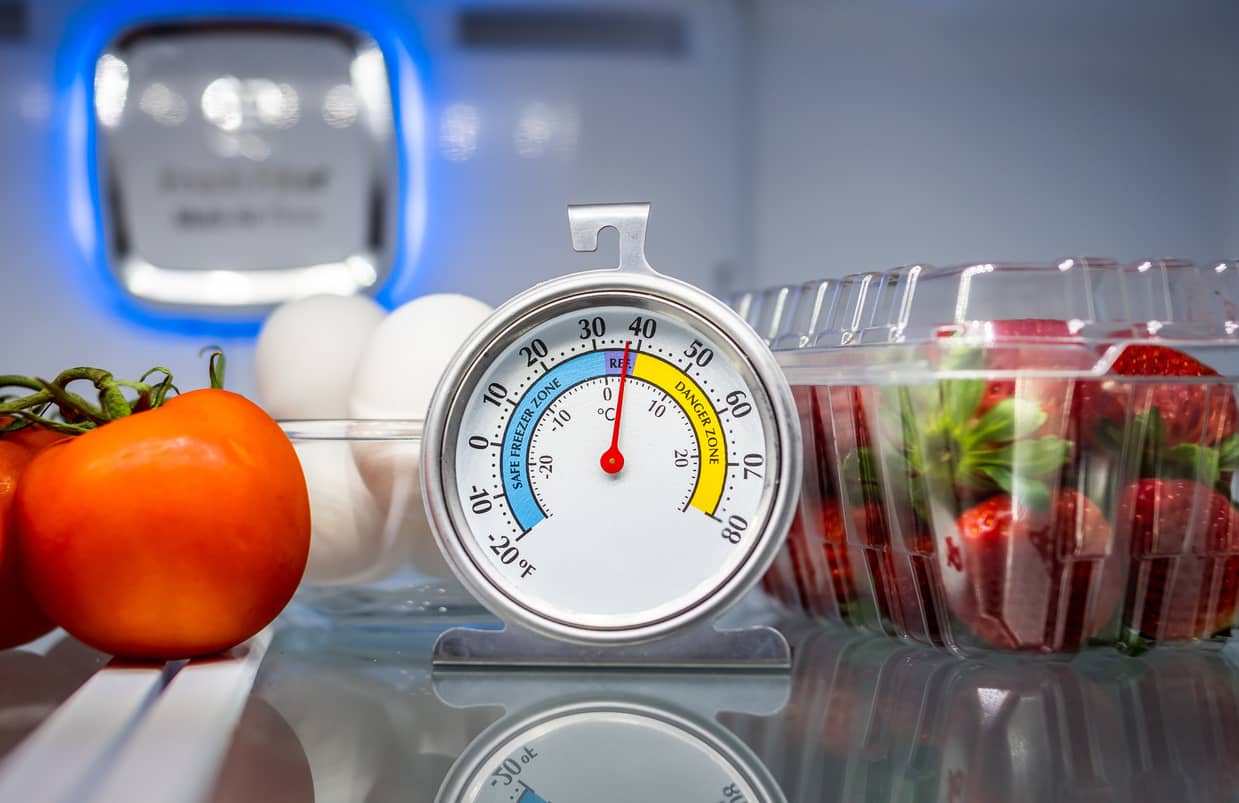
Image Source: boggsinspect.com
Starting with a New Refrigerator Setup
Setting up a new fridge is easy but needs some steps. These steps help the fridge work right from the start. They also help it cool down properly.
Unpacking Your New Fridge
First, take off all the packing stuff. Remove tape, foam, and plastic wrap. Open the doors. Look inside and take out shelves and drawers. Check for tape or foam holding them in place.
Cleaning the Inside
It’s a good idea to clean the inside before you use it. Use warm water and a little mild soap. Wipe the walls, shelves, and drawers. Rinse with clean water. Then, dry everything well. This gets rid of any factory smell or dust.
Picking the Right Spot
Where you put the fridge is important. Pick a place away from heat sources. These are things like ovens, stoves, or direct sunlight. Heat makes the fridge work harder to cool down. Make sure there is space around the fridge. The fridge needs air to flow around it. This airflow helps the motor and coils cool down. Check your fridge manual for how much space is needed. Usually, a few inches on the sides and back are good.
Leveling the Fridge
Your fridge should be level. Most fridges have legs or wheels you can turn. Use a level tool to check. If the fridge is not level, the doors might not close right. If doors don’t seal, cold air can escape. This makes the fridge work too hard. It also takes longer to get cold. Turn the legs up or down until the fridge is level.
Letting the Fridge Settle
After you move a fridge, you should wait before plugging it in. This is important if the fridge was not kept upright. The oil in the compressor needs time to settle back into place. Plugging it in too soon can hurt the compressor. Most makers say wait at least 4 hours. Some say 24 hours. Check your fridge manual to be sure. This waiting time is part of a good new refrigerator setup.
Fridge Cooling Time After Plugging In
Once you plug in the fridge and turn it on, it starts working. You will likely hear a hum. This is the compressor starting. The compressor is the heart of the cooling system. It pumps a special liquid or gas called refrigerant.
How Cooling Starts
The refrigerant moves through coils inside the fridge. It takes heat from inside the fridge box. Then, it moves that heat outside the box. This makes the inside get colder. At the same time, the outside of the fridge (especially the back or sides near the coils) might feel warm. This is normal. It means the fridge is moving heat out.
The First Few Hours
In the first 2 to 6 hours, you should feel a change. The inside air will feel cool to your hand. It won’t be at the final cold temperature yet. But you will know it is trying to get cold. The freezer section might feel cold faster than the main fridge part.
Reaching Safe Temperatures
Getting down to safe food storage temperatures takes longer.
The main fridge part needs to get to about 35°F to 40°F (1.7°C to 4.4°C).
The freezer needs to get to 0°F (-18°C) or lower.
For the fridge section to reach its target temperature, it usually takes about 12 hours. Sometimes it can take up to 24 hours. For the freezer section, it often takes the full 24 hours or even a bit longer to get very cold and start freezing things.
Why the Time Varies
The exact fridge cooling time after plugging in can change. Many things affect it. We will look at these factors later. But generally, plan for half a day to a full day before the fridge is ready for a lot of food.
Finding the Best Temperature
To keep food safe and fresh, the temperature must be right. The optimal refrigerator temperature range is between 35°F (1.7°C) and 40°F (4.4°C). Many people aim for 37°F (3°C). This range keeps bacteria from growing fast.
For the freezer, the optimal temperature is 0°F (-18°C) or colder. This keeps food frozen solid.
Checking the Temperature
How do you know the temperature inside? Don’t trust the number you set on the dial or digital display right away. These are often just settings, not the exact temperature. The best way is to use a refrigerator temperature gauge.
You can buy a simple thermometer made for fridges and freezers. Put one thermometer in the main fridge section. Put another in the freezer section. Place them in the middle of the compartment, not too close to the back wall or vents. Leave them there for several hours, maybe overnight. Then, check the temperature reading.
Adjust your fridge’s setting dial or buttons. If it’s too warm, turn the setting to a colder number. Wait another 12-24 hours and check the temperature gauge again. Keep doing this until the thermometer shows the correct temperature range. Once the gauge shows the right temp, you can trust the setting you chose.
How Long for Freezer to Cool Down
The freezer is designed to get much colder than the fridge. Because of this, it takes longer to reach its target temperature. The freezer needs to drop to 0°F (-18°C). The fridge only needs to get down to around 37°F (3°C). That is a big temperature difference.
When you first plug in the fridge/freezer unit, the cooling system works to bring down the temperature in both parts. But it focuses on getting the freezer very cold. The colder temperature requires more energy and time.
Expect the freezer to take at least 12 hours to get significantly cold. But for it to reach the deep freezing temperature of 0°F (-18°C) or below, it commonly takes 24 hours. Do not put fresh food that needs to freeze right away into a freezer that has not been running for at least 24 hours. Putting food in too soon can make the freezer work too hard and might not freeze the food safely or quickly enough.
Factors Affecting Fridge Cooling
Many things can change how fast a fridge gets cold. If your fridge seems slow to cool, check these factors.
Room Temperature
The temperature outside the fridge matters a lot. If your kitchen is very hot, the fridge has to work much harder. It has to fight against the warm air trying to get inside. This makes the cooling process slower. A fridge in a cool basement will cool down faster than one in a hot garage or a very warm kitchen. The ideal room temperature for a fridge to work best is between 60°F (16°C) and 80°F (27°C).
How Full the Fridge Is
Putting warm food into a fridge makes the temperature go up inside. If you put a lot of warm food in a new fridge before it is fully cold, it will take much longer to cool down. It’s best to let the fridge get cold first. Then, add food gradually.
Once the fridge is cold, having some food inside actually helps keep it cold. Cold food items help absorb warm air when the door is opened. But don’t overfill it. Too much food blocks airflow inside. Cold air needs to move around to keep everything cool.
How Often the Door Is Opened
Every time you open the fridge door, cold air escapes. Warm air from the room goes in. The fridge then has to work to cool that warm air down again. If you open the door many times, or leave it open for a long time, the fridge will take much longer to get cold. This is why it’s good to know what you want before opening the door. Close it quickly.
Size and Type of Fridge
A small mini fridge will usually cool down faster than a large side-by-side refrigerator. Smaller spaces cool quicker. Also, different types of fridges have different cooling systems. Some might be more powerful or efficient than others. A very large fridge with many features (like ice makers, water dispensers) might take a bit longer initially.
Condition of the Fridge
For an older fridge, its condition matters. Dirty coils (on the back or bottom) make the fridge less efficient. The fridge works harder and takes longer to cool. If seals around the door are bad, cold air leaks out. This means the fridge runs constantly but doesn’t get cold enough. A new fridge should not have these issues, but it’s good to know for later.
Power Supply
Make sure the fridge is plugged directly into a working wall outlet. Do not use extension cords if possible. An extension cord might not give enough power. This can affect how well and how fast the fridge cools. Check that the outlet has power.
Time to Load Food Into New Fridge
You have waited for several hours, perhaps even a full day. The fridge feels cold. The freezer feels very cold. When is it safe to put food inside?
You should wait until the refrigerator temperature gauge you put inside shows the safe temperatures.
- Fridge section: 35°F to 40°F (1.7°C to 4.4°C)
- Freezer section: 0°F (-18°C) or colder
Once these temperatures are reached and stable, you can start adding food.
Adding Food Slowly
Don’t put all your food in at once, especially if it’s a large amount or if some of it is at room temperature. Add food in stages over a few hours. This helps the fridge keep its temperature steady. Put items that need to be coldest (like meat and dairy) in first, once the temperature is correct. For the freezer, wait until it’s well below 0°F (-18°C) before loading items you want to freeze solid.
What if I Add Food Too Soon?
If you load food before the fridge is cold enough, a few things can happen:
* The food might not cool down fast enough. This could allow bacteria to grow, making the food unsafe.
* The fridge will have to work extra hard. This can stress the cooling system.
* It will take even longer to reach the correct temperature.
So, patience is key. Waiting the recommended 12-24 hours, or until your thermometer confirms the temperature, is the safest way to go.
Mini Fridge Cooling Time
Mini fridges are popular for dorm rooms, offices, or extra storage. How long do they take to get cold?
A mini fridge is smaller and has less space to cool. Because of this, it usually gets cold faster than a full-size fridge.
You can often feel the inside getting cool within 1 to 2 hours. To reach a safe food temperature (around 35-40°F), a mini fridge might take only 2 to 4 hours. The freezer part (if it has one) will take longer, maybe 4 to 8 hours to get really cold, but often not as cold as a regular freezer (it might only get down to 10-20°F / -12 to -7°C).
However, just like big fridges, the cooling time depends on factors:
* Room temperature (a hot room slows it down).
* Is it empty or full? (Empty cools faster).
* Was it just moved? (Wait an hour before plugging in).
Even though mini fridges cool faster, it’s still a good idea to wait until it feels very cold before loading it with food that can spoil easily. If you can use a small refrigerator temperature gauge, that’s the best way to be sure.
Troubleshooting Fridge Cooling Issues
Sometimes, even after waiting, your fridge might not be getting cold enough. This can be worrying because food safety is at risk. Here are some common troubleshooting fridge cooling issues and what to check.
Fridge Not Getting Cold Enough: Basic Checks
If your fridge is not cooling properly, go through this list:
- Is it Plugged In? (Sounds simple, but check the plug and the outlet).
- Is the Power On? Some fridges have a power switch inside.
- Is the Temperature Setting Right? Make sure the dial or digital control is set to a cold setting, usually the middle or higher number.
- Is the Door Closed Properly? Check that nothing is blocking the door. Make sure the door seal (gasket) is clean and not damaged. A bad seal lets cold air out. Test it by closing the door on a piece of paper. If you can pull the paper out easily, the seal might be bad.
- Is There Enough Space Around the Fridge? Make sure there is air flow around the coils (usually at the back or bottom). Check your manual for needed space.
- Are Vents Inside Blocked? Cold air comes from vents inside the fridge and freezer. Make sure food items are not blocking these vents. Air needs to circulate.
- Is it Defrosting? Some fridges go through defrost cycles. During this time, the cooling stops briefly. This is normal. But it should start cooling again soon.
- Are the Coils Clean? If the condenser coils (often on the back or underneath) are covered in dust and dirt, the fridge can’t get rid of heat well. This makes it run poorly and not get cold enough. You might need to clean them (unplug the fridge first!).
More Complex Issues (When to Call a Pro)
If you checked the basic things and the fridge still isn’t getting cold, there might be a bigger problem. These need a repair person:
- Faulty Compressor: The compressor makes a humming sound when working. If you hear no sound, or a strange loud noise, the compressor might be bad.
- Problem with the Fan: There is a fan inside the freezer that blows cold air into the fridge. If this fan isn’t working, the freezer might be cold but the fridge section will be warm.
- Refrigerant Leak: If the cooling system has a leak, the fridge won’t get cold. This needs a trained technician to fix.
- Defrost System Problem: If the freezer coils get covered in too much ice, air cannot flow. This can make the fridge warm even if the freezer seems okay (but full of ice). The defrost system should prevent this ice buildup. If it fails, a service call is needed.
- Control Board Problem: The electronic control board tells the fridge parts what to do. If it fails, the fridge won’t cool right.
If your fridge is not getting cold enough after doing basic checks, especially if it’s a newer fridge, it’s best to call for service. Don’t try to fix complex internal parts yourself.
How Adding Food Changes Things
Adding food, especially lots of warm food, puts a load on the cooling system. The fridge has to remove the heat from the food and the air.
Imagine putting a pot of hot soup into the fridge. That soup has a lot of heat energy. The fridge has to use its power to cool the soup down. This takes time and makes the inside temperature rise before it cools back down.
This is why it’s important to let a new fridge get to its cold temperature before loading it. And when you do load it, especially after grocery shopping, try not to stuff it full of warm items all at once. Let items cool a bit on the counter first (if safe for that food type), or add them to the fridge over an hour or two.
Using a refrigerator temperature gauge helps here too. After you load food, check the gauge after a few hours. Make sure the temperature is staying in the safe zone. If it goes up too high, you might have added too much warm food at once.
Table of Estimated Cooling Times
Here is a simple table showing estimated times. These are just guides. The actual time can be different for your fridge.
| Fridge Type | Feeling Cool (Hours) | Reach Fridge Temp (35-40°F) (Hours) | Reach Freezer Temp (0°F) (Hours) | Time Before Loading Food (Hours) |
|---|---|---|---|---|
| Mini Fridge | 1 – 2 | 2 – 4 | 4 – 8 (Often warmer) | 4 – 8 |
| Standard Fridge | 2 – 6 | 8 – 12 | 12 – 24 | 12 – 24 |
| Large Side-by-Side | 4 – 8 | 12 – 24 | 18 – 36 | 24 |
Remember, these are estimates. Always check with a refrigerator temperature gauge for safety.
Getting to Know Your Fridge’s Quirks
Every fridge is a little different. A new fridge needs time to settle in and show how it works. You might notice the motor running more often at first. This is normal. It’s working hard to pull the temperature down.
Over time, the motor will run less often. It will just run to keep the temperature steady. Listening to your fridge can help you know if it’s working right. A constant loud hum might mean it’s struggling. Very little noise might mean it’s not running when it should be.
Checking the temperature with your gauge regularly for the first few days is smart. This makes sure the fridge is keeping food safe.
Preserving Energy While Cooling
While waiting for your fridge to cool, you can also help save energy:
- Keep the Doors Closed: Avoid opening the doors just to “check if it’s cold yet.” Every opening wastes energy.
- Ensure Proper Sealing: Double-check that doors are closing fully and the seals are tight.
- Good Placement: Make sure it’s not too close to a wall or other appliance that blocks airflow or gives off heat.
- Clean Coils: If you are comfortable doing it, check and clean the condenser coils after a few months (unplug first!).
A fridge that cools down well initially is more likely to run efficiently later.
What to Do After 24 Hours
After waiting 24 hours, your fridge and freezer should be at their target temperatures. Use your refrigerator temperature gauge to confirm this.
- If the temperatures are correct, you can be confident in loading the rest of your food. Try not to overload it. Leave space for air to move.
- If the temperatures are still too warm, check the basic troubleshooting steps again (door seal, vents, setting, space around fridge). If those look fine, and the fridge is still not cooling after 24-36 hours, there might be a problem needing repair.
Final Thoughts on Cooling Time
Waiting for a new fridge to get cold can feel slow. But it’s an important part of the new refrigerator setup. Giving it enough time ensures it reaches safe temperatures for food. This protects your food and your health.
Most fridges take 12 to 24 hours to be fully cold and ready. Freezers take the full 24 hours or more. Using a refrigerator temperature gauge is the best way to know for sure. Be patient, check the simple things if it seems slow, and enjoy your properly cooled fridge!
Frequently Asked Questions (FAQ)
Q: Can I put food in my new fridge after only a few hours?
A: It’s best to wait until the fridge reaches its safe temperature range, which usually takes 12-24 hours. Putting food in too soon, especially items that need to be kept very cold or frozen, can be unsafe and make the fridge work harder. Use a thermometer to check first.
Q: My new fridge feels cool, but the freezer isn’t freezing. Is this normal?
A: Yes, this can be normal at first. The freezer takes longer to get to its much colder temperature (0°F or below) compared to the fridge section (35-40°F). Give it the full 24 hours before expecting the freezer to be fully working.
Q: How can I make my fridge cool down faster?
A: You can’t force it much faster. Make sure it’s placed correctly with good airflow, the door is sealed and closed, and the room isn’t too hot. Don’t put warm food inside until it’s cold. These steps help it cool as efficiently as possible.
Q: Do I need a special thermometer for my fridge?
A: Yes, a thermometer made for refrigerators and freezers is best. They are designed to work in cold, sometimes moist, conditions. This is the most reliable way to know the actual temperature inside, rather than trusting the dial setting alone.
Q: What is the optimal temperature for a refrigerator?
A: The main fridge section should be between 35°F (1.7°C) and 40°F (4.4°C). The freezer section should be 0°F (-18°C) or colder.
Q: My fridge is running constantly and not getting cold. What’s wrong?
A: Check simple things first: door seal, vents inside, space around the fridge, and if the coils are clean. If these seem fine, it could be a more serious issue like a fan problem, refrigerant leak, or compressor issue. These need a professional repair technician.
Q: How long should I wait after moving a fridge before plugging it in?
A: If the fridge was not kept upright the whole time, you should wait for the oil in the compressor to settle. Most manufacturers recommend waiting at least 4 hours, and many suggest 24 hours to be safe. Check your specific fridge manual.
Q: Is it okay to put hot food in the fridge to cool it down?
A: No, you should cool food down on the counter first (to room temperature or slightly above, following food safety guidelines for how long food can be left out). Putting hot food in the fridge raises the temperature inside, making other food items warmer and forcing the fridge to work harder. It also takes a long time to cool down hot food, which can be unsafe.