
When you plug in a refrigerator for the first time, or after moving it, you need to know how long to wait before putting food inside. So, how long for fridge to cool down? A refrigerator typically takes about 4 to 24 hours to reach a safe temperature for storing food. A freezer takes a similar amount of time to get cold enough. This can vary based on many things. It’s very important to wait the full time. Putting food in too soon can cause problems. The ideal fridge temperature is usually set between 35°F and 40°F (1.7°C and 4.4°C). The freezer should be 0°F (-18°C) or lower.
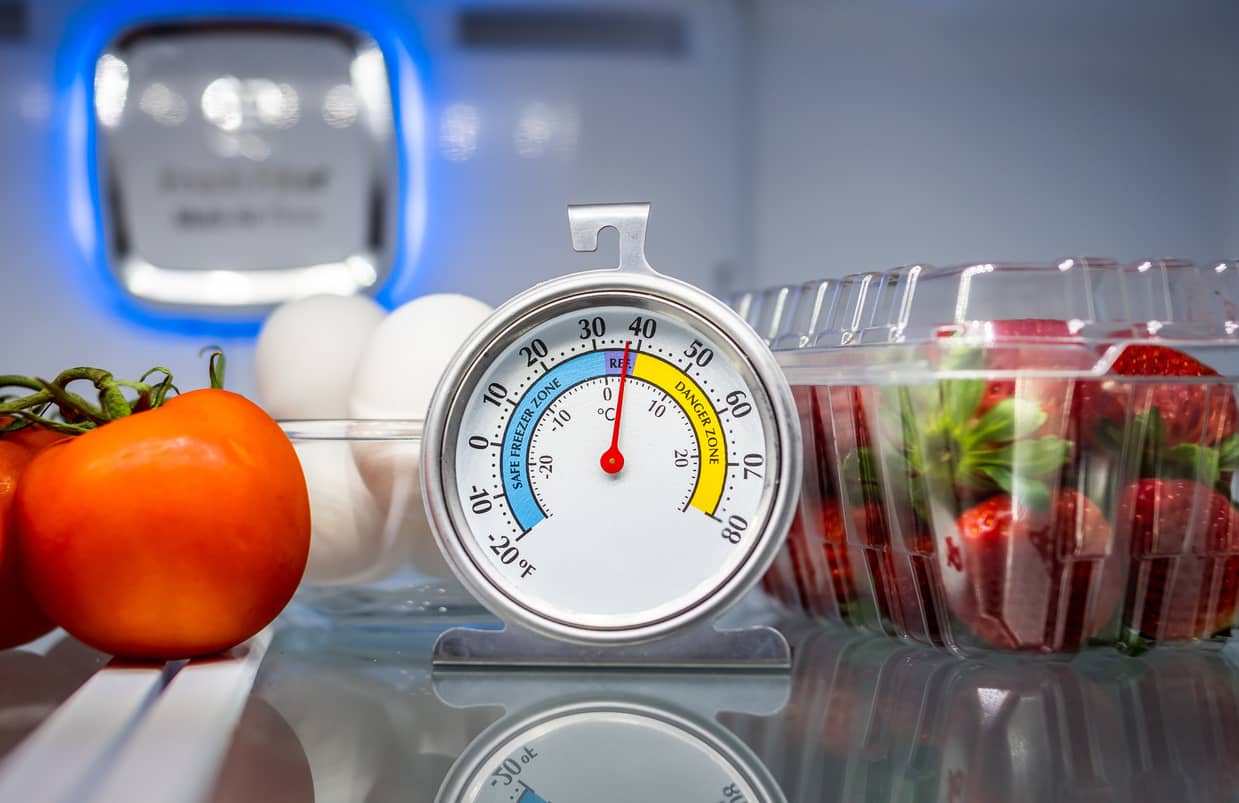
Image Source: boggsinspect.com
The First Time Your Fridge Gets Cold
Plugging in a new refrigerator is exciting. It is a big appliance for your home. But you can’t just plug it in and fill it up. You must let it work to get cold first. This first time plugging in refrigerator cool down takes work. The fridge needs to push out the warm air inside. It needs to cool down all the parts. This takes time and energy.
What Happens Inside When It Starts
Think of your fridge as a sealed box. It has a cooling system. This system uses a special liquid, called a refrigerant. When you plug in the fridge, the compressor starts. This is like the heart of the cooling system.
- Compressor Starts: It pumps the refrigerant.
- Refrigerant Flows: The liquid goes through coils.
- Heat is Taken Out: Inside the fridge, the liquid turns into a gas. This takes heat away from the air and walls.
- Heat Goes Outside: The hot gas flows to coils on the outside of the fridge. It releases the heat there. This is why the sides or back feel warm.
- Gas Turns Back to Liquid: The gas cools down and turns back into a liquid.
- Cycle Repeats: This cycle goes on and on. It keeps taking heat from the inside and moving it outside.
This process needs time to bring the inside temperature down from room temperature to a safe cold temperature. This is what we mean by new refrigerator cooling time.
How Long Does It Really Take?
There is no single answer for how long your fridge will take to cool. It depends on several things. But we can give a general idea.
- For the main fridge section: It usually takes 4 to 8 hours to feel cold. You might open the door and feel the chill.
- For the freezer section: This part needs to get much colder. It can take 8 to 12 hours to feel very cold. It needs to get to 0°F (-18°C) or lower.
- To be completely safe for food: Most experts say wait 24 hours. This makes sure the temperature is stable. It means the fridge has reached its optimal temperature range. This is the safest time frame, especially for a first time plug-in.
Grasping What Changes the Cool Down Time
Many things can make your fridge cool down faster or slower. Knowing these helps you know what to expect. These are the main factors affecting fridge cool down.
Where the Fridge Is Placed
The room where you put your fridge matters a lot.
- Room Temperature: Is the room hot or cool? A fridge in a hot garage will take much longer to cool than one in a cool kitchen. The hotter the starting point, the more work the fridge must do.
- Air Flow: Can air move freely around the fridge? The coils on the back or sides need to release heat. If they are too close to a wall or cabinets, the heat gets trapped. This slows down the cooling. Give your fridge space. Check the manual for how much space is needed around it. Usually, a few inches on the sides and back is good.
- Sunlight: Is the sun shining directly on the fridge? Sunlight adds heat. This makes the fridge work harder and take longer to cool down.
How Warm the Inside Is to Start
A brand new fridge might be warmer inside than one that was just moved. If the fridge sat in a hot warehouse, it starts very warm. If it was just unplugged for a short move, it might still be a little cool inside. The higher the starting temperature, the longer the cool down will take.
The Size of the Fridge
A bigger fridge has more space to cool down. It also has more parts that need to get cold. A small mini-fridge might cool down faster than a large side-by-side fridge. Larger fridges need more power and more time to reach the desired cool temperature.
The Type of Fridge
Different types of fridges have different cooling systems or designs.
- Standard Top/Bottom Freezer: These are common. They usually follow the typical timeframe.
- Side-by-Side: These can sometimes take a bit longer because the freezer and fridge sections are both tall and narrow.
- French Door: Similar to side-by-side in cool-down time.
- Built-in Fridges: These might have different ventilation needs. Always check the manual for specific instructions.
Is the Fridge Empty or Full?
Does having food inside help or hurt? When you first plug in the fridge, it should be empty. This is part of the empty vs full fridge cooling question. An empty fridge has only air inside. Air cools down pretty quickly. But air doesn’t hold cold very well.
Once the fridge is cool, adding some items helps. Cold items help keep other items cold. A full fridge (but not too full) can be more energy-efficient in the long run. But during the initial cool down, an empty fridge cools faster.
Putting warm food into a fridge that is not yet cold will add heat. This makes the fridge work much harder. It will take even longer to reach a safe temperature. This is why you wait until it is already cold before adding food.
How Old is the Fridge?
Older fridges might not cool as efficiently as new ones. Their parts might be worn. The seals around the door might not be as tight. A brand new fridge cooling time should be as the maker says. An old fridge might take longer or struggle to get to the ideal fridge temperature.
How Often the Door Is Opened
Every time you open the door, warm air from the room rushes in. The fridge has to work to cool this new warm air. When you are trying to get the fridge cold for the first time, keep the door closed! Opening it to check if it’s cool every five minutes will make it take much, much longer. Be patient.
The Set Temperature
What temperature are you setting the fridge and freezer to? The optimal fridge temperature range is 35-40°F (1.7-4.4°C). For the freezer, it’s 0°F (-18°C). If you try to set it much colder than this right away, it might take longer to reach that super-low temperature. Start with the recommended settings.
Putting It All Together: A Table of Timeframes
Here is a general idea of how long to wait based on different situations. Remember, these are just guides. Always check your fridge manual if you have it.
| Situation | Fridge Cool Down Time (to feel cold) | Freezer Cool Down Time (to feel cold) | Time Until Safe for Food (recommended) |
|---|---|---|---|
| Brand New Fridge, Room Temp. | 6-10 hours | 10-16 hours | 24 hours |
| Fridge Moved (briefly unplugged) | 4-8 hours | 8-12 hours | 12-24 hours |
| Fridge Moved (long time unplugged) | 6-10 hours | 10-16 hours | 24 hours |
| Mini-Fridge (small) | 2-4 hours | N/A (if only fridge) | 4-6 hours |
| Fridge in Warm Room/Garage | 10-16+ hours | 16-24+ hours | 24-36+ hours |
Note: ‘To feel cold’ means you can open the door and feel cool air. ‘Safe for food’ means the internal temperature is stable at the correct setting.
It is always best to wait the longer time (24 hours) if you can. This ensures the internal parts and walls are truly cold.
How to Check If Your Fridge is Cold Enough
You don’t have to guess if your fridge is ready. You can check the temperature. This is the best way to know if it has reached the optimal fridge temperature range.
Using a Thermometer
The most reliable way is to use an appliance thermometer. You can buy these at grocery stores or online.
- Place the Thermometer: Put one thermometer in the main part of the fridge. Put another one in the freezer. Place them in the middle of the section, not right against the wall.
- Close the Door: Close the door and leave it closed for a few hours. This lets the temperature settle.
- Check the Reading: Open the door quickly and look at the thermometer.
- Is the fridge temperature between 35°F and 40°F (1.7°C and 4.4°C)?
- Is the freezer temperature at 0°F (-18°C) or lower?
If yes, it is ready! If not, close the door and wait longer. Check again later.
Checking Ice in the Freezer
If you don’t have a thermometer, you can do a simple test in the freezer. This helps you know how long does a freezer take to cool enough to freeze.
- Put Water In: Place a small cup of water in the freezer.
- Wait: Wait 8-12 hours.
- Check the Water: Is the water completely frozen solid? If yes, the freezer is likely cold enough. This means the fridge section is probably also near its target temperature.
This method is not as exact as a thermometer. But it gives you an idea if the freezer is doing its job.
Feeling the Air (Use With Caution)
You can open the door quickly and feel the air. It should feel very cold. The walls inside should feel cold too. This is the least accurate way to check. It’s okay for a quick check after the first few hours. But use a thermometer before putting food in.
Setting Your Fridge Temperature
Most fridges have a control inside to set the temperature. Knowing how to use this is key to reaching the ideal fridge temperature.
Types of Controls
- Numbers 1-5 or 1-7: Lower numbers mean warmer settings. Higher numbers mean colder settings. Setting it to 4 or 5 is usually a good starting point.
- Words like ‘Cold’, ‘Colder’, ‘Coldest’: Start with a setting like ‘Cold’ or the middle setting. ‘Coldest’ might make things too cold or freeze items in the fridge.
- Degrees Fahrenheit (°F) or Celsius (°C): These controls let you set the exact temperature. Aim for 35-40°F or 1.7-4.4°C for the fridge and 0°F or -18°C for the freezer.
When you first plug in the fridge, set the temperature to the recommended range right away. Do not set it to the lowest possible setting thinking it will cool faster. This can sometimes overwork the compressor. Setting fridge temperature correctly from the start is important.
Power Use When Cooling Down
You might wonder about refrigerator power consumption cool down. When a fridge first starts, especially a brand new one, it uses more electricity than usual. The compressor runs almost all the time to pull the temperature down from room temperature.
Once the fridge reaches the set temperature, the compressor cycles on and off. It only runs when it needs to cool the inside a bit more. This is when the fridge is most energy efficient.
The initial cool down period is the most power-hungry time. This is another reason why it’s good to let it run empty first. It gets to the efficient stage sooner.
What If Your Fridge Is Not Getting Cold?
Sometimes, after waiting a long time, your fridge might not be getting cold. This is a troubleshooting fridge not cooling situation. Don’s panic right away. Check these simple things first.
Basic Checks
- Is It Plugged In? This sounds silly, but double-check the plug is fully in the wall socket.
- Is the Outlet Working? Plug something else into the same outlet (like a lamp or phone charger) to be sure it has power.
- Is the Fuse/Breaker Okay? Check your home’s electrical panel. Maybe the breaker tripped for that outlet.
- Are the Controls Set Right? Make sure the temperature controls are not accidentally set to ‘Off’ or a very warm setting. Ensure they are set for cooling, not just the light or display.
- Is the Door Closed? Check that the door is shut all the way. Make sure nothing is blocking it from closing fully.
- Is the Fridge Leaning? If the fridge is leaning, the door seals might not close tightly. Use a level to check if it’s standing straight. Adjust the feet if needed.
- Is It Defrosting? Some fridges go through a defrost cycle. The cooling stops for a short time. But it should start cooling again soon. If it seems stuck in defrost, that’s a problem.
More Detailed Checks (If Basic Checks Fail)
If the simple things are fine, the problem might be more complex.
- Are the Coils Clean? The condenser coils (usually on the back or underneath) release heat. If they are covered in dust and dirt, they can’t release heat well. The fridge can’t cool correctly. Carefully unplug the fridge and gently clean the coils with a vacuum or brush.
- Is the Compressor Running? Listen to the fridge. Do you hear a humming or whirring sound? That’s usually the compressor. If you hear nothing at all, the compressor might not be starting.
- Is the Fan Working? Most fridges have a fan inside (in the freezer or back panel) that blows cold air. Open the door (briefly!) and listen or feel for air moving. If the fan isn’t running, cold air isn’t getting around.
- Is the Door Seal Tight? Close the door on a piece of paper. Can you pull the paper out easily? If so, the seal (gasket) around the door might be bad. Cold air is leaking out, and warm air is getting in.
If you check all these things and the fridge is still not getting cold after 24 hours (or more in a hot room), it might need repair. Contact the manufacturer if it’s a new fridge under warranty. Or call a repair person for an older fridge.
Learning About Refrigerators and Temperature
Let’s think a bit more about what the ideal fridge temperature and optimal fridge temperature range mean.
- Why 35-40°F (1.7-4.4°C)? This temperature range is cold enough to slow down the growth of most bacteria that cause food to spoil or make you sick. But it’s not so cold that it freezes your food in the main section.
- Why 0°F (-18°C)? This temperature stops bacteria growth completely. Food stored at this temperature will stay safe for a very long time (though quality might decrease over time).
Keeping your fridge and freezer at these temperatures is key to food safety. Waiting for your fridge to reach these temperatures before adding food is part of keeping your family safe.
Specific Situations: New Fridge vs. Moved Fridge
There are some differences between a new refrigerator cooling time and one that has just been moved.
First Time Plugging In a New Fridge
- Starts at Room Temp: A new fridge starts at the same temperature as the store or warehouse it came from. This is usually room temperature or warmer.
- Compressor Needs to Break In: The compressor is brand new. It might take a little longer to settle into its normal running pattern.
- Empty: It’s completely empty, which helps with initial cooling but doesn’t hold cold well yet.
- Allow 24 Hours: The recommendation to wait 24 hours is most important for a new fridge. This ensures everything is working right and stable.
Plugging In After Moving
- Might Start Cooler: If the move was short, the inside might still be a bit cool.
- Oil Needs to Settle: If the fridge was laid on its side during the move (which is not recommended!), the oil in the compressor can go into the cooling lines. You should let the fridge stand upright for several hours (check the manual, often 4-24 hours) before plugging it in. This lets the oil drain back. Plugging it in too soon can damage the compressor.
- Less Time Needed If Brief Unplug: If it was only unplugged for an hour or two to clean behind it, it won’t need 24 hours to get back down to temperature. It might just need a few hours.
- Allow Time If Unplugged Long: If it was unplugged for days during a move and got warm inside, treat it more like a new fridge and wait closer to 24 hours.
Interpreting the Cooling Process Step-by-Step
Let’s look at the timeline in simple steps for a brand new fridge at room temperature.
- 0-1 Hour: You plug it in. The lights come on. You hear the compressor start. The coils on the back or sides start to warm up. Inside, you don’t feel much change yet.
- 1-3 Hours: The air inside starts to feel less warm, maybe a little cooler than the room. The freezer section might feel slightly cooler than the fridge section. The compressor runs constantly.
- 3-6 Hours: The main fridge section starts to feel cool. You can feel the difference from the room air. The freezer section is getting quite cold. You might see frost starting on the back wall of the freezer.
- 6-12 Hours: The main fridge section is cold, maybe around 40-50°F. The freezer is very cold, possibly below 10°F. Water placed in the freezer might start to freeze. The compressor might cycle off for short periods.
- 12-24 Hours: The main fridge section should be at or below 40°F. The freezer should be at or below 0°F. These temperatures should be stable. The compressor cycles on and off regularly.
At the 24-hour mark, the fridge and freezer should be at their set temperatures and holding them steadily. This is the safe time to add food.
Filling Your Fridge After It’s Cold
Once your fridge has cooled down properly, you can start adding food.
- Add Food Gradually: Don’t fill it up all at once with tons of warm groceries. This adds a lot of heat and makes the fridge work hard again.
- Start with Freezer Items: Add things to the freezer first if you like. Frozen items help keep the freezer cold.
- Then Add Fridge Items: Put your items in the main fridge section.
- Don’t Overfill: Do not pack the fridge or freezer too full. Air needs to move around inside. If air can’t move, some spots will be too warm, and others might freeze. Leave space between items.
Fathoming the Energy Use Over Time
We talked a bit about refrigerator power consumption cool down. Let’s look at the energy use more simply.
- High Energy Use: The first day (or sometimes two) the fridge is plugged in. The compressor runs the most.
- Normal Energy Use: After the fridge reaches its temperature and you’ve added food. The compressor runs only as needed. This is much less energy than the start.
- Higher Energy Use Factors:
- Opening the door often.
- Putting in large amounts of warm food.
- Dirty coils.
- Poor door seals.
- Setting the temperature too low.
- The fridge is old or in a hot room.
Allowing the fridge to cool down properly first helps it get to its normal, more energy-efficient mode sooner.
Keeping Your Fridge Running Well
Once your fridge is cooled and filled, some simple care helps it keep the ideal fridge temperature easily.
- Clean the Coils: Do this once or twice a year. Unplug the fridge first!
- Check Door Seals: Clean them with soapy water. Check they are tight using the paper test.
- Don’t Block Vents: Inside the fridge, there are vents where the cold air comes from. Don’t block these with food items. Air needs to flow.
- Check Temperature Regularly: Use a thermometer now and then to be sure the fridge and freezer are holding the correct temperatures.
- Defrost If Needed: If you have a manual defrost freezer, don’t let ice build up too much. Thick ice makes the freezer less efficient.
Taking care of your fridge helps it maintain the optimal fridge temperature range and use less power over time.
Summing Up the Wait Time
So, to recap how long for fridge to cool down:
- Minimum Wait: 4-8 hours to feel cold.
- Freezer Minimum Wait: 8-12 hours to feel cold and make ice.
- Recommended Wait for Food Safety: 24 hours for a new fridge or one that got warm during a move.
- Check with Thermometer: This is the best way to be sure before adding food.
Be patient! Waiting the right amount of time means your food will stay safe and your fridge will start its life working correctly.
Frequently Asked Questions
h4 What is the shortest time I can wait before putting food in?
Technically, you could put in food once the fridge part feels cold (4-8 hours). But this is not recommended. The temperature inside might go up when you add food. It is much safer to wait until the fridge and freezer are at their stable, cold temperatures. This usually takes 12-24 hours. The 24-hour wait is the safest bet, especially for a new fridge.
h4 Will putting frozen food in help cool it faster?
Putting in a few frozen items after the fridge is already cool won’t hurt. They help keep the cold inside. But putting in warm or frozen food when the fridge is just starting to cool is not a good idea. It adds extra heat or cold that the still-warming system isn’t ready for. Wait until the fridge is mostly cool on its own.
h4 Can I adjust the temperature setting right after plugging it in?
Yes, you should set the temperature controls to the recommended settings (like 35-40°F for the fridge, 0°F for the freezer) as soon as you plug it in. Do not set it to the absolute coldest setting right away. This doesn’t necessarily make it cool faster and can stress the system.
h4 How long does a freezer take to cool to freezing point?
A freezer needs to reach 0°F (-18°C) or below to freeze food solid and safely store it long term. This usually takes 8 to 12 hours to reach that point, and up to 24 hours to become stable. Checking if a cup of water freezes solid is a good test after about 12 hours.
h4 Is it normal for the outside of the fridge to feel warm?
Yes, during the cool down process (especially the first time), the sides or back of the fridge where the condenser coils are located can feel warm or even hot. This means the fridge is working and releasing heat from the inside. If it stays hot all the time or is extremely hot, check that it has enough space for air flow. If worried, check the manual or call support.
h4 My fridge feels cold but the freezer isn’t freezing. What’s wrong?
This could be a few things. Maybe a fan that moves cold air from the freezer to the fridge is broken. Or there could be a problem with the defrost system causing ice buildup that blocks air flow to the fridge. Check for ice buildup first. If you see a lot, you might need to manually defrost it (unplug and leave doors open with towels down). If that doesn’t fix it, or there’s no ice, you likely need a repair person.
h4 Does an empty vs full fridge cooling differ?
Yes. An empty fridge cools down faster initially because it only has air to cool. But once cold, a fridge that is moderately full of cold items holds its temperature better. A fridge packed too full, or one with lots of warm food added at once, will take longer to cool and stay cool. For the initial cool down, empty is best.
h4 What is the optimal fridge temperature range?
The best temperature range for the main refrigerator section is between 35°F (1.7°C) and 40°F (4.4°C). For the freezer section, the optimal temperature is 0°F (-18°C) or colder. Staying within these ranges keeps food safe and fresh.
h4 Does the refrigerator power consumption cool down period use a lot of electricity?
Yes, the initial cool down period, especially the first 24 hours, uses more electricity than the fridge normally does. The compressor runs more continuously to pull the temperature down from room temperature. Once the fridge reaches its set temperature, the compressor cycles on and off, using much less power overall.
h4 How do I know my troubleshooting fridge not cooling steps worked?
After trying a troubleshooting step (like cleaning coils or checking the plug), give the fridge several hours (4-8) to see if it starts getting cold. Use a thermometer to check the temperature. If it starts cooling and reaches the safe temperature range, your fix likely worked. If it still doesn’t cool, try the next troubleshooting step or call for service.