
So, how long does open white wine last in the fridge? Generally, an opened bottle of white wine will remain drinkable for about 3 to 5 days when stored properly in the refrigerator. However, this timeframe can vary based on the type of white wine and how it’s sealed.
Have you ever opened a crisp, refreshing bottle of white wine, only to find yourself with a few glasses left over? It’s a common dilemma! The big question then becomes: how do you preserve that delightful flavor for another day, or even a few more? The answer lies in understanding how long open white wine storage is effective and the best practices for keeping opened white wine fresh. This post will delve deep into the world of white wine shelf life after opening, exploring the factors that influence it and providing practical tips to maximize your enjoyment.
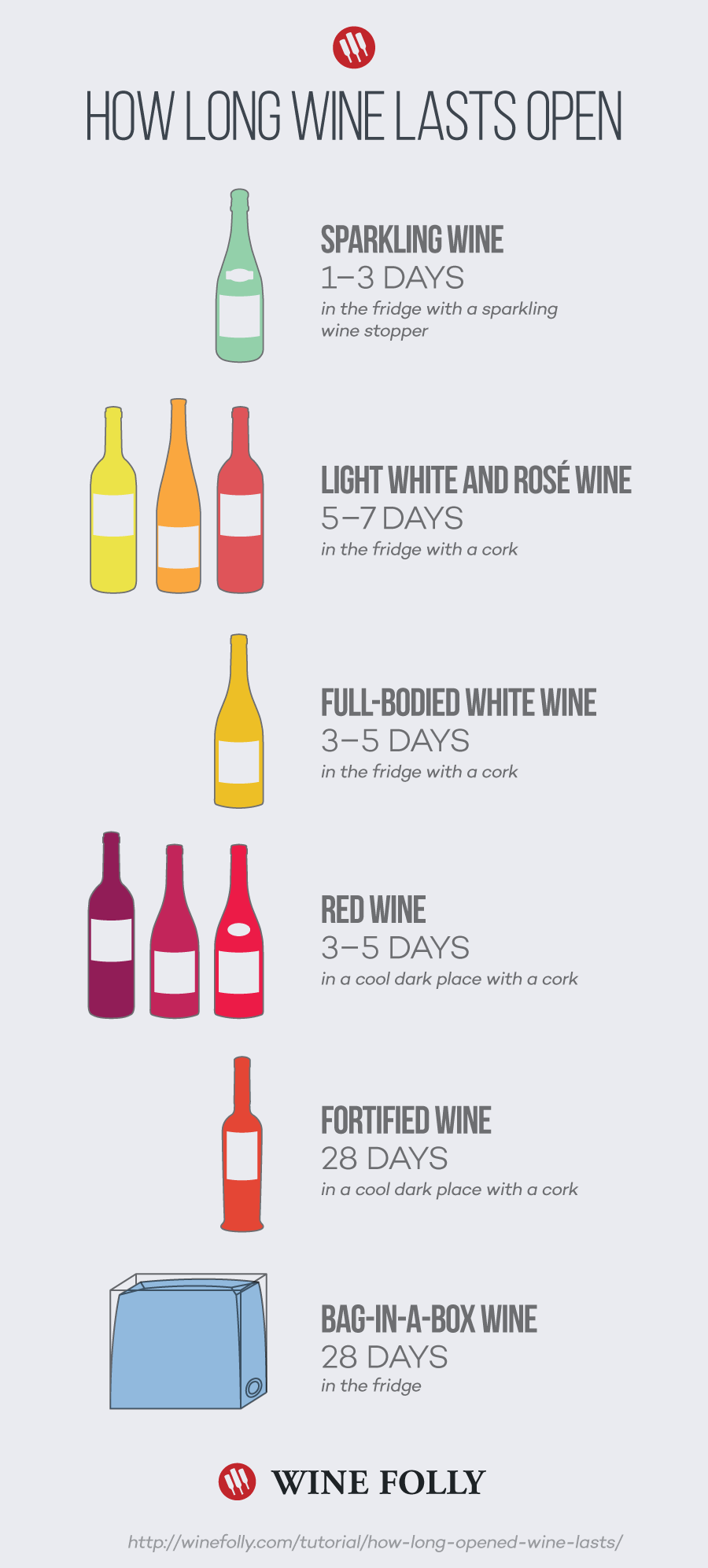
Image Source: winefolly.com
The Science Behind Opened Wine
When you pop the cork or twist the cap off a bottle of white wine, you’re introducing it to a new enemy: oxygen. This is where white wine oxidation begins its subtle (and sometimes not-so-subtle) work. Oxygen is the primary culprit behind the degradation of wine’s flavor and aroma. It reacts with the wine’s compounds, causing them to change.
What Happens When White Wine Meets Oxygen?
- Aromatics Fade: The delicate floral and fruity notes that make white wine so appealing begin to dissipate. They can turn dull or even take on unpleasant, musty aromas.
- Flavor Changes: The bright acidity can soften, and the wine might start tasting flat or nutty. Sometimes, it can develop a Sherry-like character, which isn’t always desirable in a crisp Sauvignon Blanc.
- Color Shifts: While less noticeable in reds, white wines can change color, often deepening from a pale straw to a more golden or even brownish hue.
- Vinegary Notes: In advanced stages of spoilage, the alcohol in the wine can be converted into acetic acid by bacteria, giving it a distinct vinegary smell and taste. This is the most obvious sign of opened white wine spoilage.
How Long Does Opened White Wine Last? A Detailed Breakdown
The general 3-5 day guideline is a good starting point, but let’s get more specific. How long does opened white wine last? is a question with a nuanced answer.
Factors Influencing White Wine’s Lifespan After Opening
- Wine Style: Lighter-bodied, high-acid white wines tend to last longer than fuller-bodied or oaked wines.
- Crisp, Aromatic Whites: Think Sauvignon Blanc, Pinot Grigio, Riesling, and Grüner Veltliner. These wines often have higher acidity, which acts as a natural preservative. They can often remain enjoyable for up to 5 days, sometimes even a bit longer if stored very carefully.
- Oaked Whites: Wines like Chardonnay that have been aged in oak barrels, or those with a higher alcohol content, may have a slightly shorter lifespan once opened. The oak can sometimes contribute to faster oxidation. These might be best consumed within 3-4 days.
- Sweet Wines: Dessert wines, like Sauternes or Late Harvest Riesling, often have higher sugar content and acidity, which can help them last longer, sometimes up to a week or more due to their inherent preservative qualities.
- Sparkling Wines: These are the most fragile. Once the bubbles are gone, so is much of the appeal. They are best consumed within 1-3 days, and even then, they will lose their effervescence quickly.
- Amount of Wine Remaining: A bottle that is nearly full will have less air exposure than one that is almost empty, meaning it will likely last longer. The less wine left, the more oxygen there is in the bottle relative to the liquid.
- Storage Method: This is arguably the most crucial factor. Proper sealing and chilling make a significant difference.
White Wine Shelf Life After Opening: A Quick Reference
| Wine Type | Typical Drinkable Lifespan (Days) | Notes |
|---|---|---|
| Crisp, Light Whites | 3-5 | Sauvignon Blanc, Pinot Grigio, Riesling, unoaked Chardonnay |
| Fuller-Bodied/Oaked Whites | 3-4 | Oaked Chardonnay, Viognier |
| Sweet Dessert Wines | 5-7+ | Sauternes, Late Harvest, Port (though Port is a fortified red) |
| Sparkling Wines | 1-3 | Champagne, Prosecco, Cava (loses fizz quickly) |
| Rosé Wines (Dry) | 3-5 | Similar to crisp whites |
| Light-Bodied Reds | 3-5 | Pinot Noir, Beaujolais (often treated similarly to whites once open) |
| Fuller-Bodied Reds | 4-6 | Cabernet Sauvignon, Merlot, Syrah (can last slightly longer) |
(Note: These are general guidelines. Always use your senses to determine if the wine is still good.)
The Best Way to Store Opened White Wine
Now that we know the enemy (oxygen) and the general timeline, let’s talk about the best way to store opened white wine. The goal is to minimize oxygen exposure and keep the wine cool.
Key Strategies for Keeping Opened White Wine Fresh
-
Re-cork or Seal Tightly: This is the first and most critical step.
- Original Cork: If the cork is intact, push it back into the bottle firmly. If it feels a bit loose, you can try inserting it the other way around.
- Wine Stoppers: Invest in good quality wine stoppers. There are various types:
- Rubber or Silicone Stoppers: These create a tight seal and are inexpensive.
- Vacuum Pump Stoppers: These come with a pump that you use to remove air from the bottle, creating a partial vacuum. This is an excellent method for prolonging the life of your wine.
- Inert Gas Systems: For the serious wine enthusiast, systems that inject an inert gas (like argon or nitrogen) into the bottle displace the oxygen. This is the most effective method but also the most costly.
-
Refrigerate Immediately: Refrigerating opened white wine is non-negotiable. The cold temperature slows down the chemical reactions, including oxidation. White wine should always be stored in the fridge, even if you plan to drink it soon.
-
Minimize Air Exposure:
- Transfer to a Smaller Bottle: If you have only a small amount of wine left, pouring it into a smaller, clean glass bottle with a tight-fitting lid can significantly reduce the amount of air in contact with the wine. This is a fantastic way to extend the life of that last glass or two.
-
Store Upright: Unlike unopened bottles that are often stored on their side to keep the cork moist, opened bottles should be stored upright. This minimizes the surface area of the wine exposed to the air trapped inside the bottle.
Storing Wine After Opening: A Checklist
- [ ] Seal the bottle immediately with a tight-fitting stopper.
- [ ] Transfer to a smaller bottle if less than half full.
- [ ] Store upright in the refrigerator.
- [ ] Keep away from light and vibrations.
Recognizing Opened White Wine Spoilage
Even with the best efforts, wine will eventually turn. Knowing the signs of opened white wine spoilage is essential. Your senses are your best guide here.
How to Tell if Your Opened White Wine Has Gone Bad
- Smell: This is usually the first indicator. If the wine smells musty, like wet cardboard, has a strong vinegary aroma, or lacks its characteristic fruity or floral notes, it’s likely past its prime. A faint Sherry-like aroma can be acceptable in some cases, but if it’s overpowering, it’s a sign of oxidation.
- Taste: Take a small sip. Does it taste flat, dull, sour, or vinegary? Has the acidity vanished? If the taste is unpleasant or significantly different from how it tasted when first opened, it’s best to discard it.
- Appearance: While less reliable for white wine than smell or taste, a significant browning or darkening of the color can indicate oxidation. However, some wines naturally have a deeper color.
What if My White Wine Has Gone Bad?
While it’s disappointing, there are some creative ways to use wine that’s no longer good for drinking:
- Cooking: Wine that has turned slightly vinegary can be used in cooking, especially in marinades, sauces, or stews. The heat will mellow out the acidity, and the flavors can add depth.
- Cleaning: The acidity in wine can help with certain cleaning tasks, though specialized cleaners are usually more effective.
Frequently Asked Questions About Opened White Wine
Here are some common questions about how long is opened wine good for:
Q1: Can I leave an opened white wine bottle on the counter overnight?
A1: No, this is highly discouraged. Leaving white wine out of the refrigerator will accelerate oxidation and spoilage significantly. Always refrigerate opened wine.
Q2: Does the type of stopper really matter for opened white wine storage?
A2: Yes, the type of stopper makes a big difference. A loose cork or a stopper that doesn’t create a tight seal will allow more oxygen into the bottle, reducing the wine’s lifespan. Vacuum pump stoppers or inert gas systems are more effective than a simple re-corking.
Q3: My opened white wine smells a bit like nail polish remover. Is it spoiled?
A3: That strong chemical smell, often described as nail polish remover or acetone, indicates a high level of volatile acidity, a sign of spoilage. It’s best to discard the wine.
Q4: Can I freeze opened white wine?
A4: You can freeze opened white wine, but it’s generally not recommended if you plan to drink it as wine later. Freezing can damage the wine’s delicate aromas and flavors, making it taste flat and lifeless when thawed. However, frozen wine can be used for cooking (e.g., in sauces or reductions) or to make wine ice cubes for sangria or punches. Pour it into ice cube trays first for easier portioning.
Q5: Is it safe to drink opened white wine that has been open for a week?
A5: While some robust or sweet wines might still be somewhat palatable after a week under ideal conditions, most crisp white wines will have lost their appeal and may have begun to spoil. It’s always best to trust your senses. If it smells or tastes off, don’t risk it.
Conclusion: Enjoying Your White Wine Responsibly
The key to enjoying your open white wine after the initial pour is proactive open white wine storage. By minimizing oxygen exposure and keeping your wine chilled, you can extend its life and savor its flavors for longer. Remember that these guidelines are general, and the best way to know if your wine is still good is to use your nose and your palate. Cheers to not wasting a drop of that delicious white wine!