
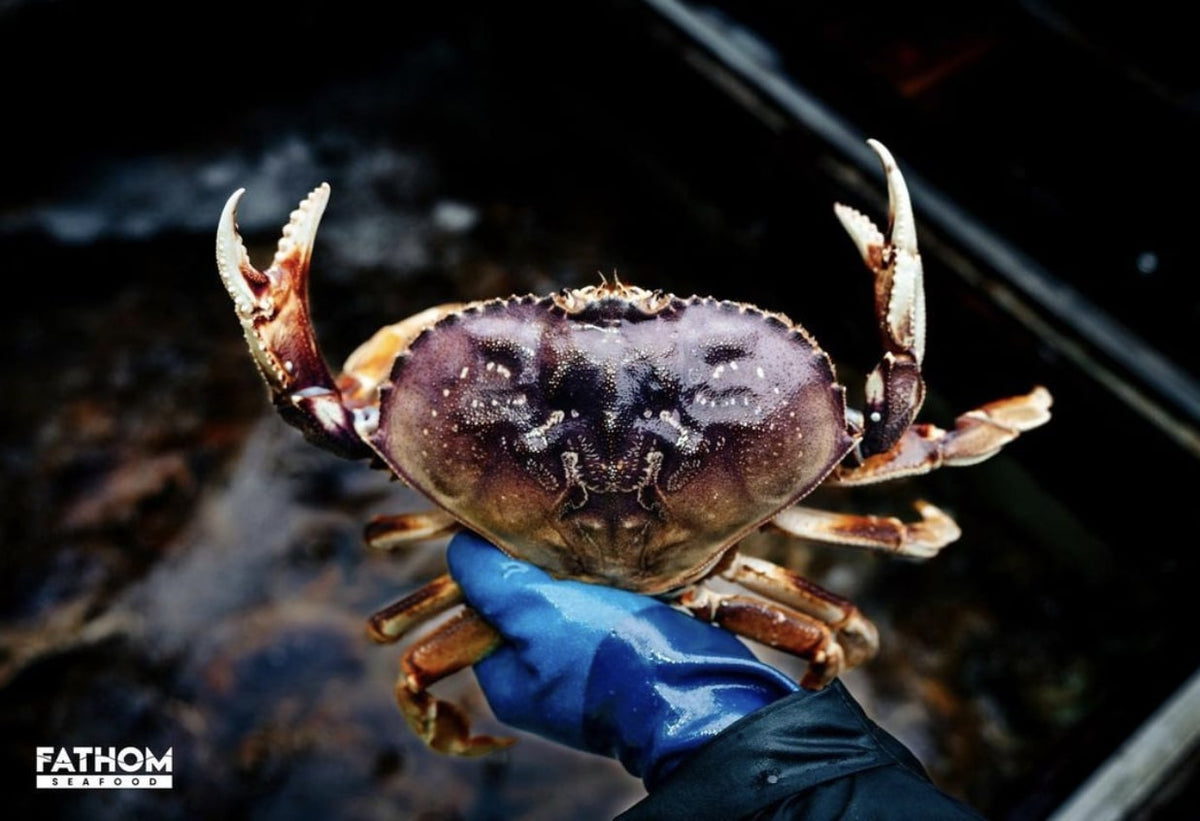
Image Source: fathomseafood.com
How Long Does Crab Stay Good In The Fridge? Safety Guide
If you are wondering how long crab stays good in the fridge, the simple answer is: Raw crab should be used within 1 to 2 days, while cooked crab can last a bit longer, typically 3 to 5 days, when stored properly in the refrigerator. Knowing these timeframes is very important for keeping your food safe and enjoying delicious crab without worry. Storing crab correctly helps stop bad germs from growing. Let’s look closer at how long different kinds of crab last and how to keep them safe.
The Shelf Life Lowdown
How long crab stays good depends a lot on whether it’s raw or cooked. Cooked crab lasts longer because the cooking process kills some of the germs that make food go bad quickly. But even cooked, it won’t last forever in the fridge.
Raw Crab Storage Time
Raw crab is fresh and delicate. It has not been heated to kill germs. This means it can spoil very fast.
- Time in the Fridge: Raw crab should only be kept in the refrigerator for a short time. Aim to cook it or freeze it within 1 to 2 days of buying it.
- Why So Short?: Raw seafood, including crab, is a perfect place for certain bacteria to grow quickly, even in a cold fridge. These bacteria can make you sick. The clock starts ticking the moment the crab is caught or processed.
- Types of Raw Crab: This applies to whole live crabs, raw crab legs, or raw crab meat bought from the fish market.
Cooked Crab Shelf Life
Cooked crab is much more stable in the fridge. The heat of cooking gets rid of many harmful germs that are present in raw food.
- Time in the Fridge: Properly stored cooked crab is typically good for 3 to 5 days.
- Includes: This applies to cooked whole crabs, cooked crab legs, and refrigerated crab meat storage (like lump crab meat you buy already cooked and chilled).
- Cooked Crab Legs: The shelf life of cooked crab legs follows the same rule. If they were cooked and then put in the fridge quickly, they should be good for 3 to 5 days.
- Why Longer?: Cooking makes the crab less likely to spoil quickly than raw crab. However, new germs can still get on it after cooking, or some germs might survive. So, the 3-5 day limit is important.
Summary Table: Crab Fridge Life
| Type of Crab | Recommended Fridge Time | Key Point |
|---|---|---|
| Raw Crab | 1 to 2 days | Spoils very quickly. |
| Cooked Crab | 3 to 5 days | Lasts longer due to cooking. |
Factors Affecting Shelf Life
While the 1-2 days for raw and 3-5 days for cooked are good rules, several things can change how long your crab actually stays good.
Starting Freshness
How fresh was the crab when you got it?
- Just Caught: If you caught it yourself and cooked it right away, it was very fresh. This gives it the best chance of lasting the full time in the fridge after cooking.
- From the Store: Crab from the store has already been through steps like being caught, moved, and sold. The time from when it was caught makes a difference. Try to buy from stores that get fresh deliveries often.
- Pre-Cooked/Packaged: For things like refrigerated crab meat storage that’s already packaged, check the “use by” or “sell by” date. This gives you a clue about its freshness. However, once you open it, the 3-5 day rule starts.
Storage Method
How you store the crab in your refrigerator is crucial. Bad storage can make crab go bad much faster.
- Proper Crab Storage: This means keeping it very cold and protected from air and other things in the fridge. We’ll talk more about the best ways to do this soon.
- Air Exposure: Leaving crab open to the air lets germs get to it and causes it to dry out and spoil faster.
- Temperature Swings: If your fridge isn’t keeping a steady, cold temperature, the crab won’t last as long.
Type of Crab and Processing
Sometimes, the type of crab or how it was handled can slightly affect things.
- Whole Crab vs. Meat: Cooked whole crab or legs might last slightly better than cooked crab meat that has been picked from the shell. The meat has more surface area exposed.
- Pasteurized Crab Meat: Some canned or packaged crab meat is pasteurized. This is a special heat process that kills more germs. Unopened, this type lasts much longer (check the package date). But once opened, it’s like regular cooked crab meat – 3-5 days in the fridge.
How to Store Crab Safely
Following the right steps for storing crab in refrigerator is key to making it last as long as possible within the safe time limits. Proper storage helps keep out bad germs and slow down spoilage.
Preparing for the Fridge
- Cook it Fast (Raw Crab): If you bought raw crab, cook it within 1-2 days. Don’t wait too long.
- Cool it Down (Cooked Crab): If you just cooked crab yourself, you need to cool it down quickly before putting it in the fridge. Leaving hot food out lets germs grow rapidly in the “danger zone” (between 40°F and 140°F). Put it in shallow containers to cool faster, or even use an ice bath. Get it into the fridge within 2 hours of cooking (or within 1 hour if the room is hot, like 90°F or above).
- Handle with Clean Hands: Always use clean hands or clean tools when touching crab, raw or cooked. This stops you from adding new germs to it.
Packaging Pointers
How you wrap or containerize your crab makes a big difference for refrigerated crab meat storage or storing legs.
- Air is the Enemy: You want to keep air away from the crab as much as possible.
- Tight Wrapping: Wrap cooked crab legs or pieces tightly in plastic wrap. Then, wrap it again in aluminum foil or place it in a resealable plastic bag. This double layer helps keep air out and smells in (so your fridge doesn’t smell like crab!).
- Air-Tight Containers: For cooked crab meat, put it in a clean container with a tight-fitting lid. This is one of the best ways for refrigerated crab meat storage. Make sure the container is not too big, so there isn’t a lot of extra air space.
- Raw Crab: If you must store raw crab for a day or two before cooking (which you should do quickly!), keep it very cold. Place it in a container or on a plate with ice. Make sure any melting water can drain away so the crab doesn’t sit in water. Cover it tightly with plastic wrap or a lid. Put it on the lowest shelf in your fridge so any drips don’t fall onto other foods.
Temperature is Key
The temperature inside your refrigerator is the most important factor for proper crab storage.
- Keep it Cold: Your fridge temperature should be set at 40°F (4°C) or lower. This temperature slows down the growth of most harmful bacteria.
- Check Your Fridge: It’s a good idea to have a thermometer in your fridge to make sure it’s staying at the right temperature. Fridge dials can sometimes be inaccurate.
- Coldest Spot: The back of the main compartment and lower shelves are often the coldest spots. Store raw crab there. Cooked crab can be stored on higher shelves, but still covered well.
- Don’t Overpack: Don’t stuff your fridge too full. Air needs to move around inside to keep everything cold evenly.
Spotting Bad Crab
Knowing how to tell if crab is spoiled is critical before you eat it. Even if you think it’s within the safe time limit, it’s always best to check. Eating spoiled crab can cause food poisoning. Don’t take chances.
Visual Checks
The first thing to look for are signs of bad crab that you can see.
- Color Changes: Cooked crab meat should be white with possibly some reddish or orange tints from the shell cooking. If the meat looks grayish, dull, or discolored, it might be bad. Raw crab will look different depending on the species, but any odd, patchy discoloration can be a warning sign.
- Mold: Clearly visible mold on crab is a definite sign it’s spoiled. Don’t just try to cut the moldy part off; throw the whole thing away.
- Appearance of Shell/Legs: For cooked legs, the shell should look bright red or orange. If the shell looks slimy, faded, or has mold spots, the crab inside might also be bad.
Smell Tests
This is often the most reliable way to tell if crab is spoiled. Your nose knows!
- Fresh Smell: Fresh crab, raw or cooked, should smell clean and perhaps a little sweet or like the sea. It should not have a strong, offensive smell.
- Bad Smell: Spoiled crab often has a strong, fishy smell that is much more intense than fresh seafood. It might smell sour, like ammonia, or just plain rotten. If the smell makes you hesitate, it’s probably not good.
- Don’t Ignore the Smell: Even if the crab looks okay, trust your nose. A bad smell is a major sign of bad crab.
Texture Cues
How the crab feels can also give you clues.
- Slimy Texture: Fresh cooked crab meat or legs should feel moist but not slimy. If the meat or the inside surface of the shell feels slick or slimy, it’s a strong indicator of spoilage.
- Mushy Meat: Cooked crab meat should be firm and flaky, but not hard. If the meat feels mushy or falls apart in an unnatural way, it might be going bad.
When in Doubt, Throw it Out
This is the golden rule for food safety, especially with seafood like crab.
- Don’t Gamble: If the crab looks weird, smells off, feels slimy, or you are just not sure about it, do not eat it.
- Can You Eat Old Crab?: The answer is generally no, especially if “old” means it’s past the recommended storage time or shows any signs of spoilage. Eating old, bad crab can lead to serious food poisoning with symptoms like nausea, vomiting, diarrhea, and stomach cramps. It’s not worth the risk.
- Better Safe Than Sorry: Discarding crab that might be bad is much better than getting sick.
Why Storage Time Matters
Sticking to the recommended storage times and checking for signs of bad crab is not just about taste; it’s about preventing illness.
The Risk of Food Poisoning
- Bacteria Growth: Even in the fridge, bacteria can grow over time. Some bacteria can make toxins that are not destroyed by reheating.
- Common Culprits: Bacteria like Vibrio, Salmonella, and Listeria can be found in seafood and can multiply to dangerous levels if stored incorrectly or too long.
- Symptoms: Food poisoning from bad crab can cause severe stomach issues. These can start within a few hours or up to a day or two after eating the spoiled food.
Toxins
Besides bacteria, certain toxins can sometimes be present in seafood. While proper cooking can kill bacteria, it might not always destroy toxins. Storing crab correctly helps minimize the chance of toxins forming after processing, but the main risk from old crab is bacterial growth.
Preserving Quality
Beyond safety, proper storage also keeps the crab tasting good. Old crab can become dry, rubbery, or just lose its fresh, sweet flavor even if it’s not yet unsafe to eat. For the best taste and texture, eat your refrigerated crab sooner rather than later within the safe window.
Extending Shelf Life Beyond the Fridge
If you can’t eat your crab within the 1-2 days (raw) or 3-5 days (cooked) fridge limits, freezing is the best way to keep it good for much longer. Freezing stops bacterial growth almost completely.
Freezing Crab
- Prep for Freezing: Remove meat from the shell if possible, as it takes up less space and freezes better. If freezing legs or whole crabs, make sure they are cooked first. Raw crab doesn’t freeze as well in terms of texture.
- Package Properly: Use freezer-safe bags or containers. Remove as much air as possible to prevent “freezer burn,” which makes the crab dry and tough.
- How Long in Freezer: Cooked crab meat or legs can be frozen for 4 to 6 months for best quality. It will likely remain safe longer, but the taste and texture might get worse after 6 months.
- Thawing Frozen Crab: The safest way to thaw frozen crab is in the refrigerator. This takes about 24 hours for a pound of crab. Never thaw crab (or any seafood) at room temperature, as this lets bacteria multiply. You can also thaw it under cold running water. Once thawed, use it within 1-2 days and do not refreeze it.
Deciphering Refrigerated Crab
Let’s pull together what we know about storing crab in your cold box.
Why the Fridge is Not Forever
- Not Freezing: A refrigerator slows down germ growth, but it doesn’t stop it like a freezer does. Over time, even in a cold fridge, bacteria will grow to levels that can make food unsafe.
- Moisture: Crab is moist, which is good for bacteria.
- Nutrients: Crab is rich in protein and other nutrients, which are food for bacteria.
Cooked vs. Raw: Why the Difference?
- Starting Point: Raw crab starts with more naturally occurring bacteria and enzymes that break down tissue. Cooking kills many of these.
- Handling: Cooked crab has already been through a high-heat process that makes it safer initially. Raw crab needs careful handling from the start.
Refrigerated Crab Meat Storage Specifics
If you bought a tub of cooked crab meat (often labeled “lump,” “backfin,” or “claw”), the rules are similar.
- Before Opening: Check the date on the package. Keep it cold.
- After Opening: Once you open the sealed tub, the 3-5 day rule starts. Put the lid back on tightly.
- ** transferring:** If the original container isn’t great for keeping air out, transfer the crab meat to a smaller, air-tight container.
Telling If Crab Is Spoiled: A Closer Look
Knowing how to tell if crab is spoiled is your last line of defense. Relying only on the date is not enough.
Beyond the Date
- Date is a Guide: The “sell by” or “use by” date on store packaging is a helpful guide for freshness, but it assumes perfect storage. If the crab wasn’t kept cold enough on the way home, for example, it could spoil faster.
- Trust Your Senses: Always use your eyes, nose, and touch to check crab before eating, even if the date hasn’t passed.
Reviewing Signs of Bad Crab
- Look: Dull color, graying meat, slime, mold.
- Smell: Strong fishy, sour, ammonia, or rotten smell. This is usually the most obvious sign.
- Touch: Slimy or mushy texture.
What About Just a Little Bit Off?
If the crab smells slightly off, but not strongly bad, or looks just a little dull, it’s still safest to throw it out. When in doubt, it’s not worth the risk of getting sick. You cannot eat old crab that shows any signs of spoilage safely.
Grasping Proper Crab Storage
Let’s make sure the steps for storing crab in refrigerator are clear.
- Get it Cold Quickly: Whether raw or cooked, get crab into the fridge as soon as possible after buying or cooking.
- Keep it Cold: Set your fridge to 40°F (4°C) or below. Don’t let crab sit out at room temperature.
- Wrap it Well: Use plastic wrap, foil, or air-tight containers. Keep air out. This is crucial for cooked crab shelf life and refrigerated crab meat storage.
- Separate Raw from Cooked: Store raw crab on the lowest shelf to prevent juices from dripping onto other foods. Cooked crab can be stored higher up.
- Mind the Time: Follow the 1-2 day rule for raw and 3-5 day rule for cooked crab. Write the date on the container if needed.
FAQ: Your Crab Storage Questions Answered
Here are answers to some common questions about storing crab.
H5 How long cooked crab is good for in the fridge?
Cooked crab is good for 3 to 5 days in the refrigerator when stored correctly in an air-tight container or well-wrapped.
H5 What is the shelf life of cooked crab legs?
The shelf life of cooked crab legs is typically 3 to 5 days in the fridge, just like other forms of cooked crab. Make sure they are wrapped tightly.
H5 How long can I keep refrigerated crab meat storage?
Once opened, refrigerated crab meat storage, like a tub of lump crab meat, should be used within 3 to 5 days. Before opening, follow the date on the package.
H5 Can you tell if crab is spoiled just by looking at it?
Looking is one way to help tell if crab is spoiled (checking for discoloration, mold, or slime), but the smell test is usually more reliable. If it smells strongly fishy or like ammonia, it’s likely spoiled.
H5 Can you eat old crab that’s been in the fridge longer than 5 days?
It is not recommended to eat old crab that has been in the fridge longer than the safe limit (1-2 days raw, 3-5 days cooked). Even if it looks and smells okay, there could be harmful bacteria present. The risk of food poisoning is high.
H5 Does proper crab storage make it last forever?
No, proper crab storage in the refrigerator only slows down spoilage. It does not stop it completely. The fridge is for short-term storage. For longer storage, you need to freeze it.
H5 What if I froze cooked crab and then thawed it? How long is it good for?
Once you thaw frozen cooked crab safely in the refrigerator, you should use it within 1 to 2 days. Do not refreeze crab after it has been thawed.
Conclusion: Safety First with Crab
Knowing how long crab stays good in the fridge is essential for enjoying this delicious seafood safely. Remember the basic rules: raw crab for just 1-2 days, and cooked crab for 3-5 days. Always practice proper crab storage by keeping it very cold (40°F or lower), wrapped well, and stored quickly after purchase or cooking. Most importantly, use your senses to tell if crab is spoiled – if it looks bad, smells bad, or feels slimy, it’s time to throw it out. Don’t take chances by eating old crab. By following these simple safety guidelines, you can help ensure that your crab experience is enjoyable and healthy every time.