
How long can you keep ribs in the fridge safely? When it comes to raw ribs, you should aim to cook or freeze them within 1 to 2 days of buying them. For cooked ribs, they usually stay good in the fridge for 3 to 4 days if stored the right way. Knowing these timelines is key to food safety and enjoying your meal without worry. This guide will walk you through the details of keeping ribs safe in your refrigerator, covering both raw and cooked varieties.
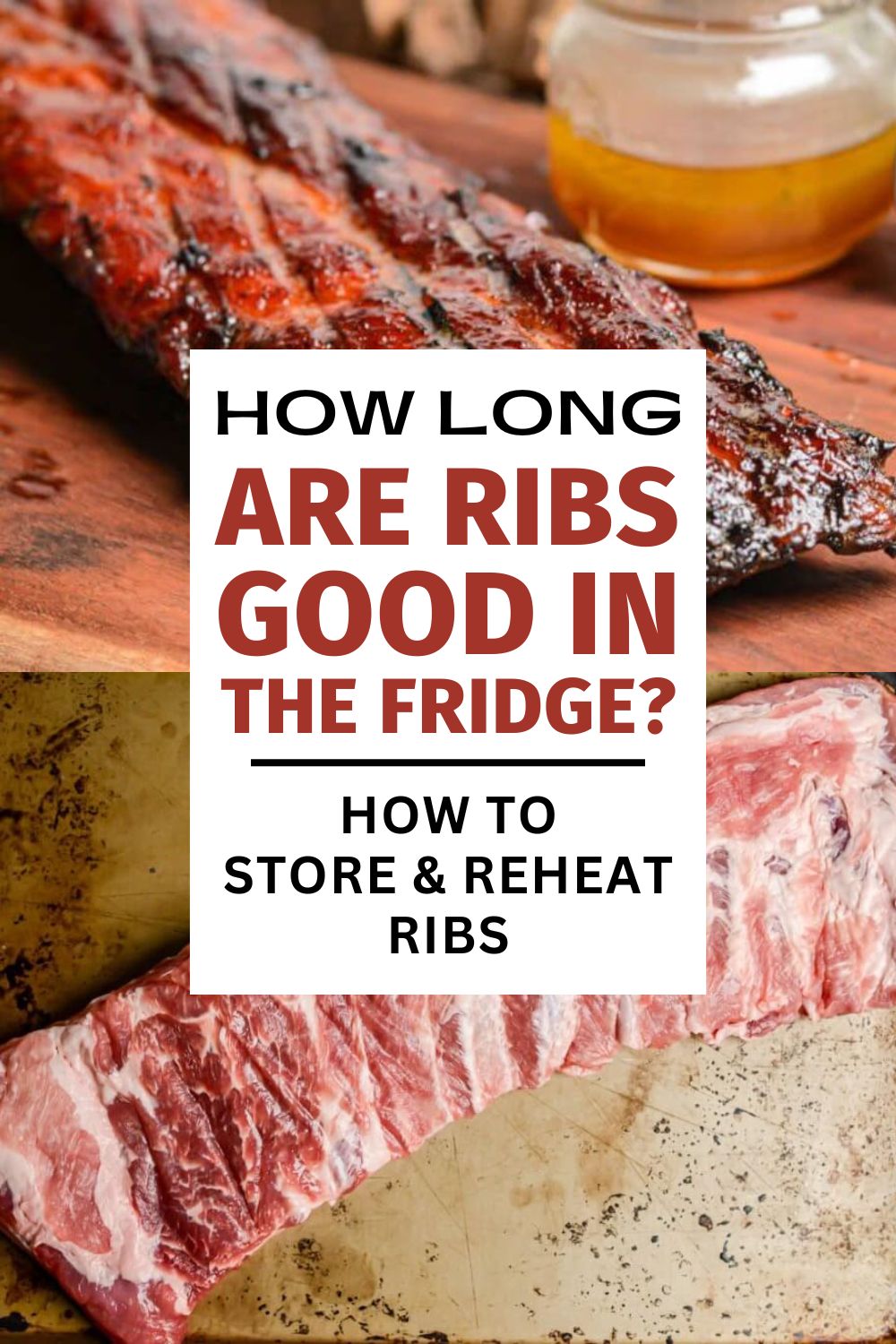
Image Source: kitchenlaughter.com
How Long Raw Ribs Stay Fresh
Raw ribs are fresh pieces of meat. Like other raw meats, they can go bad quickly if not stored right. Bacteria naturally live on raw meat. Cold temperatures in the fridge slow these bacteria down, but they don’t stop them completely. This is why raw ribs have a short fridge life.
Safe Timeframe for Raw Ribs
The most important rule for raw ribs is time.
* Safe limit: Raw ribs are best cooked or frozen within 1 to 2 days after you bring them home from the store. This is the general rule from food safety experts.
* Why 1-2 days? During this time, the number of bacteria on the ribs usually stays at a low, safe level when kept cold. After 2 days, bacteria can start to grow faster. This can lead to spoilage or even make you sick.
Think of the 1-2 day rule as a safety net. It gives you a small window to plan your cooking. If you buy ribs but can’t cook them within this short time, freezing is your best option. Freezing stops bacterial growth almost completely.
Why Time Matters with Raw Meat
Raw meat like ribs can have different types of bacteria on it. Some bacteria cause meat to spoil, making it smell and look bad. Other bacteria, like Salmonella or E. coli, are dangerous and can cause food poisoning. You often can’t see, smell, or taste these harmful bacteria.
Keeping raw ribs in the fridge only slows down these bacteria. It doesn’t kill them. The longer the ribs stay in the fridge, the more these bacteria can multiply. This increases the risk of getting sick. Following the 1-2 day rule helps keep the number of bacteria low until you cook the ribs. Cooking ribs to the right temperature kills most harmful bacteria.
First Steps After Buying Raw Ribs
When you get raw ribs home, move them to the fridge right away. Don’t leave them out on the counter. The “danger zone” temperature for bacteria to grow fast is between 40°F (4°C) and 140°F (60°C). Your fridge should be kept at 40°F (4°C) or colder.
- Check the date: Look at the “sell by” or “best by” date on the package. This date helps the store manage its stock. It’s not always an exact safety date for your home. However, it gives you an idea of how fresh the meat is. Aim to use or freeze the ribs within 1-2 days of bringing them home, especially if the sell-by date is near.
- Keep them cold: Make sure your fridge is cold enough. Use a fridge thermometer to check if you are unsure.
By putting raw ribs into the fridge fast and keeping the fridge cold, you give yourself the full 1-2 day window of safety. This is a key part of refrigerator meat storage guidelines.
Signs That Raw Ribs Have Gone Bad
Even within the 1-2 day window, it’s always wise to check raw ribs before cooking. Your senses can help spot problems. Looking for signs of bad ribs is very important.
What to Look and Smell For
Bad raw ribs will show changes you can see, smell, and feel.
* Color: Fresh raw ribs are usually pink or reddish. If they turn grayish or brownish, especially in spots, they might be going bad.
* Smell: This is often the first sign. Fresh ribs have a mild, meaty smell. If they smell sour, strong, or like sulfur (rotten eggs), throw them out. A bad smell means spoilage bacteria are active.
* Texture: Fresh raw ribs feel moist but not slimy. If the surface feels sticky or slimy when you touch it, it’s a clear sign of spoilage. Slime is caused by bacteria growing on the surface.
What to Do if You See Signs
If you notice any of these bad signs – off color, strong smell, or slime – do not cook or eat the ribs. Even if they are still within the 1-2 day timeframe, these signs mean bacteria have multiplied too much. It’s safer to throw them away.
Never try to wash slimy or smelly meat to “fix” it. Washing can spread bacteria around your kitchen. It also doesn’t get rid of the bacteria that cause spoilage or illness.
Trust your senses. If something seems off, it’s best to be safe and discard the ribs.
Proper Storage for Raw Ribs in Fridge
Storing raw ribs correctly is key to keeping them safe for that 1-2 day period. How you package and place them matters a lot. This is part of proper storage for ribs in fridge.
Packaging Raw Ribs
Raw meat can drip juices. These juices can contain bacteria. If these juices leak onto other foods, like vegetables or cooked leftovers, they can spread harmful bacteria. This is called cross-contamination.
* Original packaging: The tray and plastic wrap from the store often work well for a day or two if they are not torn. Place the whole package on a plate or in a container. This catches any leaks.
* Extra protection: For better safety or if the package is damaged, wrap the ribs tightly in plastic wrap, aluminum foil, or place them in a sealed plastic bag or airtight container. This extra layer helps prevent leaks.
Where to Put Raw Ribs in the Fridge
Placement in the fridge is also important for safety, following refrigerator meat storage guidelines.
* Bottom shelf: Always store raw meat, poultry, and fish on the lowest shelf in your refrigerator. This is the best place because if any juices do leak, they won’t drip down onto other food items below.
* Away from other food: Make sure the raw ribs are not touching other foods, especially foods that are ready to eat, like fruits, vegetables, or leftovers.
Keeping raw ribs well-wrapped and on the bottom shelf helps prevent cross-contamination. This protects all the other food in your fridge. It helps make sure the safe storage time for ribs refrigerator is met without causing problems for other items.
Grasping Cooked Rib Shelf Life
Now, let’s talk about cooked ribs. Cooking meat to a safe temperature kills most harmful bacteria. This means cooked ribs last longer in the fridge than raw ones. But they don’t last forever. Bacteria can still grow on cooked food over time, especially if not stored correctly.
How Long Cooked Ribs Last
Once ribs are fully cooked, cooled, and stored properly, their fridge life is usually:
* Safe limit: Cooked ribs are good to eat for 3 to 4 days when kept in the refrigerator at 40°F (4°C) or below.
This 3-4 day rule applies to most cooked meats and leftovers. It gives you a reasonable window to enjoy your leftover ribs. If you know you won’t eat the leftovers within this time, plan to freeze them sooner.
Why Cooked Lasts Longer
Cooking involves heat. When you cook ribs to an internal temperature of around 145°F to 190°F (63°C to 88°C) depending on the cut and cooking method, you kill most bacteria that were on the raw meat. This includes dangerous bacteria that cause food poisoning.
Since most bacteria are gone, it takes longer for new bacteria to start growing to unsafe levels. However, some bacteria can survive cooking, or new bacteria can get onto the ribs after cooking (from hands, surfaces, etc.). These bacteria will slowly multiply even in the cold fridge, eventually leading to spoilage or potential illness. This is why how long do cooked ribs last in fridge has a limit.
Importance of Cooling Cooked Ribs Quickly
After cooking, it’s important to cool leftover ribs fast before putting them in the fridge. The “danger zone” (40°F to 140°F / 4°C to 60°C) is where bacteria grow fastest. You want to get the ribs out of this temperature range as quickly as possible.
* Cooling rule: Food should be cooled from 140°F to 70°F (60°C to 21°C) within 2 hours, and then from 70°F to 40°F (21°C to 4°C) within the next 4 hours.
* Ways to cool fast: Cut large racks into smaller pieces. Don’t stack hot ribs on top of each other in a container. Use shallow containers so the heat can escape faster. You can also place the container of ribs into an ice bath (a larger container filled with ice and water) for faster cooling.
Putting hot ribs directly into the fridge can warm up the fridge’s temperature, which isn’t good for other foods. It also means the ribs take longer to cool down through the danger zone, giving bacteria more time to grow. Proper cooling is a key step for leftover ribs fridge life.
Proper Storage for Cooked Ribs in Fridge
Just like with raw ribs, how you store cooked ribs affects how long they stay safe and tasty. Good storage habits extend the ribs shelf life fridge.
Packaging Cooked Ribs
Cooked ribs need protection from air and other foods in the fridge.
* Airtight containers: The best way to store cooked ribs is in airtight containers with tight-fitting lids. Glass or plastic containers work well.
* Wrapping tightly: If using wraps, wrap the ribs tightly in heavy-duty aluminum foil or plastic wrap. Try to press out as much air as possible.
* Why airtight? Airtight storage keeps moisture in, preventing the ribs from drying out. More importantly, it protects the ribs from bacteria in the fridge and from picking up odors from other foods. It also prevents oxidation, which can affect flavor and quality.
Make sure the containers or wrapping are clean before you put the ribs inside.
Storing Cooked Ribs
Once packaged, place the cooked ribs in the fridge.
* Any shelf: Cooked food can be stored on shelves above raw meat in the fridge. This is because the risk of harmful bacteria dripping down is gone.
* Keep separate: Still, keep cooked ribs separate from raw meats to avoid accidental cross-contamination.
* Check fridge temp: Again, make sure your fridge is 40°F (4°C) or lower. This is crucial for slowing bacteria growth and keeping food safe.
Following these storage steps helps ensure your cooked ribs expiration date fridge aligns with the safe 3-4 day guideline. Good storage means better quality and safety for your leftovers.
Factors That Change Rib Shelf Life
The 1-2 day rule for raw and 3-4 day rule for cooked ribs are general guides. Several things can make ribs go bad faster or, with care, keep them safer for the full timeframe. These factors influence the safe storage time for ribs refrigerator.
Fridge Temperature
This is perhaps the biggest factor.
* Too warm: If your fridge is warmer than 40°F (4°C), bacteria will grow much faster on both raw and cooked ribs. This shortens their safe life.
* Just right: Keeping the fridge at 40°F (4°C) or below is key. Use a thermometer to check. The ideal temperature is often cited as 35-38°F (1.7-3.3°C) for best results and safety.
Consistent cold temperature is vital for all refrigerator meat storage guidelines.
How Ribs Were Handled
The life of the ribs starts long before they get to your fridge.
* Store handling: Were they kept cold at the store?
* Your trip home: How long did they sit in a warm car? Try to make groceries, especially meat, the last stop before going straight home to the fridge. Use insulated bags if you have a long trip.
* Prep area: Were raw ribs handled on clean surfaces with clean hands? Cross-contamination in your kitchen can add bacteria.
* Cooking temperature: Were cooked ribs heated to a safe internal temperature? Undercooked ribs might still have active bacteria.
Every step from the store to your fridge matters. Good handling keeps the initial bacteria count low. This helps the ribs last longer within the safe window.
Packaging Quality
We talked about packaging for raw and cooked ribs. How well they are wrapped or sealed directly affects how long they stay safe.
* Air exposure: Exposure to air allows bacteria to land on the ribs and encourages spoilage. Airtight is best, especially for cooked ribs.
* Moisture loss/gain: Poor packaging can lead to ribs drying out or picking up extra moisture, which can also affect quality and safety.
* Preventing leaks: For raw ribs, packaging must prevent any drips.
Proper packaging helps keep the quality high and slows down spoilage, supporting the storing ribs in fridge duration guidelines.
How Long Were Cooked Ribs Left Out?
If cooked ribs sit at room temperature for too long before being put in the fridge, their safe life is shortened.
* The two-hour rule: Never leave cooked food out at room temperature for more than two hours. If the room is 90°F (32°C) or hotter (like at a summer picnic), the limit is only one hour.
* Why this rule? Within the danger zone (40°F-140°F), bacteria can double every 20 minutes. After 2 hours, the bacteria count can be high enough to make you sick.
Even if you refrigerate them after, the clock effectively started ticking faster when they were left out. This means the 3-4 day fridge life might be shorter.
Deciphering Signs of Bad Cooked Ribs
Even though cooked ribs last longer, they will eventually go bad. It’s important to know how to spot when leftover ribs fridge life is over. Knowing the signs of bad ribs is crucial.
What to Check Before Eating Leftovers
Use your senses to check cooked ribs before reheating them.
* Smell: Fresh cooked ribs smell like cooked meat and seasonings. If they have any sour, off, or unpleasant smell, do not eat them. This is a strong sign of spoilage.
* Appearance: Look at the color. Cooked ribs are usually brown, reddish, or have a bark depending on how they were cooked. If you see mold growing on them (fuzzy spots of any color), they are definitely bad. If the color looks dull or grayish in a strange way, that can also be a sign.
* Texture: Cooked ribs should not be slimy. If they feel sticky or slimy to the touch, bacteria have likely multiplied too much.
* Feel the texture: If the surface feels greasy or sticky beyond what is normal for cooked meat, this could mean spoilage.
The “Sell By” or “Use By” Dates on Cooked Ribs (if any)
If you buy pre-cooked ribs from a store or deli, they might have a “use by” or “best if used by” date.
* Guideline, not guarantee: These dates are guides for quality and freshness while the package is sealed. Once opened or after cooking your own, the 3-4 day rule from the time they were cooked/opened is the main safety guide.
* Still check: Always check for spoilage signs regardless of the date printed on the package of store-bought cooked ribs. The cooked ribs expiration date fridge provided by the store is a helpful tip, but your senses are the final check.
If you are unsure if cooked ribs are still good, it is always safest to throw them away. Food poisoning is not worth the risk. This applies to checking the ribs shelf life fridge every time you plan to eat leftovers.
Interpreting Refrigerator Meat Storage Guidelines
Official guidelines for storing meat in the fridge come from food safety authorities. These rules are based on science and help prevent foodborne illness. Following these guidelines is important for all types of meat, including ribs.
Key Guidelines from Food Safety Experts
Organizations like the USDA (U.S. Department of Agriculture) provide clear rules for keeping food safe in the fridge.
* Temperature is king: The fridge temperature must be kept at 40°F (4°C) or below. Colder is better, aiming for 35-38°F (1.7-3.3°C) if possible. Use a thermometer to check this regularly.
* Store raw meat separately: Raw meats, poultry, and fish should be stored below cooked or ready-to-eat foods to prevent juices from dripping.
* Wrap meats well: Proper packaging (like sealed containers or tight wrapping) prevents cross-contamination and maintains quality.
* Know the time limits:
* Raw ground meats, poultry, and seafood: 1-2 days.
* Raw roasts, steaks, and chops (like ribs): 3-5 days. (Note: ribs are often thicker than chops, and some guides specifically say 1-2 days for raw pork ribs, so sticking to 1-2 days for raw ribs is a safe, cautious approach).
* Cooked leftovers: 3-4 days.
* Check before you eat: Always look, smell, and feel food for signs of spoilage before cooking or eating, even if it’s within the recommended time.
These guidelines cover safe storage time for ribs refrigerator as well as other meats. They are the basis for the 1-2 day raw and 3-4 day cooked rules we’ve discussed.
Why Guidelines Are Important
Foodborne illness can be serious. It can cause stomach cramps, vomiting, diarrhea, and fever. For some people, it can be very dangerous, especially young children, older adults, pregnant women, and people with weak immune systems.
By following refrigerator meat storage guidelines, you greatly reduce the risk of harmful bacteria growing on your food. This protects you and anyone you are feeding. It makes sure that the storing ribs in fridge duration you choose is safe.
Longer Storage: Freezing Ribs
If you can’t use your ribs within the short fridge timeframe, freezing is an excellent way to store them for much longer. Freezing stops bacteria growth completely.
How Long Ribs Last in the Freezer
- Quality: While frozen, ribs stay safe to eat indefinitely at 0°F (-18°C). However, for best taste and quality, it’s recommended to use them within a certain time.
- Raw ribs: For best quality, use raw ribs from the freezer within 6 to 12 months.
- Cooked ribs: For best quality, use cooked ribs from the freezer within 2 to 6 months.
Beyond these times, the ribs are still safe if kept frozen, but their texture, flavor, and moisture might decrease (this is called freezer burn).
How to Freeze Ribs Properly
Good packaging is even more important for freezing than for refrigerating. This prevents freezer burn.
* Wrap tightly: Wrap ribs (raw or cooked) tightly in plastic wrap first. Press out all the air.
* Add a second layer: Then wrap again in heavy-duty aluminum foil or place in a freezer-safe bag or container. Again, remove as much air as possible from bags.
* Label and date: Write what is in the package and the date you froze it. This helps you use the older items first.
* Freeze quickly: Place the package in the coldest part of your freezer. Don’t overload your freezer with too much unfrozen food at once, as this can cause the temperature to rise.
Proper freezing and packaging help keep the quality of your ribs high during long-term storage.
Thawing Frozen Ribs Safely
When you want to use frozen ribs, thaw them safely.
* Best way (fridge): The safest way is to move them from the freezer to the refrigerator. This takes time (about 24 hours for a rack of ribs). Once thawed, treat raw ribs like fresh (use within 1-2 days) and cooked ribs like fresh leftovers (use within 3-4 days).
* Faster way (cold water): Thaw sealed ribs in a sink or large pot of cold water. Change the water every 30 minutes. Cook immediately after thawing this way.
* Fastest way (microwave): Use the microwave’s defrost setting. Cook immediately after thawing in the microwave.
Never thaw ribs on the counter at room temperature. This allows bacteria to grow rapidly on the surface while the inside is still frozen.
Putting Safe Rib Storage Into Practice
Let’s quickly review the key steps for keeping your ribs safe in the fridge. Mastering proper storage for ribs in fridge is simple but requires attention.
- Temperature: Always check and maintain your fridge at 40°F (4°C) or lower.
- Raw Ribs: Store on the bottom shelf, well-wrapped to prevent leaks. Use or freeze within 1-2 days.
- Cooked Ribs: Cool quickly after cooking. Store in airtight containers on any shelf above raw meats. Use within 3-4 days.
- Inspect: Before cooking raw ribs or reheating cooked ones, check for signs of spoilage (bad smell, slime, off-color).
- When in doubt, throw it out: Don’t taste-test food you suspect has gone bad.
By following these steps, you can make sure the safe storage time for ribs refrigerator is met and enjoy your ribs without worrying about food safety.
Table: Quick Rib Storage Guide
Here is a simple table summarizing the main points:
| Rib Type | Storage Place | Temp | Packaging | Safe Time in Fridge | Safe Time in Freezer (Quality) |
|---|---|---|---|---|---|
| Raw | Fridge (Bottom Shelf) | 40°F (4°C) or below | Tightly wrapped (leak-proof) | 1 to 2 Days | 6 to 12 Months |
| Cooked | Fridge (Any Shelf above raw) | 40°F (4°C) or below | Airtight container or tightly wrapped | 3 to 4 Days | 2 to 6 Months |
Note: Always check for spoilage signs regardless of these timelines.
Identifying Ribs That Are No Longer Safe
Knowing the signs of bad ribs is your final line of defense. While time limits and storage rules are important, sometimes things can go wrong, or you might lose track of time.
Signs of Bad Raw Ribs (Review)
- Color: Gray or brownish patches, loss of bright pink/red color.
- Smell: Strong, sour, sulfuric (rotten egg), or just “off.”
- Texture: Sticky or slimy feel on the surface.
Signs of Bad Cooked Ribs (Review)
- Smell: Sour, cheesy, or unpleasant odor.
- Appearance: Visible mold growth (any color), dull or strange discoloration.
- Texture: Slimy or sticky surface.
If you see any of these signs, even if you think the ribs should still be good based on the time, it’s not safe to eat them. Spoilage bacteria make the food look and smell bad. While these aren’t always the bacteria that cause illness, they show that the food is breaking down and other harmful bacteria might also be present or starting to grow.
Never try to cook bad raw ribs or reheat bad cooked ribs to “kill the bacteria.” Some bacteria make toxins that cooking won’t destroy.
Frequently Asked Questions (FAQ)
Here are some common questions people ask about storing ribs in the fridge.
Q1: Can I leave cooked ribs out at room temperature after a BBQ?
A1: No. Cooked ribs should not be left out at room temperature for more than two hours total. If the temperature is hot (like 90°F or above), the limit is one hour. This is because bacteria multiply very quickly in the “danger zone” temperatures (40°F-140°F). Cool and refrigerate leftovers quickly.
Q2: What is the difference between “sell by” and “use by” dates on raw ribs?
A2: “Sell by” tells the store how long to display the product for sale. “Use by” is the date the maker recommends using the product for best quality. Neither is a strict safety date for opened or home-stored items, but they indicate freshness. For raw ribs, plan to use or freeze them within 1-2 days of buying, regardless of the sell-by date, as long as it’s within a few days of purchase.
Q3: My cooked ribs smell okay, but they feel a little slimy. Are they still good?
A3: No. A slimy texture on cooked ribs is a strong sign of bacterial growth and spoilage. Even if the smell hasn’t fully developed yet, the slime means it’s not safe to eat. Discard them.
Q4: How long does vacuum-sealed raw ribs last in the fridge?
A4: Vacuum-sealing removes air, which slows down the growth of some spoilage bacteria. However, certain bacteria that grow without air can still be present. Most food safety guides still recommend cooking or freezing raw meat, even vacuum-sealed, within a few days (often cited as 5-7 days for raw meat like roasts, but still sticking to 1-2 days for ribs is the safest bet for quality and safety). Once opened, treat them like regular raw ribs (use within 1-2 days). Always check for signs of spoilage, especially a bad smell when opening.
Q5: Can I reheat leftover ribs more than once?
A5: It is generally recommended to reheat leftovers only once. Reheating multiple times can lower the quality and increases the risk of the food spending too much time in the danger zone during cooling and reheating cycles. Heat leftovers thoroughly to 165°F (74°C) before eating.
Final Thoughts on Safe Rib Storage
Keeping ribs safe in the fridge is simple once you know the basic rules. Raw ribs are good for 1 to 2 days. Cooked ribs last 3 to 4 days. Always keep your fridge cold (40°F or below). Use the right containers or wraps. Store raw ribs on the bottom shelf. And always trust your nose and eyes – if ribs look or smell bad, do not take a chance. By following these steps and the general refrigerator meat storage guidelines, you can enjoy your ribs safely, whether fresh off the grill or as tasty leftovers. Paying attention to storing ribs in fridge duration and looking for signs of bad ribs will keep you and your family safe.