
A landlord can generally leave a tenant without an oven for a reasonable period, typically a few days to a week, depending on the circumstances and local laws. This timeframe allows for timely appliance repair or replacement. However, a prolonged absence of an essential kitchen appliance like an oven can render a rental property uninhabitable, impacting tenant rights.
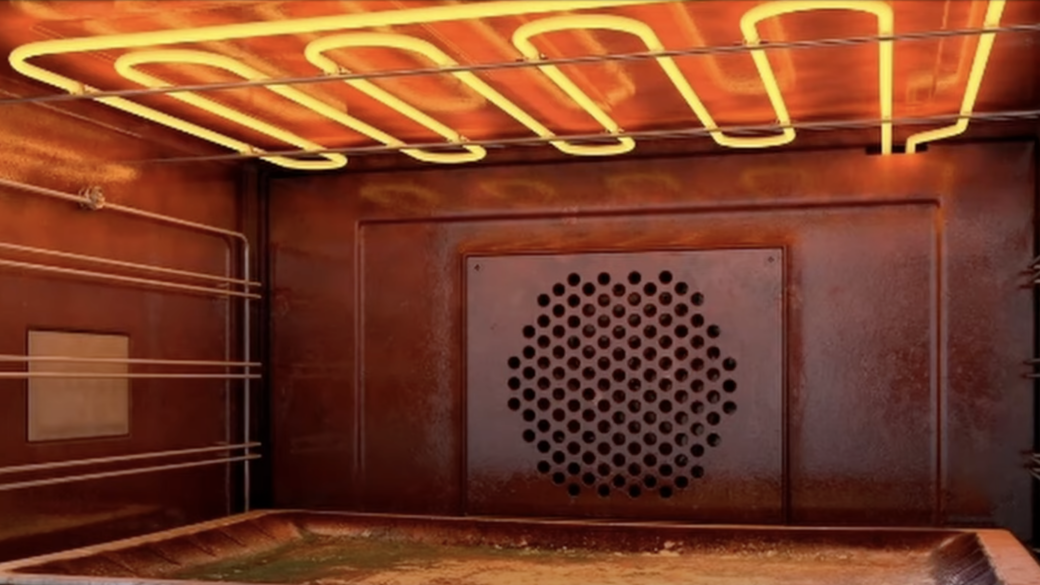
Image Source: www.housereal.net
The Tenant’s Right to a Habitable Home
Every renter deserves a safe and livable place to call home. This fundamental principle is enshrined in habitability laws across the United States. These laws require landlords to maintain their rental properties in good condition, ensuring that essential services and appliances are in working order. An oven, being an essential kitchen appliance, plays a crucial role in a tenant’s ability to prepare meals and maintain a basic standard of living.
When a landlord fails to provide or maintain an oven, or leaves a tenant without one for an extended period, it can violate these habitability laws. This situation can escalate beyond a mere inconvenience, potentially leading to uninhabitable conditions that significantly affect a tenant’s quality of life and well-being.
Landlord Obligations and Rental Property Standards
Landlords have significant landlord obligations that extend beyond simply collecting rent. They are responsible for keeping the property in good repair and ensuring it meets basic rental property standards. These standards often include the functionality of major appliances provided with the unit. The specifics of these obligations are usually detailed in the lease agreement.
Common landlord responsibilities include:
- Maintaining essential utilities: This includes functioning plumbing, electricity, heating, and a working stove or oven if provided.
- Ensuring appliance functionality: If an oven is included in the rental, the landlord is typically responsible for its repair and maintenance.
- Providing a safe living environment: This means addressing any hazards that could affect a tenant’s health or safety.
The Oven as a Key Appliance
While a refrigerator is often considered critical for food preservation, an oven is vital for preparing a wide range of meals. Without it, tenants may struggle to cook hot food, rely more heavily on expensive pre-prepared meals, or face significant disruption to their daily routines. For families, individuals with specific dietary needs, or those on a budget, the lack of a working oven can be particularly burdensome.
When Does the Absence of an Oven Become a Problem?
The line between a minor inconvenience and a significant breach of contract or law is often determined by the duration of the problem and the impact it has on the tenant’s ability to use the rental property as intended.
Reasonable Repair Timeframes
What constitutes a “reasonable” timeframe for appliance repair or replacement can vary. However, in most jurisdictions, landlords are expected to act promptly.
Factors influencing reasonable timeframes:
- Severity of the issue: A minor cosmetic defect might take longer to fix than a completely non-functional appliance.
- Availability of parts and service: Sometimes, delays are unavoidable due to external factors. However, landlords are expected to make reasonable efforts to expedite repairs.
- Local laws and ordinances: Some areas have specific regulations on how quickly essential repairs must be made.
- The lease agreement: The lease may specify timeframes for repairs.
Generally, a few days to a week without a critical appliance like an oven is often considered within a reasonable repair window, especially if the landlord is actively working on the issue and communicating with the tenant. However, if the landlord is unresponsive or the repair process drags on for weeks or months, it can become a serious issue.
The Impact on Livability
The absence of an oven can lead to a situation where the rental property is no longer considered habitable. This is a legal concept that means the property is not fit for human occupation.
How the lack of an oven can contribute to uninhabitable conditions:
- Inability to prepare basic meals: This forces tenants to incur additional expenses for takeout or restaurant meals, impacting their budget.
- Health implications: Reliance on uncooked or less nutritious food can affect a tenant’s health.
- Significant disruption to daily life: Cooking is a fundamental part of daily living, and its absence can create immense stress and inconvenience.
Tenant Rights When An Oven is Out of Commission
When a landlord fails to address an oven issue promptly, tenants have several tenant rights they can exercise. These rights are designed to protect renters from unfair or unlawful treatment.
Communicating with Your Landlord
The first and most crucial step is clear and documented communication.
Steps for effective communication:
- Notify your landlord in writing: Send a formal letter or email detailing the problem with the oven. Keep a copy for your records.
- State the issue clearly: Explain that the oven is not working and its impact on your ability to live in the unit.
- Request prompt repair: Ask for a timeline for when the repair will be completed.
- Reference your lease agreement: If your lease mentions appliance maintenance, refer to it.
Breach of Quiet Enjoyment
In many jurisdictions, landlords have a duty to provide tenants with the “quiet enjoyment” of their rental property. This means the tenant has the right to live in their home without unreasonable disturbances or interference from the landlord.
How the lack of an oven can breach quiet enjoyment:
- Substantial interference: If the absence of an oven significantly impacts your ability to use and enjoy your home, it can be considered a breach.
- Lack of essential amenities: The lack of a functioning oven, especially if it’s been out for an extended period, can be seen as an interference with your right to inhabit the property comfortably.
Constructive Eviction
A more severe consequence of a landlord’s failure to maintain the property is constructive eviction. This occurs when a landlord’s actions or inactions make the property so uncomfortable or unusable that the tenant is forced to move out. While the landlord doesn’t physically evict the tenant, their failure to provide habitable conditions effectively forces the tenant’s departure.
Conditions that might lead to constructive eviction:
- Prolonged absence of essential appliances: If the oven is out for an unreasonable amount of time, making it impossible to cook properly.
- Landlord’s failure to act: The landlord ignores repair requests or makes no effort to fix the problem.
- Significant impact on daily life: The tenant is forced to incur substantial extra costs or endure significant hardship due to the lack of the appliance.
If a tenant can prove constructive eviction, they may be able to break their lease without penalty and potentially sue the landlord for damages.
Options for Tenants
When faced with a broken oven, tenants have several courses of action, depending on the landlord’s response and local laws.
Withholding Rent (Use with Caution)
In some states, tenants may have the right to withhold rent if the landlord fails to make necessary repairs after proper notice. However, this is a risky strategy and should only be pursued after careful review of local laws and potentially legal advice. Improperly withholding rent can lead to eviction.
Key considerations before withholding rent:
- Check your state and local laws: Not all states permit rent withholding for appliance repairs.
- Follow proper notice procedures: Ensure you have given the landlord written notice and a reasonable opportunity to repair.
- Consider escrow: In some areas, you may be able to place the rent in an escrow account until repairs are made.
Repair and Deduct
Some jurisdictions allow tenants to arrange for the repair themselves and deduct the cost from their rent. Again, this option comes with strict rules and requirements.
Steps for repair and deduct:
- Verify your right to do so: Confirm this is a legal option in your area.
- Provide written notice: Inform your landlord of the intent to repair and deduct if they don’t act.
- Obtain estimates: Get quotes for the repair work.
- Keep all receipts: Document all expenses incurred.
- Deduct reasonably: Only deduct the actual cost of the repair, up to a certain legal limit.
Breaking the Lease
If the situation is severe and the landlord remains unresponsive, a tenant might have grounds to break their lease without penalty, especially if constructive eviction can be argued.
When breaking a lease might be justified:
- Extended lack of essential appliance: The oven has been out for an unusually long period.
- Landlord negligence: The landlord has failed to address the issue despite repeated notifications.
- Significant impact on habitability: The lack of an oven makes the property unfit for its intended purpose.
Seeking Legal Assistance
For complex situations or when a landlord is uncooperative, seeking legal advice from a tenant’s rights organization or a landlord-tenant attorney is highly recommended. They can advise on the best course of action based on specific circumstances and local laws.
What Does the Lease Agreement Say?
The lease agreement is the primary contract between you and your landlord. It often outlines responsibilities regarding appliance maintenance and repair.
What to look for in your lease:
- Appliance clause: Does it specify which appliances are included and who is responsible for repairs?
- Repair timelines: Does it mention how quickly repairs should be completed?
- Tenant responsibilities: Does it outline any duties the tenant has regarding appliance care?
If the lease is silent on the matter, then state and local laws will govern the landlord’s obligations.
Timeline for Oven Repair: A General Guideline
While specific laws vary, here’s a general guideline for how long a landlord might reasonably take to repair an oven.
| Appliance Issue | Typical Reasonable Repair Timeframe | Tenant Actions If Unaddressed |
|---|---|---|
| Broken Oven | 3-7 days | Written notice, request for timeline, explore repair and deduct or rent withholding (check local laws), legal advice. |
| Malfunctioning Heater | 24-48 hours | Written notice, demand for immediate repair, explore options like relocation or rent abatement. |
| Leaky Faucet | 7-14 days | Written notice, request for repair, consider repair and deduct if landlord is unresponsive (check local laws). |
| Major Structural Issue | Immediate / As soon as possible | Written notice, vacate if unsafe, seek legal counsel, potentially break lease. |
Note: These are general guidelines. Always consult your local laws and lease agreement for specific requirements.
The Importance of Documentation
Throughout this process, meticulous documentation is your strongest ally.
What to document:
- All communication: Keep copies of emails, letters, and notes from phone calls with your landlord.
- Photos and videos: Capture the broken oven and any related issues.
- Receipts: Save all receipts for any expenses you incur due to the broken appliance.
- Witnesses: If possible, have someone else present during important conversations or inspections.
Frequently Asked Questions About Broken Ovens and Tenant Rights
Here are some common questions tenants have when their oven breaks down.
Q1: Can my landlord refuse to fix my oven?
A1: Generally, no. If the oven was provided with the rental unit, the landlord has a legal obligation to maintain it in working order, unless the lease agreement specifically states otherwise or the damage was caused by the tenant’s misuse.
Q2: What if the oven is old but still worked until it broke? Does the landlord still have to fix it?
A2: Yes, unless the lease agreement specifies otherwise or the damage was caused by tenant negligence. Landlords are responsible for maintaining appliances they provide, regardless of their age, as long as they are part of the rental agreement.
Q3: My landlord offered a portable induction cooktop. Is that enough?
A3: This depends on the specifics of your situation and local laws. While a temporary alternative might be acceptable for a very short period, it may not be sufficient if the oven’s absence is prolonged. You should evaluate if the offered alternative adequately replaces the functionality of a full oven for your needs. If not, and the landlord is not moving to repair or replace the oven promptly, you may still have grounds to pursue further action.
Q4: Can I withhold my entire rent if the oven is broken?
A4: Withholding rent should only be done with extreme caution and after consulting local laws and potentially legal counsel. In many places, you can only withhold a portion of the rent or place it in escrow, and you must follow a strict legal procedure. Improperly withholding rent can lead to eviction.
Q5: How long is “reasonable” for a landlord to fix an oven?
A5: While there’s no universal set number of days, “reasonable” typically means a few business days to about a week. This timeframe allows the landlord to diagnose the problem, order parts, and schedule a repair technician. If the issue is more complex or requires special ordering, the landlord should keep you informed about the delay and its expected resolution.
Q6: My landlord said the oven is my responsibility because I broke it. What can I do?
A6: If your landlord believes you broke the oven, they may try to hold you responsible. If you disagree, gather evidence to prove it was normal wear and tear or a pre-existing issue. You may need to involve a mediator or legal professional if you cannot reach an agreement. Document all conversations and repair requests clearly.
Q7: What if the broken oven causes me to incur extra food expenses?
A7: If the landlord is found to be in breach of their obligations and the lack of an oven forces you to spend more on food, you may be able to seek compensation for these additional expenses. This would likely require proof of the increased costs and a clear link to the landlord’s failure to repair.
Q8: Can I break my lease if the landlord doesn’t fix the oven?
A8: Yes, if the landlord’s failure to repair the oven makes the rental property uninhabitable or constitutes a significant breach of the lease or habitability laws, you may have grounds to break your lease without penalty. This is often referred to as constructive eviction. However, it’s crucial to follow the proper legal procedures and have strong documentation to support your claim.
Conclusion
Living without a functional oven can be a significant hardship. Tenants have rights, and landlords have responsibilities to ensure rental properties remain habitable and that provided appliances are in working order. By knowing your rights, communicating effectively, documenting everything, and understanding the legal options available, you can navigate these situations and ensure your landlord fulfills their obligations. When in doubt, always seek professional legal advice tailored to your specific location and circumstances.