
An oven’s temperature range typically spans from around 100°F (38°C) for proofing dough to over 550°F (290°C) for searing or broiling. So, what is the maximum oven temperature? Most ovens can reach a maximum oven temperature of about 500-550°F (260-290°C) in their regular baking modes, but some specialized settings or self-cleaning cycles can go much higher. Can I use my oven’s self-cleaning feature for cooking? No, the self-cleaning cycle heats the oven to extremely high temperatures (800-1000°F or 427-538°C) to burn off food residue, which is far too hot and unsafe for cooking food.
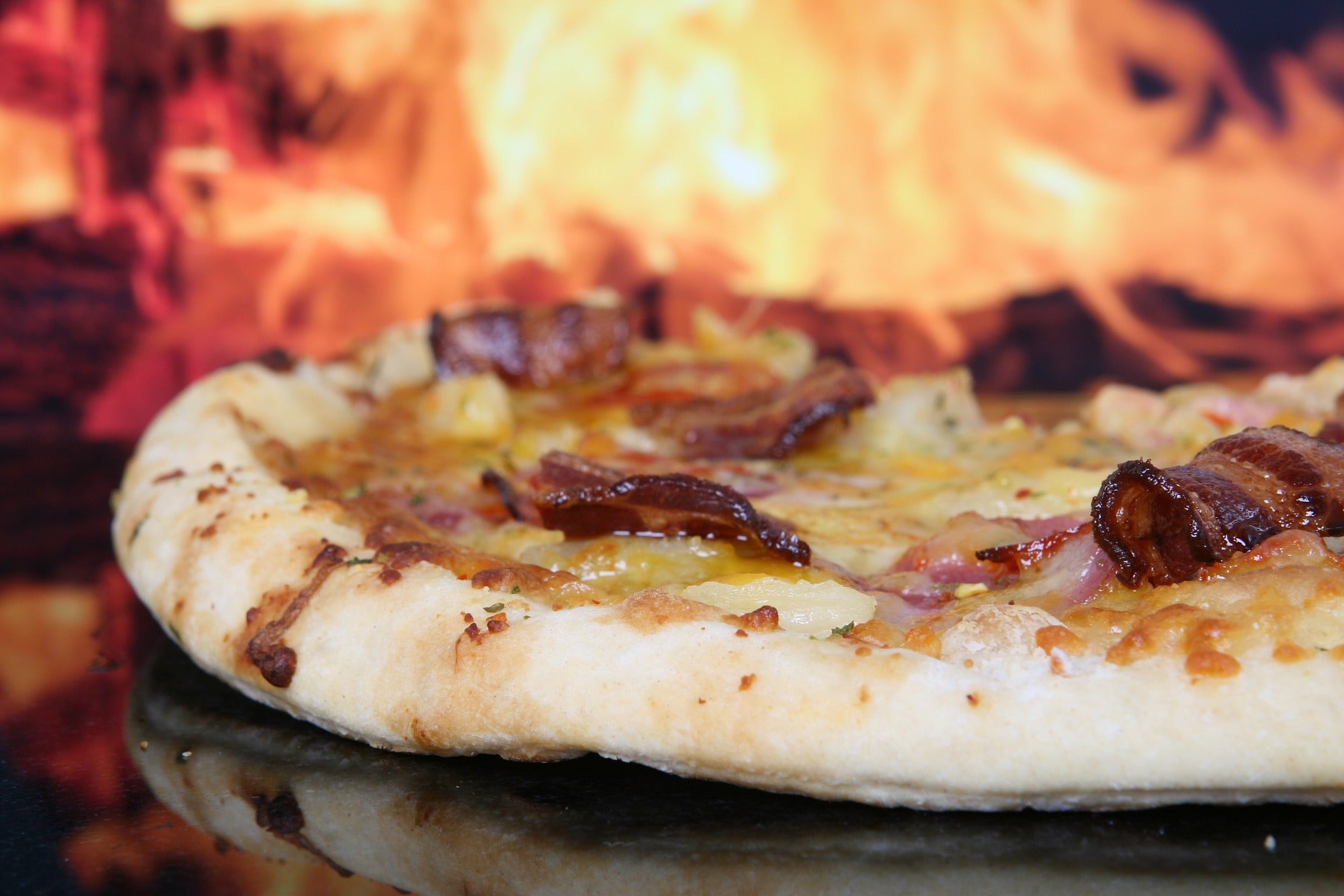
Image Source: fornopiombo.com
Deciphering Oven Heat Capabilities
Understanding how hot an oven gets is crucial for successful cooking and baking. The oven temperature range is quite broad, allowing for a variety of culinary tasks. From the gentle warmth needed to proof yeast to the intense heat required for a perfect sear, ovens are versatile appliances.
Standard Oven Temperatures
Most kitchens feature a standard oven designed for everyday cooking and baking. These ovens typically have a temperature control that allows you to set a specific heat. The common oven baking temperature for many recipes falls between 300°F (150°C) and 450°F (230°C). This range is ideal for cakes, cookies, roasts, and casseroles.
- Low Heat (Below 300°F / 150°C): Used for slow cooking, keeping food warm, or dehydrating.
- Medium Heat (300-400°F / 150-200°C): The most common range for baking bread, cookies, pies, and roasting vegetables.
- High Heat (400-500°F / 200-260°C): Excellent for searing meats, baking pizzas, and achieving a crispy crust.
Maximum Oven Temperature
The maximum oven temperature you can achieve will depend on the type of oven you have. For most conventional ovens, the highest setting you’ll comfortably use for cooking is typically around 500°F (260°C). However, some ovens have a dedicated “broil” setting, which can push the temperature even higher.
The Hottest Oven Setting: Broiling
The hottest oven setting for most standard ovens is the broil function. When you switch to broil, the heating element at the top of the oven glows intensely, directing intense, direct heat onto the food from above. This is similar to grilling.
- Broil Temperature: This can often reach 550°F (290°C) or even higher.
- Purpose: Broiling is perfect for quickly browning the tops of dishes, melting cheese, or cooking thin cuts of meat or fish.
- Caution: Because of the intense heat, food under the broiler can go from perfectly cooked to burnt very quickly. It requires constant attention.
Electric Oven Temperature vs. Gas Oven Temperature
There are subtle differences in how electric oven temperature and gas oven temperature perform, particularly at their maximums.
Electric Oven Heat Capabilities
Electric ovens tend to heat up more evenly and maintain a more consistent temperature once it’s reached. The heating elements in an electric oven are typically located at the bottom and top.
- Heating Method: Radiant heat from electric elements.
- Temperature Consistency: Generally very good.
- Max Temp: Similar to gas ovens, typically topping out around 500-550°F (260-290°C) in bake mode, with broil going higher.
Gas Oven Heat Capabilities
Gas ovens use a burner at the bottom to heat the oven cavity. The heat source is more of an open flame, which can lead to slightly more temperature fluctuation and hotter spots.
- Heating Method: Convection from a gas flame and radiant heat.
- Temperature Fluctuation: Can experience slightly larger swings in temperature compared to electric ovens.
- Max Temp: Similar to electric ovens, with broil settings reaching 550°F (290°C) or more.
- Moisture: Gas ovens tend to produce slightly more moisture, which can be beneficial for certain baked goods like bread.
Convection Oven Heat Explained
A convection oven takes standard oven heating to the next level by incorporating a fan. This fan circulates the hot air within the oven cavity.
How the Fan Affects Heat
The fan in a convection oven plays a significant role in how heat is distributed and how quickly food cooks.
- Even Cooking: The circulating air ensures that heat reaches all sides of the food simultaneously, leading to more even cooking and browning.
- Faster Cooking: Because the hot air is constantly moving, it transfers heat to the food more efficiently. This means food often cooks 20-25% faster in a convection oven compared to a conventional oven at the same temperature.
- Crispier Results: The constant airflow helps to dry the surface of food, leading to crispier skins on poultry, better browning on roasts, and more delicate crusts on pastries.
Convection Temperatures
When using a convection oven, it’s often recommended to reduce the oven baking temperature by about 25°F (15°C) from what a conventional oven recipe calls for. This is because the circulating air is more efficient at transferring heat.
- Example: If a recipe calls for 375°F (190°C) in a conventional oven, you might set your convection oven to 350°F (175°C).
Maximum Convection Temperatures
The maximum oven temperature for convection settings is generally the same as the highest regular baking setting, around 500-550°F (260-290°C). However, the fan’s efficiency can make these temperatures feel hotter and cook food faster. Some ovens have a dedicated “convection roast” or “convection bake” setting that automatically adjusts fan speed and temperature for optimal results.
Reaching the Highest Temperatures: Self-Cleaning Cycles
While the maximum oven temperature for cooking is around 550°F (290°C), ovens can reach significantly higher temperatures during their self-cleaning cycle. This feature is designed to turn baked-on food residue into ash.
How Self-Cleaning Works
During a self-cleaning cycle, the oven locks automatically and heats up to extreme temperatures, typically between 800°F and 1000°F (427°C to 538°C). This intense heat incinerates grease and food particles.
Safety and Usage
- Never Cook During Self-Clean: It is critical not to attempt to cook food during the self-cleaning cycle. The temperatures are far too high and will not cook food properly; instead, they could create dangerous fumes or even damage your oven.
- Ventilation: It’s advisable to open windows and ensure good ventilation during a self-cleaning cycle, as some smoke or odors may be produced.
- Oven Racks: Many oven manufacturers recommend removing oven racks before the self-cleaning cycle, as the extreme heat can cause them to discolor or warp.
Fathoming Oven Temperature Controls
Modern ovens offer a range of temperature controls, from simple dial thermostats to sophisticated digital interfaces. The accuracy of these controls plays a huge role in achieving desired cooking results.
Dial Thermostats
Older ovens often feature a dial with temperature markings. These are less precise and can have a wider temperature variance (up to +/- 50°F or 28°C) from the set temperature.
Digital Controls and Thermometers
Digital temperature controls offer much greater precision. Many ovens also come with built-in thermometers that monitor the internal temperature. However, even with digital controls, there can be slight variations.
Using an Oven Thermometer
For critical baking where precise temperature is key, using a separate, reliable oven thermometer is highly recommended. This allows you to verify the actual temperature inside your oven and adjust your oven’s thermostat if needed.
Temperature Variance
It’s important to note that most ovens don’t maintain a perfectly constant temperature. They cycle on and off to keep the temperature within a certain range. This cycle can lead to minor fluctuations in oven heat capabilities.
Factors Affecting Oven Temperature
Several factors can influence how hot your oven actually gets and how consistently it maintains its set temperature.
Age and Condition of the Oven
An older oven, or one that hasn’t been well-maintained, may not reach or hold its set temperature as accurately as a newer model. Gaskets around the door can degrade, allowing heat to escape.
Oven Door Seals
The oven door seals are crucial for maintaining consistent temperatures. A damaged or worn seal can lead to significant heat loss, meaning your oven has to work harder and may not reach the desired temperature efficiently.
Oven Location and Surroundings
While less impactful, the ambient temperature of your kitchen can also have a minor effect. An oven in a very cold room might take slightly longer to heat up.
Type of Cookware
The material and color of your cookware can affect how heat is absorbed. Darker pans absorb more heat, which can lead to faster cooking or browning.
Frequently Asked Questions About Oven Temperatures
Here are some common questions people have about how hot ovens get.
What is the typical oven temperature range for baking?
The typical oven temperature range for baking is generally between 300°F (150°C) and 450°F (230°C). This covers most common baking tasks like cookies, cakes, breads, and casseroles.
What is the maximum oven temperature for regular cooking?
The maximum oven temperature for regular cooking, excluding self-cleaning cycles, is usually around 500°F (260°C) to 550°F (290°C), especially when using the broil setting.
Does convection cooking require a higher oven temperature?
No, convection cooking generally requires a lower oven baking temperature. Because the fan circulates hot air, it cooks food more efficiently. It’s typically recommended to reduce the temperature by 25°F (15°C) compared to a conventional oven recipe.
How hot does the oven get on the broil setting?
The broil setting is designed to be the hottest setting, often reaching 550°F (290°C) or more. This intense, direct heat from the top element is used for browning and searing.
Is it safe to cook at the maximum oven temperature?
Yes, it is safe to cook at the maximum temperature your oven is designed for in its regular cooking modes (usually up to 550°F/290°C). However, you must use appropriate cookware and monitor your food closely, as high temperatures can lead to rapid cooking and burning. Never use the self-cleaning cycle for cooking.
How can I tell if my oven is heating properly?
You can tell if your oven is heating properly by using an oven thermometer. Place it in the center of the oven and compare its reading to the temperature you set on your oven’s dial or display. If there’s a significant difference, your oven may need calibration or repair.
What is the temperature during a self-cleaning cycle?
During a self-cleaning cycle, ovens reach extremely high temperatures, typically between 800°F and 1000°F (427°C to 538°C), to burn off food residue. This is far too hot for cooking.
Are gas ovens hotter than electric ovens?
Both gas and electric ovens can reach similar maximum temperatures. However, gas ovens tend to have more temperature fluctuations due to the open flame, while electric ovens typically maintain a more consistent heat. This can sometimes make electric ovens slightly more predictable for delicate baking.