
You know if your air conditioner is frozen by looking for key signs. The main sign is seeing ice on the AC coil, often called the frozen evaporator coil. Other big clues are the AC blowing warm air or the AC not cooling your home well. You might also see water leaking from the AC unit or spot ice on copper lines near the unit. These are common symptoms of a frozen AC. If you see these things, your AC unit freezing up is likely the problem.
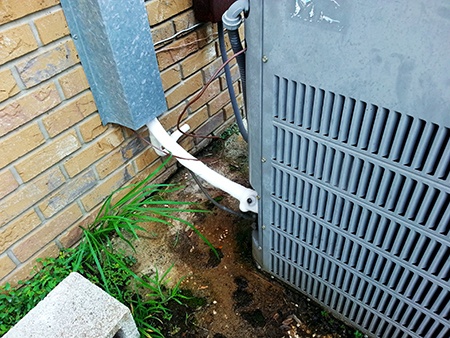
Image Source: www.adams-air.com
Deciphering the Signs of a Frozen AC
Knowing the signs helps you act fast. A frozen air conditioner cannot cool your home. It can also lead to bigger problems if not fixed. Let’s look at the signs closely.
Ice on the AC Coil
This is the most direct sign. Your AC has coils inside. One is called the evaporator coil. It gets cold to cool the air. If you can see this coil, look at it. Do you see ice on the AC coil? It might be a thin layer or thick blocks of ice. This is a sure sign. This air conditioner ice buildup stops the coil from working right.
Look at the outdoor unit too. Sometimes ice can form there. Look at the big copper line connected to the outdoor unit. This line brings cold refrigerant. If you see ice on copper lines, it’s another sign of a problem inside. The ice often starts inside but shows on the outside line.
AC Blowing Warm Air
Your AC is supposed to blow cold air. If you turn it on but only feel warm air coming from the vents, this is a major sign something is wrong. A frozen evaporator coil cannot take heat from the air. So, the air passes over the ice and stays warm. The AC blowing warm air is a very common symptom when the unit freezes up.
AC Not Cooling
This goes hand-in-hand with warm air. The main job of your AC is to cool your home. If the AC not cooling your house is a problem, it could be frozen. Even if the air isn’t warm, it might just feel humid or not cool at all. The AC is running, but it’s not doing its job. This lack of cooling power points to an issue like a frozen evaporator coil.
Water Leaking from the AC
When an AC freezes, water often appears. Normally, condensation (water from the air) drips off the coil into a drain pan. Then it goes out a drain line. When the coil freezes, this process stops. The ice melts when the AC stops or when it gets warm. This melting ice creates excess water. This water can overflow the drain pan. So, seeing water leaking from the AC unit inside your home is a strong sign of freezing. The leak often happens near the indoor unit (the furnace area).
Different Looks of Ice Buildup
The ice on your AC can look different.
* Thin frost: Like a light layer of snow on the coil or lines.
* Thick ice: Big, solid blocks of ice covering the coil, lines, or even parts of the unit.
* Ice on parts you can see: Check the big copper pipe outside. Feel it. Is it very cold? Is there ice on it?
These symptoms of a frozen AC tell you the cooling cycle is broken. The system isn’t moving heat out of your home the way it should.
Interpreting Why Your AC Freezes
An AC freezes because something stops the evaporator coil from getting warm enough. The refrigerant inside the coil gets very cold (below 32°F or 0°C). Air normally flows over this cold coil. This air has some warmth and moisture. The warmth keeps the coil from getting too cold. The moisture turns into water (condensation). If air doesn’t flow well, or if there isn’t enough warmth from the air, the coil gets colder and colder. Water on the coil then turns to ice.
Many things can cause this. Let’s look at the common reasons your AC unit freezing up.
Poor Airflow
This is a very common cause. The AC needs air to flow over the evaporator coil. This air brings heat from your home. If not enough air flows, the coil gets too cold.
* Dirty Air Filter: A dirty air filter is a top cause. It blocks air from entering the system. Think of trying to breathe through a thick blanket. Not much air gets through. A clogged filter is like that for your AC. Less air means the coil gets colder and freezes.
* Blocked Vents or Registers: Are your supply vents or return vents closed or blocked by furniture? This also limits airflow. Close too many vents, and the system doesn’t get enough air back to the indoor unit.
* Issues with the Fan Motor: The fan motor inside the furnace or air handler blows air over the coil. If it’s slow, broken, or not working right, airflow drops.
* Dirty Evaporator Coil: The coil itself can get covered in dirt and dust. This dirt acts like a blanket. It stops air from touching the cold coil surface. This reduces heat transfer and airflow.
* Too Many Closed Doors: In some systems, closing too many doors in a house can also restrict airflow, especially if there aren’t return vents in every room.
Low Refrigerant (Low Freon)
Refrigerant is the stuff that cools the air. It moves heat from inside your home to outside. If your AC doesn’t have enough refrigerant, it can freeze. This is usually because of a leak.
* How it works: When refrigerant levels are low, the pressure in the system drops. Lower pressure means the refrigerant gets colder than it should in the evaporator coil. This super-cold coil then easily freezes the moisture from the air.
* Signs of low refrigerant: Besides freezing, you might hear a hissing or bubbling sound (the leak). The air won’t feel as cold. This is a serious issue. You need a professional to find the leak, fix it, and add more refrigerant. Adding refrigerant without fixing the leak is a temporary fix.
Mechanical Problems
Sometimes, parts of the AC system break down.
* Malfunctioning Expansion Valve: This valve controls how much liquid refrigerant goes into the evaporator coil. If it doesn’t work right, too much refrigerant can enter. This makes the coil too cold, causing a frozen evaporator coil.
* Faulty Blower Motor: As mentioned before, if the fan motor isn’t moving air correctly, the coil can freeze.
* Thermostat Problems: A broken thermostat might tell the AC to run too long or not cycle properly, contributing to issues that could lead to freezing.
Running the AC When It’s Too Cold Outside
Your AC is designed to work within certain outdoor temperature ranges. Running it when the outside temperature is too low (usually below 60°F or 15°C) can cause freezing.
* Why this happens: There isn’t enough heat difference between inside and outside for the system to work right. The indoor coil doesn’t get enough heat from the indoor air (which is cooler because the house is already cold). This makes the coil get too cold, leading to ice.
Understanding these causes helps prevent the issue. But first, you need to know how to deal with a frozen evaporator coil.
Grasping the Thawing Process
Okay, you’ve checked the signs. You see ice on the AC coil. Your AC is blowing warm air. You have water leaking from the AC. Your AC is frozen. What do you do? The first and most important step is to thaw frozen air conditioner.
Step 1: Turn Off the AC
This is critical. Do not keep running a frozen AC.
* Go to your thermostat.
* Change the setting from “Cool” to “Off”.
* It’s also a good idea to turn the fan setting from “Auto” to “On”. This will make the fan blow air over the coil. The air isn’t being cooled anymore (since the system is off), but moving air helps melt the ice faster.
* If you can, turn off the power to the AC unit entirely at the breaker box for safety, especially if there’s a lot of water leaking from the AC. Look for the breaker labeled “AC” or “Furnace”.
Step 2: Let the Ice Melt
This is the main part of how to thaw frozen air conditioner. You need to give the ice time to melt completely.
* Leave the AC system off (but the fan on if possible) for several hours. It could take anywhere from 2 to 24 hours for all the air conditioner ice buildup to melt. It depends on how much ice there is and the temperature in your home.
* Keep towels or a wet/dry vacuum ready to deal with the melting water. Remember that water leaking from the AC is a sign, and more will likely leak as the ice melts. Place towels around the indoor unit to catch drips.
Step 3: Address the Cause
While the ice is melting, try to figure out why it froze.
* Check the Air Filter: This is the easiest thing to check. Locate your air filter (usually near the indoor unit/furnace). Is it thick with dirt? If so, replace it with a new, clean filter. This is a major step to fix the airflow issue.
* Check Vents: Make sure all your supply and return vents inside your home are open and not blocked by furniture, rugs, or curtains.
* Look for Obvious Issues: Do you hear strange noises? Did you run the AC when it was very cold outside? Think about anything unusual that happened before it froze.
Step 4: Clean Up the Water
As the ice melts, water will come out. Clean it up to prevent damage to your floors or walls. Use towels, mops, or a wet/dry vacuum. Check the drain pan near the indoor unit. Is it full? Carefully empty it if possible. Make sure the drain line isn’t blocked. A blocked drain line can also cause water leaks, though usually not from freezing specifically.
Step 5: Restart the AC (Carefully)
Once all the ice is gone (CHECK CAREFULLY! Feel the coil and pipes. No ice should be left), you can try running the AC again.
* Go back to your thermostat.
* Set the fan back to “Auto”.
* Set the system to “Cool”.
* Set the temperature to a lower level than your current room temperature to make it turn on.
* Listen and feel. Does the outdoor unit turn on? Does cold air start coming from the vents?
When to Call a Professional
If the AC freezes again after you’ve thawed it and checked the filter/vents, or if you suspect low refrigerant, a mechanical problem, or cannot find the cause, you need a pro.
* A technician can check refrigerant levels safely.
* They can find and fix refrigerant leaks.
* They can diagnose mechanical issues like faulty valves or motors.
* They have tools to clean coils thoroughly if needed.
Trying to fix complex AC problems yourself can cause more damage. For issues beyond simple airflow fixes, call an HVAC technician.
Interpreting Common Causes in Detail
Let’s look closer at the main reasons an AC freezes up. This helps you prevent it from happening again.
Cause 1: Restricted Airflow
Imagine your AC is like a person trying to breathe while running. If something is blocking their mouth and nose, they can’t get enough air. For your AC, the “breathing” is air moving over the cold coil.
Dirty Air Filters: This is the number one airflow killer. Filters catch dust, pet hair, and dirt. Over time, they get clogged.
* How it looks: A dirty filter is gray or black with buildup. You can’t easily see light through it.
* The effect: Less air reaches the evaporator coil. The coil keeps getting cold, but the warm air needed to keep it from going below freezing isn’t there in enough volume. Water on the coil freezes.
* The fix: Check your filter monthly. Change it every 1-3 months, or as the manufacturer suggests. This is a cheap and easy fix!
Blocked Vents and Returns: Air comes into your home through supply vents and goes back to the AC system through return vents (often larger).
* How it looks: A vent might be closed. A sofa might be pushed against a return vent. Curtains could be covering a supply vent.
* The effect: Airflow is reduced throughout the house and back to the AC unit. This creates the same problem as a dirty filter – not enough warm air reaching the coil.
* The fix: Make sure all vents are open. Move furniture or curtains away from vents. Ensure return vents are clear.
Dirty Evaporator Coil: Dust and grime can build up directly on the fins of the evaporator coil itself.
* How it looks: The coil looks coated in dirt. The thin metal fins might be bent or matted together, further blocking air.
* The effect: Even with a clean filter, air can’t flow efficiently through the coil. Heat exchange is poor, and the coil gets too cold.
* The fix: This is harder to clean. Some light surface cleaning can be done carefully (power off!). For heavy buildup, a professional cleaning is needed. They have special tools and cleaners.
Cause 2: Low Refrigerant
This is a sign of a bigger issue: a leak. Refrigerant doesn’t get “used up” like gas in a car. If it’s low, it means it leaked out somewhere.
* How it works: The system uses a specific amount of refrigerant at a specific pressure. This is like the blood pressure in your body. If pressure drops (because of a leak), the boiling point of the refrigerant drops too. It evaporates at a much lower temperature than it should in the evaporator coil. This makes the coil super, super cold, way below freezing. Ice forms.
* The danger: Low refrigerant doesn’t just cause freezing. It makes the compressor (the main part of the outdoor unit) work harder. This can burn out the compressor, which is very expensive to replace.
* The fix: You must have a certified HVAC technician fix a refrigerant leak. They will find the leak, repair it, and then add the correct type and amount of refrigerant. It’s illegal and harmful to just add refrigerant without fixing the leak.
Cause 3: Mechanical Failures
When parts break, the system’s delicate balance is upset.
* Expansion Valve: This valve controls the flow of liquid refrigerant into the evaporator coil. If it sticks open or fails, too much liquid can flood the coil, making it excessively cold and causing freezing.
* Blower Motor Issues: The motor pushing air might be failing. It might run slower than needed or stop working entirely. Slow air means freezing.
* Low Outdoor Temperature Operation: Running the AC when it’s too cold outside messes with the system’s ability to absorb heat indoors and release it outdoors properly. The indoor coil doesn’t get enough heat from the air passing over it to stay above freezing.
Understanding these causes highlights why preventing freezing involves regular maintenance and being mindful of how and when you run your AC.
Fathoming Prevention for AC Freezing
Preventing your AC from freezing saves you hassle, repair costs, and keeps you cool. Most prevention steps are part of regular AC maintenance.
Regular Filter Checks
This is the easiest and most important step.
* Frequency: Check your air filter every month. Make a note on your calendar or set a reminder.
* Action: If it looks dirty (even grayish), replace it. Don’t wait for it to be black and clogged. Clean filters allow good airflow.
Keep Vents Clear
Walk through your home.
* Check: Are all your supply vents (where cool air comes out) open? Are your return vents (often larger, where air is pulled in) unobstructed?
* Action: Move furniture, rugs, or curtains away from vents. Ensure doors to rooms with supply vents are not always kept closed tightly, especially if there are no return vents in those rooms.
Schedule Annual Professional Maintenance
Think of this like getting the oil changed in your car. A professional technician can:
* Clean Coils: They can clean the evaporator coil and the outdoor condenser coil effectively. Clean coils work better and allow proper airflow/heat exchange.
* Check Refrigerant Levels: They will check if the refrigerant charge is correct. This can catch small leaks before they become big problems.
* Inspect Components: They check the blower motor, expansion valve, and other parts to make sure they are working right.
* Check Drain Line: They can ensure the condensate drain line is clear, helping prevent water issues.
Getting tune-ups helps catch problems that lead to AC unit freezing up before they happen.
Avoid Running AC in Low Outdoor Temperatures
Know the limit for your specific AC unit.
* General Rule: Most standard ACs are not designed to run when outside temperatures are below 60°F (15°C). Check your owner’s manual or ask a technician for your system’s specific limit.
* Action: If the weather cools down unexpectedly, turn off your AC. Use fans or open windows if needed. If you need cooling in low temperatures (for a server room, for example), you need a special low-ambient kit installed on your AC or a different type of cooling system.
Monitor for Early Signs
Pay attention to how your AC is running.
* Listen: Do you hear strange noises?
* Feel: Is the air from the vents cold? Is it less cold than usual?
* Look: Check for any signs of water leaking from the AC. Even small leaks can be a clue.
* Check: Look at the outdoor unit’s large copper line. Is it starting to look frosty?
Catching symptoms of a frozen AC early, like a slight frost instead of thick ice, can help you fix the airflow issue (like changing the filter) before the problem becomes severe.
By taking these steps, you greatly reduce the chance of ending up with a frozen evaporator coil and facing the trouble of a frozen AC.
Summarizing the Signs and Causes
Let’s put the main points together in a simple way.
| What You See/Feel | What It Means (Likely) | Common Causes (Why) |
|---|---|---|
| Ice on AC coil | The coil is too cold. | Poor airflow, Low refrigerant, Mechanical issue, Low temp |
| Frozen evaporator coil | Same as above. | Poor airflow, Low refrigerant, Mechanical issue, Low temp |
| AC blowing warm air | Coil can’t absorb heat. | Frozen coil (or other major issue) |
| AC not cooling | System not working right. | Frozen coil (or other major issue) |
| Water leaking from AC | Melting ice or blocked drain. | Frozen coil, or condensation drain issue |
| Ice on copper lines | Refrigerant issue/Freezing coil. | Low refrigerant, Poor airflow |
| Symptoms of a frozen AC | Your AC is frozen. | Listed above |
| AC unit freezing up | The AC is frozen. | Listed above |
Knowing these links helps you move from seeing a sign to figuring out the likely reason.
What Happens If You Ignore a Frozen AC?
Ignoring a frozen evaporator coil is a bad idea.
* No Cooling: Your home won’t get cool. This is uncomfortable and can be dangerous in hot weather.
* System Damage: Running a frozen AC can damage parts. The compressor working against a blockage of ice is like trying to pump water through a frozen pipe – it puts huge strain on the pump. This can lead to the compressor failing.
* Water Damage: The melting ice can cause significant water leaking from the AC, leading to damage to your ceiling, walls, floor, or belongings.
* Higher Bills: A struggling, frozen AC uses electricity without providing cooling. Your energy bills will be high, but you won’t feel the benefit.
It’s always best to deal with air conditioner ice buildup right away by turning the unit off and letting it thaw.
Detailed Steps to Thaw and Restart
Let’s walk through the thawing process again with more detail, focusing on safety and effectiveness.
Action Plan for a Frozen AC:
- Confirm the Freeze: Look for ice on AC coil or ice on copper lines. Feel the air – is it warm or not cool? Is there water leaking from AC? If yes, it’s likely frozen.
- Shut Down Cooling: Go to your thermostat. Turn the system mode to “Off”. Do not just raise the temperature. Make sure the cooling cycle stops.
- Run the Fan (Optional but Helpful): Change the fan setting from “Auto” to “On”. This blows room-temperature air over the frozen coil. This helps melt the ice faster. It uses some electricity but less than the full AC system.
- Turn Off Power (Recommended): For safety, especially with water present, find the breaker box. Turn off the breaker for your AC system (indoor and outdoor units if they are separate). This prevents the system from accidentally trying to start while frozen or wet.
- Manage Melting Water: Place towels, buckets, or a large pan around the base of the indoor unit. Use a wet/dry vacuum if you have one for larger amounts of water. Check the drain pan if you can access it safely; empty it if full.
- Wait for Complete Thaw: Be patient. Depending on the ice amount and humidity, this can take anywhere from a few hours to a full day. Do not chip away at the ice; you can damage the delicate fins and coils. You can speed it up slightly by using a fan aimed at the coil (if accessible and safe) or even a hairdryer on a cool setting (never hot!). But letting the air flow usually works fine. The goal is for all air conditioner ice buildup to be gone.
- Address the Cause (While Waiting): This is the time to change the dirty air filter. Check vents. Think about if you ran the AC in very cold weather.
- Inspect After Thaw: Once the ice is completely melted, look at the coil. Does it look very dirty? Are the fins bent? This might point to needing professional cleaning or fin straightening.
- Restore Power: Go back to the breaker box and turn the AC breaker(s) back on.
- Restart the System: Go to your thermostat. Change the fan setting back to “Auto”. Change the system mode back to “Cool”. Set the temperature lower than the current room temp to make it start.
- Monitor: Listen. Does the outdoor unit start? Does the indoor fan blow? Feel the air coming from the vents. Is it cold? Let the system run for 30-60 minutes. Check the outdoor unit’s large copper line – it should be cold but not freezing or showing frost. Check the indoor unit again – no ice should be forming.
If the AC freezes again soon after following these steps, the cause is likely something you can’t fix yourself, like a refrigerant leak or a mechanical part failure. That’s when you call an HVAC technician.
Long-Term Fixes and Maintenance
Fixing the immediate freezing is only temporary if you don’t fix the root cause. Long-term prevention is key.
- Consistent Filter Changes: Make this a habit. It’s the cheapest insurance for your AC.
- Regular Professional Tune-Ups: Once a year (ideally in spring before cooling season) is standard. This catches many problems early.
- Check Ductwork: Leaky or damaged ductwork can reduce airflow significantly. A professional can inspect your ducts.
- Verify System Size: If your AC unit is too big for your home, it can cool the house too quickly without running long enough to remove humidity properly. This can sometimes contribute to freezing issues over time, although it’s less common than airflow or refrigerant problems. A professional can assess if your system is the right size.
- Ensure Proper Drainage: Make sure the condensate drain line isn’t clogged. Pouring a little vinegar or bleach (check your manual first!) down the line opening can help prevent clogs. A professional can also flush the line during maintenance.
By staying on top of these maintenance tasks, you significantly lower the risk of your AC unit freezing up. You’ll keep your home cool and avoid costly repairs down the line.
Frequently Asked Questions (FAQ)
Here are some common questions people ask about frozen air conditioners.
Q: How long does it take for a frozen AC to thaw?
A: It depends on how much ice there is. It can take anywhere from a few hours to a full 24 hours. Running the fan can help speed it up.
Q: Can I pour hot water on the ice to melt it faster?
A: No, avoid this. Pouring hot water can damage the delicate components of the coil and fins. Let it melt naturally with air, or use a fan on a cool setting.
Q: What if my AC freezes again right after I thaw it?
A: If it freezes again after you’ve changed the filter and checked for blocked vents, the problem is likely more serious. It could be a refrigerant leak, a mechanical issue, or a dirty coil needing professional cleaning. You should call an HVAC technician.
Q: Is a little bit of frost on the copper line okay?
A: A little frost or heavy condensation on the larger, insulated copper line (the suction line) on a very hot and humid day might be normal. But any significant ice buildup or ice on the smaller copper line is a sign of a problem, usually low refrigerant or severe airflow restriction. When in doubt, check your filter and watch for other signs.
Q: My outdoor unit looks fine, but my indoor unit is frozen. Is that normal?
A: Yes, the freezing usually happens on the indoor evaporator coil. While you might see ice on the copper line outside connected to the indoor unit, the main ice buildup is inside.
Q: Can a dirty outside unit cause the inside unit to freeze?
A: Yes, indirectly. A very dirty outdoor coil (condenser coil) makes the entire system work harder. This can affect refrigerant pressure and how the system operates, sometimes contributing to freezing issues on the inside unit. Regular cleaning of both coils is important.
Q: How often should I change my air filter?
A: It depends on the filter type (1-inch, 4-inch, etc.) and conditions in your home (pets, allergies). As a general rule, 1-inch filters should be checked monthly and usually changed every 1-3 months. Thicker filters last longer. Always check the filter manufacturer’s recommendation.
Q: Can I still use my AC fan if the unit is frozen?
A: Yes, and you should use the fan (set to “On”) to help melt the ice faster after you’ve turned the cooling system “Off”. This uses the fan only, not the cooling system.
Q: Will my AC unit fix itself if I just turn it off for a while?
A: Turning it off will allow the ice to melt (thaw). But it won’t fix why it froze in the first place. Unless the cause was simply running it in too cold weather, you need to address the underlying issue (dirty filter, low refrigerant, etc.) for it not to freeze again.
Q: How can I tell if low refrigerant is the issue?
A: Besides freezing, signs of low refrigerant include the air not getting very cold, hissing or bubbling sounds from the system, and potentially ice on the outdoor unit’s copper line connections. A technician uses special gauges to measure refrigerant pressure accurately.
Knowing the signs and understanding the common causes empowers you to deal with a frozen AC effectively and prevent it from happening again. Regular maintenance is your best defense against this common problem.