
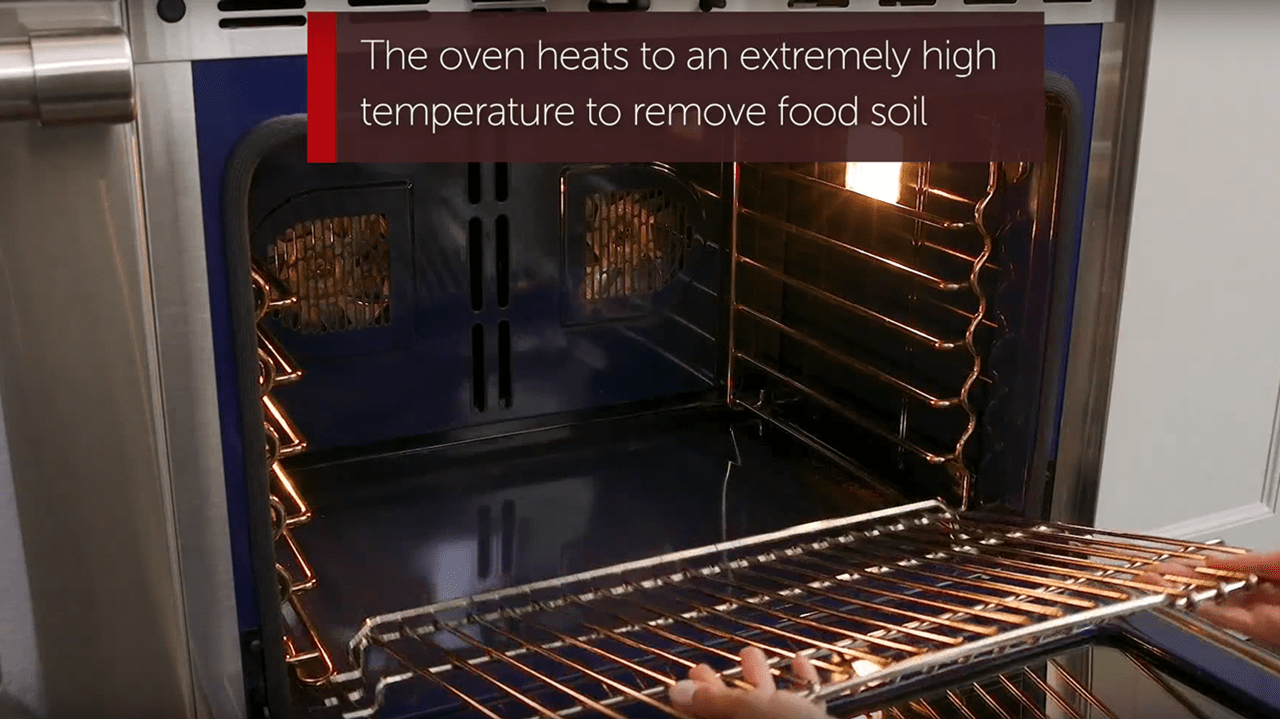
Image Source: www.subzero-wolf.com
Expert Tips: How Do You Clean A Wolf Oven Right
You ask, “How do you clean a Wolf oven?” You clean a Wolf oven by first checking your owner’s guide for model-specific steps. Most often, you will remove racks and clean them separately. Then, you will clean the oven’s inside using gentle cleaners made for ovens or a mix of baking soda and water. Some Wolf ovens have a self-cleaning cycle you can use for tough messes. Always let the oven cool first and wipe up loose bits before you start cleaning.
Why Keeping Your Wolf Oven Clean Matters
A clean oven works better. It heats food evenly. It helps your oven last a long time. When food drips and burns, it makes smoke. This smoke can make your food taste bad. It can also be a fire risk. Cleaning your Wolf oven keeps your kitchen safe. It keeps your food tasting great. It also keeps your beautiful Wolf oven looking new. Following the right Wolf oven cleaning instructions is key.
Getting Ready to Clean Your Wolf Oven
Before you start cleaning, do a few simple steps. This makes the job easier and safer.
Power Off the Oven
First, turn off the power to the oven. You can flip the breaker switch. This is a very important safety step. It makes sure the oven cannot turn on while you are cleaning inside.
Let the Oven Cool Down
Always wait for the oven to be cool. A hot oven can burn you badly. Open the door and let the air move. Give it plenty of time to cool fully.
Remove Loose Food Bits
Use a soft cloth or a brush. Wipe up any loose crumbs or fallen food. This stuff will get in your way when you clean. Taking it out first makes the real cleaning job simpler.
Gather Your Cleaning Supplies
Get everything you need ready. This saves you time later. You will need cleaners, cloths, and maybe gloves.
What You Will Need
- Rubber gloves (to protect your hands)
- Soft cloths or sponges (not rough ones)
- Old towels or newspaper (to protect the floor)
- A spray bottle
- Baking soda
- Vinegar (white distilled)
- Dish soap
- Special oven cleaner (if needed, check manual first)
- Plastic scraper or old credit card (for stuck bits)
- Water
Cleaning the Oven Interior Walls and Floor
Cleaning the inside is the biggest part. This is where most of the cooking mess happens. This section covers Wolf oven interior cleaning.
Making a Simple Cleaner
A mix of baking soda and water works well for most messes. This is often the best way to clean Wolf oven interiors without harsh chemicals.
- Mix about half a cup of baking soda with a few spoons of water.
- Stir until it makes a thick paste. It should look like frosting.
- Add more water or baking soda if needed.
Applying the Cleaning Paste
Put on your gloves. Spread the baking soda paste all over the inside surfaces.
- Cover the walls.
- Cover the floor.
- Cover the ceiling of the oven.
- Do not put paste on the heating elements. Go around them carefully.
- Make sure to cover spots with baked-on grease Wolf oven messes. Put extra paste on these spots.
Let the Paste Work
This paste needs time to break down the grease and grime.
- Let it sit for at least a few hours.
- For really tough dirt, leave it overnight.
- The paste will turn brown as it soaks up the grease.
Wiping Away the Paste
After the waiting time, it’s time to clean it off.
- Use a damp cloth.
- Wipe away the dried paste.
- Rinse your cloth often in clean water.
- You will need to wipe many times. This gets all the baking soda out.
- Use a plastic scraper for any spots the paste did not loosen completely. Be gentle. Do not scratch the surface.
Rinsing and Drying
Make sure all the baking soda is gone.
- Use a clean, damp cloth to wipe again. Rinse it well.
- You can spray a little white vinegar on spots with paste left. The vinegar will bubble with the baking soda. This helps lift it.
- Then, wipe with a clean, wet cloth again.
- Use a dry cloth to dry the inside well. This helps prevent streaks.
More About Cleaning Wolf Oven Interior Walls
The walls can get quite greasy. Focus on the corners and seams. These areas can trap grease. A small brush, like an old toothbrush, can help clean tight spots. Remember the goal is a clean surface with no cleaner left behind. This is a key part of how to clean Wolf oven interior walls right.
Handling Baked-On Grease and Tough Stains
Sometimes, you have really hard, burnt-on spots. The baking soda paste helps, but you might need more. Removing baked-on grease Wolf oven requires patience.
Using a Plastic Scraper
For thick, hard spots, use a plastic scraper.
- Hold the scraper at an angle.
- Gently push under the edge of the burnt spot.
- Do not use metal scrapers. They will scratch the oven’s finish.
- An old plastic credit card works well too.
Applying More Paste
Put more baking soda paste on the stubborn spots.
- Make the paste a bit thicker for these areas.
- Let it sit longer.
- Try scraping again after more time.
Using a Commercial Oven Cleaner (Use with Caution)
Wolf usually suggests avoiding harsh chemicals. But for very bad messes, you might think about a special oven cleaner.
- Read your Wolf owner’s manual first. See what cleaners they say are okay. Some cleaners can harm the oven’s surface or parts.
- If you use one, pick a cleaner made for ovens. Look for less harsh options if possible.
- Always follow the product’s directions exactly.
- Make sure your kitchen is well-aired. Open windows.
- Wear gloves and eye protection.
- Do not get cleaner on heating elements, fans, or the oven door seal.
- Rinse the oven many, many times after using a strong cleaner. Make sure no chemical smell or residue is left.
Steam Cleaning Trick
A simple steam trick can loosen some grime.
- Put a heat-safe dish or pot filled with water in the cool oven.
- Heat the oven to a low temperature (like 200-250°F or 100-120°C) for about 30 minutes.
- Turn the oven off.
- Let it cool completely! This is very important.
- The steam helps loosen stuck-on food.
- Then, wipe the inside with a cloth. This method is gentle and can help before or after using paste.
Cleaning Wolf Oven Racks
The racks get very dirty too. They need to be cleaned outside the oven. This is the Wolf oven rack cleaning part.
Removing the Racks
Pull the racks out of the oven. Most just slide right out. Wolf racks are sturdy and can be heavy.
Cleaning Racks in the Sink or Tub
You can clean racks in a big sink or even a bathtub (line it first to protect it).
- Lay the racks in the sink or tub.
- Fill it with hot water.
- Add a good amount of dish soap.
- Let the racks soak for several hours, or even overnight. This soaking really helps loosen grease.
Scrubbing the Racks
After soaking, the grime should be softer.
- Use a non-scratch scrubbing pad or brush.
- Scrub the racks well.
- Focus on the bars and where they cross.
- Rinse the racks with clean water.
Using Baking Soda for Racks
If soaking and scrubbing is not enough:
- Make a baking soda paste, like you did for the oven interior.
- Spread it on the racks.
- Let it sit for an hour or two.
- Scrub the paste off and rinse well.
Drying the Racks
Dry the racks completely before putting them back in the oven.
- You can dry them with a cloth.
- Or let them air dry fully.
Cleaning Wolf Oven Door Glass
The door glass gets dirty from splatters inside and fingerprints outside. Cleaning Wolf oven door glass makes a big difference in how clean the oven looks.
Cleaning the Outer Glass
The outside of the door is like cleaning any glass surface.
- Use a glass cleaner or a mix of vinegar and water (half vinegar, half water in a spray bottle).
- Spray on a soft cloth first, not directly on the door.
- Wipe the glass clean.
- Dry with a clean, dry cloth for a streak-free finish.
- Clean the door handle and control panel gently with a damp cloth. Do not spray cleaners directly on controls.
Cleaning the Inner Glass
Cleaning the inside of the oven door glass can be tricky. Food often gets stuck on the inside.
- Use the baking soda paste method here too.
- Spread the paste on the inside of the glass.
- Let it sit for 30 minutes to an hour.
- Wipe it off with a damp cloth.
- Rinse and dry the glass well.
Reaching Between the Door Glass Panels
On some Wolf models, you can clean between the glass panels of the door. This is where grease can drip and get stuck.
- Check your owner’s manual carefully. It will show if your model allows this and how to do it safely.
- Often, it involves removing a trim piece at the top or bottom of the door.
- You might need a special tool or just a screwdriver.
- Once the trim is off, you can often reach a cloth between the glass panels.
- Use a damp cloth with a little dish soap or baking soda mix.
- Wipe the inside surfaces of both glass panes.
- Use a dry cloth to dry them well.
- Put the trim piece back carefully. Make sure it is secure.
- If you are not comfortable doing this, you can ask a service person for help.
Table: Quick Guide for Glass Cleaning
| Area | Recommended Cleaner | Method | Notes |
|---|---|---|---|
| Outer Glass | Glass cleaner or Vinegar/Water (1:1) | Spray on cloth, wipe, dry | Avoid spraying controls |
| Inner Glass | Baking Soda Paste | Apply, let sit 30-60 min, wipe, rinse, dry | Good for baked-on grime |
| Between Panels | Damp cloth w/ soap or baking soda | Access via trim (check manual), wipe/dry | Requires removing door parts, check manual! |
Grasping the Wolf Oven Self-Cleaning Cycle
Many Wolf ovens have a self-cleaning feature. This cycle uses very high heat to turn food messes into ash. This is the Wolf oven self-cleaning cycle.
When to Use It
Use the self-cleaning cycle for heavy build-up that is hard to clean by hand. It is not needed for light cleaning.
Steps Before Starting the Cycle
Do these important things before you start:
- Remove EVERYTHING from the oven. This includes racks, rack guides (if removable), probes, and any foil or pans. The high heat can damage these items. The manual will tell you exactly what to remove.
- Wipe up loose crumbs and spills. The self-clean cycle works best on dried, stuck-on grime, not piles of food. Removing loose stuff helps reduce smoke.
- Lock the oven door. The oven locks automatically when the cycle starts. Make sure the door is fully closed and latched (if it has a latch).
- Make sure the kitchen is well-aired. Open windows and turn on vent fans. The cycle can produce some smoke and odors from burning food.
- Keep kids and pets away. The oven gets very hot on the outside during the cycle.
Starting the Cycle
- Check your specific Wolf model’s manual for the right buttons and settings.
- Choose the length of the cleaning cycle. Longer times are for heavier messes.
- Start the cycle. The oven will get very hot, up to 800-1000°F (425-540°C).
During and After the Cycle
- Do NOT open the door during the cycle. It is locked for safety.
- Let the oven cool down completely after the cycle finishes. This takes several hours. The door will stay locked until it is cool enough to open.
- Once cool, open the door. You will see a fine ash on the bottom and sides.
- Use a damp cloth to wipe up the ash.
- Rinse the oven lightly to remove all ash.
- Dry the interior well.
Important Notes on Self-Cleaning
- Self-cleaning uses a lot of energy.
- It can cause strong smells. Make sure you have good air flow.
- It puts stress on oven parts because of the high heat. Do not use it too often. Maybe only a few times a year.
- Check the oven door seal after the cycle. Make sure it looks okay.
- The door glass might get a little cloudy or stained even after the cycle. You might need to clean the glass by hand afterward.
Best Way to Clean Wolf Oven: A Summary
There is no single “best” way for every situation. It depends on how dirty your oven is.
- For light dirt: Simple wipe down with dish soap and water or a baking soda mix.
- For moderate dirt and baked-on grease: Baking soda paste left for several hours is often the best natural method. Scrubbing and scraping might be needed.
- For heavy, burnt-on messes: Consider the self-cleaning cycle if your oven has it and the mess is mainly carbonized food. Always follow the steps and safety rules. Hand cleaning with baking soda or a recommended cleaner might be needed after the cycle.
- For specific areas: Separate methods for racks and door glass are best.
Using gentle methods first is always a good idea. This helps protect your oven’s finish. Check your manual for Wolf oven cleaner recommendations. Wolf usually has specific advice.
Cleaning a Wolf Range and Oven Together
If you have a Wolf range, you are cleaning the cooktop too. This section is about cleaning Wolf range and oven units.
- Clean the cooktop first. Follow Wolf’s instructions for your specific cooktop type (gas burners, induction, electric).
- Then clean the oven. Follow the steps above.
- When cleaning the oven door area, be careful not to drip cleaners onto the cooktop.
- Wipe the control panel carefully. Use a damp cloth only. Do not spray cleaners directly on it.
- Clean the exterior of the range (sides and front) with a damp cloth and maybe a mild cleaner. Use a stainless steel cleaner if your range is stainless steel. Wipe in the direction of the grain.
Wolf Oven Cleaner Recommendations
Wolf itself often recommends mild cleaners. Harsh chemicals can damage surfaces.
- For general cleaning: Dish soap and warm water.
- For interior grease: Baking soda paste.
- For stainless steel exterior: A cleaner made for stainless steel. Apply to a cloth, then wipe the surface.
- For glass: Vinegar and water or a standard glass cleaner (spray on cloth).
- For tough interior messes: They might list specific commercial oven cleaners that are safe for their oven interiors. Always check your manual first. Using the wrong cleaner can void your warranty or damage the oven.
Things to Avoid When Cleaning Your Wolf Oven
Knowing what NOT to do is as important as knowing what to do.
- Do not use abrasive cleaners or scrub pads. Steel wool, scouring pads, or rough sponges will scratch the oven’s interior or glass.
- Do not use strong chemical oven cleaners without checking your manual. Some parts, like the heating elements, fans, or catalytic converters (in some ovens), can be damaged.
- Do not spray cleaners directly onto electrical parts. This includes heating elements, the light bulb, temperature sensor, and control panel. Spray onto a cloth instead.
- Do not use aluminum foil to line the oven floor. This can trap heat and damage the oven.
- Do not force open the door during or immediately after the self-cleaning cycle. Wait until it cools down and unlocks.
- Do not leave cleaner residue inside the oven. Rinse thoroughly. Leftover cleaner can cause fumes the next time you heat the oven.
Keeping Your Wolf Oven Cleaner Longer
Cleaning regularly is easier than cleaning big messes.
- Wipe up spills as soon as the oven cools down. Don’t let them bake on over time.
- Use baking sheets or foil (making a tray shape, not lining the floor) under dishes that might bubble over.
- Clean the oven door glass often to prevent buildup.
- A quick wipe down of the interior every few uses can prevent needing a deep clean as often.
Fathoming Different Wolf Oven Models
Wolf makes different oven models. Some are electric, some are gas. Some have self-cleaning, some do not. Some have standard racks, others have glide racks.
- Always refer to your specific model’s owner’s manual. This is the best source for the exact Wolf oven cleaning instructions for your appliance. It will tell you:
- If your oven has self-clean.
- Which parts to remove before self-clean.
- Recommended cleaners.
- How to clean between the door glass (if possible).
- How to clean special features like probe jacks or fans.
Following the manual’s guidance is the safest and most effective way to clean your particular Wolf oven model.
Summary of Cleaning Steps
Here is a simple list of the steps for a typical manual clean:
- Turn off oven power. Let it cool completely.
- Remove racks and anything else inside.
- Wipe up loose crumbs.
- Clean racks in sink with soap and water. Scrub, rinse, and dry.
- Make baking soda paste.
- Spread paste inside oven (walls, floor, ceiling), avoiding heating elements. Put extra on tough spots.
- Let paste sit for several hours or overnight.
- Scrape stubborn spots gently with plastic scraper.
- Wipe away paste with a damp cloth. Rinse cloth often.
- Wipe again with a clean, damp cloth to remove all baking soda. Use vinegar spray then wipe again if needed.
- Dry the interior well.
- Clean the inner door glass (can use paste here too).
- Clean the outer door glass and exterior surfaces.
- Clean between door glass if your model allows and you feel comfortable.
- Put dry racks back in the oven.
- Turn oven power back on.
This is a complete guide on how to clean Wolf oven interior and exterior parts by hand.
Frequently Asked Questions
h4 Can I use a commercial oven cleaner in my Wolf oven?
You might be able to, but check your Wolf owner’s manual first. Some cleaners can damage the oven lining or parts. Wolf usually suggests milder methods like baking soda paste. If the manual says yes, follow the cleaner’s directions exactly and ensure good air flow.
h4 How often should I clean my Wolf oven?
Clean up spills as they happen after the oven cools. Do a more thorough clean, like using baking soda paste, every few months or when you see significant build-up. Use the self-cleaning cycle only a few times a year for very heavy messes, if your oven has it.
h4 What is the best way to clean baked-on grease in a Wolf oven?
The baking soda paste method is often the best way to clean Wolf oven grease. Apply a thick paste to the grease spots, let it sit for many hours (even overnight), then scrape gently with a plastic scraper and wipe clean. For very tough grease, the self-cleaning cycle (if available and used correctly) can help turn it to ash.
h4 Can I leave the racks in during the self-cleaning cycle?
No, absolutely not. You must remove all racks, rack guides, probes, and anything else from the oven before starting the self-cleaning cycle. The extreme heat will damage them.
h4 My oven door glass is still dirty after self-cleaning. What can I do?
The self-cleaning cycle does not always clean the door glass perfectly. You will likely need to clean the inner door glass by hand using baking soda paste or a glass cleaner made for ovens (check your manual). You may also need to clean between the glass panels if grease has dripped there and your model allows access.
h4 How do I remove baked-on grease Wolf oven from the floor?
Use the baking soda paste method. Make a thick paste, spread it on the floor, cover the grease spots well, and let it sit for several hours or overnight. Then, scrape gently with a plastic scraper and wipe away the paste and grease. Rinse and dry the floor well.
h4 Are there specific Wolf oven cleaner recommendations from the company?
Yes, Wolf often gives specific recommendations in the owner’s manual. They typically suggest mild cleaners like soap and water, or baking soda paste. They may list approved commercial cleaners if needed. Always check your manual before using any cleaner.
h4 How do I clean Wolf oven interior walls without harsh chemicals?
The baking soda paste method is the best way to clean Wolf oven interior walls without harsh chemicals. Apply the paste, let it sit, then wipe and rinse. This is safe and effective for most normal grease and grime.
h4 What is involved in cleaning Wolf range and oven units?
Cleaning a Wolf range involves cleaning both the cooktop and the oven. Clean the cooktop following its specific instructions first. Then clean the oven interior, racks, and door glass using the steps for oven cleaning. Clean the exterior of the range last, being careful around knobs and controls.
h4 How do I clean Wolf oven interior walls that are really sticky?
For sticky walls, the baking soda paste left for a longer time (like overnight) is usually effective. The paste breaks down the sticky residue. You might need to apply fresh paste to really bad areas and repeat the process. Gentle scraping with a plastic tool can help lift the sticky parts.
h4 What should I use for Wolf oven rack cleaning?
Soaking the racks in hot, soapy water is the easiest way. For tougher spots, use baking soda paste on the racks. Scrub with a non-scratch pad or brush, then rinse and dry well.
h4 How long does the Wolf oven self-cleaning cycle take?
The length varies by model and the setting you choose (usually based on how dirty the oven is). It can take anywhere from 2 to 6 hours, plus several more hours for the oven to cool down before the door unlocks.
Keeping your Wolf oven clean takes effort, but it helps your oven perform at its best and last for many years. Follow these steps and your manual for a clean, effective oven.