
Does your air conditioner look like an ice sculpture? When you see AC coils freezing, it means something is wrong. The main reasons why does AC freeze up are not having enough air flowing over the indoor coil, having too little special liquid called refrigerant, or dirt on the coil. This article will show you how to stop your AC from freezing and how to fix frozen air conditioner problems. It will help you prevent AC freeze up so your home stays cool all summer.
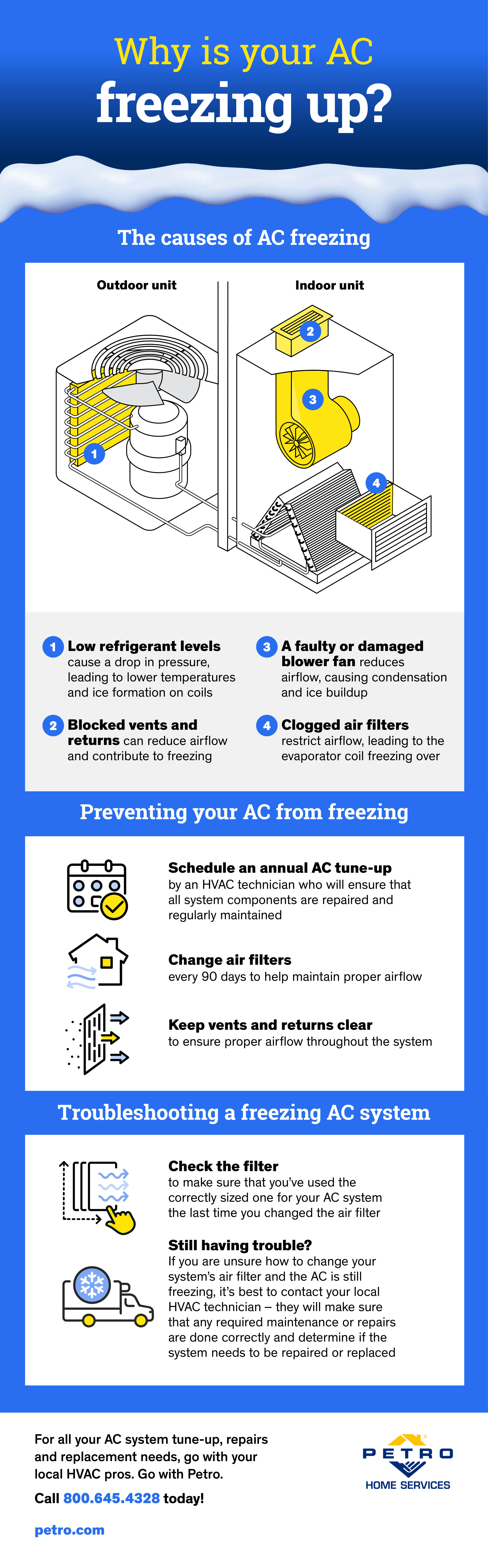
Image Source: www.petro.com
What Happens When Your AC Coils Freeze?
When your AC works right, cool air blows into your home. But sometimes, the evaporator coil freezing happens. The evaporator coil is the part inside your home that gets cold and cools the air. It takes heat and moisture out of the air.
Normally, water from the air turns into drops on this cold coil. This water goes down a drain. But if the coil gets too cold, the water turns into ice instead of drops. Ice builds up on the coil. This makes the coil look white and frosty, or even covered in a thick layer of ice.
When the coil is covered in ice, air cannot easily pass over it. This means less cool air goes into your home. Your house feels warm. The AC keeps running, but it just makes more ice. This can harm your AC system over time. It’s a clear sign that something is not working the way it should be. You need to figure out how to defrost frozen AC and stop it from happening again.
Signs Your AC is Freezing
How can you tell if your AC is freezing up? Look for these signs:
- Warm air: The air coming from your vents isn’t as cold as it should be, or it might even feel warm.
- Ice: You can see ice on the pipes connected to your indoor unit or on the indoor unit itself. The ice is often on the bigger, insulated pipe.
- Water leaks: As the ice melts, water might leak near your indoor furnace or air handler.
- Reduced airflow: Not much air is coming out of your vents, even if the blower is on.
- The unit runs all the time: Your AC might run and run without stopping because it cannot reach the right temperature.
Seeing ice means you have a problem. It’s time to turn the AC off and look into the cause.
Grasping the Reasons Why Your AC Freezes
AC freezing doesn’t just happen for no reason. It’s usually caused by one or more specific problems. Most of these problems stop the warm air in your home from flowing over the cold evaporator coil the way it should. When less warm air hits the coil, the coil gets too cold. It drops below the freezing point of water (32°F or 0°C). Then, the moisture in the air freezes onto the coil.
Let’s look at the main things that cause this. Knowing the cause is the first step to prevent AC freeze up.
Airflow Problems
This is the most common reason for AC coils freezing. Airflow is like the breath of your AC system. If your AC can’t take a deep breath of warm air from your house, the indoor coil gets too cold.
Dirty Air Filters
Your air filter catches dust and dirt before the air goes into your AC unit. This keeps the coil and other parts clean. But if you don’t change the filter often, it gets full of dust and dirt.
A dirty air filter AC is like putting a hand over your mouth and nose. It makes it hard for your AC to pull air in. When less air flows over the evaporator coil, the coil loses heat slower than the refrigerant cools it down. This makes the coil too cold, and ice starts to form.
Changing your air filter is a simple and cheap fix. It’s one of the easiest ways to prevent AC freeze up.
Blocked Vents or Registers
Air needs to move freely through your home. It goes into the return vents, gets cooled by the AC, and comes out the supply vents.
If you close too many supply vents in rooms, or if furniture blocks the return vents, the AC can’t move enough air. This is another form of AC airflow issues. It’s like closing doors in a house – the air gets stuck. The system struggles to move air, leading to the same problem as a dirty filter: the coil gets too cold and freezes.
Make sure all your supply vents are open and that furniture or curtains don’t block return vents (the big ones that suck air in).
Problems with the Fan Motor or Blower
The fan motor (also called the blower) is inside your indoor unit. Its job is to push the cooled air through your home. If this motor is weak, slow, or not working right, it won’t move enough air over the coil.
This directly causes AC airflow issues. The coil gets very cold because not enough warm air is warming it up. Ice forms. If you hear strange noises from your indoor unit or feel very little air coming from the vents even with a clean filter and open vents, the blower might be the problem. This often needs a professional fix.
Low Refrigerant
Refrigerant is the special liquid or gas that cycles through your AC system. It absorbs heat from the air inside your home and releases it outside. Think of it like the blood of your AC; it carries the heat away.
If your AC system has a leak, it loses refrigerant. This is called having low refrigerant AC. When there isn’t enough refrigerant, the pressure inside the coil drops. Lower pressure causes the refrigerant to get much, much colder than it should.
This super-cold refrigerant makes the evaporator coil freezing. Even with good airflow, the coil just gets too cold because the refrigerant is not working at the correct pressure and temperature. A system that is low on refrigerant will not cool well and will likely freeze up. Adding refrigerant is not a do-it-yourself job. If you suspect a leak or low refrigerant AC, you need an HVAC technician. They can find the leak, fix it, and add the right amount of refrigerant.
Dirty AC Coils
Over time, the indoor coil (the evaporator coil) can get covered in a layer of dirt, dust, and grime. Even if your filter catches most things, some tiny particles can get through and stick to the moist coil.
When dirt covers the coil, it acts like a blanket. It stops the coil from properly taking heat out of the air. This is a form of AC airflow issues because the air can’t touch the cold metal well. Also, the refrigerant inside still gets cold, but the dirt blanket means the coil doesn’t pick up enough heat from the air. Just like with low airflow, this makes the coil get too cold and leads to AC coils freezing.
Keeping the evaporator coil clean is important for good performance and preventing freezing. This is part of regular AC maintenance.
Mechanical Issues
Sometimes, a part in the AC system breaks or doesn’t work right. This can mess up how the refrigerant flows or how air moves.
Malfunctioning Blower Motor
We talked about this under airflow, but it’s worth saying again as a mechanical issue. If the motor that pushes air isn’t working right, it causes AC airflow issues and freezing. It might run slower than it should, or stop completely.
Stuck Expansion Valve
The expansion valve is a small part that controls how much liquid refrigerant goes into the evaporator coil. If this valve gets stuck open, too much liquid refrigerant can flood the coil. This makes the coil much colder than it should be, leading to freezing. This is a less common cause but needs a professional to diagnose and fix.
Clogged Drain Line
While a clogged drain line AC doesn’t directly cause the coil to get too cold and freeze in the same way airflow or refrigerant issues do, it’s often related or a symptom of a problem that can lead to freezing.
Normally, water that condenses on the coil drains away through a pipe. If this pipe gets clogged with mold, dirt, or insects, the water has nowhere to go. The water pan under the coil can fill up, and water can back up around the indoor unit. This standing water can freeze if the coil is already running too cold due to airflow or refrigerant issues.
Also, a full drain pan might trigger a safety switch that turns off the AC, which prevents freezing. But if there’s no safety switch or it fails, the backup water can contribute to or be a sign of a system struggling, which could involve freezing. Clearing a clogged drain line AC is a good maintenance step and can help prevent related issues.
Fixing a Frozen AC Unit
Okay, you found ice on your AC. Don’t panic! You can fix frozen air conditioner problems in most cases. The first step is always to stop the ice from forming and let it melt. Then you need to find and fix the reason why it froze. Here is how to defrost frozen AC safely and effectively.
Safely Turning Off the System
This is the most important first step. If your AC is frozen, turn it OFF immediately.
- Go to your thermostat. Change the setting from “Cool” to “Off.”
- It’s also a good idea to turn off the power to the indoor unit at your home’s electrical panel (breaker box). Find the breaker labeled for your furnace or air handler and switch it off. This stops the blower fan from running, which can sometimes speed up thawing, and ensures safety while you look at the unit.
Do NOT just turn the thermostat up. The AC will keep running the cooling cycle and just make more ice. You MUST turn it off completely.
Letting it Thaw
Once the power is off, you need to let the ice melt. This takes time. Depending on how much ice there is and the temperature in your home, it could take anywhere from a few hours to a full day.
- Open windows and doors (if it’s not too hot outside): This can help warm air get to the unit and speed up melting.
- Place towels: Put towels around the base of the indoor unit to catch melting water. Check and replace towels as needed.
- Use a fan (optional): You can place a regular fan near the indoor unit to blow air on the coil. This can help speed up the thawing process.
- Do not try to chip away the ice: You can easily damage the delicate coils or refrigerant lines, which will cause a much bigger, more expensive problem. Just let it melt on its own.
The ice must be completely gone before you turn the AC back on.
Checking and Addressing the Cause
While the ice is melting, or after it has completely thawed, you need to figure out why it froze so you can prevent AC freeze up again.
Change the Filter
This is the easiest thing to check. Find your air filter (usually located at the indoor air handler/furnace or in a return vent in a wall or ceiling). Pull it out. Is it covered in a thick layer of dust and dirt? If yes, this was likely the main problem.
Replace the old filter with a clean, new one of the correct size. Make sure to put it in the right way (look for arrows showing the direction of airflow). A dirty air filter AC is a very common culprit.
Check Vents and Returns
Walk around your house. Are any supply vents closed? Are return vents blocked by furniture, rugs, or curtains? Make sure all supply vents are open. Move anything blocking return vents. This fixes potential AC airflow issues caused by blockages.
Inspect the Outdoor Unit (Condenser)
Go look at the big unit outside. Is it clean? Are the fins (the metal slats around the sides) bent or packed with dirt, leaves, or grass clippings? Blockages here can affect the system’s ability to release heat, sometimes contributing to overall system stress, though less directly causing indoor coil freezing than airflow issues inside. Still, a clean outdoor unit helps the whole system run better.
Check the Evaporator Coil
Once the ice is gone, you can try to look at the evaporator coil freezing spot inside. It’s usually behind a panel on your indoor unit. Be careful when removing panels. Use a flashlight. Is the coil visibly dirty? If it has a layer of grime, it needs cleaning. Coil cleaning is often best done by a professional, as the fins are delicate.
Look for Refrigerant Leaks
This is harder to check yourself. Look for oily residue near the refrigerant lines or the indoor/outdoor units. This can be a sign of a leak. If you suspect low refrigerant AC, you will need a professional. They have tools to find leaks and measure refrigerant levels accurately. Do not try to add refrigerant yourself; it’s illegal without the right certification and easy to get the amount wrong, causing more damage.
Clear the Drain Line
Locate your AC’s drain line (a PVC pipe, often white, coming from the indoor unit). It might drain outside near the unit or into a home drain. Is water backing up in the pan under the unit? Is the pipe visibly clogged? You can try to clear the drain line using a wet/dry vacuum at the outside end or pouring a cup of vinegar mixed with water into the access point near the indoor unit to kill mold. Clearing a clogged drain line AC can prevent water damage and ensure proper system function.
Preventing Your AC From Freezing Up
Now that you know why does AC freeze up and how to defrost frozen AC, let’s focus on stopping it from happening again. Prevention is always better than fixing a problem after it happens. Taking a few simple steps can prevent AC freeze up and keep your system running smoothly.
Regular Filter Changes
This is the number one way to prevent AC freeze up. A clean filter ensures good airflow.
- Check your filter often: Look at it once a month, especially during cooling season.
- Change it when it’s dirty: If the filter is gray and you can’t see the filter material through the dust, change it. Don’t wait for it to be black.
- Follow manufacturer recommendations: Your filter and AC manual might suggest how often to change it (e.g., every 1-3 months), but checking monthly is a safe bet.
- Use the right filter: Make sure you buy the correct size and type of filter for your system.
Making filter changes a habit is a simple step that prevents many AC airflow issues and keeps your dirty air filter AC problems away.
Keeping Vents Open
Ensure that all supply and return vents are open and not blocked.
- Don’t close vents in unused rooms: While it might seem like it saves energy, closing vents can mess up the airflow balance of your system. This can lead to poor performance and freezing in other areas.
- Keep furniture away: Make sure curtains, sofas, chairs, or anything else doesn’t block vents, especially the large return vents.
- Check for physical blockages: Sometimes toys or other small items can fall into vents and block them.
Good airflow throughout your home helps your AC work correctly and prevents AC airflow issues that lead to freezing.
Scheduling Annual Maintenance
Just like your car needs tune-ups, your AC system benefits from professional maintenance. Having a technician check your system once a year (usually in the spring before cooling season) is crucial for preventing problems like freezing.
During a maintenance visit, a technician will:
- Check refrigerant levels: They will make sure your system has the right amount of refrigerant and look for leaks. This addresses potential low refrigerant AC issues before they cause freezing.
- Clean coils: They can properly clean both the indoor evaporator coil freezing area and the outdoor condenser coil. This prevents AC coils freezing due to dirt buildup.
- Check airflow: They will inspect the blower motor and fan, making sure they are working correctly and moving enough air. This helps catch AC airflow issues.
- Inspect the drain line: They will check that the drain line is clear and functioning properly. This helps with potential clogged drain line AC problems.
- Look for other potential issues: They can spot small problems before they become big ones, like worn parts that might affect performance.
Regular maintenance is an investment that helps your system run efficiently, last longer, and prevents costly breakdowns like those caused by freezing.
Keeping the Outdoor Unit Clean
The condenser unit outside needs to breathe.
- Clear away debris: Keep grass, weeds, bushes, and anything else at least two feet away from the sides and top of the unit.
- Clean off dirt and leaves: Use a hose to gently spray down the fins on the outside of the unit. Make sure the power is off before doing this. Be careful not to bend the thin metal fins.
- Check for obstructions: Ensure nothing is sitting on top of the unit.
A clean outdoor unit helps the system release heat properly, which contributes to the overall health of the AC and indirectly helps prevent issues down the line that could lead to the evaporator coil freezing.
Checking the Drain Line Periodically
Even if you have professional maintenance, checking your drain line yourself now and then is a good idea, especially during humid weather.
- Locate the drain line: Find the pipe coming from your indoor unit.
- Look for water backup: Check the drain pan under the indoor unit for standing water.
- Check the exit point: If the pipe drains outside, ensure water is dripping out freely. If it’s not, it might be clogged.
- Clear small clogs: As mentioned before, you can try using a wet/dry vac or vinegar solution for minor blockages in the clogged drain line AC.
Taking these steps helps ensure your AC system runs smoothly, preventing the conditions that lead to AC coils freezing.
Table of Common Causes and Solutions
This table provides a quick look at why your AC might freeze and what you can do about it.
| Problem Cause | Why it Causes Freezing | How to Identify | How to Fix or Prevent | When to Call a Professional |
|---|---|---|---|---|
| Dirty Air Filter AC | Blocks airflow over cold coil, coil gets too cold. | Filter looks gray/dirty. Low airflow from vents. | Change filter monthly or when dirty. Use correct size. | Rarely needed for filter issues unless it’s a complex system. |
| Blocked Vents/Returns | Stops air from moving through the house properly. | Vents closed, furniture blocking returns. Low airflow. | Open all supply vents. Move furniture from return vents. | If unsure where vents are or how system is balanced. |
| Low Refrigerant AC | Less refrigerant causes coil to get extremely cold. | Poor cooling, oily spots near lines/units, hissing sound. | Leak must be found and fixed, then refrigerant added by weight. | Always needed. This is complex and requires special tools. |
| Dirty AC Coils | Dirt blanket stops coil from absorbing heat from air. | Coil looks dusty/grimy (check carefully after thawing). | Regular professional cleaning. Use good air filters. | For thorough coil cleaning (especially evaporator coil). |
| Malfunctioning Blower | Fan not moving enough air over the coil. | Low airflow from vents, strange noises from indoor unit. | Inspection and repair/replacement of the motor. | Always needed. This is a mechanical repair. |
| Stuck Expansion Valve | Too much liquid refrigerant enters coil, making it super cold. | Often diagnosed by refrigerant pressure/temp readings. | Repair or replacement of the valve. | Always needed. Internal refrigerant system repair. |
| Clogged Drain Line AC | Water backs up, may freeze or be a symptom of system stress. | Water leaking near indoor unit, water in drain pan. | Clear pipe with wet/dry vac or vinegar. Check regularly. | If clog is stubborn or hard to reach. |
Frequently Asked Questions (FAQ)
Got more questions about AC coils freezing? Here are some common ones.
Can I run my AC when it’s frozen?
No, you should not run your AC when it is frozen. Running it will only make the ice thicker and can cause serious damage to the compressor, which is a very expensive part to fix or replace. Turn the system off immediately at the thermostat and, ideally, the breaker.
How long does it take for a frozen AC to thaw?
It depends on how much ice there is and the conditions in your home. A light layer of frost might melt in a few hours. A thick layer of ice could take 12-24 hours, sometimes longer. You can help speed it up by turning the system completely off (including the fan) and placing a fan nearby to blow air on the coil area, and opening windows if the outside air is warmer than inside.
Is AC freezing dangerous?
While it’s not an immediate safety hazard like a fire, letting your AC freeze and continuing to run it is dangerous for the equipment. It can lead to a burnt-out compressor or other damage that requires costly repairs. Addressing the freezing issue promptly protects your investment.
Can I fix a frozen AC myself?
You can handle some parts yourself. You can turn off the unit, let it thaw, change a dirty air filter, make sure vents are open, and clear a simple clogged drain line AC. However, problems like low refrigerant AC, dirty evaporator coils that need deep cleaning, or mechanical issues with the blower motor or expansion valve require a trained HVAC professional with special tools and knowledge. Trying to fix these yourself can cause more damage or be dangerous.
What should I do after my AC thaws?
After the ice is completely gone, identify the likely cause based on the list above. If the cause was a dirty filter or blocked vent, fix that, then turn the system back on. Watch it closely for a day to make sure it cools properly and doesn’t freeze again. If you suspect low refrigerant AC, dirty coils, or a mechanical issue, call an HVAC technician to inspect and repair the system before running it for long periods.
Conclusion
Finding ice on your air conditioner, especially the evaporator coil freezing, can be alarming. But often, the cause is something simple like a dirty air filter AC or AC airflow issues from blocked vents. These are things you can easily check and fix yourself.
Other problems, like low refrigerant AC or very dirty AC coils, need professional help to properly fix frozen air conditioner issues. And remember, a clogged drain line AC can also play a role or be a related symptom.
The best way to deal with AC freezing is to prevent AC freeze up in the first place. Simple regular maintenance like changing your air filter, keeping vents clear, and scheduling an annual check-up with an HVAC technician can save you from the headache and cost of dealing with a frozen AC system. Take care of your AC, and it will take care of you by keeping your home cool and comfortable.