
You might wonder, “How do I dispose of a microwave oven safely?” and “Can you throw away a microwave?” The short answer is: you generally should not throw a microwave oven into your regular household trash. Microwaves are considered electronic waste, or e-waste. They contain materials that can harm the environment if not handled correctly. Proper microwave disposal means finding ways to recycle, donate, or use special services instead of sending it to a landfill.
Getting rid of an old microwave might seem simple. You just unplug it and toss it, right? But modern rules and worries about the planet make it a bit more complex. Microwaves are full of different parts, like metal, glass, plastic, and electronic bits. Some of these bits can be bad for the earth and our health if they just sit in a dump. This is why appliance disposal services and special recycling programs exist. Let’s look at the best ways to handle your old microwave oven.
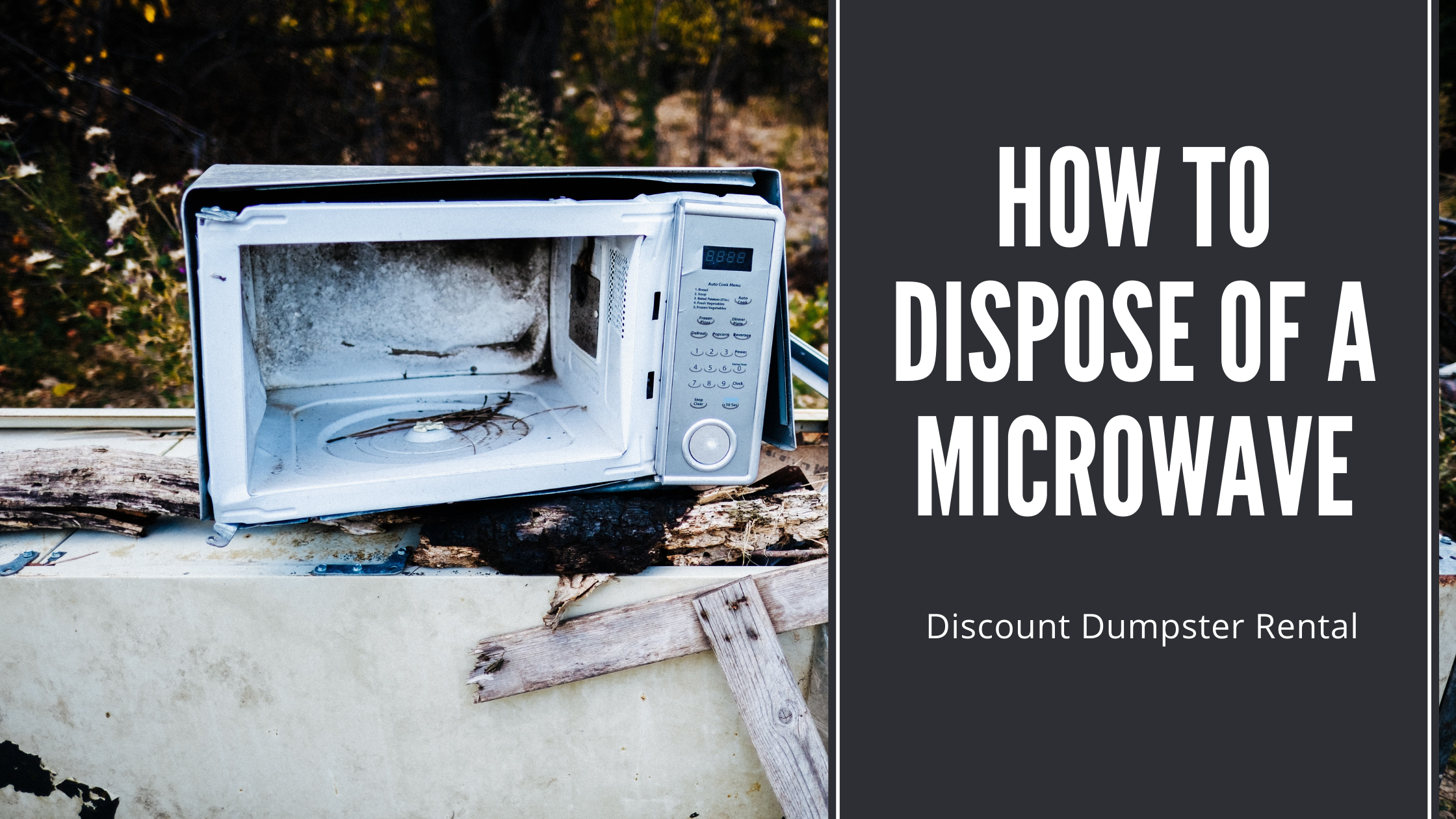
Image Source: discountdumpsterco.com
Figuring Out Why Proper Disposal Matters
Why can’t you just dump a broken microwave oven? It’s about protecting our home, Earth. Microwaves have things inside them that can be dangerous.
- Metals: They have copper, steel, and aluminum. These are valuable resources. Recycling them means we dig up less new metal.
- Plastics: Different kinds are used. Some can be recycled, others not easily. When plastic breaks down slowly in landfills, it can release tiny bits into the soil and water.
- Glass: The door and turntable are glass. This can often be recycled.
- Electronic Parts: The wires, circuit boards, and other electrical pieces are the main reason microwaves are e-waste. These parts can hold lead, mercury, cadmium, and other chemicals. These are hazardous waste electronics disposal concerns. If these chemicals get into the soil or water from a landfill, they can cause pollution.
- Capacitors: Some older microwaves have a large capacitor. This part can hold a strong electrical charge even after being unplugged. It’s also why discarding a broken microwave needs care. While newer models are safer, this highlights the need for expert handling.
So, just throwing a microwave away isn’t good for the planet or for getting back useful materials. E-waste disposal microwave programs are set up to take these items apart safely and handle the materials the right way.
Your Main Ways to Get Rid of a Microwave
You have several better choices than the trash can. These options help the environment and sometimes help other people.
- Recycling: This is often the best path, especially for broken units.
- Donating: If the microwave still works, giving it away is a great idea.
- Retailer Programs: Some stores that sell new appliances might take your old one.
- Special Pick-up Services: Junk removal companies can haul it away for you.
- Local Events: Your town or city might host special collection days for electronics.
Let’s look closely at each choice.
Recycling Your Old Microwave Oven
This is the most common and often best method for proper microwave disposal, especially for units that no longer work. Recycling centers are set up to handle electronic waste properly.
Recycle microwave oven programs break down the unit into its basic parts. Metals are separated and sent to metal recyclers. Glass and plastic are handled based on their type and condition. Hazardous parts are removed and treated or stored safely. This prevents harmful stuff from getting into the environment.
Finding a place to recycle a microwave oven usually means looking for an e-waste disposal microwave facility. These can be found in several places:
- Local Recycling Centers: Many cities and towns have centers that accept electronics. Their rules on what they take can differ, so call ahead or check their website.
- County or Regional Waste Facilities: Larger facilities might have specific areas or days for e-waste drop-off.
- Electronic Stores: Some large electronics stores might have a take-back program for old electronics, though this is more common for things like TVs or computers. It’s worth checking if they include microwaves.
- Specific E-waste Recyclers: There are companies that focus only on recycling electronics. These places know exactly how to handle hazardous waste electronics disposal.
To find recycling options, you can search online for “microwave oven recycling near me” or “e-waste disposal microwave near me.” Your city or county waste management website is also a good source of information. They usually list drop-off points or special collection events. Knowing where to take old microwave units is key to doing it right.
Preparing a Microwave for Recycling
Before you take your microwave to a recycling center, do these simple things:
- Unplug It: Make sure it is completely unplugged from the wall outlet.
- Clean It: Give the inside a quick wipe down. Remove any leftover food bits.
- Remove Loose Parts: Take out the glass turntable and the support ring underneath it. You might be able to recycle these separately with regular glass recycling, but check with your local facility. Sometimes they want the unit complete.
- Remove Any Added Items: Take off any personal stickers or attachments.
- Secure the Cord: You can tape the power cord to the side of the microwave so it doesn’t dangle.
Some recycling centers might charge a small fee to accept electronics. This fee helps cover the cost of safely taking apart and handling the different materials, especially the hazardous ones. Don’t let a small fee stop you from proper microwave disposal. It’s a small price for protecting the earth.
Donating a Working Microwave Oven
If your old microwave still works and is in good shape, donating it is a great way to give it a second life. This is a much better option than figuring out how to discard a broken microwave, which can’t be donated. Donating keeps a useful item out of the waste stream and helps someone in need.
Who might want a donated microwave?
- Charity Stores: Places like Goodwill, Salvation Army, Habitat for Humanity ReStores often accept working small appliances. Call them first to make sure they are currently taking microwaves. They need them to be clean and in good working order.
- Homeless Shelters or Community Centers: These organizations might need microwaves for shared kitchens or facilities. Contact local shelters or centers to see if they can use one.
- Schools or Churches: Sometimes these places need appliances for staff rooms or community kitchens.
- Friends, Family, or Neighbors: Someone you know might need a cheap or free microwave. Offer it to people you know before taking it elsewhere.
- Online Groups: Local Freecycle groups, Buy Nothing groups, or the free section of Craigslist or Facebook Marketplace are good places to list a working microwave for free pick-up.
Checking if a Microwave is Good to Donate
Before you donate, check these things:
- Does it Turn On? Plug it in and see if the display lights up.
- Does it Heat Water? Put a cup of water inside and run it for a minute. Is the water hot?
- Does the Turntable Spin? Make sure it rotates as it should.
- Is the Door Seal Good? The seal around the door should be clean and not ripped. This is important for safety (preventing radiation leaks, though modern microwaves are very safe when intact) and efficiency.
- Is it Clean? Wipe down the inside and outside. No one wants a dirty microwave.
- Are There Any Strange Noises or Smells? If it makes weird sounds or smells like burning plastic, it’s probably not safe to donate and should be recycled instead.
Donating a working microwave is a simple way to help others and practice proper microwave disposal by giving it a new home. Remember, you cannot donate a broken microwave. How to discard a broken microwave always points back to recycling or special waste programs.
Looking At Retailer Take-Back Programs
Some stores that sell new appliances have programs where they will take your old appliance when they deliver the new one. This is often for larger items like refrigerators or washing machines, but sometimes it includes microwaves, especially if it was a higher-end model or bought as part of a kitchen package.
When you buy a new microwave, ask the store:
- Do you offer appliance disposal services for the old unit?
- Is there a fee for this service?
- Do they ensure proper microwave disposal (like recycling) or do they just haul it away?
Using a retailer’s service can be convenient. They handle the pick-up and transport. Just make sure they follow good practices for disposal and don’t just dump it. This option fits under appliance disposal services provided by a business.
Finding Appliance Disposal Services
If you can’t take the microwave to a recycling center or it’s not suitable for donation, professional appliance disposal services can help. These are companies that specialize in picking up and hauling away unwanted items, including electronics and appliances.
These services are helpful if:
- You don’t have a car or the ability to transport the microwave.
- You have other large items to get rid of at the same time.
- You need the item removed quickly.
Search online for “junk removal near me” or “appliance disposal services.” Look for companies that mention they handle electronics or e-waste. They should know that you can’t just throw away a microwave and should have ways to ensure proper microwave disposal, often through recycling partners.
Most junk removal services charge a fee. The cost can depend on how many items you have and where you live. Get a quote before they come to avoid surprises. While it costs money, it’s a convenient and responsible way to handle items like old microwaves, especially when other options aren’t easy for you. This is a direct answer to ‘How to discard a broken microwave’ if you cannot transport it yourself to a recycling center.
Special Collection Events
Many cities and counties organize special events throughout the year for collecting hazardous waste electronics disposal items, including microwaves and other e-waste. These events are usually held on specific days at a central location.
These events are great because:
- They make it easy to drop off items you can’t put in regular trash or standard recycling bins.
- They ensure the items are handled correctly by experts.
- They are often free or have a very small fee.
Keep an eye on your city or county’s waste management calendar or website for announcements about these collection events. Searching online for “[Your City/County Name] e-waste collection” or “[Your City/County Name] hazardous waste event” can help you find these opportunities. These events are perfect places for where to take old microwave ovens and other electronics.
More About Handling Broken Microwaves
Learning how to discard a broken microwave is mainly about choosing the right form of recycling or disposal service. Since it doesn’t work, donation is not an option.
A broken microwave still contains valuable metals and potentially hazardous materials. Just because it’s broken doesn’t mean it’s harmless waste. It absolutely falls under the category of e-waste disposal microwave needs.
Your best steps for a broken unit are:
- Check for Local E-waste Recycling: Find a nearby facility that accepts electronic waste. Search “microwave oven recycling near me” or check your local government’s waste site.
- Look for Special Collection Events: These events are designed for items like broken microwaves.
- Consider Appliance Disposal Services: If transport is hard, a junk removal service that handles e-waste is a good alternative.
Do NOT try to fix it yourself unless you are qualified and understand the risks, especially related to the capacitor which can hold a dangerous charge. Leave the handling of internal parts to recycling professionals. This reinforces why knowing how to discard a broken microwave properly is important for safety as well as the environment.
Hazardous Aspects and Why E-waste Rules Exist
We’ve mentioned hazardous waste electronics disposal. What does this really mean for a microwave?
While a microwave in your kitchen is safe when used correctly and intact, the materials inside can become a problem when the unit is broken or taken apart incorrectly.
- Heavy Metals: Lead is found in solder on circuit boards. Cadmium might be in some components. Mercury switches were used in some older models (though less common now). These are toxic and can pollute soil and water if they leach out in a landfill.
- Capacitors: As noted, these can hold a high voltage charge. They need to be discharged safely by trained people during the recycling process.
- Other Chemicals: Circuit boards and other parts might contain various chemicals that are best kept out of the environment.
Because of these risks, many places have laws or rules against putting electronics like microwaves in the regular trash. These rules promote proper microwave disposal methods like recycling. Ignoring these rules can sometimes lead to fines, but more importantly, it harms the environment. Understanding these points helps explain why you can’t just throw away a microwave everywhere.
Finding Where to Take Old Microwave Ovens
Let’s pull together how to actually locate a place for proper microwave disposal.
- Start with Local Government: Your city or county’s official website for waste and recycling is the first place to look. They will list local drop-off centers, hazardous waste sites, and upcoming collection events. Search terms like “[Your City/County Name] waste disposal” or “[Your City/County Name] e-waste”.
- Use Online Search Tools: Search engines are powerful. Use specific terms like “microwave oven recycling near me”, “e-waste disposal microwave [Your Zip Code]”, “where to take old microwave [Your Town]”.
- Check Retailer Websites: If buying new, look at the store’s website for appliance disposal services.
- Look at Charity Websites: If the microwave works, check the websites of local charities like Goodwill or Salvation Army for donation guidelines and locations.
- Use National Recycling Locators: Websites like Earth911.com have search tools to find recycling centers for specific items, including electronics. Enter “microwave ovens” and your zip code.
By using these resources, you can find the most convenient and responsible option for discarding your old microwave, whether it’s a functioning unit for donation or a broken one needing e-waste disposal.
Getting Rid of Other Kitchen Appliances
The rules for microwaves often apply to other small kitchen appliances too. Things like toasters, blenders, coffee makers, and electric kettles are also often considered e-waste. They contain metals, plastics, and electronic components that shouldn’t go into regular trash.
Using appliance disposal services or taking these items to e-waste recycling centers is the right way to handle them too. Always check local guidelines, but assuming these items need special handling is a good rule of thumb for proper disposal.
Table: Comparing Your Microwave Disposal Options
Here’s a quick look at the main options:
| Option | Best For | Condition Needed | Convenience | Typical Cost | Environmental Impact | Notes |
|---|---|---|---|---|---|---|
| E-waste Recycling Center | Broken or Old | Any | Requires Transport | Often Free or Small Fee | Very Low | Ensures materials are processed safely. |
| Special Collection Event | Broken or Old | Any | Specific Dates/Locations | Often Free | Very Low | Plan ahead for event dates. |
| Donation (Charity, Shelter, etc.) | Working, Good Shape | Working, Clean | Requires Transport | Free | Very Low | Gives item a second life. Cannot donate broken. |
| Retailer Take-Back Program | Buying New Unit | Any | Convenient (with delivery) | May Have Fee | Low (if they recycle) | Ask about their disposal methods. |
| Appliance Disposal Services | Any | Any | Pick-up Service | Has a Fee | Low (if they recycle) | Good if you can’t transport yourself. |
This table helps show the trade-offs. Recycling and donation keep items out of landfills, which is the main goal of proper microwave disposal.
Putting It All Together for Proper Microwave Disposal
So, how do you handle that old microwave sitting on your counter or in your garage?
- Check its condition: Does it work? Is it clean and safe?
- If it works and is in good shape: Consider donating it to a charity or someone who needs it. This is the best way to give it a new purpose.
- If it’s broken or you don’t want to donate: This means e-waste disposal microwave is needed.
- Find recycling options: Look online for “microwave oven recycling near me”, check your local city/county waste website for e-waste centers or special events (where to take old microwave). This is how to discard a broken microwave responsibly.
- If transport is a problem: Look into appliance disposal services that handle e-waste.
- If buying new: Ask the retailer if they offer take-back appliance disposal services for your old unit.
Remember, you can’t just throw away a microwave in most places. Taking the small extra step to recycle or donate makes a big difference for the environment and fits within the rules for hazardous waste electronics disposal.
Frequently Asked Questions About Microwave Disposal
Q: Can I just put my old microwave in the regular trash bin?
A: No, in most areas, you should not put a microwave in regular trash. Microwaves are electronic waste (e-waste) and contain materials that need special handling. Throwing them away can be against local rules and harms the environment.
Q: My microwave is broken. Can I still donate it?
A: No, charities and organizations only accept working appliances that are clean and in good condition. A broken microwave needs to go through e-waste recycling.
Q: Where can I find microwave oven recycling near me?
A: Check your local city or county waste management website. You can also search online using terms like “microwave oven recycling near me,” “e-waste disposal [your city/zip code],” or use national recycling locators like Earth911.com.
Q: Do I need to prepare my microwave before taking it to recycling?
A: Yes, you should unplug it, clean it out, and remove the glass turntable and support ring (check if the recycler wants these separate or left inside).
Q: Is there a fee for recycling a microwave?
A: Sometimes, yes. Many e-waste recycling centers charge a small fee to cover the costs of safe processing, especially for items with hazardous components.
Q: What happens to a microwave when it’s recycled?
A: Recycling centers take the microwave apart. They separate materials like metal, glass, and plastic. Electronic components and potentially hazardous parts are handled safely. This lets useful materials be reused and keeps harmful substances out of landfills.
Q: My microwave contains metal. Can I take it to a metal scrapyard?
A: While microwaves have metal, they also contain plastic and electronic parts, including potentially hazardous ones. Most scrapyards only take pure metal. It’s better to take the whole unit to an e-waste recycling facility that knows how to separate all the materials safely.
Q: Are there services that will pick up my old microwave?
A: Yes, appliance disposal services or junk removal companies often pick up old microwaves and other appliances, especially if they handle e-waste. There will usually be a fee for this convenience.
Q: How do I know if a place handles hazardous waste electronics disposal correctly?
A: Look for facilities that are certified in e-waste recycling (like R2 or e-Stewards certifications, if available in your area). Your local government’s recommended sites are also usually reliable as they work with approved recyclers.
Choosing the right method for your old microwave is a simple step that benefits everyone and everything around us. Avoid the trash and pick a greener option!