
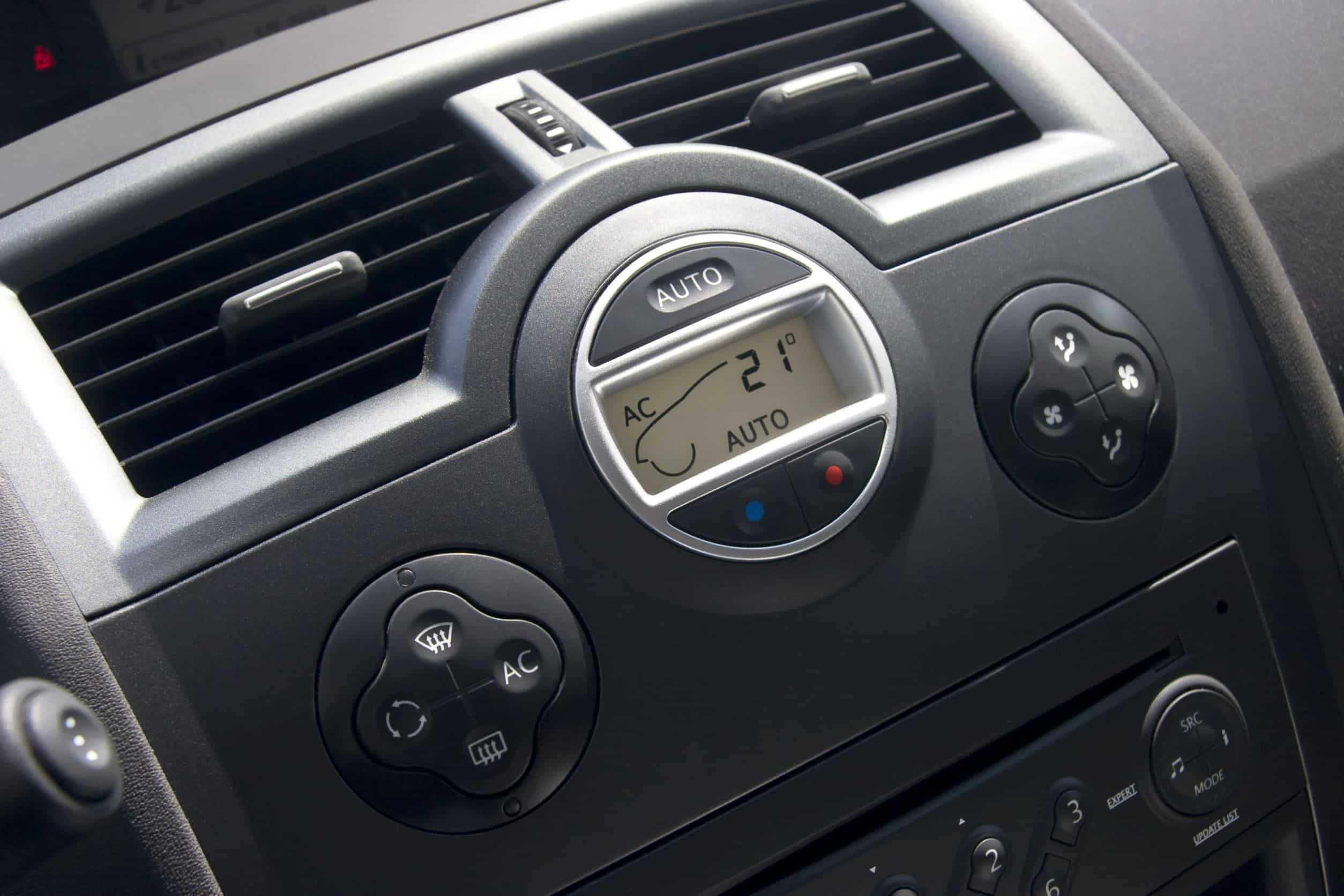
Image Source: keepincool.com.au
Find out exactly How Cold Should A Car Air Conditioner Be
When you turn on your car’s air conditioning, you want it to get cold fast. A normal car AC temperature range is typically between 35°F and 45°F (around 1.7°C to 7.2°C) when measured at the vent. This is how cold should car AC blow right into the cabin.
Getting this proper car AC vent temperature makes your car cool down well. But many things affect how cold the air feels.
What Makes Car AC Work?
Before we talk about how cold it should be, let’s look at how car AC cools the air. It’s like a small refrigerator for your car. It uses a special liquid called refrigerant.
- Compression: The compressor pumps the refrigerant. This makes it a hot, high-pressure gas.
- Condensing: The hot gas goes to the condenser (like a small radiator near your car’s front). Air blowing over it cools the gas down. It turns into a high-pressure liquid.
- Expansion: The liquid goes through an expansion valve or orifice tube. This drops its pressure quickly. It turns back into a low-pressure liquid-gas mix.
- Evaporation: This cold mix goes into the evaporator (inside your dashboard). Warm air from your car’s cabin blows over the cold evaporator fins. The liquid refrigerant absorbs heat from the air and turns into a low-pressure gas.
- Blowing Cold Air: The now-cooled air blows into your car’s cabin. The low-pressure gas goes back to the compressor to start again.
This cycle removes heat from inside your car and sends it outside. The car AC cooling performance depends on all these parts working well.
The Ideal Car AC Temperature Range
You control the temperature knob in your car. But this knob doesn’t directly set the temperature of the air coming out of the vents. Instead, it controls a mix of hot and cold air.
The AC system’s job is to make the air from the evaporator as cold as possible without freezing it. This cold air is then mixed with warmer air from your heater core (or just outside air) to reach the temperature you set on the dial.
- Maximum Cold: When you set your AC to its coldest setting, you get mostly air that has just passed over the cold evaporator. This is where you measure the proper car AC vent temperature. This vent temperature should be much colder than the outside air or the temperature in the car.
- Setting the Dial: If you set the dial higher, the system mixes in more warm air. The air coming from the vents will feel less cold, but the system is still capable of making very cold air if needed.
The ideal car AC temperature range for comfort inside the car is usually between 72°F and 78°F (22°C to 26°C). But the vent temperature itself needs to be much colder to cool the whole cabin effectively, especially on a hot day.
Measuring Proper Car AC Vent Temperature
Knowing the exact vent temperature is the best way to check if your AC system is working right. This is how to test car AC temperature properly.
You will need a thermometer. An inexpensive digital meat thermometer or an HVAC thermometer works well.
How to Test Car AC Temperature:
- Start your car.
- Turn the AC to the maximum cold setting.
- Turn the fan speed to medium or high. This is important because a low fan speed might make the air feel colder at the vent, but it doesn’t show the system’s full power. A high fan speed puts more load on the system, giving a better test.
- Close all windows and doors.
- Let the AC run for about 5-10 minutes. This gives the system time to cool down completely.
- Put the thermometer probe about an inch or two into the central AC vent. Make sure it is not blocked by anything.
- Wait a few minutes for the thermometer reading to stop changing.
What is a Normal Car AC Temperature at the Vent?
After testing, what is a normal car AC temperature reading at the vent? As mentioned before, a healthy system should produce air between 35°F and 45°F (1.7°C to 7.2°C) at the vent.
- Very Hot Day (90°F+ outside): Readings closer to 40-45°F might be normal.
- Mild Day (70s outside): Readings closer to 35-40°F are common.
If your vent temperature is consistently above 50°F (10°C), your car AC cooling performance is likely poor. This is a sign that something is not right, and you might start looking into diagnosing poor car AC cooling.
Factors Influencing Car AC Cooling Performance
Several things affect how cold your AC air gets and how well it cools the car.
Outside Temperature and Humidity
It’s harder for the AC to cool air when the outside air is very hot and humid. The system has to work harder to remove heat and moisture. On a 100°F day, your vent temperature might be 45°F, which is good. On a 75°F day, it might be 38°F. Both could show a working system.
Fan Speed
Running the fan on high moves more air over the cold evaporator. This helps cool the cabin faster but might slightly raise the vent temperature compared to a very low fan speed test. Always test on a medium-high setting for a realistic check of proper car AC vent temperature.
Cabin Air Circulation
Using the recirculate mode (internal air) cools the car faster. The AC cools air that is already somewhat cool from the cabin, not hot outside air. Using fresh air (outside air) makes the AC work harder.
Vehicle Size and Color
Larger cars take longer to cool. Darker colored cars absorb more heat from the sun, making them hotter inside before the AC starts.
System Health
The overall health of the AC components (compressor, condenser, evaporator, etc.) and the amount of refrigerant are the biggest factors in car AC cooling performance.
Reasons Car AC Is Not Cold Enough
If your vent temperature test shows readings above the normal range, there are common reasons car AC is not cold enough. Figuring out which one is the problem is part of diagnosing poor car AC cooling.
Low Refrigerant Level
This is the most common reason for poor cooling. Refrigerant is the stuff that carries heat. If the level is low, there isn’t enough to absorb heat from the cabin air effectively. Low refrigerant almost always means there is a leak somewhere in the system. AC systems are sealed; refrigerant doesn’t just “run out” like gas in a tank.
Leaks in the System
Refrigerant leaks can happen in hoses, seals, the compressor, the condenser, or the evaporator. Small leaks cause slow loss of cooling over time. Larger leaks cause a sudden stop in cooling.
Bad Compressor
The compressor pumps the refrigerant. If it’s weak or broken, the refrigerant doesn’t circulate correctly or reach the right pressures. This means it can’t absorb heat effectively. A failing compressor often makes strange noises.
Clogged Condenser
The condenser needs airflow to cool the hot refrigerant gas. If it’s blocked by leaves, dirt, or debris, or if the cooling fan isn’t working, the refrigerant stays hot. The AC won’t cool properly.
Clogged Orifice Tube or Expansion Valve
These parts control the flow of refrigerant into the evaporator. If they get blocked, not enough cold refrigerant gets into the evaporator to cool the air.
Issues with the Evaporator
The evaporator can get dirty or clogged over time. This stops air from flowing over it well, reducing cooling. Also, if the drain for the evaporator box is clogged, water can build up, causing smells and affecting performance.
Problems with Air Blend Doors
Your car’s heater core is always hot when the engine is running. There are doors inside your dashboard that control if air goes over the cold evaporator, the hot heater core, or a mix. If these doors (called blend doors) don’t work right, hot air might mix with the cold air even when you want maximum cold. This is a common reason car AC is not cold enough even with good vent temperature potential.
Electrical Issues
The AC system has many electrical parts: the compressor clutch, cooling fans, relays, fuses, and controls. If any of these fail, the system won’t work correctly, or at all.
Problems with the Car AC Temperature Sensor
Your car’s computer uses sensors to know how cold the air is or should be. A car AC temperature sensor problem can cause the system to think it’s colder than it is, or it might not cycle the compressor correctly. This can lead to poor cooling or the system freezing up.
Delving Into Car AC Cooling Performance Metrics
To really know how well your car AC is doing, mechanics use specific checks beyond just vent temperature.
System Pressures
A mechanic will connect gauges to the AC system ports. They measure the pressure on the high-pressure side and the low-pressure side. These pressures change based on outside temperature, but there are normal ranges. Incorrect pressures are a key indicator of many problems, like low refrigerant, a bad compressor, or a clog.
Temperature Drop Across the Evaporator
A good evaporator should remove a significant amount of heat from the air passing through it. Measuring the temperature of the air entering the evaporator (cabin air) and the temperature of the air leaving it (vent air) gives a temperature drop. A large drop (typically 20-30°F or more) shows good performance. This relates directly to the proper car AC vent temperature you should be getting.
Compressor Clutch Cycling
The compressor clutch engages and disengages to control the cooling output. It cycles less often on very hot days and more often on cooler days or once the cabin is cool. Fast cycling or the compressor not engaging at all can indicate problems.
Visual Inspection
Checking hoses, fittings, and components for signs of leaks (often oily residue), damage, or blockages is also part of assessing car AC cooling performance.
Pinpointing Issues: Diagnosing Poor Car AC Cooling
When your AC isn’t performing well, figuring out why is key. This process involves a few steps.
Step 1: Check the Basics
- Are the controls set correctly? Make sure it’s on MAX AC or recirculate with the temperature set to the coldest setting.
- Is the fan working? Can you hear and feel air coming from the vents?
- Is the compressor engaging? With the engine running and AC on max, look at the front of the compressor (usually on the lower part of the engine). The center plate should be spinning with the pulley. You might also hear a click when it engages.
Step 2: Measure Vent Temperature
As described earlier, test the proper car AC vent temperature. If it’s above 50°F (10°C), you have a cooling problem.
Step 3: Look and Listen
- Listen: Does the compressor make strange noises (grinding, rattling)?
- Look: Are there any obvious signs of leaks (green or yellow oily spots) on hoses or components? Is the condenser in front of the radiator clean?
Step 4: Check Refrigerant Level (Requires Tools)
This is usually done by a mechanic. They use gauges to measure system pressures. This quickly tells if the refrigerant is low, which is the most common issue. If it’s low, they then look for leaks. Adding refrigerant without fixing a leak is a temporary fix and bad for the environment.
Step 5: Advanced Diagnosis
If the refrigerant level is correct, but the cooling is still poor, a mechanic will dig deeper.
- Leak Detection: They might use a UV dye added to the system, which glows under a black light, or an electronic leak detector tool to find small leaks.
- Component Testing: They will check if the compressor is pumping correctly, if the expansion valve/orifice tube is regulating flow, and if sensors like the car AC temperature sensor are working.
- Electrical Checks: Testing fuses, relays, and wiring to make sure power is getting to all components.
- Airflow Checks: Making sure blend doors are moving correctly and that the evaporator is not blocked.
Diagnosing poor car AC cooling can be complex because many parts work together. Often, the first step is confirming low refrigerant, then finding the leak.
Considering the Minimum Temperature for Car AC Operation
While we focus on how cold the AC should be, there’s also a limit to when it will operate. Most car AC systems are designed not to run when the outside temperature is very low, usually below 32-40°F (0-4°C).
Why? Running the AC in freezing temperatures can cause the evaporator to ice up completely. This blocks airflow and can damage the system. A pressure switch or a car AC temperature sensor on the evaporator usually prevents the compressor from running in very cold conditions.
So, while you want your AC to blow very cold, there’s a minimum temperature for car AC to even turn on the cooling part of the system. This is normal system protection.
Maintaining Your Car AC
Regular maintenance helps ensure good car AC cooling performance and helps prevent reasons car AC is not cold enough.
- Run the AC Year-Round: Even in winter, run your AC (with the heat on, if needed) for 10-15 minutes once a week. This keeps the seals lubricated and helps prevent leaks.
- Clean the Cabin Filter: Most modern cars have a cabin air filter. If it’s clogged, it reduces airflow from the vents, making the AC seem weak. Check your owner’s manual for its location and how to change it. This is a simple fix for reduced airflow.
- Inspect the Condenser: Look through the grille at the front of your car. Make sure the condenser fins are relatively clean of leaves, bugs, and debris. This allows proper heat exchange.
- Address Problems Early: If your AC starts blowing less cold, get it checked. A small leak is easier and cheaper to fix than a damaged compressor caused by running the system without enough refrigerant.
By taking care of your system, you can help maintain that proper car AC vent temperature and enjoy comfortable driving.
Table: Common AC Problems and Symptoms
Here is a quick guide to common issues and what you might notice:
| Problem | Common Symptoms | Likely Cause |
|---|---|---|
| Air not cold enough | Vent temp above 50°F, slow cooling, AC gets colder then warmer | Low refrigerant (leak), clogged condenser, bad fan |
| AC blows warm air only | No cold air at all | Major refrigerant leak, dead compressor, electrical issue |
| Strange noises from engine | Grinding, rattling, or loud clicking when AC is on | Failing compressor or compressor clutch |
| Weak airflow from vents | Air comes out slowly, even on high fan setting | Clogged cabin air filter, duct blockage |
| Bad smell from vents | Musty, moldy, or strange chemical smell | Mold/bacteria on evaporator, refrigerant leak |
| AC works sometimes | Cools, then stops; works on some days, not others | Electrical issue, failing pressure switch, intermittent clog |
| System freezes up | Airflow stops completely after a while, ice on components under the hood | Overcharged system, bad expansion valve, moisture in system, faulty car AC temperature sensor |
Understanding these signs helps in diagnosing poor car AC cooling and knowing when it’s time to see a mechanic.
Minimum Temperature for Car AC Activation
We touched on this before, but let’s look at it a bit more. The main job of the AC system is cooling and dehumidifying. In cold weather, you don’t need cooling. Running the compressor is not needed and can cause ice to form.
The system uses pressure switches and possibly an ambient temperature sensor (an external car AC temperature sensor) to know if it’s too cold outside to engage the compressor. If the outside temperature is below this set point (often just above freezing), the compressor will not turn on, even if you press the AC button. The fan will still blow air, and you can use the heat, but no cold air will be made. This is a safety feature.
So, don’t expect the “AC cold” feeling on a freezing day, even if you turn it on. The system knows the minimum temperature for car AC operation and will protect itself.
Fixing Reasons Car AC Is Not Cold Enough
When you find the problem, fixing it depends on what it is.
- Low Refrigerant: This means finding and fixing the leak first. This could be replacing a hose, seal, o-ring, or even a major component like the condenser or evaporator. After the leak is fixed, the system is vacuumed to remove air and moisture, and then refilled with the correct type and amount of refrigerant and oil.
- Bad Compressor: The old compressor is removed, and a new or remanufactured one is installed. Often, other parts like the dryer/accumulator should be replaced at the same time.
- Clogs: A clogged orifice tube, expansion valve, or condenser might need cleaning or replacement. Sometimes a system flush is needed to remove debris.
- Electrical Problems: This involves testing and replacing faulty relays, fuses, switches, or wiring. A bad car AC temperature sensor would fall into this category too.
- Blend Doors: These often involve removing parts of the dashboard to access and repair or replace the actuators that move the doors.
Fixing AC problems, especially those involving refrigerant, should be done by trained professionals. Refrigerant is harmful to the environment if released. Special tools are needed to handle it correctly.
Ensuring Proper Car AC Vent Temperature
Getting and keeping the proper car AC vent temperature means your system is healthy. Remember, the target is usually 35-45°F (1.7-7.2°C) at the vent on MAX AC with the fan on medium-high, after running for several minutes.
If your readings are higher, start thinking about the common reasons car AC is not cold enough. A low refrigerant charge is the usual suspect, but don’t forget other possibilities like airflow issues or a failing compressor.
Checking the proper car AC vent temperature yourself is a great first step in diagnosing poor car AC cooling before you take it to a mechanic. It gives you a clear number to show there’s a problem.
Car AC cooling performance is not just about the vent temperature, but that temperature is the best simple measure for a car owner. System pressures, temperature drops, and component checks are things mechanics use to confirm the diagnosis and ensure the repair fixes the problem properly.
Keeping your car AC working well adds greatly to your comfort, especially in hot weather. Don’t ignore signs of poor performance. A little check now can save you bigger headaches and costs later.
Frequently Asked Questions
h4 What is the ideal cabin temperature for a car?
Most people find a temperature between 72°F and 78°F (22°C to 26°C) to be comfortable inside a car. This is achieved by mixing the super-cold air from the AC vents with warmer air.
h4 How often should I get my car AC serviced?
Many experts recommend a check every 1-2 years. This allows detection of small leaks or low refrigerant before major problems happen. Checking the proper car AC vent temperature yourself regularly is also a good practice.
h4 Can I add refrigerant myself?
While DIY recharge kits are sold, they are not recommended. They only add refrigerant; they don’t find or fix leaks. Adding too much refrigerant can damage the system. It’s best to have a professional check pressures, find leaks, fix them, and recharge the system correctly.
h4 Why does my car AC smell bad?
A musty or moldy smell usually means mold and bacteria are growing on the damp evaporator core. Cleaning sprays are available, and running the fan on high with AC off for a few minutes before shutting the car off can help dry the evaporator.
h4 Is it normal for the AC to drip water under the car?
Yes, this is completely normal. The AC system removes moisture from the air inside the car (dehumidifies it). This water collects on the evaporator and drains out under the car. Seeing water drip on a hot, humid day is a sign the dehumidifier is working.
h4 Does using the AC use a lot of gas?
Yes, running the AC compressor uses engine power, which means it uses more fuel. On very hot days, it can noticeably lower your miles per gallon. Using recirculate mode helps the system cool faster, potentially using less fuel than always cooling hot outside air.
h4 What does the car AC temperature sensor do?
There can be different temperature sensors. One might be inside the cabin to tell the system the current cabin temperature. Another might be on the evaporator to prevent it from freezing. An external one (ambient temperature sensor) might tell the system the outside temperature, affecting if the compressor runs at all (minimum temperature for car AC operation). These sensors help the system control cooling and protect itself.
h4 My AC blows cold on one side but warm on the other. What could be wrong?
This can be caused by low refrigerant, a partial clog in the system, or issues with the blend doors that control airflow to different sides of the car. Diagnosing poor car AC cooling in this situation often involves checking pressures and blend door function.
h4 Can a blown fuse cause the AC to not work?
Yes, absolutely. The AC system relies on several fuses and relays for power to the compressor clutch, condenser fan, and blower fan. A blown fuse is one of the simpler reasons car AC is not cold enough or doesn’t work at all.