
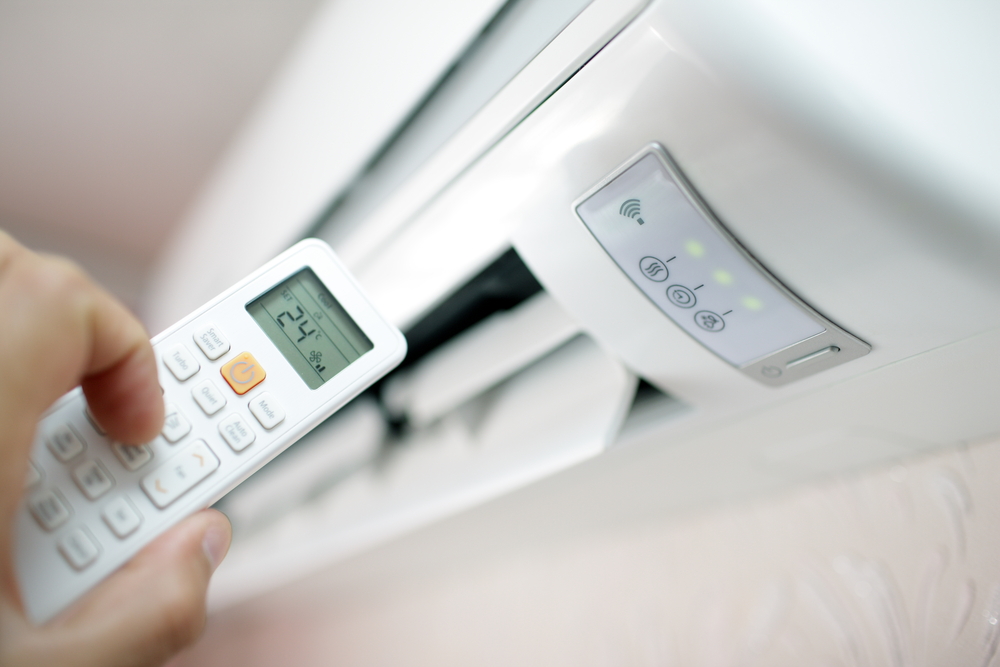
Image Source: www.electricrate.com
Actionable Tips: How Can I Make My Air Conditioner Colder?
Your air conditioner can feel colder by performing regular maintenance, checking common issues like a dirty filter or coils, and ensuring proper refrigerant levels. When your AC is blowing warm air or simply not cooling properly, it often points to one or more of these solvable problems. Addressing these points can significantly improve AC performance and bring back that desired cool air.
Why Your AC Might Not Be Cold Enough
When your air conditioner struggles to make your home cool, several things could be wrong. It’s not always a big problem. Sometimes, simple steps can fix it. Other times, you might need help from a professional. Learning what signs to look for is a good first step. Ignoring problems can lead to bigger, more costly repairs later.
Performing Simple Checks Yourself
You can check several things easily without special tools. These basic checks are part of good AC maintenance tips. They can help you find common AC problems quickly. Doing these checks often helps keep your unit running well.
Clean AC Filter First
This is often the easiest fix. A dirty air filter blocks airflow. When air can’t pass through the filter easily, your AC unit works harder. It also can’t cool the air effectively. This makes your AC blowing warm air instead of cold.
How to Check and Clean or Replace Your Filter
- Find your air filter. It’s usually in the return air vent or in the air handler unit itself.
- Look at the filter. Is it covered in dust and dirt? If you can’t see light through it, it’s too dirty.
- If you have a reusable filter, clean it according to the maker’s instructions. This usually means rinsing it with water. Let it dry completely before putting it back.
- If you have a disposable filter, replace it with a new one. Make sure the new filter is the right size and type for your system. The size is printed on the side of the old filter.
- Check your filter every month. Change or clean it every 1-3 months. If you have pets or allergies, you might need to do it more often.
A clean filter makes a big difference. It lets air flow freely. This helps your AC cool better and use less energy. It’s a key part of air conditioner troubleshooting.
Check Air Vents
Make sure the vents in your rooms are open. Blocked vents stop cold air from getting into your home.
What to Look For
- Are any vents closed? Open all the ones in areas you want cooled.
- Is anything blocking the vents? Furniture, curtains, or rugs can block airflow. Move items away from vents.
- Check the main return air vent too. This is where air goes back to the AC unit. Make sure it’s not blocked.
Good airflow from the vents is needed for the AC to cool your home evenly.
Look at the Thermostat
Your thermostat tells the AC what to do. Make sure it is set correctly.
Thermostat Tips
- Is the thermostat on the “Cool” setting?
- Is the temperature setting low enough? Set it to a comfortable temperature.
- Check the fan setting. The fan should be on “Auto” for normal cooling. If it’s on “On,” the fan runs all the time, even when the AC isn’t cooling. This can make the air feel less cold.
- If you have a programmable or smart thermostat, check its schedule. Make sure it’s set to cool when you need it.
- Ensure the thermostat is working right. If it uses batteries, check if they need changing.
A faulty thermostat might not read the temperature correctly. It might not tell the AC to turn on or cool enough.
Inspect the Outdoor Unit (Condenser)
Your AC has an outdoor unit. It releases heat from your home into the outside air. If this unit is dirty or blocked, it can’t get rid of heat well. This hurts its ability to cool.
Checking the Condenser
- Is the unit covered in dirt, leaves, or grass clippings? Use a hose to gently spray it down. Be careful not to spray water into the electrical parts.
- Are there plants or debris close to the unit? Clear away anything within two feet of the sides and top of the unit. This lets air flow around it.
A clean outdoor unit works better. It helps improve AC performance.
Deeper Checks and Potential Issues
If the simple checks didn’t fix the problem, other things might be wrong. Some of these need more care or a professional to fix. These are still common AC problems.
Evaporator Coil Cleaning
Your indoor AC unit has coils called the evaporator coils. These coils get cold and remove heat and humidity from the air. Over time, they can get covered in dirt and grime. This dirt acts like a blanket. It stops the coils from absorbing heat from the air.
Why Dirty Evaporator Coils Cause Warm Air
When evaporator coils are dirty:
* They cannot cool the air passing over them effectively.
* Airflow can be reduced, like with a dirty filter.
* The AC system struggles to remove heat from your home.
* This often results in the AC blowing warm air or just not cooling properly.
Cleaning evaporator coils can be tricky. It requires special coil cleaner and care not to damage the delicate fins. For most people, this is a job for an AC professional. They have the right tools and knowledge to clean the coils safely and completely. Regular AC maintenance tips include cleaning these coils.
Problems with Refrigerant (Freon)
Refrigerant is the substance inside your AC that absorbs heat from your home and releases it outside. People often call it Freon, which is a brand name for some types of refrigerant. Your AC system is a closed loop. Refrigerant is not used up like gas in a car. If your refrigerant level is low, it means there is a leak somewhere in the system.
Low Refrigerant Symptoms (Low Freon Symptoms)
When your AC has low refrigerant:
* The air coming from the vents might not be cold at all. It might just feel like the fan is running, blowing warm air.
* Ice might form on the evaporator coils (the indoor unit). This happens because the low pressure makes the coils too cold.
* The outdoor unit might struggle or make strange noises.
* Your energy bills might go up because the system runs constantly but doesn’t cool well.
* The AC takes a very long time to cool your home, or never reaches the set temperature.
If you think you have low refrigerant, you need a professional. A technician will check refrigerant level using special tools. They can find the leak, fix it, and then add the correct amount of refrigerant. Just adding more refrigerant without fixing the leak is a temporary fix. It doesn’t solve the real problem. Low refrigerant is a common reason for AC not cooling properly.
Check the Condensate Drain Line
As the evaporator coils cool the air, they also remove moisture (humidity). This water collects in a pan and drains away through a pipe called the condensate drain line. This line can get clogged with algae, mold, or dirt.
What Happens When the Drain Line is Clogged
- Water backs up in the drain pan.
- The pan might overflow, causing water damage.
- Many AC systems have a safety switch that turns the unit off if the pan fills up. This stops the AC from running at all, meaning no cool air.
You can sometimes clear a minor clog yourself using a wet/dry vacuum or by pouring a little vinegar or bleach down the drain line (check your manual or with a pro first). If the clog is bad or you’re not comfortable, call a technician. Checking and cleaning this line is part of good AC maintenance tips.
Issues with Fans
Both your indoor unit (air handler) and outdoor unit (condenser) have fans. These fans move air. The indoor fan blows air over the cold evaporator coils and into your ducts. The outdoor fan pulls air through the condenser coils to release heat.
Fan Problems
- If the indoor fan isn’t working, no air blows into your home.
- If the outdoor fan isn’t working, the unit can’t release heat. This makes the system overheat and not cool.
Check if both fans are running when the AC is supposed to be cooling. If a fan isn’t spinning, it could be a motor issue, a capacitor problem, or an electrical issue. These require a professional repair.
Compressor Problems
The compressor is like the heart of your AC system. It pumps the refrigerant through the system. If the compressor fails, the AC cannot cool at all.
Signs of a Failing Compressor
- The outdoor unit might hum but the fan doesn’t spin (though this could also be a capacitor issue).
- The unit might make loud rattling or grinding noises.
- The AC simply produces no cold air, even though the fans are running.
Compressor problems are serious and usually expensive to fix. They always require a professional technician.
Steps to Improve AC Performance Long Term
Regular maintenance is the best way to avoid your AC not cooling properly. It helps catch small problems before they become big ones. Following good AC maintenance tips can extend the life of your unit and keep it running efficiently.
Schedule Professional Tune-Ups
Having a qualified technician inspect your system once a year (spring is best before cooling season) is highly recommended.
What a Professional Does
- Cleans the evaporator and condenser coils thoroughly.
- Checks refrigerant level and pressure.
- Looks for refrigerant leaks.
- Checks electrical connections and components.
- Tests the thermostat.
- Checks the condensate drain line.
- Checks fan motors and blades.
- Lubricates moving parts if needed.
- Checks overall system operation and safety features.
These checks can identify potential issues early. This helps improve AC performance and makes your AC colder when you need it most. It’s a key part of air conditioner troubleshooting and preventing common AC problems.
Ensure Proper Insulation and Sealing
Your AC cools the air inside your home. If that cold air leaks out, or hot outside air leaks in, your AC has to work much harder. This makes it seem like the AC isn’t cooling enough, even if the unit itself is working fine.
Ways to Improve Insulation and Sealing
- Check for gaps around windows and doors. Seal them with caulk or weather stripping.
- Ensure your attic and walls have enough insulation. Proper insulation slows down heat transfer.
- Check ducts for leaks. Leaky ducts in uncooled areas (like an attic or crawl space) can lose a lot of cool air. Sealing ducts improves efficiency.
Better insulation and sealing keep the cold air inside your home. This makes your AC job easier. It helps the unit cool your home faster and maintain a lower temperature. This makes your AC feel much colder.
Use Fans to Help Air Circulation
Ceiling fans or portable fans do not cool the air itself, but they can make you feel colder. They create a wind-chill effect.
How Fans Help
- Use ceiling fans in occupied rooms. They help circulate the cool air from the AC.
- You can set your thermostat a little higher if you use fans. For example, setting the thermostat to 78°F with a fan can feel as cool as 75°F without a fan. This saves energy and money.
Fans are a great way to boost comfort and help your AC system work more effectively.
Manage Heat Sources Indoors
Things inside your home create heat. Your AC has to remove this heat. Reducing indoor heat sources helps your AC cool down the house faster.
Examples of Indoor Heat Sources
- Sunny windows: Use blinds, curtains, or shades to block direct sunlight during the hottest part of the day.
- Appliances: Ovens, stoves, dryers, and even electronics produce heat. Try to use them less during the hottest hours, or use ventilation fans (like kitchen or bathroom fans) to remove the heat.
- Incandescent light bulbs: These produce a lot of heat. Switch to LED bulbs, which use less energy and produce very little heat.
Reducing indoor heat load makes your AC’s job easier. It helps it cool your home more efficiently.
When to Call a Professional
Some AC problems are too complex or dangerous to fix yourself. Electrical components are involved. Refrigerant is a chemical that needs careful handling.
Signs You Need a Technician
- Your AC is blowing warm air even after you’ve cleaned the filter and checked vents.
- You see ice on the indoor or outdoor unit.
- You hear strange noises coming from the unit.
- You smell odd odors (like burning).
- The outdoor unit isn’t running, or the fan isn’t spinning.
- You suspect low refrigerant (low Freon symptoms).
- Water is leaking from the indoor unit (and the drain line isn’t just slightly clogged).
- You haven’t had professional AC maintenance in over a year.
Calling a professional technician for air conditioner troubleshooting is often the safest and most effective way to fix serious issues. They have the tools, knowledge, and experience to diagnose complex problems and fix them correctly. Trying to fix things like refrigerant leaks yourself is dangerous and illegal without the proper certification. Addressing common AC problems early with professional help can prevent more expensive breakdowns.
Fathoming Common AC Problems
Let’s look at some common issues again and how they affect cooling.
| Problem | Symptom | Effect on Cooling | How to Address |
|---|---|---|---|
| Dirty Air Filter | Low airflow, AC running constantly | AC blowing warm air, poor cooling | Clean or replace filter |
| Dirty Evaporator Coils | Poor cooling, ice on coils, low airflow | AC not cooling properly, less cold air | Professional cleaning recommended |
| Dirty Condenser Unit | Unit running hot, not cooling well | Reduced cooling capacity | Clean debris and rinse fins |
| Low Refrigerant Level | AC blowing warm air, ice on coils | Minimal to no cooling | Professional leak detection and recharge |
| Clogged Drain Line | Water leak indoors, unit may shut off | Unit stops cooling | Clear clog (DIY or professional) |
| Fan Motor Problems | Indoor or outdoor fan not running | No airflow or unit overheating | Professional repair required |
| Thermostat Issues | Incorrect temp readings, unit not cycling | Incorrect or no cooling | Check settings, batteries; replace if faulty |
Understanding these issues helps you pinpoint why your AC might not be getting cold enough. It guides you on whether you can fix it yourself or need a technician.
Comprehending Airflow
Good airflow is vital for your AC to work well. Air needs to flow freely over the coils to be cooled. Then, that cold air needs to reach your rooms.
Airflow Issues and Cooling
- Restricted Return Air: This happens if the air filter is dirty, the return vent is blocked, or the return duct is too small. The AC unit doesn’t get enough air to cool. This reduces efficiency and cooling power.
- Restricted Supply Air: This happens if supply vents are closed or blocked, or if supply ducts are leaky or blocked. Cold air cannot get into the rooms where you want it.
Checking and fixing airflow problems is a simple yet effective way to improve AC performance.
Interpreting Energy Bills
A sudden rise in your electricity bill might be a sign that your AC is not working as efficiently as it should. When your AC is not cooling properly, it often runs for longer periods to try and reach the set temperature. This uses more electricity.
What High Bills Can Mean
- Your AC system is struggling. It could be due to any of the common AC problems mentioned, like low refrigerant or dirty coils.
- Your home has air leaks or poor insulation, forcing the AC to work harder.
- The unit is old and less efficient.
Comparing your current energy use to previous months or years can show if there’s a problem. It’s a good indicator that your AC might need attention to improve AC performance and reduce costs.
Grasping the Importance of Professional Maintenance
While DIY tasks like cleaning the filter are helpful, professional maintenance goes much deeper. It’s an investment that saves you money and discomfort in the long run.
Benefits of Regular Tune-Ups
- Prevents Breakdowns: Catching small issues early prevents larger, more expensive failures.
- Improves Efficiency: A clean, properly charged system uses less energy to cool your home. This lowers your electricity bills.
- Extends Lifespan: Well-maintained units last longer. This delays the need for a costly replacement.
- Better Air Quality: Cleaning coils and filters reduces dust and mold circulation.
- Maintains Warranty: Many manufacturer warranties require proof of annual professional maintenance.
Regular maintenance is a key part of preventing your AC blowing warm air and ensuring it provides maximum cool air. It’s the best way to improve AC performance consistently.
A Note on System Sizing
Sometimes, an AC unit just cannot make your home cold enough because it is too small for the space it needs to cool. If your unit runs constantly but never cools the house to a comfortable temperature on hot days, it might be undersized. This is not something you can fix with maintenance. It requires replacing the unit with a properly sized one. An AC professional can perform a load calculation to determine the right size unit for your home.
Frequently Asked Questions (FAQ)
Why is my air conditioner blowing air but it’s not cold?
This is a common sign of several issues. The most likely causes are a dirty air filter blocking airflow, low refrigerant level due to a leak, a problem with the compressor, or dirty evaporator coils. Check the filter first. If that doesn’t help, you likely need a technician to diagnose the problem, especially if you suspect low Freon symptoms.
Can adding Freon make my AC colder?
If your system is low on refrigerant (Freon), adding more will make it colder after the leak is found and fixed. Refrigerant doesn’t get used up. Low levels mean there’s a leak. Simply adding refrigerant without fixing the leak is a temporary fix and the refrigerant will leak out again. A professional must find and repair the leak before adding refrigerant.
How often should I clean my AC filter?
You should check your disposable air filter at least once a month and change it every 1 to 3 months. Reusable filters should be cleaned monthly. If you have pets, allergies, or live in a dusty area, you may need to check and change/clean it more often.
Why is there ice on my AC unit?
Ice on the indoor or outdoor AC unit is usually a sign of airflow problems or low refrigerant. A dirty air filter or dirty coils restrict airflow, causing the coils to get too cold and freeze. Low refrigerant also causes the coils to get too cold and freeze. If you see ice, turn off the AC to let it thaw. Then, check the filter. If the problem continues, call a professional.
Is it normal for my AC to run all the time when it’s hot?
On the hottest days, it’s somewhat normal for your AC to run for long periods or even almost constantly to keep up. However, if it runs non-stop and never reaches the set temperature, or if the air coming out isn’t very cold, it suggests an issue. This could be a problem with the unit itself (low refrigerant, dirty coils) or problems with your home’s insulation or air leaks.
How can I make my home feel cooler without turning the thermostat down very low?
Improve air circulation with fans. Use blinds or curtains to block sunlight. Reduce using heat-producing appliances during peak heat. Ensure your home has good insulation and is sealed against air leaks. These steps help your AC work more effectively and make the air feel colder.
By following these actionable tips and addressing common AC problems, you can significantly improve AC performance. This will help your air conditioner blow colder air, making your home more comfortable and your system run more efficiently. Remember that regular maintenance is key, and knowing when to call a professional for air conditioner troubleshooting saves you hassle and money in the long run.