
Imagine capturing a breathtaking sunset, the glint in an actor’s eye, or the rush of a car chase – all with stunning clarity and vibrant colors. That’s the magic of cinema cameras! But when you’re ready to bring your own stories to life, the world of professional filmmaking gear can feel overwhelming. So many cameras, so many numbers and features – where do you even begin?
Choosing the perfect cinema camera is a big decision. It affects how your movie looks and feels. Many filmmakers get stuck trying to figure out what’s truly important. They worry about spending too much money or picking a camera that doesn’t do what they need. It’s like trying to find a treasure chest without a map!
That’s where we come in. This post will be your friendly guide through the exciting world of cinema cameras. We’ll break down the key things you need to know, making the choice much easier. You’ll learn what makes a camera great for filmmaking and how to find the one that fits your vision and your budget. Get ready to unlock your filmmaking potential!
Our Top 5 Cinema Camera Recommendations at a Glance
Top 5 Cinema Camera Detailed Reviews
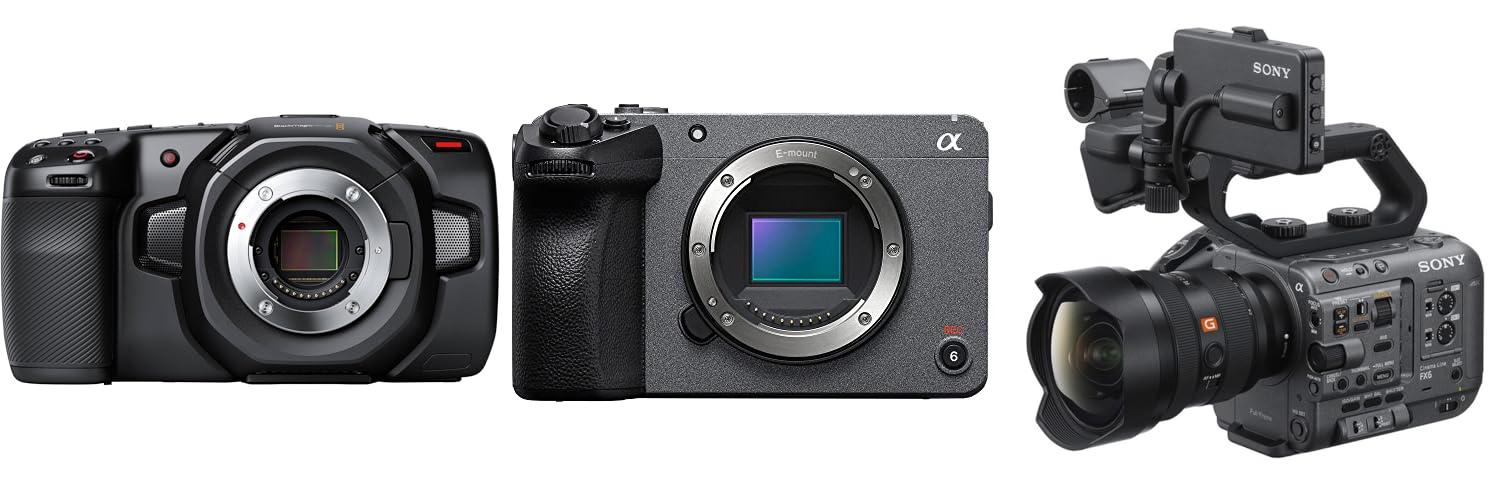
1. Blackmagic Design Pocket Cinema Camera 4K (CINECAMPOCHDMFT4K)

Rating: 8.9/10
The Blackmagic Design Pocket Cinema Camera 4K (CINECAMPOCHDMFT4K) is a powerful tool for filmmakers who want amazing video quality without breaking the bank. It’s small but packs a punch, letting you capture stunning footage in almost any situation.
What We Like:
- Incredible image quality with a large 4/3″ sensor that captures lots of detail.
- 13 stops of dynamic range means you can see both bright and dark parts of your scene clearly.
- Dual Gain ISO up to 25,600 helps keep your videos looking clean, even in low light.
- Flexible recording options to SD cards, CFast 2.0 cards, or even external SSDs.
- Supports industry-standard file formats like Apple ProRes and Blackmagic RAW for easy editing.
- Comes with a DaVinci Resolve Studio activation key, a professional editing software.
- Lightweight and user-friendly design with controls right on the handgrip.
- A big 5-inch LCD screen makes it easy to see what you’re shooting without needing another screen.
- Includes everything you need to get started: the camera, DaVinci Resolve key, power supply, and a battery.
What Could Be Improved:
- The MFT lens mount might limit your lens choices compared to other mounts.
- While user-friendly, there’s a learning curve for some of the advanced features.
This camera offers amazing value for its price, making professional-looking video accessible to more people. It’s a fantastic choice for aspiring filmmakers and content creators.
2. SONY Cinema Line FX30 Super 35 Camera

Rating: 8.9/10
The SONY Cinema Line FX30 Super 35 Camera brings professional movie-making power to your fingertips. It’s designed for creators who want stunning video without the hassle of complicated editing. This camera captures incredible detail and rich colors, making your footage look like it came straight from a Hollywood set.
What We Like:
- The 20.1 MP Super 35mm sensor captures amazing detail and a wide range of colors.
- S-Cinetone™ gives your videos a beautiful, cinematic look right away, so you don’t need to spend a lot of time grading.
- Flexible ISO and Cine EI shooting modes let you get the best image quality in different lighting situations.
- You can add your own custom looks (User LUTs) to the screen and recordings, making your vision come alive.
- Dual Base ISO and a 14+ stop range mean your footage will have lots of detail in both bright and dark areas, with very little grain.
What Could Be Improved:
- For beginners, the advanced shooting modes might seem a little complex at first.
- While powerful, the price point might be a stretch for hobbyists just starting out.
The SONY FX30 is an excellent tool for filmmakers who value ease of use and professional results. It empowers you to tell your stories with stunning visual quality.
3. SONY ILME-FX6 Cinema Line Full-Frame Camera with SEL24105G

Rating: 8.8/10
The SONY ILME-FX6 Cinema Line Full-Frame Camera with SEL24105G is a powerful tool for filmmakers. It captures stunning video with its advanced sensor and offers incredible flexibility. This camera is designed to help you tell your stories with professional quality.
What We Like:
- The 10.2MP 4K full-frame sensor delivers amazing detail.
- It handles low light like a champ, with sensitivity up to ISO 409,600.
- The dynamic range of 15+ stops means you get more detail in bright and dark areas.
- Fast Hybrid AF with 627 focus points and Eye-AF keeps your subjects sharp.
- You can shoot in super slow motion with 4K 120p and Full HD 240p.
- The built-in variable ND filter makes adjusting exposure easy on the fly.
What Could Be Improved:
- The price point might be high for beginners.
- Some users might prefer a more compact body.
This camera truly elevates your video creation. It’s a top-tier choice for anyone serious about filmmaking.
4. Sony FX2 Full-Frame Cinema Camera Body Only

Rating: 9.2/10
Get ready to capture stunning movies with the Sony FX2 Full-Frame Cinema Camera Body Only. This camera packs a powerful punch, letting you shoot professional-looking footage right out of the box. Its full-frame sensor and advanced processor work together to create incredibly detailed and vibrant images.
What We Like:
- It has a big 33MP full-frame Exmor R CMOS sensor.
- The BIONZ XR image processor makes everything fast and smooth.
- You get over 15 stops of dynamic range in Log mode. This means you can see lots of detail in both bright and dark areas of your shots.
- Dual base ISO (800/4000) helps you get clean images in different lighting conditions.
- You have flexible choices for shooting in Log mode: Flexible ISO, Cine EI, and Cine EI Quick. This gives you lots of control over how your footage looks.
- The EVF (electronic viewfinder) can be adjusted to different angles. This makes it easier to see what you’re filming.
- The “BIG6” interface is designed for quick and easy access to important settings.
What Could Be Improved:
- This is a body-only package, so you’ll need to buy lenses separately.
- As a professional cinema camera, the price point might be high for beginners.
The Sony FX2 offers incredible image quality and creative freedom. It’s a fantastic tool for filmmakers who demand the best.
5. Canon EOS Rebel T7 DSLR Camera with 18-55mm Lens

Rating: 8.8/10
The Canon EOS Rebel T7 DSLR Camera is a fantastic choice for anyone looking to step up their photography game. It comes with a versatile 18-55mm lens, perfect for capturing everything from wide landscapes to close-up portraits. This camera makes it easy to take amazing photos and videos with its powerful 24.1 MP CMOS sensor. Plus, the built-in Wi-Fi lets you share your shots instantly.
What We Like:
- The 24.1 Megapixel CMOS sensor captures incredibly detailed and vibrant images.
- Built-in Wi-Fi and NFC make sharing your photos super easy and quick.
- The 9-Point AF system with AI Servo AF reliably tracks moving subjects, so you won’t miss the action.
- You can even use it as a high-quality webcam for your computer with the EOS Utility Webcam Beta Software.
- It’s a great entry-level DSLR that offers excellent value for its price.
- The ISO range of 100–6400 (expandable to 12800) lets you take clear pictures even in low light.
What Could Be Improved:
- The optical viewfinder has about 95% viewing coverage, meaning a tiny bit of the actual shot might not be visible through it.
- It only works with Canon EF lenses (including EF-S lenses), so you can’t use their EF-M lenses.
Overall, the Canon EOS Rebel T7 is a powerful and user-friendly camera that will help you create stunning photographs and videos. It’s an excellent tool for beginners and hobbyists alike.
Your First Cinema Camera: A Guide to Amazing Videos
Thinking about making your videos look like they belong in a movie theater? A cinema camera can help! These cameras are special tools that give you more control and better quality than your everyday phone or camcorder. This guide will help you pick the right one.
1. Key Features to Look For
When you’re shopping for a cinema camera, some things are super important.
Sensor Size
The sensor is like the camera’s eye. Bigger sensors capture more light. This means your videos will look clearer, especially in dark places. Full-frame sensors are the biggest and best for low light.
Resolution and Frame Rates
- Resolution: This is how many pixels make up your picture. 4K (which means 4,000 pixels wide) is common now and looks very sharp. 8K is even sharper if you need that super detail.
- Frame Rates: This is how many pictures the camera takes each second. 24 frames per second (fps) is the standard for movies. Higher frame rates, like 60fps or 120fps, let you slow down your footage for cool slow-motion effects.
Dynamic Range
Dynamic range is how well a camera can show both very bright and very dark parts of a scene at the same time. A camera with high dynamic range will capture details in the sky and in shadows without losing them.
Color Science
This is how the camera records colors. Different brands have different “color science,” which affects how natural or stylized your footage looks. Some cameras have amazing color that makes editing easier.
Lens Mount
This is where you attach your lenses. Most cinema cameras use interchangeable lenses, so you can pick the best lens for the job. Make sure the mount type is compatible with the lenses you want to use.
2. Important Materials
The body of a cinema camera is usually made of strong stuff.
- Magnesium Alloy: This is a lightweight but very strong metal. It helps protect the camera’s insides and makes it feel solid.
- Carbon Fiber: Some high-end cameras use carbon fiber, which is even lighter than magnesium alloy. It’s super strong and helps keep the camera from getting too heavy.
3. Factors That Improve or Reduce Quality
Lots of things can make your videos look better or worse.
What Makes Quality Better:
- Good Lenses: Even the best camera won’t look good with a bad lens. Invest in quality lenses.
- Proper Lighting: Light is your best friend. Good lighting makes almost any camera look better.
- Stable Shots: Use a tripod or a gimbal to keep your camera steady. Shaky footage looks unprofessional.
- Careful Editing: After you shoot, editing is where you can really make your video shine.
What Makes Quality Worse:
- Low Light: If there isn’t enough light, your video can look grainy and noisy.
- Bad Focus: When your subject isn’t in focus, the video looks blurry and hard to watch.
- Harsh Shadows: Too much contrast or unflattering shadows can hide important details.
- Digital Zoom: Using digital zoom on a camera often makes the picture look pixelated and low quality.
4. User Experience and Use Cases
Cinema cameras are for people who want to create something special.
Who Uses Them?
- Filmmakers who make short films or movies.
- Content creators who want their YouTube or social media videos to stand out.
- Wedding videographers who want to capture special moments beautifully.
- Documentary filmmakers who need reliable tools for long shoots.
Ease of Use
Cinema cameras can be more complex than point-and-shoot cameras. They have lots of buttons and settings. But once you learn them, they give you amazing creative control. Many come with helpful menus and guides.
Using a cinema camera is a journey. It takes practice, but the results can be incredible. You’ll be able to tell stories with stunning visuals!
Frequently Asked Questions About Cinema Cameras
Q: What’s the biggest difference between a cinema camera and a regular DSLR or mirrorless camera?
A: Cinema cameras are built for video. They often have better cooling systems to prevent overheating during long takes, more advanced video features like higher bitrates and better color depth, and ergonomic designs for filming.
Q: Do I need to be a professional to use a cinema camera?
A: No! While they are professional tools, many entry-level cinema cameras are designed for aspiring filmmakers and content creators. Learning takes time, but the investment can be worth it.
Q: What is “bitrate” and why is it important?
A: Bitrate is the amount of data used to record one second of video. A higher bitrate means more detail and better quality, especially when you edit or grade your footage. It allows for more flexibility in post-production.
Q: How important is audio when using a cinema camera?
A: Audio is just as important as video! While cinema cameras focus on image quality, good external microphones are usually needed to capture clear and professional sound. Many cinema cameras have good audio inputs.
Q: Can I use my existing camera lenses with a cinema camera?
A: It depends on the lens mount. Many cinema cameras have interchangeable lens mounts, so you might be able to adapt your lenses. Always check compatibility before buying.
Q: What is “log footage” and why would I want it?
A: Log footage is a special recording mode that captures the widest possible dynamic range. It looks flat and desaturated when you first see it, but it gives you the most flexibility to color grade and make your footage look amazing in editing.
Q: How much do cinema cameras cost?
A: Prices vary a lot. You can find entry-level cinema cameras for a few thousand dollars, while professional-grade cameras can cost tens of thousands. It’s important to set a budget.
Q: Are cinema cameras good for still photos?
A: Most cinema cameras can take still photos, but they are primarily designed for video. Their strengths lie in their video capabilities, not necessarily their still photography features compared to dedicated still cameras.
Q: What is “rolling shutter” and how does it affect my video?
A: Rolling shutter is when the camera sensor reads information line by line. This can cause distortion when capturing fast-moving objects, making them look bent or wobbly. Global shutter, found on some higher-end cinema cameras, avoids this issue.
Q: What are the benefits of using a cinema camera over a high-end mirrorless camera for video?
A: Cinema cameras often offer more robust build quality, better heat management for long shoots, more advanced video codecs and internal recording options, and a workflow designed specifically for professional filmmaking, including better audio inputs and controls.
In conclusion, every product has unique features and benefits. We hope this review helps you decide if it meets your needs. An informed choice ensures the best experience.
If you have any questions or feedback, please share them in the comments. Your input helps everyone. Thank you for reading.