
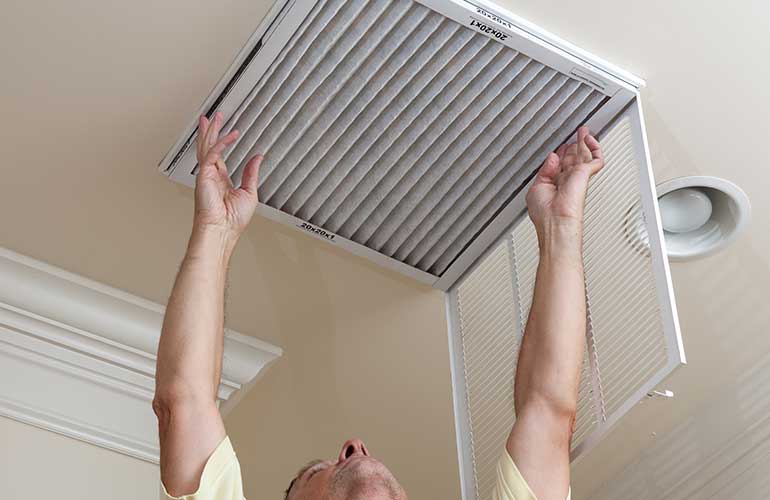
Image Source: www.irishheatandair.com
Essential Tips: How To Prevent Dust From Air Conditioner
Dust is a common problem inside homes. When you run your air conditioner, it pulls air from the room. This air often carries dust. The AC unit then blows the dust back out, or it gets trapped inside. This causes problems. Preventing dust from your air conditioner makes the air you breathe cleaner. It also helps your AC work better. This guide gives you simple tips to stop dust before it becomes a major issue. It covers simple steps like changing your filter often and keeping your home clean. Following these tips helps with dust control in air conditioning.
Why Dust in Your AC Matters
Dust is more than just annoying. When it builds up in your air conditioner, it can cause real problems. It affects how well your AC works and the air quality in your home. Knowing why it matters helps you see the value in preventing it.
h4 Saving Energy and Money
Dust buildup makes your air conditioner work harder. When filters are clogged, or coils are dirty, the AC uses more power to cool your home. This means higher energy bills. Keeping your AC free of dust helps it run smoothly. A clean AC uses less energy. Less energy used means lower electricity costs for you. It saves you money over time.
h4 Making Air Quality Better
Your air conditioner moves air all through your house. If the AC is full of dust, it blows that dust around. This can worsen allergies and breathing problems. Dust carries small bits like pollen, pet dander, and mold spores. Breathing these in can make you sick. Keeping dust out of your AC helps you improve indoor air quality. Cleaner air inside your home is good for everyone’s health.
h4 Keeping Your AC Unit Working Longer
Dust buildup can damage parts of your air conditioner. Dirty coils can freeze up. A clogged filter makes the fan motor work too hard. These issues can lead to costly repairs. In the worst cases, they can make your AC unit break down completely. Regular cleaning and dust prevention help your AC last longer. It protects your investment.
Preventing Dust Buildup: The Core Steps
Stopping dust from getting into your air conditioner in the first place is the best approach. Most dust comes from inside your home. But the AC system itself can trap and hold dust. Here are the main ways to prevent dust buildup in your AC.
h4 AC Filter Maintenance
This is the most important step you can take. The air conditioner dust filter catches dust, dirt, and other particles from the air before it goes into the system. If the filter is dirty, it cannot catch dust well. It also blocks airflow.
h5 Why Filters Get Dirty
As air passes through the filter, dust sticks to it. Over time, the filter gets clogged. A clogged filter looks gray and fuzzy. This blockage stops air from moving freely.
h5 How Often To Check and Change Filters
How often you need to check and change your filter depends on several things:
* The type of filter: Some filters are made to be washed and reused. Most are disposable and need to be replaced. Thicker, higher-quality filters (like MERV 11 or higher) can hold more dust but might need changing just as often if your home is dusty.
* How often your AC runs: If you use your AC a lot, the filter will get dirty faster.
* Dust levels in your home: Homes with pets, smokers, or lots of people might have more dust. Construction nearby can also increase dust.
A general rule is to check disposable filters every month. If it looks dirty, change it. Most homes need a new filter every 1 to 3 months. If you have pets or allergies, change it monthly. Mark the date on the filter or on your calendar so you remember.
h5 How To Change Your AC Filter
Changing the filter is simple.
1. Find the filter: It’s usually located in the air return vent grille or inside the air handler unit (the indoor part of your AC system, often in a closet, attic, or basement). There’s usually an arrow on the filter showing the direction of airflow.
2. Turn off the AC: Always turn off the power to your air conditioner before working on it.
3. Remove the old filter: Open the filter slot or grille. Pull out the old filter.
4. Insert the new filter: Make sure the arrow on the new filter points in the same direction as the airflow. This direction is usually towards the air handler. Slide the new filter into the slot.
5. Close the slot: Close the filter slot or replace the vent grille cover.
6. Turn the AC back on: Restore power to the unit.
Regular AC filter maintenance is the first and best line of defense against dust buildup in your system. It is a simple step that makes a big difference.
h4 Air Conditioner Cleaning: Inside the Unit
Beyond the filter, dust can settle on other parts inside your air conditioning unit. These include the evaporator coils, blower fan, and drain pan. Cleaning these parts is part of comprehensive air conditioner cleaning.
h5 Cleaning Evaporator Coils
The evaporator coil is the part inside your home that cools the air. It gets cold, and moisture from the air collects on it. This moisture can trap dust that makes it past the filter. Dirty coils don’t cool air well. They also become a place where mold and bacteria can grow.
- How to clean: You can buy special coil cleaner sprays. Turn off the AC power. Locate the evaporator coil (usually behind panels on the indoor unit). Spray the cleaner onto the coil. It will foam up and drip into the drain pan. Most coil cleaners don’t need rinsing. Some can be rinsed gently with water if recommended by the product.
- Frequency: You might clean coils yourself annually or have a professional do it during HVAC system cleaning.
h5 Cleaning the Blower Fan
The blower fan pushes air through the system and into your ducts. Dust can stick to the fan blades. Dirty blades move less air. This reduces airflow and can cause the unit to overheat or freeze.
- How to clean: Turn off the AC power. Access the blower motor and fan cage (often located near the evaporator coil). Use a soft brush or vacuum with a brush attachment to gently remove dust from the fan blades and cage. For stubborn grime, specialized HVAC cleaning brushes and solutions might be needed.
- Frequency: Check and clean the blower fan every 1-2 years or during professional maintenance.
h5 Cleaning the Drain Pan
The drain pan sits under the evaporator coil. It catches the moisture that drips off the coil. Dust mixed with this water can create a slimy buildup. This buildup can clog the drain line, causing water to back up and overflow. Overflowing water can damage your home and the AC unit.
- How to clean: Turn off the AC power. Find the drain pan. Remove any visible debris or slime. Pour a cup of distilled white vinegar or a special drain pan cleaner into the pan and the drain line opening. This helps kill mold and break down buildup.
- Frequency: Check the drain pan every few months, especially during humid weather when the AC runs a lot. Clean it as needed.
Taking these steps for air conditioner cleaning inside the unit helps prevent dust buildup where it causes the most problems.
h4 Clean AC Vents
The air you feel comes out of vents or registers in your walls or ceilings. Dust can settle on the surfaces of these vents. When the AC blows air, this surface dust gets stirred up and enters the room.
h5 How To Clean Vents
- Turn off the AC: Stop the airflow before cleaning vents.
- Remove vent covers: Most vent covers can be unscrewed.
- Wash vent covers: Take the covers outside or to a sink. Wash them with soap and water to remove dust and grime. Rinse and let them dry completely.
- Clean inside the vent: Use a vacuum with a brush attachment to reach inside the duct opening as far as you can. A flexible brush designed for dryer vents or similar narrow spaces can also help pull dust out.
- Replace covers: Once the covers are dry, screw them back into place.
Cleaning vents helps keep the air leaving the AC system clean. Do this cleaning a few times a year, or whenever you notice dust buildup on the vent covers.
Controlling Dust Sources in Your Home
Preventing dust from your air conditioner isn’t just about the AC itself. Most dust comes from inside your home. It’s made of things like skin cells, hair, clothing fibers, dust mites, pet dander, and dirt brought in from outside. Reducing the amount of dust in your home overall greatly helps reduce dust in home from AC.
h4 Regular House Cleaning
Consistent cleaning is a powerful way to reduce dust.
- Dusting: Use microfiber cloths or electrostatic dusters. They trap dust instead of just pushing it around. Dust surfaces regularly, including furniture, shelves, and decorations.
- Vacuuming: Vacuum floors and carpets often. Carpets trap a lot of dust. Use a vacuum with a HEPA filter. A HEPA filter is a special filter that catches very small particles. This keeps dust from being blown back into the air by the vacuum cleaner. Vacuum at least once a week, more often if you have pets or allergies.
- Mopping: Mopping hard floors (like wood, tile, or laminate) after vacuuming helps pick up fine dust the vacuum missed.
- Washing Bedding: Wash sheets, blankets, and pillowcases weekly in hot water. This kills dust mites, a major source of household dust and allergens.
- Cleaning Curtains and Blinds: These can collect a lot of dust. Vacuum or wash curtains regularly. Wipe down blinds.
h4 Using Air Purifiers
Air purifiers can help capture airborne dust particles that your AC filter might miss. Place them in rooms where you spend the most time, like bedrooms or the living room. Look for purifiers with HEPA filters for best results. An air purifier works with your AC to improve indoor air quality. It doesn’t replace the need for AC filter maintenance.
h4 Managing Humidity
Dust mites and mold thrive in high humidity. Keeping humidity levels in your home between 30% and 50% can help control them. Use a dehumidifier if your home is too humid, especially in basements or damp areas. In dry climates, a humidifier might be needed, but be careful not to make the air too moist.
h4 Controlling Pet Dander
Pet dander is a big source of dust and allergens. Brush pets outside regularly to remove loose hair and dander. Wash pet beds and toys often. Consider using a HEPA air purifier in rooms where pets spend a lot of time.
h4 Thinking About Flooring
Carpeting holds more dust than hard flooring like wood, tile, or laminate. If you have bad allergies or a lot of dust problems, consider replacing carpet with hard flooring, especially in bedrooms. If you keep carpets, vacuum very often with a good vacuum cleaner.
h4 Using Entry Mats
Use mats at all entrances to your home. Ask people to wipe their feet or take off their shoes. This stops dirt and dust from being tracked into the house. Less dirt inside means less dust to get into your AC.
Going Deeper: Understanding Airflow and Ductwork
The air conditioner unit is just one part of the system. For central AC, ductwork carries the air around your home. Dust can also collect in ducts.
h4 How Dust Gets in Ducts
- Leaky Ducts: If ducts have holes or poor connections, they can pull dust from attics, crawl spaces, or wall cavities.
- Dirty AC Unit: If the AC unit itself (blower, coils) is dirty, dust can be pushed into the ducts.
- Dust from the House: Even with a good filter, some very fine dust can get into the system and settle in the ducts over time, especially in older homes or systems.
h4 Cleaning Ductwork
Duct cleaning can help reduce dust in your home, especially if your ducts are visibly dirty or if you’ve had renovations. However, it’s not always necessary and can sometimes stir up dust if not done correctly.
- When to consider duct cleaning: If you see mold growth inside ducts, if ducts are full of pests (like rodents or insects), if ducts are clogged with dust and debris, or after major home renovations that created a lot of dust.
- Professional Duct Cleaning: It’s best to hire a qualified professional for duct cleaning. They use special vacuums and brushes to remove dust and debris from the inside surfaces of the ducts. This is part of a thorough HVAC system cleaning.
- DIY Duct Cleaning: You can vacuum accessible parts of your ducts through vent openings, as mentioned in the “Clean AC Vents” section. However, reaching the entire duct system requires specialized tools.
Regularly cleaning vents and ensuring a clean AC unit are usually more effective dust prevention steps than frequent whole-system duct cleaning.
Professional HVAC System Cleaning
While many dust prevention tasks can be done by a homeowner, professional HVAC system cleaning is also important. Technicians have the tools and knowledge to clean parts you can’t easily reach or safely clean yourself.
h4 What a Professional Cleaning Includes
A professional cleaning usually covers:
* Checking and cleaning coils (evaporator and condenser).
* Cleaning the blower motor and fan.
* Checking and cleaning the drain pan and line.
* Checking refrigerant levels.
* Checking electrical connections.
* Inspecting ductwork near the unit.
* Changing the air filter (or advising you to).
This type of service helps ensure your entire air conditioning unit is dust-free and running efficiently. It can identify potential problems early, including issues that might be letting dust into the system. Scheduling professional air conditioner cleaning once a year is a good practice.
Preventing Dust Buildup: Summarizing the Plan
Putting together all these tips creates a strong plan for air conditioning unit dust prevention. Here is a summary of key actions and how often to do them:
| Task | Frequency | How it Helps Prevent Dust |
|---|---|---|
| Check/Change AC Filter | Every 1-3 months | Stops dust before it enters the AC unit. |
| Clean AC Vents | Every few months | Removes settled dust that can be blown into the room. |
| Vacuum Floors/Carpets | Weekly | Reduces dust sources in the home. |
| Dust Surfaces | Weekly | Reduces dust sources in the home. |
| Mop Hard Floors | Weekly | Picks up fine dust missed by vacuuming. |
| Wash Bedding | Weekly | Reduces dust mites and other fine particles. |
| Clean Drain Pan | Every few months | Prevents slime buildup trapping dust and causing clogs. |
| Clean Evaporator Coils | Annually (DIY/Pro) | Removes dust trapped by moisture on coils. |
| Clean Blower Fan | Every 1-2 years | Ensures proper airflow and prevents dust accumulation. |
| Professional HVAC Cleaning | Annually | Thorough cleaning of the entire system, checks for issues. |
| Use Air Purifiers | Continuously | Captures airborne dust not caught by AC filter. |
| Control Humidity | Continuously | Discourages dust mites and mold. |
This plan combines caring for your AC system directly with keeping your home clean. Both parts are necessary for effective dust control in air conditioning and to reduce dust in home from AC.
Addressing Specific Scenarios
Sometimes, dust problems seem worse. Knowing what to do in these cases helps.
h4 After Home Renovations
Renovations create a lot of dust, even if you try to seal off the work area. This fine dust settles everywhere, including potentially in your ductwork and AC system.
* Change your AC filter immediately after major dusty work is finished.
* Clean all surfaces thoroughly, including inside closets and cabinets.
* Consider professional duct cleaning after all dusty work is complete and the house has been cleaned. Running the AC during dusty work is not recommended; it pulls dust into the system.
h4 If You Have New Carpets
New carpets can shed fibers for a while. Vacuum new carpets more often initially. This helps remove loose fibers that become dust.
h4 If You Just Moved
Moving into a new place means dealing with dust from previous owners and the move itself. Start with a deep clean of the whole house. Replace the AC filter right away.
Maintaining a Clean AC Unit: Beyond Dust
While dust is a primary concern, a well-maintained air conditioner involves more than just dust prevention. Regular checks ensure the whole system works well.
h5 Checking Airflow
Poor airflow can point to a clogged filter, a dirty blower fan, or blocked vents. If air coming from your vents feels weak, check your filter first.
h5 Listening for Strange Noises
Unusual sounds can mean a part is loose or something is wrong inside the unit. Call a technician if you hear strange noises.
h5 Checking for Leaks
Water around the indoor unit can mean a clogged drain line or other issue. Address leaks right away to prevent water damage and mold growth.
h5 Regular Tune-Ups
Even without obvious problems, getting an annual tune-up from an HVAC professional is smart. They clean, check, and test all parts of the system. This preventive maintenance helps your AC run well and prevents small issues from becoming big, dusty ones. This is part of comprehensive air conditioner cleaning and ensures air conditioning unit dust prevention is effective.
The Link Between AC Dust and Health
We touched on this earlier, but it’s worth repeating. A dusty air conditioner can harm your health.
h5 Allergies and Asthma
Dust is a common trigger for allergies and asthma attacks. When your AC blows dusty air, it puts these triggers into the air you breathe. Keeping your AC clean reduces these allergens in your home.
h5 Respiratory Issues
Breathing in dust and the tiny particles it carries (like mold spores) can irritate your lungs and airways. Over time, this can contribute to respiratory problems. Cleaner air from a dust-free AC supports better lung health.
h5 Sleep Quality
Poor air quality, often caused by dust circulating from an AC, can affect your sleep. You might wake up feeling congested or have trouble breathing easily. Cleaner air helps you sleep better.
By focusing on preventing dust from air conditioner, you are not just caring for your appliance. You are actively working to improve indoor air quality and protect the health of everyone in your home.
Frequently Asked Questions (FAQ)
h4 How often should I change my AC filter to prevent dust?
Check disposable filters monthly. Change them when they look dirty, typically every 1 to 3 months. Change them monthly if you have pets or allergies.
h4 Can a dirty AC filter cause health problems?
Yes. A dirty filter allows dust, allergens, and mold spores to circulate in your home’s air. This can worsen allergies, asthma, and other respiratory issues.
h4 How can I tell if my AC unit is dusty inside?
You might see dust buildup on the vent covers, notice a decrease in airflow, or see visible dirt on parts like the blower fan if you can safely access it. A professional cleaning can show you the condition inside the unit.
h4 Does dust in my AC waste electricity?
Yes. Dust buildup on filters and coils makes the system work harder to move air and cool. This uses more energy and increases your electricity bills.
h4 Should I clean my air ducts myself?
Basic cleaning of vents is easy. Cleaning the entire duct system properly needs special tools. It’s usually best to hire a professional HVAC cleaning service for full duct cleaning.
h4 How does dust control in air conditioning relate to air quality?
Stopping dust in your AC means less dust gets blown into your home’s air. This directly leads to cleaner air, which is better for breathing and overall health.
h4 Is professional air conditioner cleaning really necessary?
Yes, it is very helpful. Professionals can clean parts you cannot reach. They also check the system for other issues. This helps your AC run well and last longer. It is a key part of air conditioning unit dust prevention.
h4 Can air purifiers help reduce dust from my AC?
Air purifiers help clean the air in the room, catching dust particles that might otherwise reach the AC system or that the AC system blows out. They work well together with AC filter maintenance to improve indoor air quality.
Conclusion
Keeping dust out of your air conditioner is vital. It helps your AC run better, saves energy, and creates healthier air in your home. Simple steps like regular AC filter maintenance and cleaning your home reduce dust sources. Cleaning AC vents and other accessible parts of the unit also helps. For deeper cleaning and checks, professional HVAC system cleaning is valuable. By making dust prevention a regular habit, you protect your comfort, your wallet, and your health. Start today with simple steps to enjoy cleaner air and a more efficient AC system.