
Why would my fridge leak water? This is a common problem many people face. Your fridge might leak water for a few main reasons. Most times, it is because a drain line is blocked, a part in the ice maker or water dispenser is broken, or water overflows from a tray. These issues are often fixable yourself.
Seeing water near your fridge can be upsetting. It can make your floor wet and even cause damage. Let’s look at the top reasons why this happens and how you can stop it.
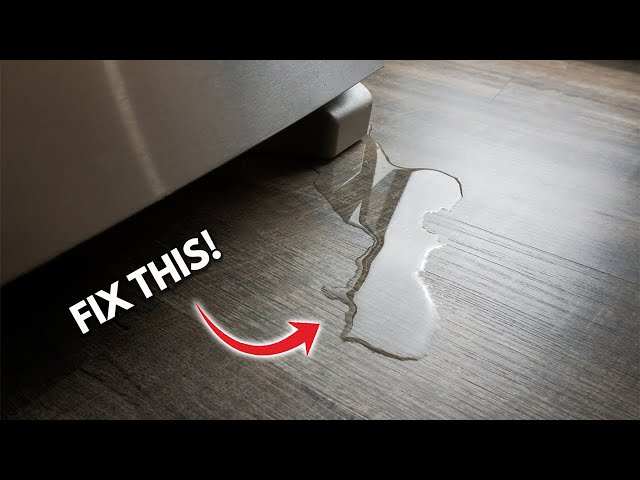
Image Source: i.ytimg.com
Grasping the Refrigerator’s Water System
Your fridge does more than just keep food cold. It also makes ice and gives you cold water if it has a dispenser. It also handles frost that builds up. All these jobs involve water. If any part of these systems has a problem, you might see water leaking under your refrigerator.
The fridge has parts that work together. It has a system to keep ice from building up too much inside the freezer. It has pipes for water to make ice and come out the dispenser. And it has a place to catch extra water. When these parts work right, you don’t see leaks. When they don’t, water goes where it shouldn’t.
The Defrost Cycle Explained Simply
Inside your freezer, ice can build up on the cooling parts. This ice stops the fridge from working well. So, the fridge has a special time when it warms up just a little bit. This warming melts the ice. This is called the defrost cycle.
When the ice melts, it turns into water. This water needs a place to go. It drips down into a drain hole. This drain hole leads to a tube or hose called the refrigerator defrost drain line. The water flows through this line down to a pan usually located at the bottom of the fridge.
The Journey to the Drip Pan
The water from the melting ice travels through the refrigerator defrost drain line. This line goes from inside the freezer down to the bottom of the fridge. At the bottom, there is a flat pan called the refrigerator drip pan.
The drip pan collects the water from the defrost cycle. It is usually placed near the fridge’s motor. The motor gets warm when the fridge runs. This warmth helps the water in the drip pan dry up or evaporate into the air. This system works well most of the time. But if the drain line or the drip pan has a problem, water can leak.
Top 5 Causes of Refrigerator Water Leaks
Now, let’s look at the five main reasons your fridge might be leaking water at home. We will explain each one and what you can do about it.
Cause 1: The Defrost Drain Line Is Blocked
This is one of the most common reasons for a fridge to leak water. The refrigerator defrost drain line is a small tube. It carries water from the freezer down to the drip pan.
Over time, small bits of food, ice, or other stuff can get into this drain hole or tube. This blocks the tube. It becomes a blocked drain hose. When the fridge goes through its defrost cycle, the ice melts. But the water has nowhere to go. It cannot drain down the clogged freezer drain tube.
Instead, the water builds up inside the freezer. It might pool under the freezer drawers. If enough water builds up, it will flow out of the freezer. It will then run down the inside of the fridge section. From there, it often finds a way out, leaking onto the floor, often as water leaking under refrigerator.
Recognizing a Blocked Defrost Drain
How do you know if this is the problem? You might see water pooling inside the fridge, often in the bottom shelf or under the vegetable crispers. You might also see ice built up around the drain hole in the back wall of the freezer. Sometimes, the water will leak onto the floor right under the freezer door.
A completely frozen defrost drain will also cause this issue. If the drain tube freezes shut, the water cannot get through either. This happens if the temperature is set too low or if the drain is partly blocked.
Fixing a Clogged Defrost Drain
Fixing a clogged or frozen defrost drain involves clearing the blockage.
Step-by-Step Clearing Process
h5 Unplug the Fridge
This is the first and most important step for safety. Pull the fridge away from the wall and unplug it.
h5 Find the Drain Hole
Empty your freezer. Look at the back wall of the freezer, usually near the bottom. You should see a small hole. This is the drain hole. It might be covered with ice.
h5 Melt the Ice
If there is ice covering the hole or blocking the drain, you need to melt it. You can use a hairdryer on a low heat setting (keep it moving so you don’t melt plastic). You can also use a turkey baster to squirt warm water directly into the drain hole. Be ready with towels to catch the water.
h5 Clear the Blockage
Once the ice is melted, you need to clear any stuff blocking the tube. You can use a long, flexible tool like a pipe cleaner or a special tool made for cleaning fridge drains. Gently push it into the drain tube to push out anything stuck in there.
h5 Flush the Line
Mix about a quarter cup of baking soda with warm water. Pour this mix down the drain hole. This helps clean out the tube. You can also just use warm water. Pour a little bit and see if it drains freely down to the drip pan at the bottom of the fridge. You might need to pour several times.
h5 Clean Up
Clean up all the water inside the freezer and fridge. Dry everything well.
h5 Check the Drip Pan
While you are at it, you can check the drip pan at the bottom of the fridge. Make sure it isn’t full or cracked. We will talk more about the drip pan later.
h5 Plug the Fridge Back In
Once everything is clear and dry, plug your fridge back in and push it back into place. Watch it over the next day or two to make sure the leak is gone.
Keeping the Drain Clear
To help prevent this from happening again, try not to let food bits or packaging touch the back wall of the freezer near the drain. Making sure the door seals well (more on this later) also helps reduce frost buildup, which can freeze the drain.
Cause 2: Problems with the Water Supply for the Ice Maker or Dispenser
Many modern fridges have an ice maker or a water dispenser on the door. These features use water from your home’s water pipes. This water comes into the fridge through a small tube called the ice maker water line.
The water line connects to a part called the fridge water inlet valve. This valve is like a gate. It opens to let water into the fridge when the ice maker needs to make ice or when you press the lever for water at the dispenser.
If there is a problem with the ice maker water line or the fridge water inlet valve, water can leak. The line might be cracked or loose. The valve might be faulty and not closing all the way, letting water drip out constantly.
Identifying a Water Supply Leak
Leaks from the water supply system often appear differently than drain line leaks. You might see water leaking under refrigerator near the back or from the bottom front. If the ice maker water line inside the freezer or fridge section is cracked, you might see ice buildup around the line or water pooling near the ice maker. A water dispenser leak often shows up as drips on the dispenser tray or running down the front of the door and pooling below.
Sometimes, the leak happens where the water line connects to your home’s water pipe, usually behind the fridge. This can cause water leaking under refrigerator very near the wall.
Fixing Water Supply Leaks
Fixing these leaks usually means finding the faulty part and replacing it or tightening a loose connection.
Step-by-Step Check and Fix
h5 Unplug the Fridge and Turn Off Water
Safety first! Unplug the fridge. Also, find the water shut-off valve for the fridge. It’s usually near the fridge or under the sink. Turn off the water supply.
h5 Check the Water Line Behind the Fridge
Pull the fridge out carefully. Look at the small tube that connects your home’s water pipe to the fridge. Check for kinks, cracks, or loose fittings. Tighten any loose connections carefully with a wrench, but don’t overtighten.
h5 Examine the Fridge Water Inlet Valve
The fridge water inlet valve is usually on the back of the fridge, where the water line connects. Look for signs of water dripping from it. If the valve itself is leaking or looks corroded, it likely needs to be replaced. This can be a bit more complex and might require a technician.
h5 Inspect the Ice Maker Water Line Inside
If your fridge has an ice maker, open the freezer. Look for the small tube that supplies water to it. Check for ice buildup around it or cracks in the tube. A cracked tube needs to be replaced. Ice buildup might mean the line is partly frozen, possibly due to a faulty valve or a problem with the freezer temperature.
h5 Check the Water Dispenser Area
If you have a water dispenser leak, look closely at the dispenser area on the door. Sometimes a part inside the door or behind the control panel can fail. Water might drip constantly or only leak when you try to get water. This can be tricky to fix and might need a service call.
h5 Look for Leaks at the Water Filter
If your fridge has a water filter (most with dispensers do), it’s often located inside the fridge or at the bottom front. A poorly installed or faulty water filter can cause leaks. Check the filter housing and the filter itself for drips. Make sure the filter is correctly seated and locked in place. If it’s still leaking, you might need a new filter or housing.
h5 Turn Water Back On and Check
Once you have checked connections and parts, turn the water supply back on slowly. Check behind the fridge for new leaks. If no leaks are seen, plug the fridge back in. If a part like the inlet valve or ice maker line was replaced, follow the part’s instructions.
When to Call a Pro
If you cannot find the source of the leak, or if the leak seems to be coming from inside the fridge door or a part you cannot easily reach or identify (like the fridge water inlet valve on some models), it’s best to call a qualified appliance repair person.
Cause 3: The Drip Pan is Overflowing
As we talked about before, the refrigerator drip pan sits at the bottom of the fridge. It catches water from the defrost cycle that comes down the refrigerator defrost drain line. This water usually evaporates because the pan is near the warm motor.
However, the drip pan can sometimes overflow. Why would this happen?
One reason is if the drip pan itself is cracked or damaged. If it has a crack, water will simply leak out of it instead of staying inside to evaporate. This causes water leaking under refrigerator.
Another reason, less common but possible, is if the pan gets full faster than the water can evaporate. This might happen in very humid homes, or if the defrost drain is partly blocked causing more water to come down at once, or if the pan is not positioned correctly over the motor’s warmth source. Also, if the fridge is tilted the wrong way, water might spill out of the pan’s edge.
Recognizing an Overflowing Drip Pan
You will almost always see water leaking under refrigerator if the drip pan is the cause. The leak will usually be right under the front of the fridge or slightly towards the back, depending on where the pan is located and where the crack or overflow is happening.
To be sure, you need to check the drip pan itself.
Checking and Fixing the Drip Pan
Checking the drip pan is usually quite simple, but it might be dusty and dirty.
Step-by-Step Drip Pan Check
h5 Unplug the Fridge
Again, unplug the fridge before doing anything underneath it.
h5 Find the Drip Pan
The drip pan is typically located behind the kick panel at the very bottom front of the fridge, or sometimes accessed from the back. You might need a screwdriver to remove the kick panel. On some fridges, you might need to gently pull the pan out. Be careful not to spill any water that might be in it. It can be a bit stiff to remove.
h5 Inspect the Pan
Once you can see or access the pan, check if it is full of water. Look closely for any cracks or damage in the plastic. If it’s full, that might be why it’s leaking, especially if the fridge is tilted. If it’s cracked, it definitely needs replacing.
h5 Empty and Clean the Pan
If the pan is full but not cracked, carefully remove it (if possible) and empty the water. Clean the pan with soapy water. It can collect dust, dirt, and mold, which might cause smells.
h5 Check the Pan’s Position
Make sure the pan is placed back correctly. It needs to be sitting properly so the water flows into it from the drain line and so it’s near the motor’s heat source for evaporation.
h5 Check Fridge Level
Use a level to make sure your fridge is standing level on the floor. If it’s tilted forward, water could spill from the front of the drip pan. Adjust the leveling feet at the bottom corners of the fridge if needed.
h5 Plug the Fridge Back In
Once everything is back in place, plug the fridge in. Keep an eye on the pan and the floor for more leaks.
Replacing a Cracked Pan
If the drip pan is cracked, you will need to order a new one that fits your specific fridge model. You can usually find the model number inside the fridge door. Replacement is usually just a matter of sliding the old one out and the new one in after unplugging the fridge.
Cause 4: The Fridge Door Seal is Damaged
The rubber seal or gasket around your fridge and freezer doors is very important. Its job is to create a tight seal when the door is closed. This keeps the cold air inside the fridge and keeps the warm, moist air from your home out.
If the fridge door seal is damaged, ripped, or not sealing tightly, warm, moist air gets into the fridge and freezer. When this warm air hits the cold surfaces inside, the moisture turns into water or frost. This is called condensation.
Too much warm air getting in means too much condensation and frost. This can lead to a lot of extra water during the defrost cycle. The defrost drain line might get overwhelmed by the amount of water, or it might freeze up faster due to the excess frost. This extra water then can leak out.
Also, water can collect on the shelves and run down the inside of the door or the side of the fridge section. If the seal is bad at the bottom of the door, water might drip directly onto the floor.
Signs of a Bad Door Seal
You can often see damage on the fridge door seal – cracks, tears, or parts that are flat and not puffy anymore. You might also feel cold air leaking out around the door.
A simple test is to close the door on a piece of paper or a dollar bill. If you can easily pull the paper out when the door is closed, the seal is not tight in that spot. Try this test all around the door.
More frost than usual in the freezer, or sweating/water droplets on the shelves or walls inside the fridge section can also mean warm air is getting in through a bad seal.
Fixing a Bad Door Seal
If the seal is dirty, cleaning it might help it seal better. If it’s damaged, you need a new one.
Cleaning and Checking the Seal
h5 Clean the Seal
Use warm water and a mild soap to clean the entire rubber seal around the door. Also, clean the part of the fridge frame that the seal touches when the door is closed. Food spills and sticky stuff can stop the seal from working right. Dry it thoroughly.
h5 Check for Tears or Hard Spots
Feel the seal all the way around. Is it soft and flexible? Are there any hard spots, cracks, or tears? A seal that is not soft might not seal well.
h5 Test with Paper
Do the paper test again after cleaning. Close the door on a piece of paper. It should be hard to pull out. If it pulls out easily in spots, the seal is bad there.
h5 Check Door Alignment
Sometimes the door itself is not lined up right. This stops the seal from hitting the fridge frame evenly. Check if the door hangs straight. Some fridges have ways to adjust the door hinges.
Replacing a Damaged Seal
If the seal is damaged or cleaning doesn’t help, you need a new fridge door seal. You must get the correct seal for your specific fridge model.
New seals often come a bit folded. You might need to warm it up (like in a tub of warm water) to make it soft and easy to work with before installing it.
Replacing a seal usually involves pulling the old one out of a groove around the edge of the door and pushing the new one into the same groove. Some seals are held on with screws under a cover strip. Look for instructions that come with the new seal or find a video for your fridge model online.
A good seal saves energy and prevents leaks caused by excess condensation.
Cause 5: Issues with the Water Filter
If your fridge has a water dispenser or an ice maker, it likely has a water filter. This filter cleans the water before it comes out or makes ice. The filter is usually located inside the fridge compartment (often in the top right corner) or behind the kick plate at the bottom front of the fridge.
The connection where the water filter goes into its housing can be a source of leaks.
This can happen if:
* The water filter is not installed correctly. If it’s not pushed in all the way or not twisted to the locked position, the seal won’t be tight.
* The water filter is old and clogged. This can increase water pressure in the housing and cause weak spots to leak.
* The O-rings (small rubber rings that make the seal) on the filter or in the housing are damaged or missing.
* The filter housing itself is cracked.
A leak from the water filter area will often result in water leaking under refrigerator, usually pooling near the front if the filter is at the bottom, or running down the inside of the fridge if the filter is inside.
Identifying a Water Filter Leak
If you see water pooling under the front of your fridge or dripping inside near where the filter is located, the water filter is a likely suspect. The leak might happen all the time, or only when the water dispenser is used, or when the ice maker fills with water.
Fixing Water Filter Leaks
This is often one of the easiest leaks to fix.
Step-by-Step Water Filter Check
h5 Unplug the Fridge and Turn Off Water
Unplug the fridge. It is also a good idea to turn off the water supply to the fridge, just in case.
h5 Locate the Water Filter
Find where the water filter is on your fridge model.
h5 Check Installation
If you recently changed the filter, make sure it is installed correctly. Follow the instructions that came with the filter or your fridge manual. Often, it needs to be pushed in firmly and then twisted until it locks into place. You should hear a click or feel it stop turning.
h5 Remove and Inspect Filter
Carefully remove the water filter. Be ready for a small amount of water to spill out. Look at the O-rings on the filter. Are they there? Do they look damaged or out of place? Look inside the filter housing where the filter goes. Are the O-rings inside the housing okay? Is there any visible damage to the housing?
h5 Reinstall or Replace Filter
If the filter seemed loose, reinstall it carefully, making sure it’s pushed and twisted fully.
If the filter is old (they usually need changing every 6 months), replace it with a new one that is the correct model for your fridge. Make sure the new filter has its O-rings. Lubricating the O-rings with a tiny bit of food-grade silicone grease can help create a better seal.
h5 Check for Leaks
Once the filter is correctly installed (or reinstalled), turn the water supply back on. Check the filter area for leaks. If there are no leaks, plug the fridge back in. If it still leaks, the filter housing might be cracked, or there is another issue with the water supply system (see Cause 2).
When to Replace the Filter
Even if it’s not leaking, remember to replace your water filter regularly (usually every 6 months). A clogged filter can not only cause leaks but also affect water flow and taste.
Other Possible Reasons for Leaks
While the top 5 cover most cases, a few other less common things can cause your fridge to leak water.
- Fridge not level: We touched on this with the drip pan. If the fridge tilts forward, water can spill from the drip pan or water inside might run forward.
- Overfilling drawers: If you have water in your vegetable crisper drawers from washing produce and they are too full, water can spill out.
- Cracked interior walls or components: Though rare, a crack in the plastic liner inside the fridge or freezer could potentially allow water (from condensation or spills) to get into the insulation and leak out the bottom.
- Moving the fridge: Sometimes moving a fridge can cause a connection to loosen, especially in the water supply line.
What to Do When You See a Leak
Finding water around your fridge can be worrying. Here is what to do right away.
h4 Immediate Steps to Take
h5 Safety First! Unplug the Fridge
This is the most important step to avoid electric shock. Pull the fridge forward and unplug it from the wall outlet.
h5 Turn Off the Water Supply
If your fridge has an ice maker or water dispenser, find the water shut-off valve and turn it off. This stops more water from coming into the fridge system.
h5 Clean Up the Water
Use towels or a mop to dry up all the water on the floor. This prevents damage to your flooring and stops slipping hazards.
h5 Try to Find the Source
Look carefully inside the fridge, in the freezer, behind the fridge, and underneath it. Can you see where the water is coming from? Is there ice buildup? Is the drip pan full? Is a pipe dripping? This helps figure out which of the top 5 reasons is causing the problem.
h5 Check Your Freezer and Fridge Contents
Move food and drawers. Is there water pooling inside the fridge or freezer? Is there ice where there shouldn’t be?
h5 Do Not Use Water/Ice Dispenser
If you suspect the leak is related to the water supply, do not use the water dispenser or ice maker until the issue is fixed.
Fixing Common Fridge Leaks: A Quick Guide
Here is a simple table summing up the top causes and typical fixes.
| Leak Cause | What You Might See | Where to Check | Simple Fix |
|---|---|---|---|
| Blocked Defrost Drain | Water inside fridge, under drawers; ice in freezer back | Back of freezer wall, drain hole | Melt ice, clear blockage from drain hole/tube (refrigerator defrost drain line, clogged freezer drain tube, blocked drain hose) |
| Water Supply/Ice Maker | Water under fridge (back/front), dripping from door | Behind fridge (fridge water inlet valve), freezer (ice maker water line), door dispenser | Tighten connections, replace faulty valve or line, check water filter (water dispenser leak) |
| Overflowing Drip Pan | Water pooling under fridge (front/middle) | Bottom of fridge, remove kick panel | Empty/clean pan (refrigerator drip pan), check for cracks, level fridge |
| Bad Door Seal | Ice/frost buildup, condensation inside, air leak | Rubber seal around door (fridge door seal) | Clean seal, replace if damaged |
| Water Filter Issue | Water under fridge (front), dripping inside fridge | Inside fridge or bottom kick plate (water filter) | Reinstall filter correctly, replace filter/O-rings, check housing |
Keeping Your Fridge Leak-Free
Once you fix the leak, you want to try and stop it from happening again. Regular simple checks can help.
h4 Simple Maintenance Tips
h5 Clean the Defrost Drain Regularly
Once or twice a year, pour warm water with a little baking soda down the freezer drain hole. This helps keep it clear.
h5 Keep Doors Sealed Tight
Check your door seals often. Clean them and the fridge frame. Make sure they are not cracked or letting air out. Don’t slam the doors. Make sure nothing is blocking the door from closing fully.
h5 Change Your Water Filter on Time
Follow the instructions for your water filter. Change it every 6 months or as recommended. Make sure it clicks into place properly.
h5 Check the Drip Pan
Every few months, take a look at the drip pan (if you can easily access it). Clean it out if it’s dirty. Make sure it’s positioned right.
h5 Keep Fridge Level
Check that your fridge is standing straight and level.
h5 Be Careful with Food Placement
Avoid pushing food, especially soft items or packaging, against the back wall of the freezer where the drain hole is located.
By doing these simple checks, you can help prevent many common fridge leaks and keep your appliance working well.
Frequently Asked Questions About Fridge Leaks
Here are answers to some questions people often ask about leaking fridges.
h4 Why is there water inside my fridge but not under it?
If you see water pooling inside the fridge, often under the vegetable drawers, but no water on the floor, it is almost always a blocked refrigerator defrost drain line. The water from the melting ice builds up inside the fridge section because it cannot drain away. It hasn’t found a way out onto the floor yet.
h4 How do I find the defrost drain hole?
The defrost drain hole is usually in the back wall of the freezer section, near the bottom. You might need to remove the bottom freezer drawer or panel to see it clearly. It is usually a small hole.
h4 Can a clogged drain hose be cleared without unplugging the fridge?
It is strongly recommended to unplug the fridge before working on the drain line. This is for your safety to prevent electric shock, especially when using water or tools near electrical parts. Turning off the power is step one in fixing almost any fridge problem.
h4 Is it okay to use a wire to clear the drain tube?
Be very careful if you use a wire. It could damage the plastic tube inside or other parts. A soft, flexible tool like a pipe cleaner or a thin, flexible piece of plastic (like trimmer line) is safer. Always be gentle.
h4 How often should I check for leaks?
It is a good idea to just visually check around your fridge every time you clean the floor near it. If your fridge has an ice maker or dispenser, give the water supply line a quick look behind the fridge when you clean behind it (which should be done a couple of times a year). Checking the door seals takes just a minute whenever you clean the doors.
h4 My fridge is leaking, and the ice maker is not working. Are these related?
Yes, very likely. If the fridge water inlet valve is faulty or the ice maker water line is blocked or frozen, it can cause both a leak and stop water from getting to the ice maker. Fixing the water supply issue will often fix both problems.
h4 Can tilting the fridge cause a leak?
Yes. If the fridge is tilted too much, water from the refrigerator drip pan can spill out. Make sure your fridge is level side-to-side and front-to-back. You can adjust the feet at the bottom of the fridge to level it.
h4 What if the leak stops on its own?
Sometimes a small ice blockage in the defrost drain might melt on its own during a long period when the fridge door is kept closed. However, if it happened once, it will likely happen again, especially if the drain is partly blocked or the door seal is bad. It’s best to try and find the cause and fix it to prevent bigger problems or water damage.
h4 My fridge is old. Is it worth fixing a leak?
It depends on the age of the fridge and the cost of the repair. Simple fixes like clearing a drain or replacing a water filter are usually worth it. More expensive repairs, like replacing a water inlet valve or dealing with a complex internal leak, might make you consider if it’s time for a new, more energy-efficient fridge.
h4 Can I use a leaky fridge?
It’s best to stop using a leaky fridge until the leak is fixed. Water and electricity are a dangerous mix. Also, leaks can cause damage to your floor or cabinets, and standing water can lead to mold or bad smells. Turn it off, clean up the water, and find the cause before using it again.
Taking the time to figure out why your fridge is leaking water and addressing the cause can save you hassle, potential damage, and the cost of calling a repair person for a simple fix. Most leaks are caused by common issues that you can handle with basic tools and a little patience.